
Many people believe that cats are low-maintenance pets who love complete solitude. You might think leaving them for a long weekend is completely harmless.
But professional veterinary experts warn that leaving your feline friend alone too long can trigger severe physical and emotional issues. Discover the real limits today.
The dangerous myth of the independent feline
While cats do not need daily walks like dogs, they are highly social animals that bond deeply with their owners. According to the American Veterinary Medical Association, sudden isolation can trigger acute separation anxiety in indoor felines. They rely on your predictable presence to feel safe in their territory. Leaving them without human contact for days causes invisible stress, but the physical dangers are even more immediate.
The hidden risks of stagnant drinking water
Felines are notoriously picky about their water sources and prefer fresh running water. A stagnant bowl can quickly collect dust, hair, and harmful bacteria over forty-eight hours. Dehydrated cats are highly susceptible to painful urinary tract blockages and kidney issues. If they refuse to drink, their health can decline in less than a day. This water crisis is just one hazard waiting in an empty house.
Why automatic feeders can fail your pet
Relying on electronic food dispensers can create a false sense of security for traveling owners. These machines can easily jam, lose battery power, or get tipped over by a hungry, determined animal. Your cat could face days of starvation with no way to call for help. A lack of food can trigger a fatal liver condition in overweight felines, but their mental state also suffers.
Spotting the signs of separation anxiety
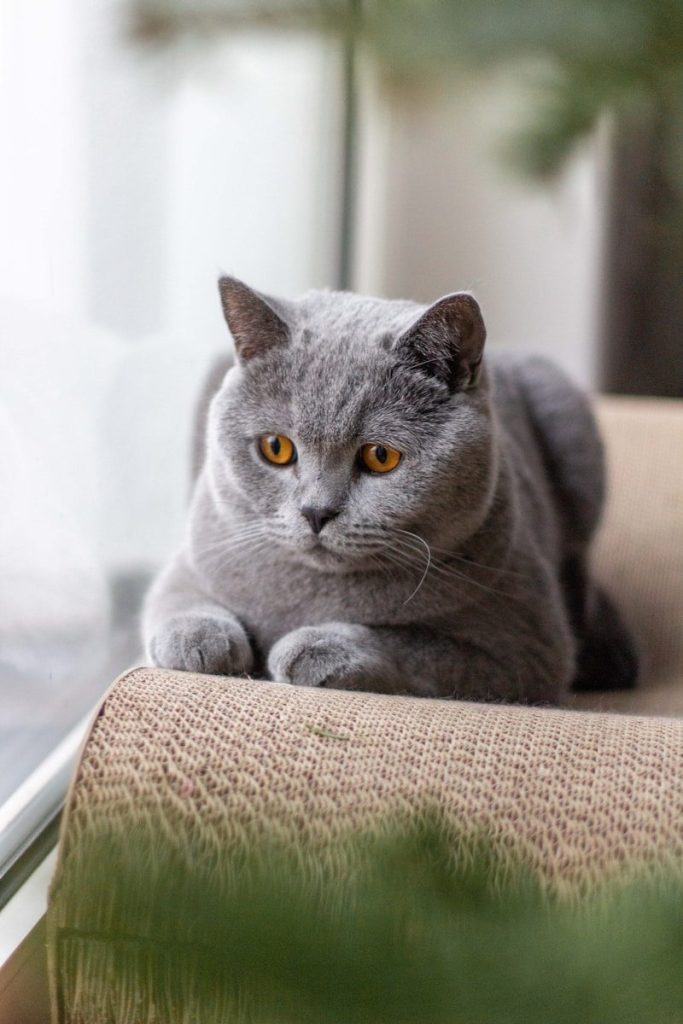
When left alone too long, anxious cats often show their distress through destructive behaviors. They might scratch your favorite furniture, knock items off shelves, or urinate directly on your bed. These actions are not spiteful, but rather a desperate attempt to self-soothe using your scent. However, there is a specific maximum time limit that experts agree is safe for most healthy adult cats.
The golden rule of twenty-four hours
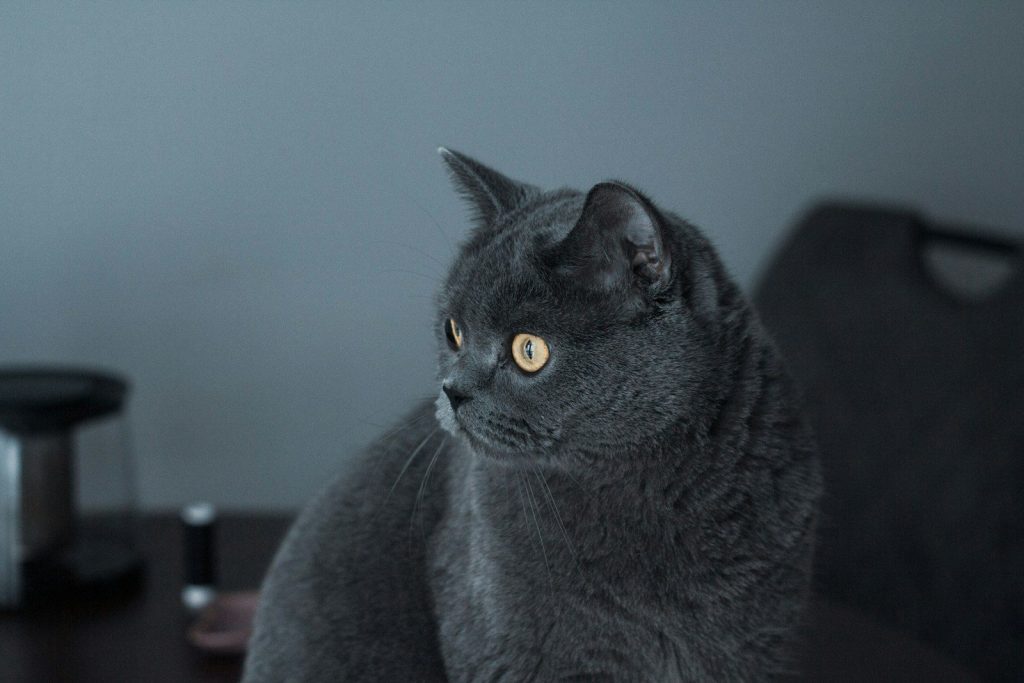
Most veterinarians agree that twenty-four hours is the absolute maximum limit to leave an adult cat completely unattended. A lot can happen in a single day, from sudden medical emergencies to accidental household traps. If you must travel longer, hiring a professional pet sitter is the safest decision you can make. But preparing your home before you step out the door is equally critical.
Setting up a safe and stimulating environment
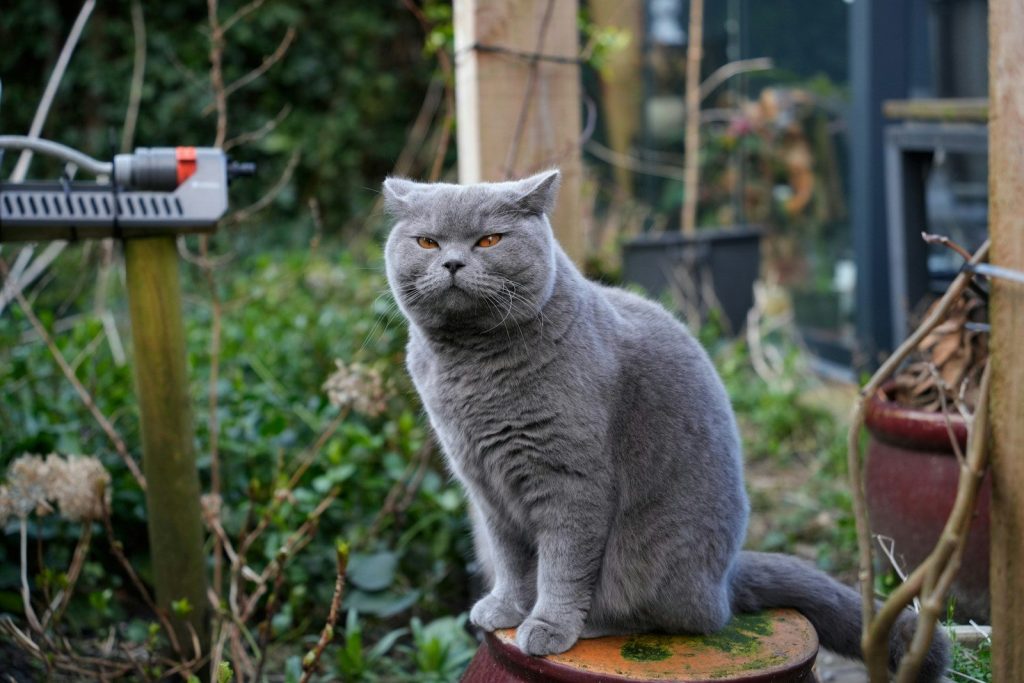
Keep your pet happy during short absences by leaving interactive toys and window perches open. According to the Cornell Feline Health Center, visual stimulation from bird feeders can help keep their minds active and lower stress. You should also leave multiple water bowls in different rooms to prevent dehydration. This smart preparation protects them while you are gone, but you must handle your return carefully.
Reconnecting with your feline after your trip
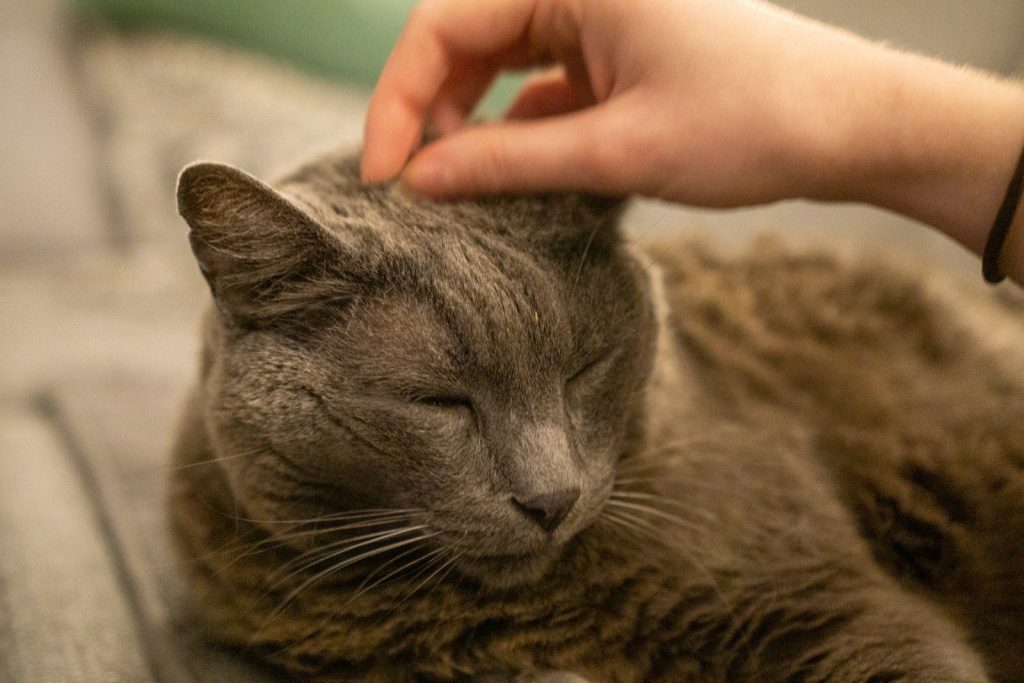
Your cat might act aloof or even ignore you when you first walk through the door. This common behavior is their way of adjusting to the sudden change in their quiet territory. Offer them high-value treats and gentle head scratches to help them settle back into their routine. But what should you do if their anxious behavior continues long after you return?
Consulting your veterinarian for chronic stress
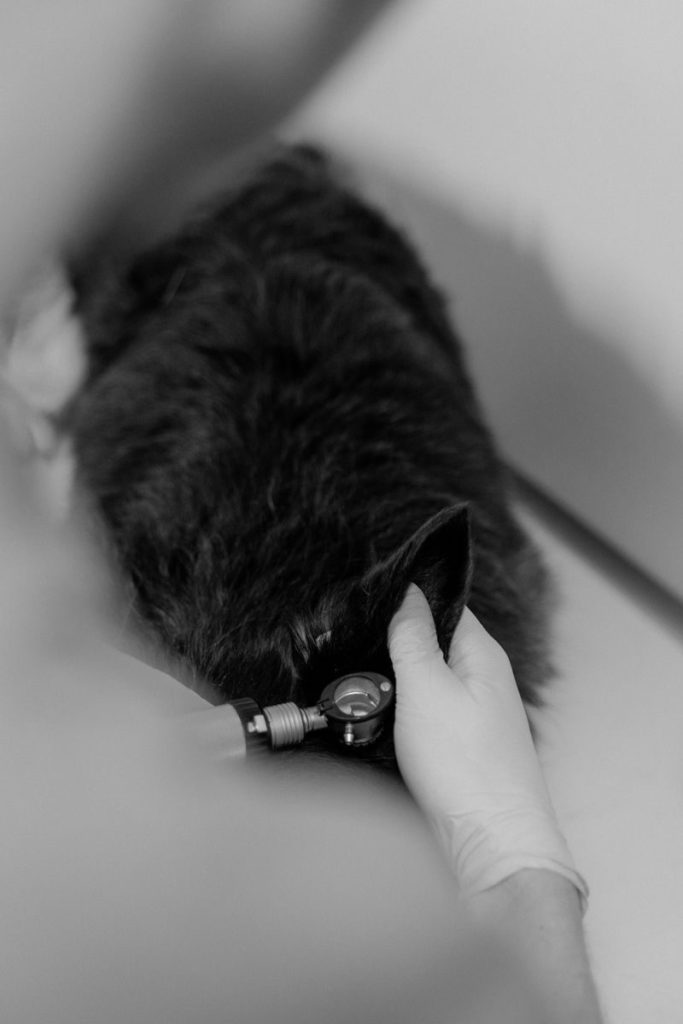
Persistent litter box misses or excessive grooming require a professional medical evaluation to rule out physical illness. Your vet can provide tailored behavior plans or calming supplements to restore peace. This article is for informational purposes only and does not constitute veterinary advice. Prioritizing their safety and comfort keeps your feline friend happy for a lifetime.
Featured Image: Photo by Joe Hudson on Pexels