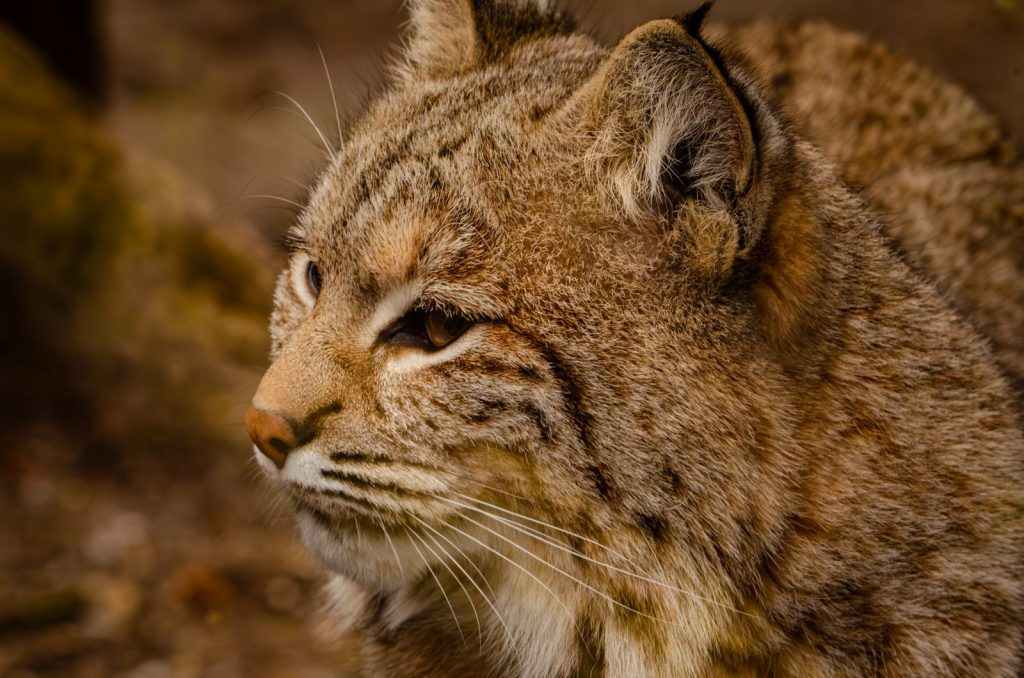

Wild cats usually prefer deep, isolated forests away from humans. We expect these quiet predators to struggle in highly populated areas.
But researchers discovered one coastal region where these majestic felines thrive in record numbers. This stunning wild cousin of our house cats reigns supreme in California.
Exploring Diverse Golden Habitats
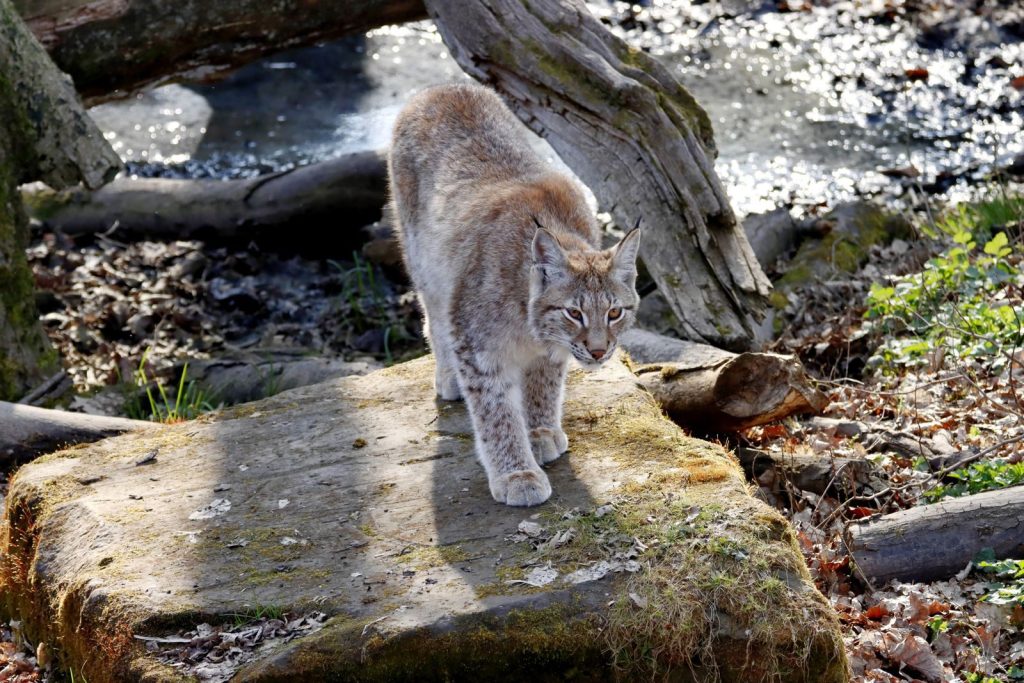
California offers a beautiful mix of mountains, deserts, and dense woodlands. These habitats are perfect. According to the California Department of Fish and Wildlife, bobcats easily adapt to these different natural landscapes. This incredible flexibility allows them to find ample food and safe den sites across the region. But their physical design is what truly makes them masters of the wild.
Hunting With Ultimate Precision
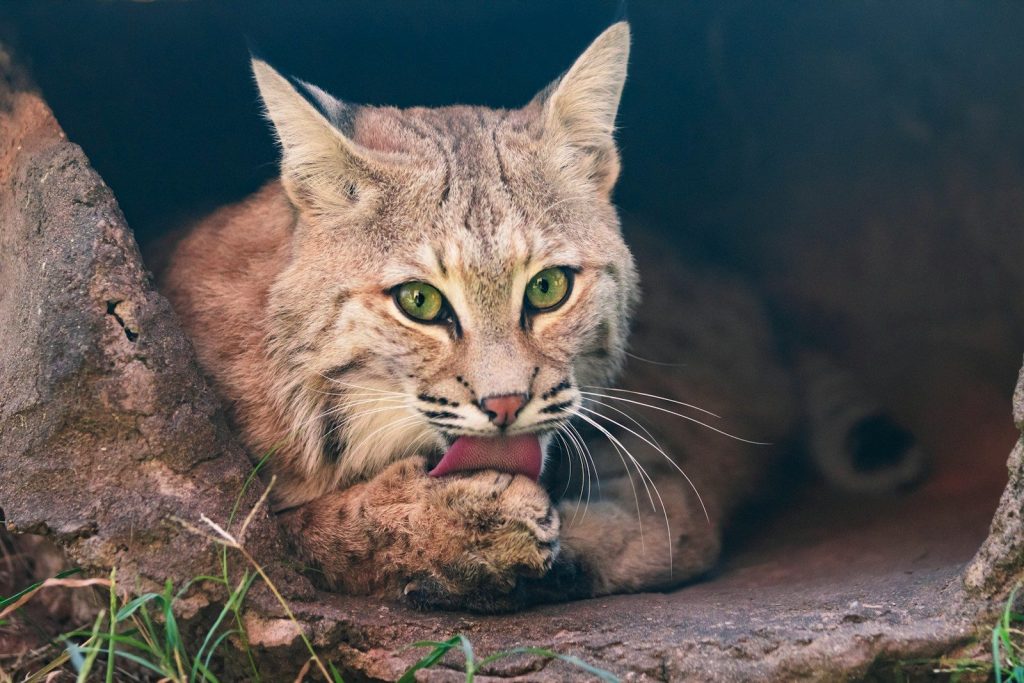
Bobcats rely on incredibly sharp senses to track their target. They are patient. According to studies from the National Park Service, a bobcat can easily spot a tiny mouse from a great distance. Their spotted coats offer excellent camouflage in the dry brush. Yet their diet includes a much wider variety than you might expect.
Balancing The Local Ecosystem
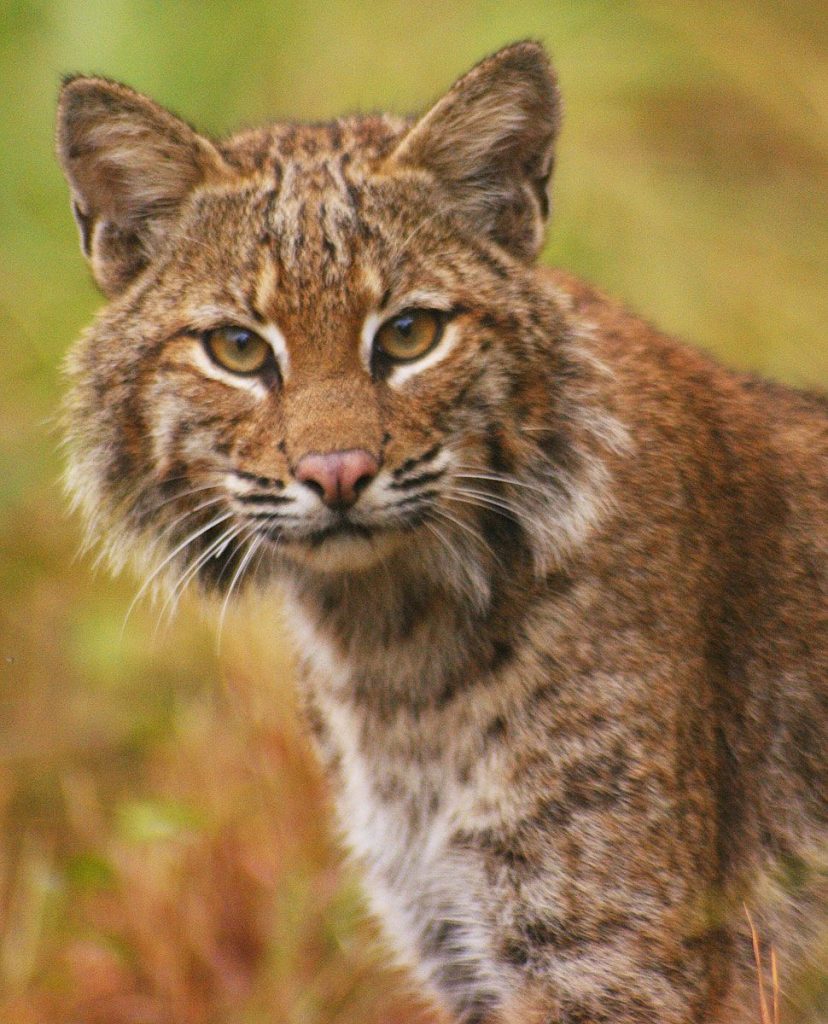
As skilled predators, bobcats play a crucial role in keeping rodent populations balanced. This service is vital. According to reports from the Audubon Society, these wild cats help protect agricultural fields from excessive pest damage. Their daily hunting habits naturally maintain the health of the entire environment. But human expansion is beginning to challenge this ancient way of life.
Navigating Urban Woodland Borders
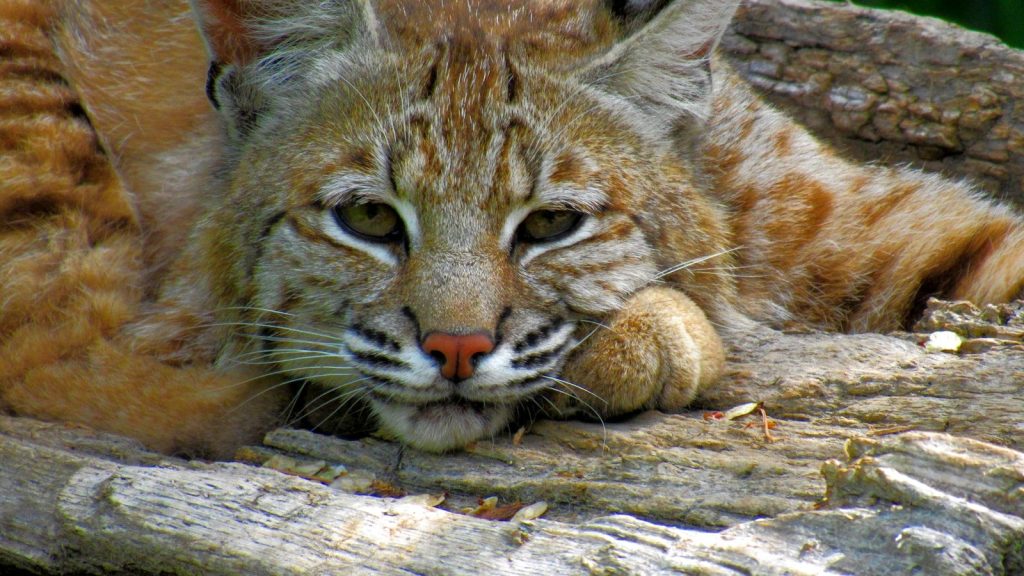
Many bobcats now live surprisingly close to suburban neighborhoods. Adaptation is occurring. According to research from the University of California, these quiet felines learn to navigate golf courses and greenways safely. They often hunt along these borders during the quietest night hours. However, this close proximity to humans brings some very specific dangers.
Avoiding Modern Toxic Risks
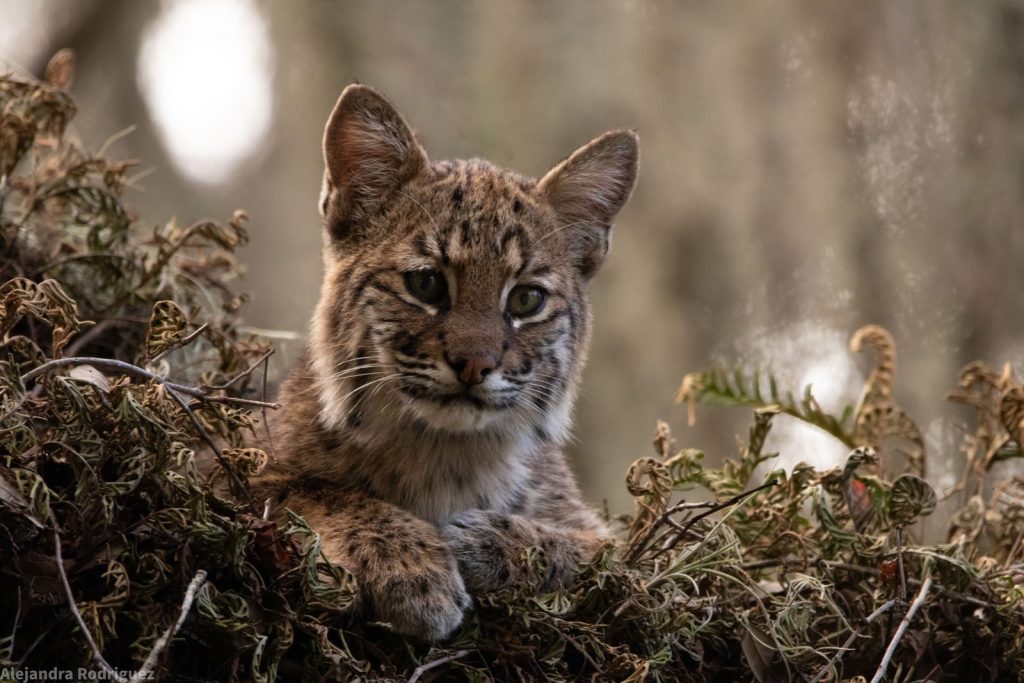
Suburban rodent control methods pose a massive threat to local wild cats. Safety is essential. According to studies from the National Park Service, secondary rodenticide exposure is a leading cause of illness in wild bobcats. These human chemicals travel up the food chain with tragic results. Fortunately, local communities are actively working on a solution.
Creating Safe Wildlife Corridors
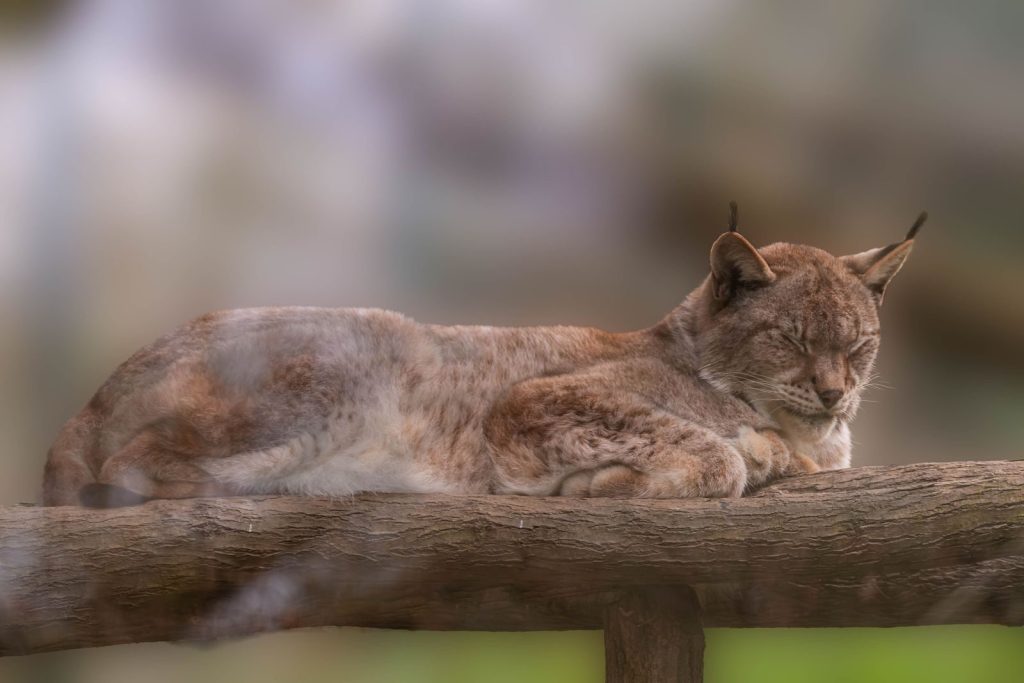
Building natural bridges helps wild animals travel safely across busy highways. Greenways save lives. According to the National Wildlife Federation, dedicated wildlife crossings significantly reduce traffic accidents involving native predators. These safe paths allow bobcats to find mates and expand their territory. This successful protection effort ensures a very promising future.
Protecting Our Wild Cousins
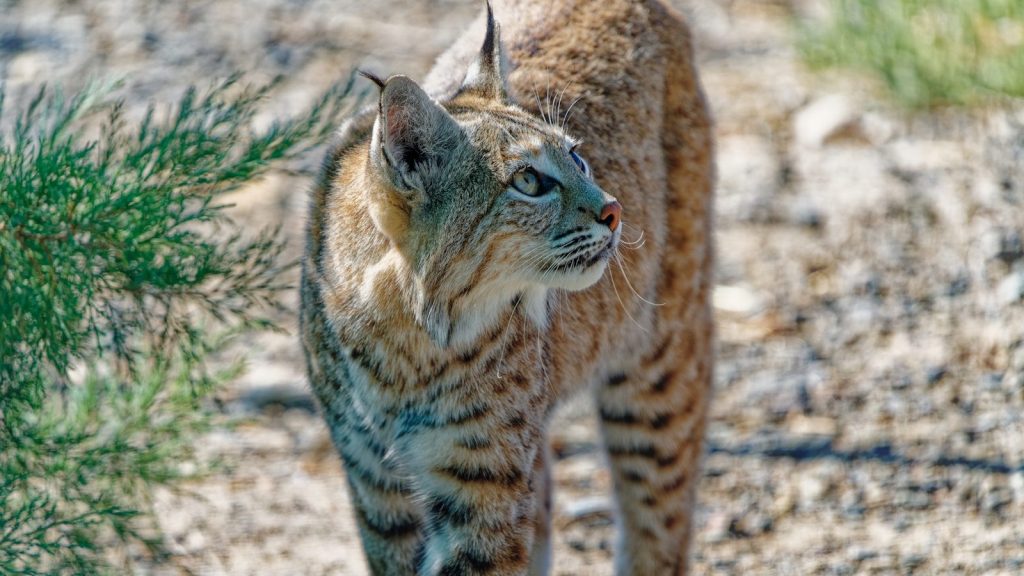
Learning to share the land preserves California’s incredible wild heritage. Coexistence is possible. According to reports from the California Department of Fish and Wildlife, public awareness helps protect these beautiful wild cats for generations. Cherish these incredible felines from a safe distance. This article is for informational purposes only.
Featured Image: Photo by Leon Aschemann on Pexels