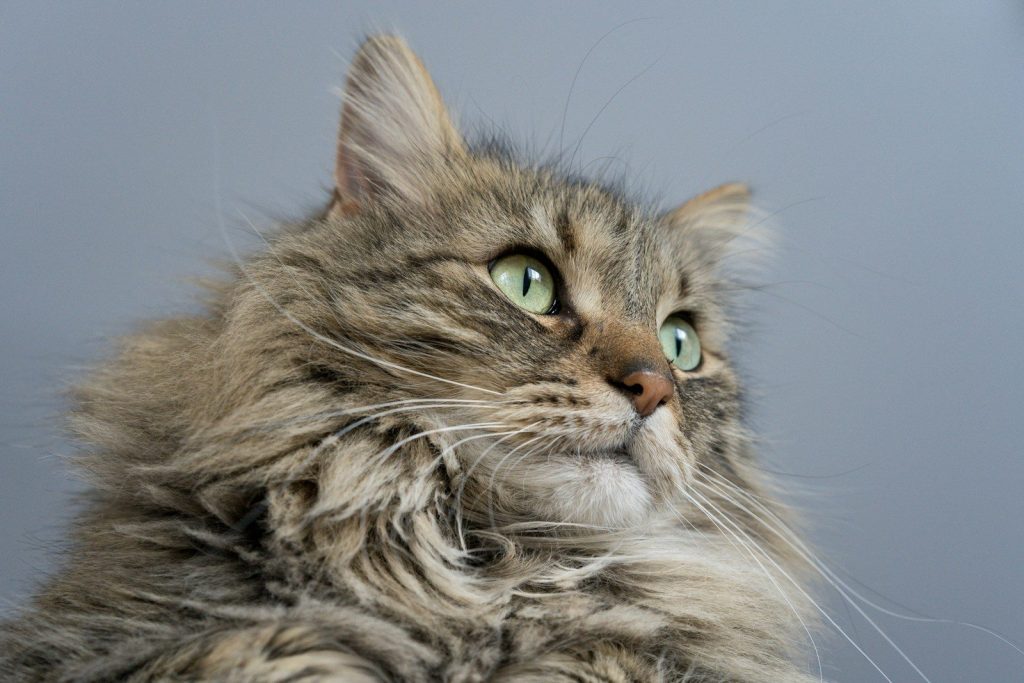

Many pet owners expect massive cats to have deep, loud meows. We assume their giant bodies mean they must make powerful sounds.
But researchers discovered that Maine Coons are actually famous for making sweet puppy chirps. This funny vocal habit is a surprising trait of this gentle giant breed.
Understanding The Chirp
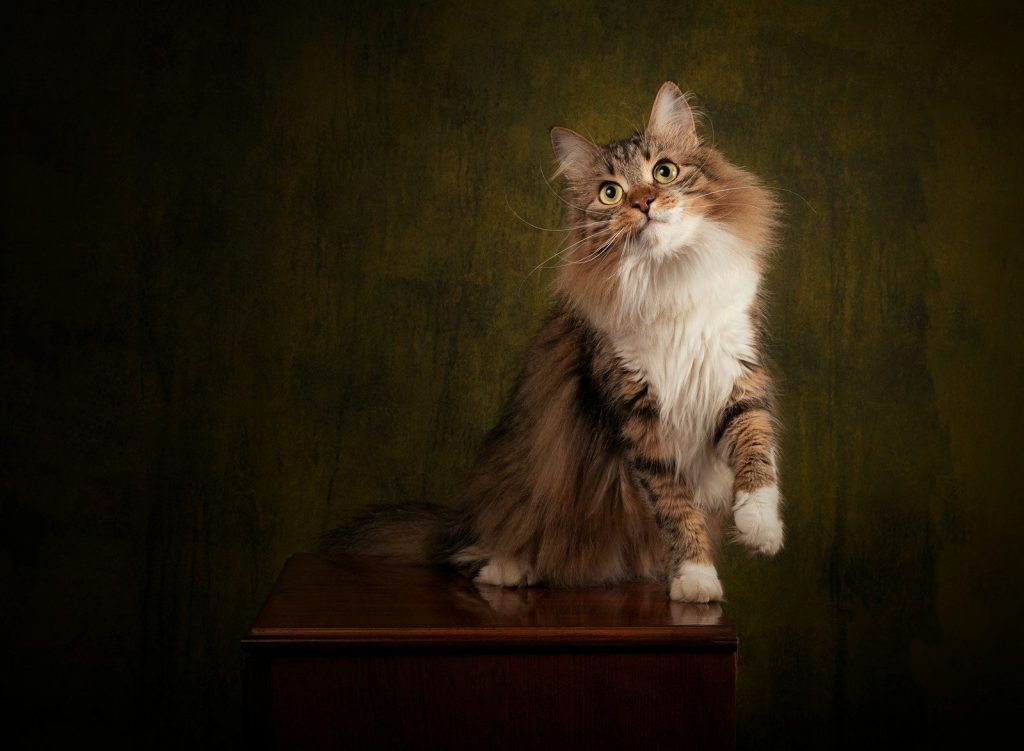
Instead of standard meows, these massive felines often make high-pitched chirping sounds. They are chatty. According to the Cornell Feline Health Center, Maine Coons use a unique vocalization called trilling to get attention. This sound resembles a happy puppy greeting. But this soft noise actually has deep biological roots in their history.
Tracing Their History
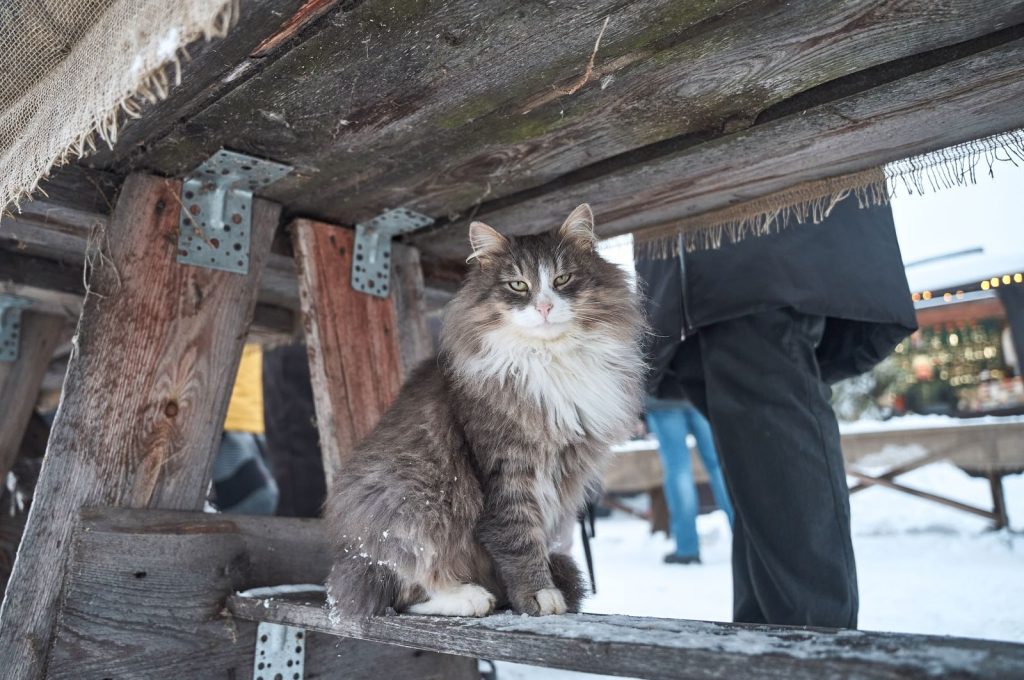
These massive cats developed their unique traits in the cold climates of New England. Survival required teamwork. According to studies from Oregon State University, Maine Coons lived closely with human farmers to hunt local pests. Their soft vocal habits allowed them to communicate with humans without scaring away their prey. Yet this cute sound serves an even deeper purpose today.
Expressing Pure Joy
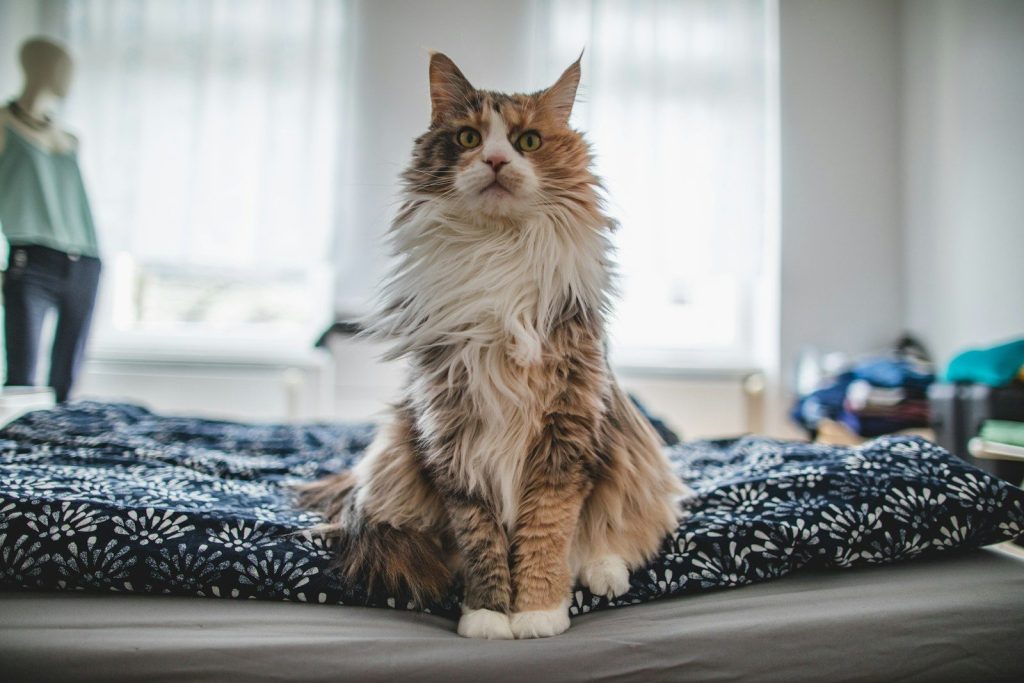
Felines use their puppy chirps to show absolute comfort and excitement. Happiness is loud. According to the San Diego Humane Society, a trill is a positive signal that your cat feels safe and content. They often chirp when they see their favorite human enter the room. However, this vocal style is also about asking for something.
Demanding Your Attention
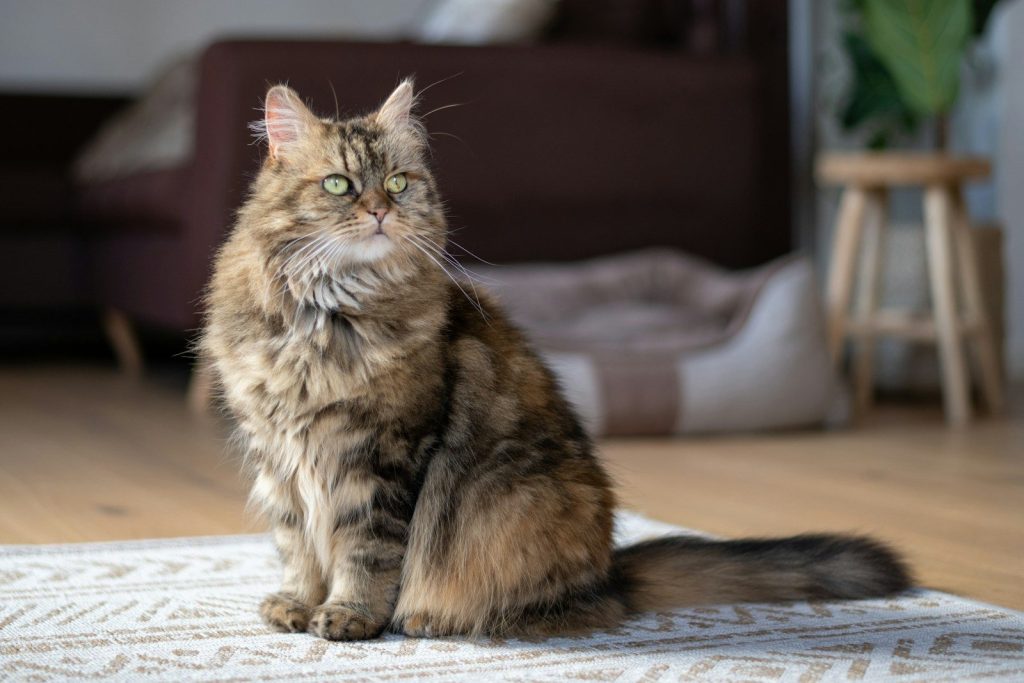
A Maine Coon will often follow you around the house, making small soft squeaks. They are persistent. According to reports from the ASPCA, these intelligent cats use their unique voices to request meals or play. This gentle communication style is highly effective at getting humans to help them. But this vocal behavior can change under different conditions.
Watching Vocal Changes
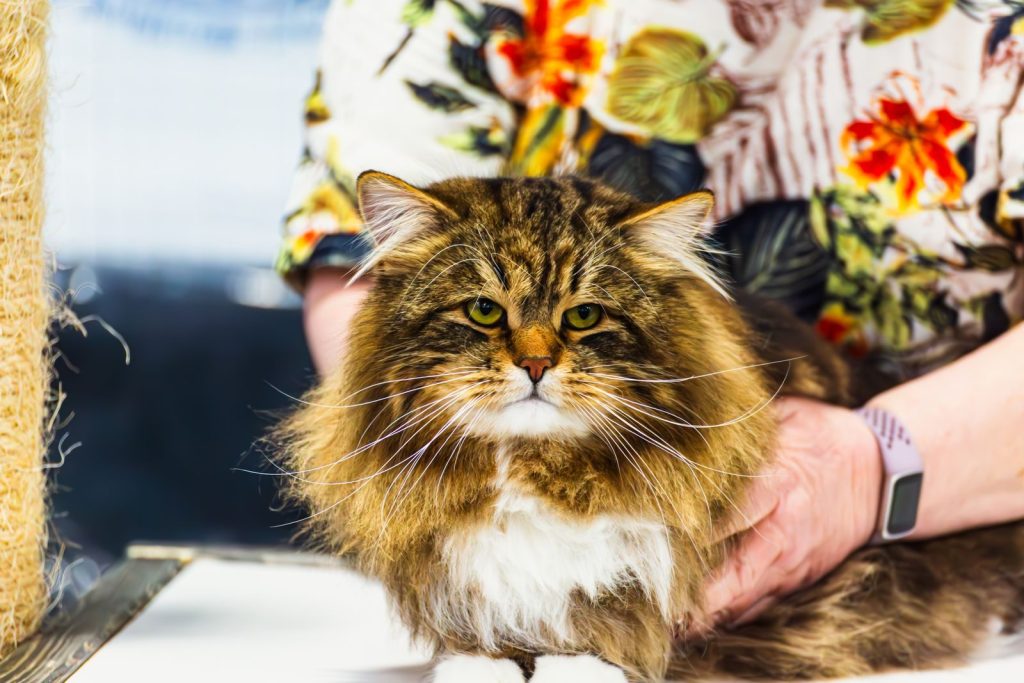
Sometimes a sudden shift in your cat’s normal sounds points to an underlying issue. Health is vital. According to guidelines from the American Association of Feline Practitioners, changes in vocal habits can indicate dental discomfort or hidden stress. Owners should always monitor their pet’s routine for any unexpected differences. Fortunately, encouraging safe communication is very simple.
Talking Back Gently
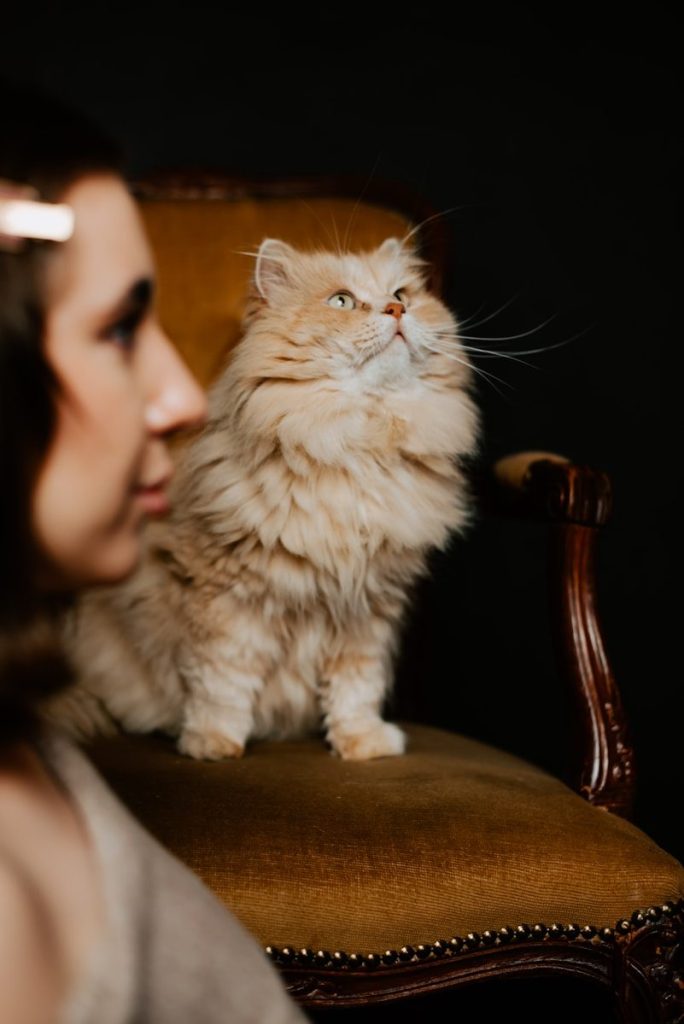
Responding to your pet’s unique chirps helps build deep mutual trust. Conversations are fun. According to studies from the University of Arizona, talking back to your cat strengthens their emotional attachment to you. It teaches them that their quiet sounds are valued. This simple shared habit leads to a wonderful outcome.
Loving Your Gentle Giant
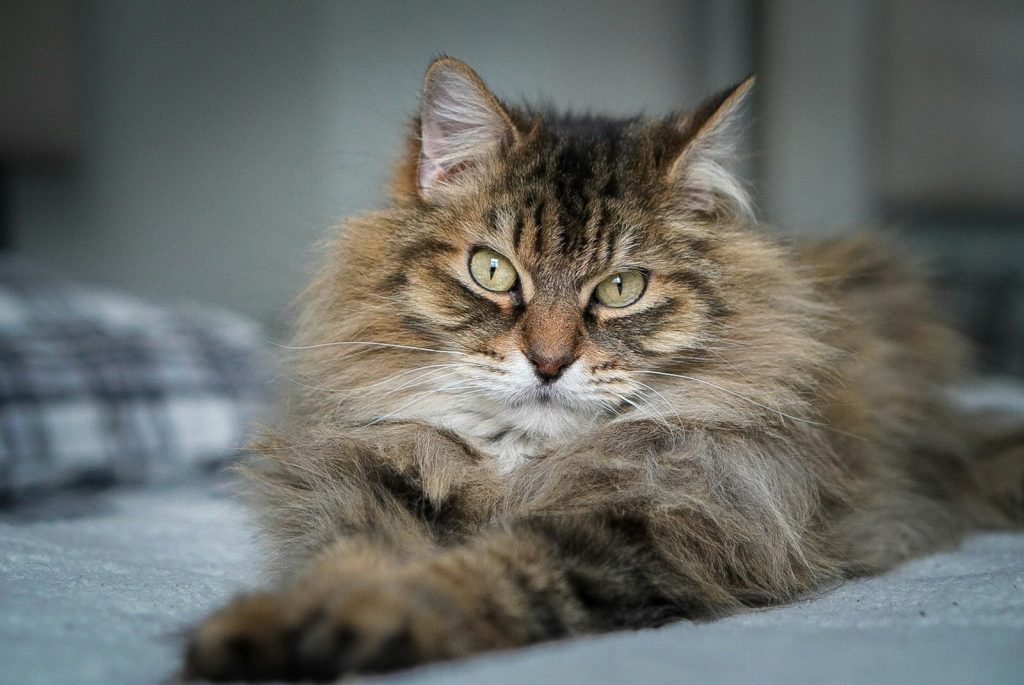
Embracing your Maine Coon cute puppy noises is a wonderful way to enjoy their unique charm. Trust is beautiful. According to the American Veterinary Medical Association, keeping a happy and communicative home environment supports feline health. Cherish these sweet sounds together. This article is for informational purposes only and does not constitute veterinary advice.
Featured Image: Photo by Lina Angelov on Unsplash