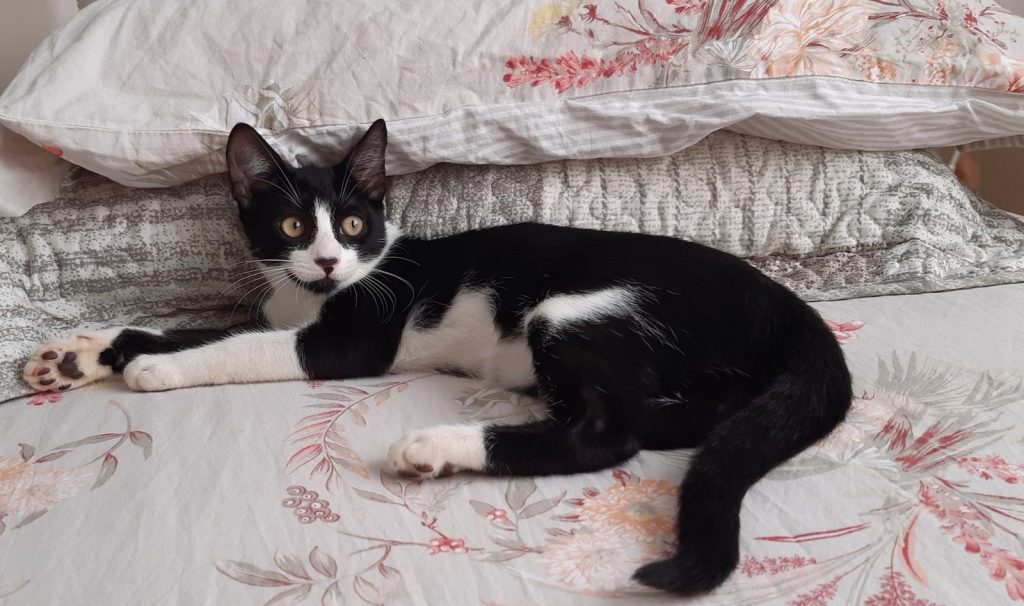

We think our pets love when we sleep late on lazy weekends. We assume they enjoy having a quiet bedroom.
But research shows cats are strict schedule keepers. Oversleeping disrupts their internal clock and causes unexpected domestic anxiety.
The Precision Feline Schedule

Felines are creatures of absolute habit who thrive on predictable routines. Timing is everything. According to the American Veterinary Medical Association, cats have a highly developed circadian rhythm that tracks daily events. They expect breakfast, play, and naps at identical moments. Any change in your morning timeline can leave your pet feeling deeply confused. But hunger is only a small part of this issue.
Driven By Crepuscular Instincts
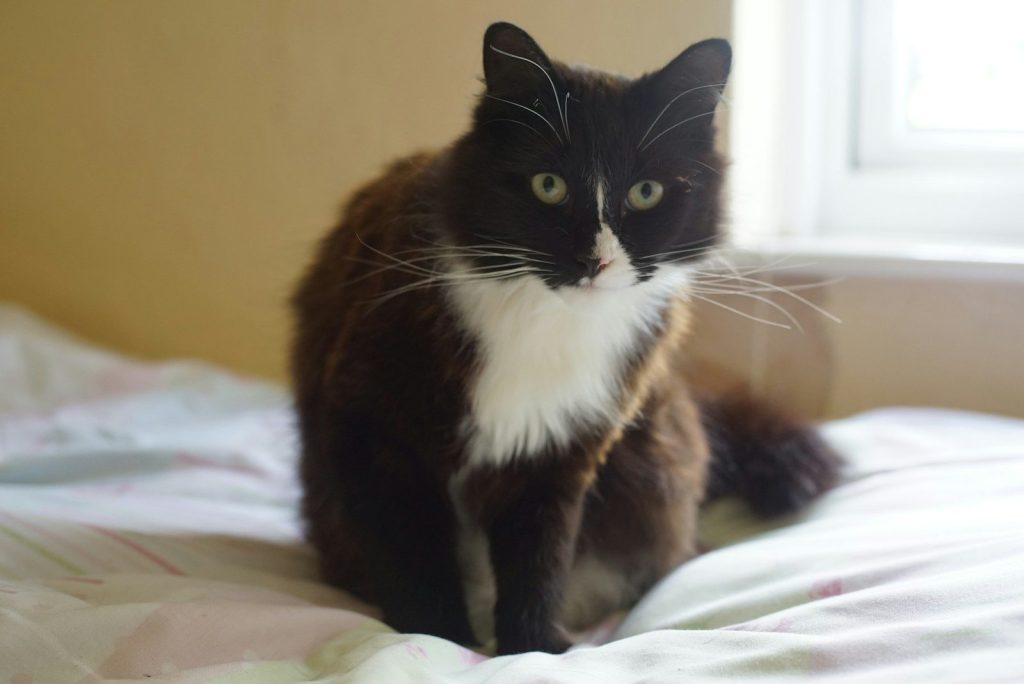
Cats are naturally active during the quiet hours of dawn and dusk. Energy peaks early. According to behavioral studies from Oregon State University, these low-light periods are when feline ancestors hunted. Your pet is wide awake while you are still dreaming. They expect their human partner to be active too. But your quiet posture can trigger a surprising reaction.
Expressing Gentle Feline Concern
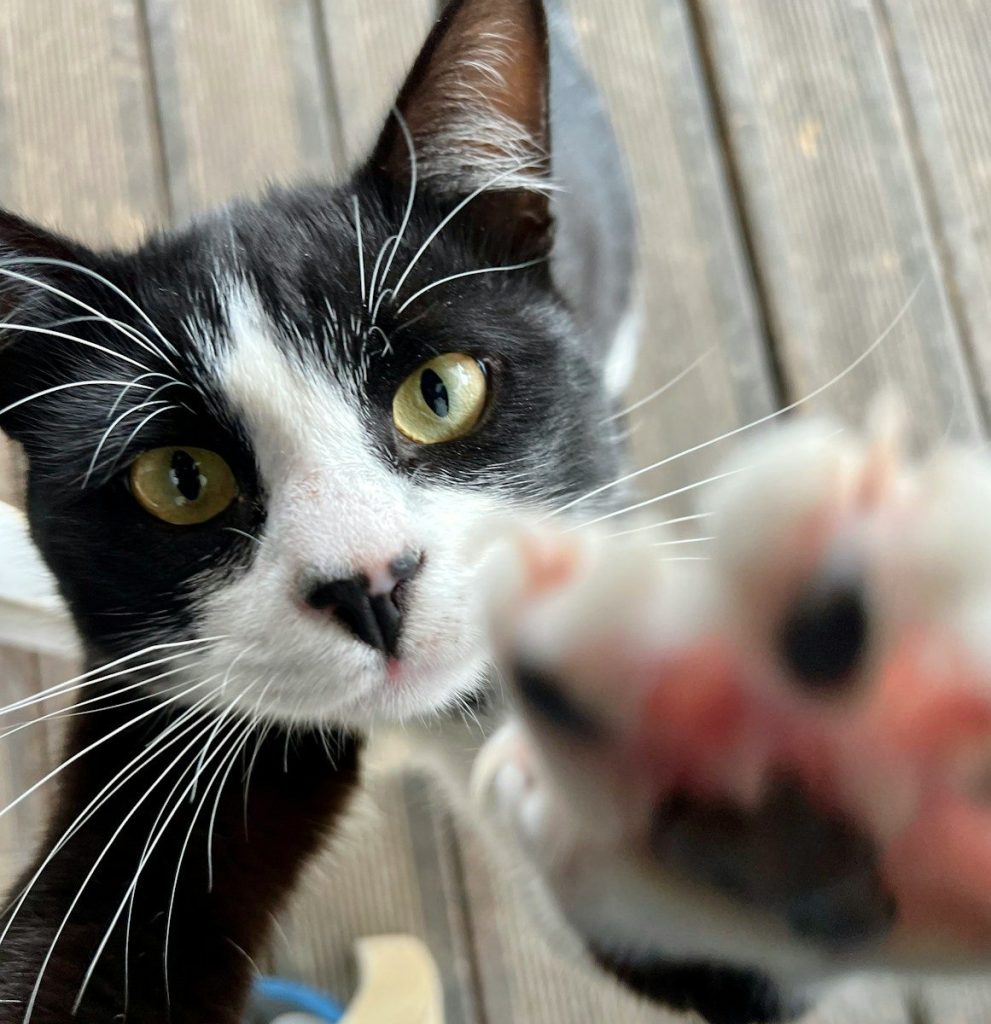
A cat might stare or poke your face to check on your health. Caring is natural. According to reports from the ASPCA, cats monitor human movements to predict daily safety. Your unusually still body can cause mild panic in a routine-loving animal. They want to make sure their protector is awake and responsive. But this worry can quickly turn into vocal demands.
The Rising Morning Anxiety
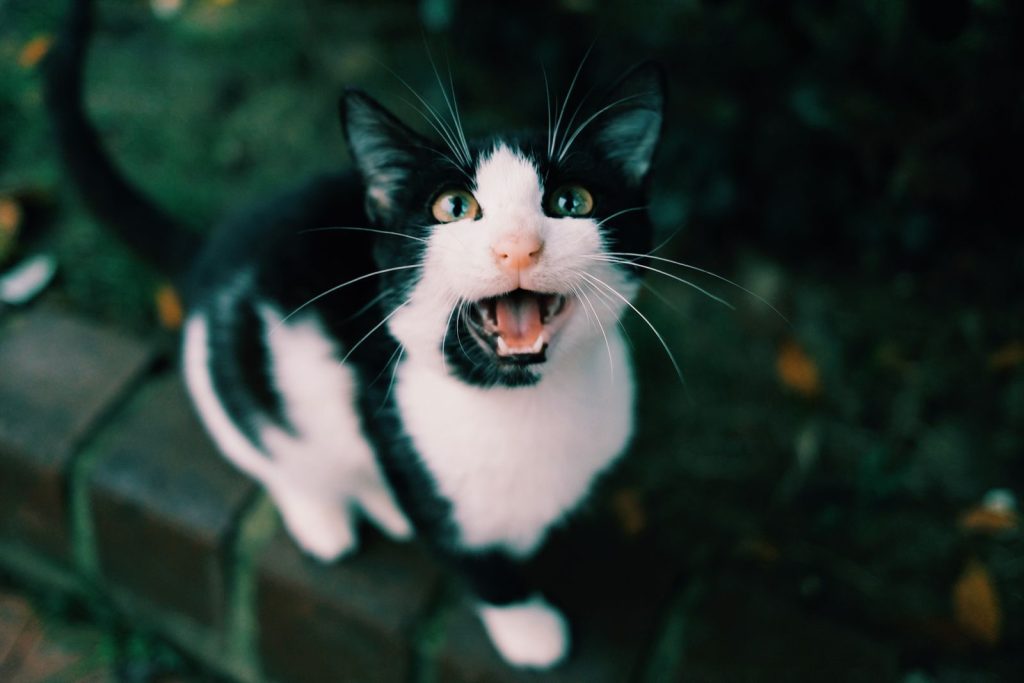
Delaying breakfast can raise stress levels in your household. Calmness is key. According to the Cornell Feline Health Center, prolonged deviations from a schedule can lead to stress-induced pacing. Your cat might scratch furniture or vocalize loudly to get you out of bed. They are simply trying to restore their comfortable routine. But you can manage this early morning behavior.
Using Automatic Feeders Smartly
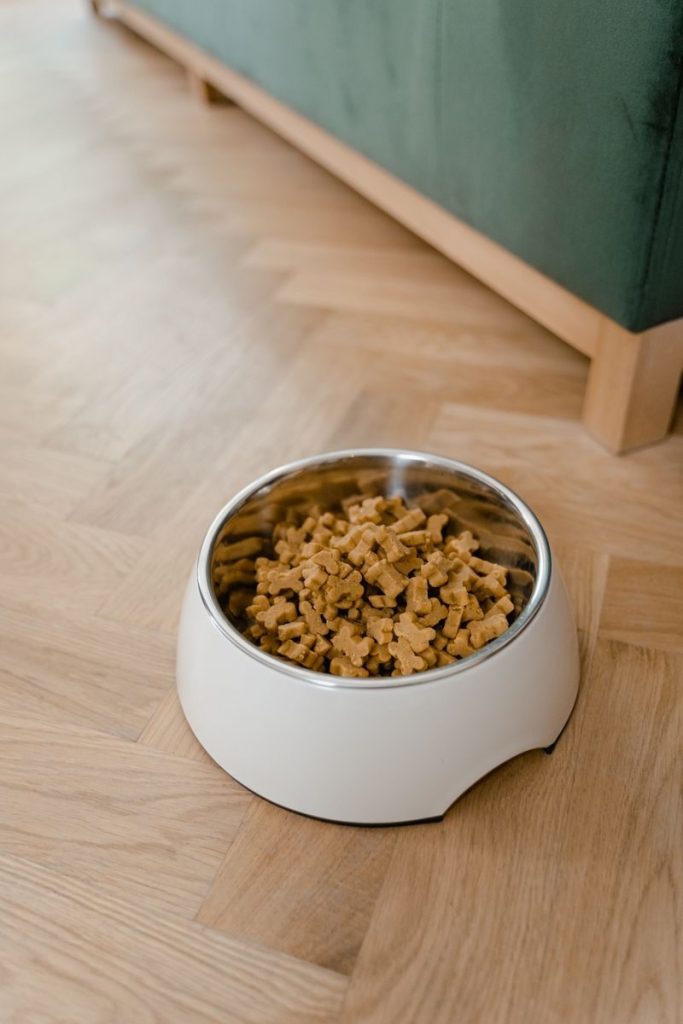
Serving breakfast at the exact same hour every day helps prevent wake-ups. Technology brings peace. According to guidelines from the American Association of Feline Practitioners, smart feeders reduce food-related anxiety. Your pet will learn to associate the machine with meals instead of your face. This lets you rest without furry interruptions. But daily play is still essential for their routine.
Maintaining Weekend Evening Consistency
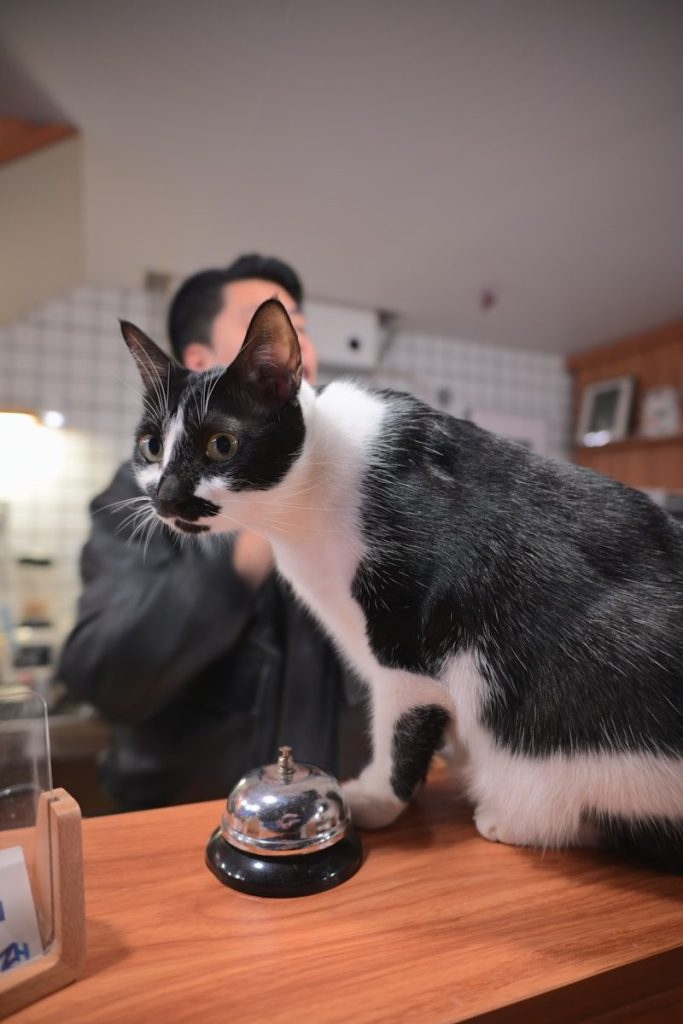
Keeping dinner and bedtime schedules steady helps stabilize morning behavior. Routine is powerful. According to the San Diego Humane Society, cats feel safest when their entire day is structured. Try to feed and play with your pet at similar times on Saturdays. This prevents their internal clock from shifting. Yet, understanding their biological needs is the best solution.
Supporting Feline Mental Health
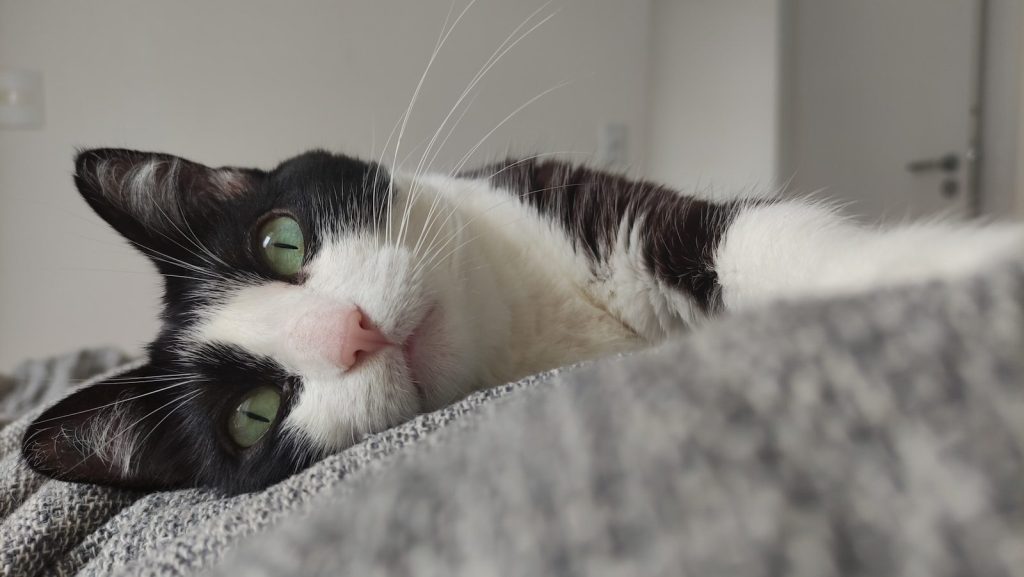
Respecting your pet’s love of structure ensures a happy home life. Harmony is possible. According to the American Veterinary Medical Association, keeping a steady routine lowers anxiety for both you and your cat. Enjoy your quiet morning cuddles once the routine is set. This article is for informational purposes only and does not constitute veterinary advice.
Featured Image: Photo by Maria de Lourdes Medeiros da Silva Lu on Unsplash