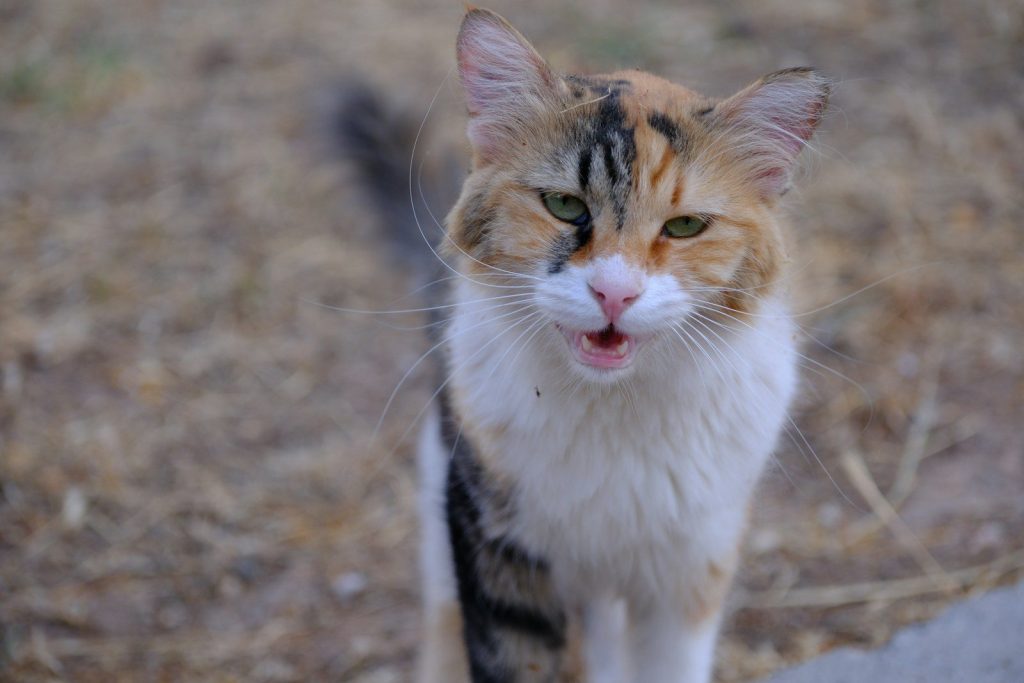

We expect cats to use their meows to talk to us with complete confidence. We assume every feline is perfectly comfortable with the sounds they make.
But some pets react to their own vocalizations with sudden confusion or even visible alarm. This funny behavior is actually linked to a unique physical cause.
The Unique Feline Voice
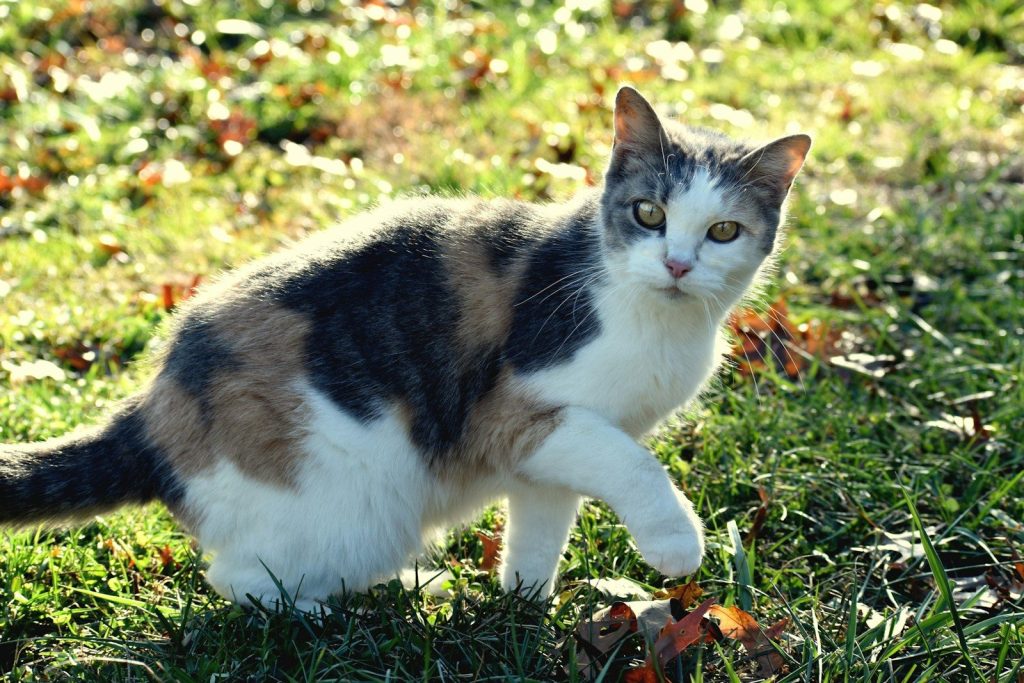
Every domestic cat possesses a highly customized vocal range that is completely unique to them. Sounds are personal. According to communication studies from the Cornell Feline Health Center, cats modulate their pitch specifically to get their human owner’s attention. Some cats develop a raspy or squeaky sound instead of a normal meow. But their reaction to these noises can sometimes be highly unusual.
Sudden Vocal Startle
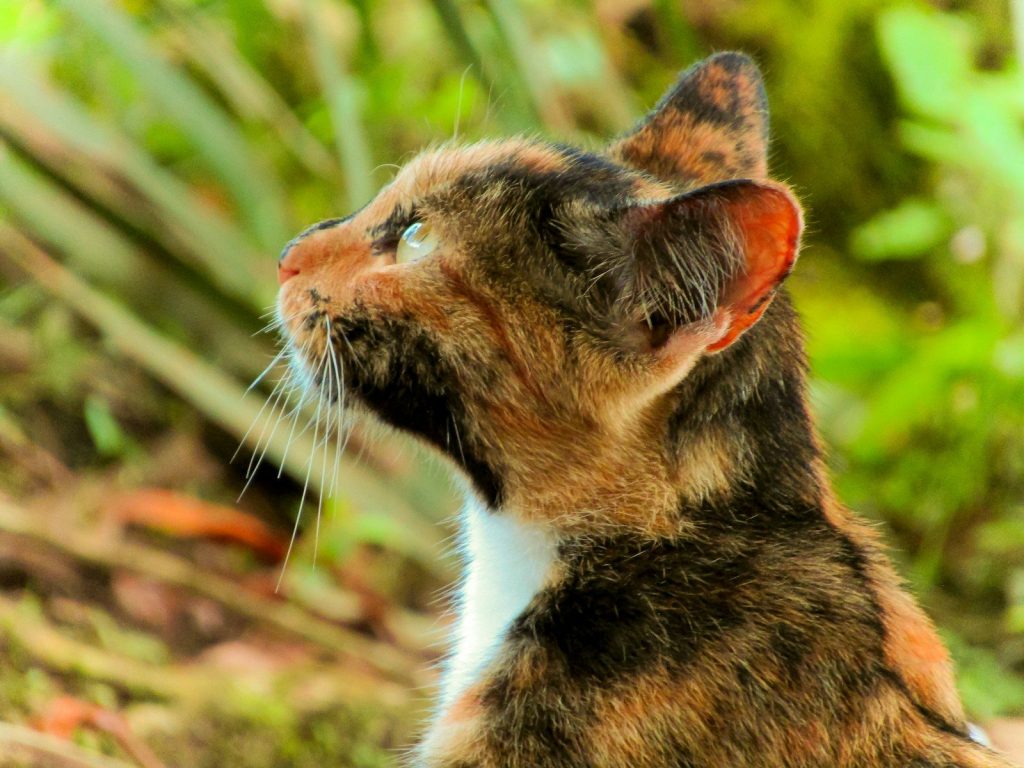
Your companion will occasionally let out a squeak and then look around as if another animal made the sound. Hearing is sharp. According to research from the National Institutes of Health, cats are highly sensitive to sudden high frequency noises. Their own squeaky vocalization can easily trigger a natural startle reflex. But this surprising auditory reaction is actually driven by their physical body.
Exploring Feline Anatomy
The physical structure of a cat’s throat determines the pitch and quality of their voice. Anatomy is key. According to clinical guides from the San Diego Humane Society, minor structural variations in the vocal folds can cause a normal meow to sound like a quiet chirp. This is entirely normal for most healthy pets. But sudden changes in vocal tone can point to a medical issue.
Spotting Veterinary Red Flags
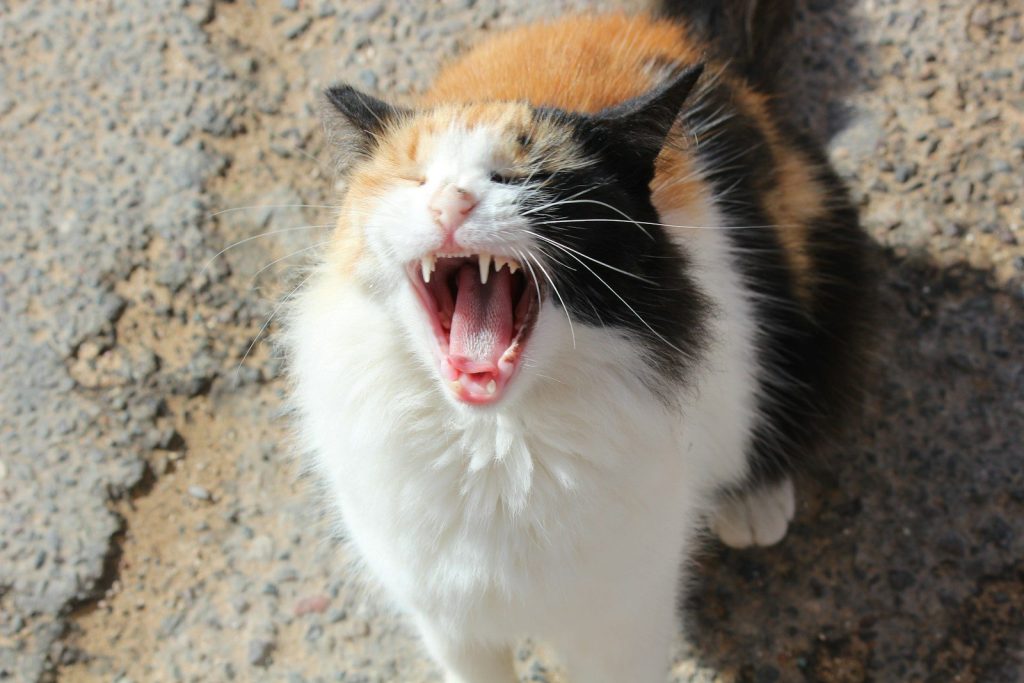
An unexpected change from a loud meow to a hoarse whisper requires careful attention. Health is a priority. According to consensus guidelines from the American Veterinary Medical Association, sudden voice loss can indicate local inflammation or a respiratory infection. Owners must monitor their pet’s breathing and eating habits closely during these vocal shifts. But physical discomfort can also cause a cat to vocalize differently.
Behavioral Distress Sounds
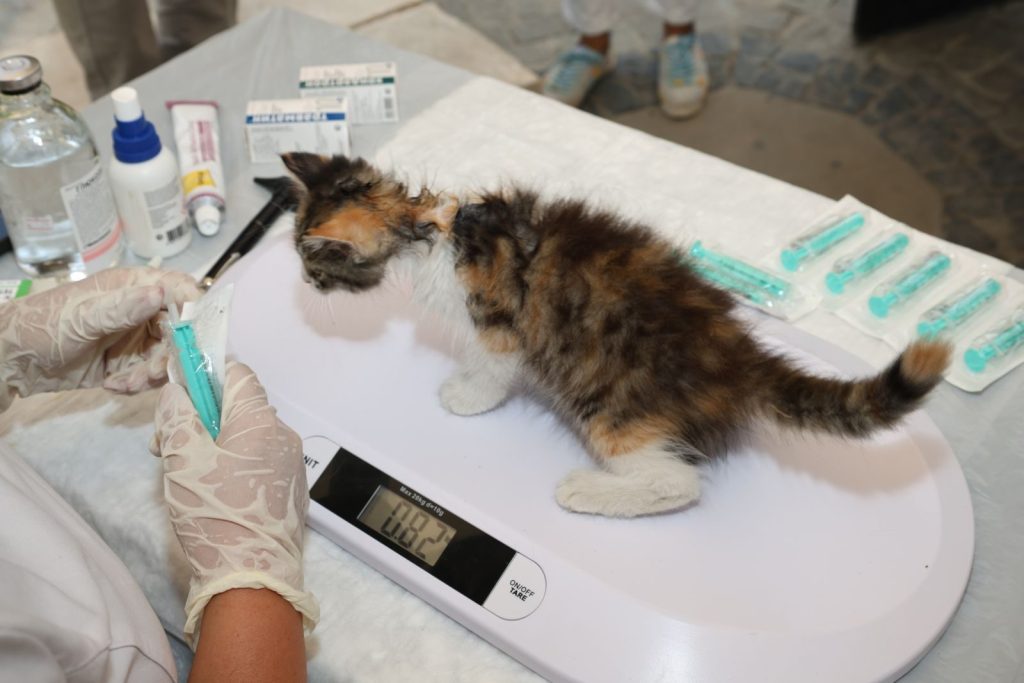
Sensitive felines sometimes make low raspy sounds when they are experiencing silent physical pain. Tension is real. According to guidelines from the American Association of Feline Practitioners, a cat trying to vocalize through discomfort may sound surprisingly raspy or strained. They are using their limited vocal abilities to self soothe or signal their distress. But supporting a vocal pet requires a highly structured home approach.
Seeking Professional Advice
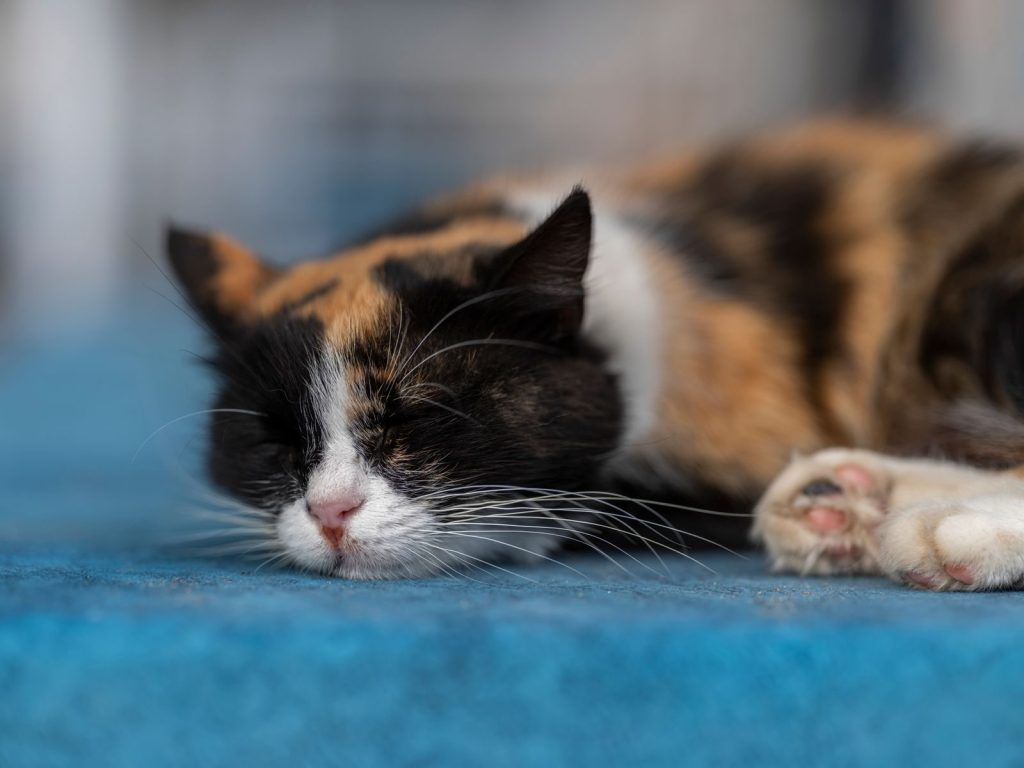
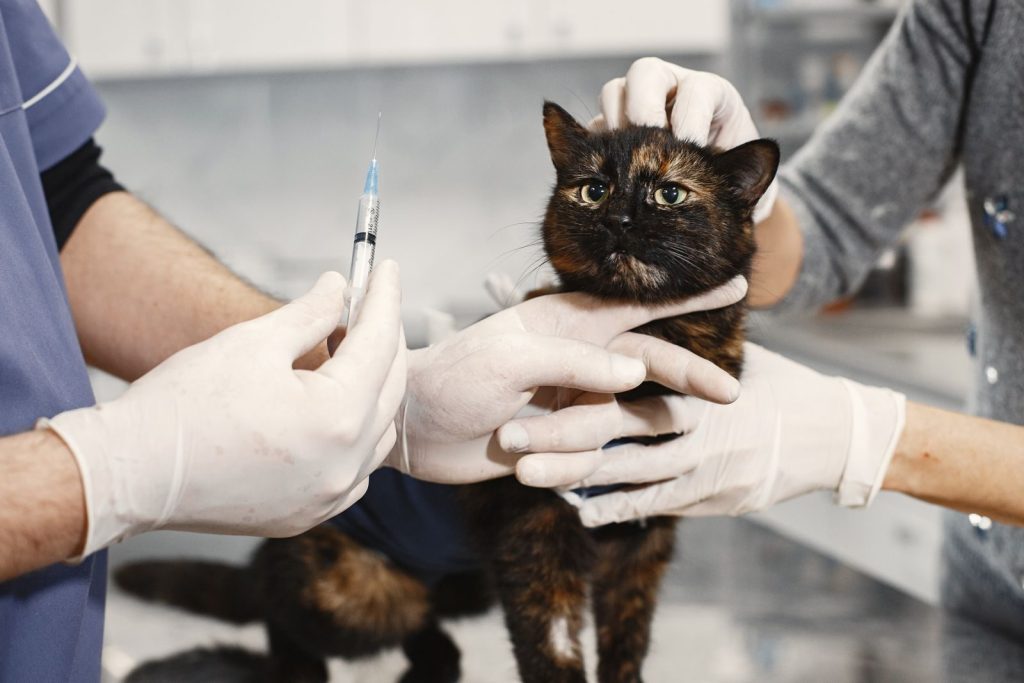
Getting a proper throat exam is the best way to ensure your pet is vocalizing safely. Care is vital. According to reports from the Cornell Feline Health Center, veterinarians can quickly check for simple airway obstructions or allergies that cause raspy sounds. Your vet can provide accurate guidance to ease their breathing. But your gentle care at home is what will bring them peace.
Comforting Your Vocal Pet
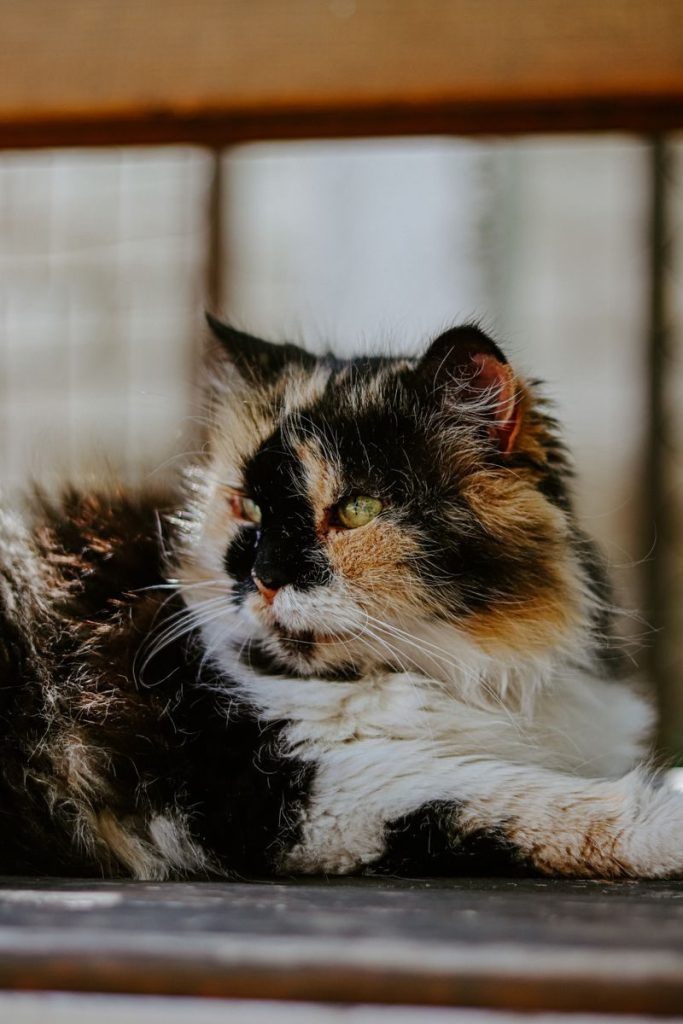
Creating a quiet warm home environment reduces your pet’s vocal anxiety and helps keep their airways relaxed. Quiet brings healing. According to the American Veterinary Medical Association, peaceful environments significantly improve overall pet health and lower systemic stress. Your constant love and attention make a huge physical difference. This article is for informational purposes only and does not constitute veterinary advice.
Featured Image: Photo by Doğan Alpaslan DEMİR on Unsplash