
Many pet owners assume that all cats cost roughly the same to protect. We expect health insurance rates to remain uniform across different domestic breeds.
But genetic research has revealed a much more complicated financial truth. Certain highly desired breeds carry unique medical risks that raise premium prices.
The Price Of Flat Faces
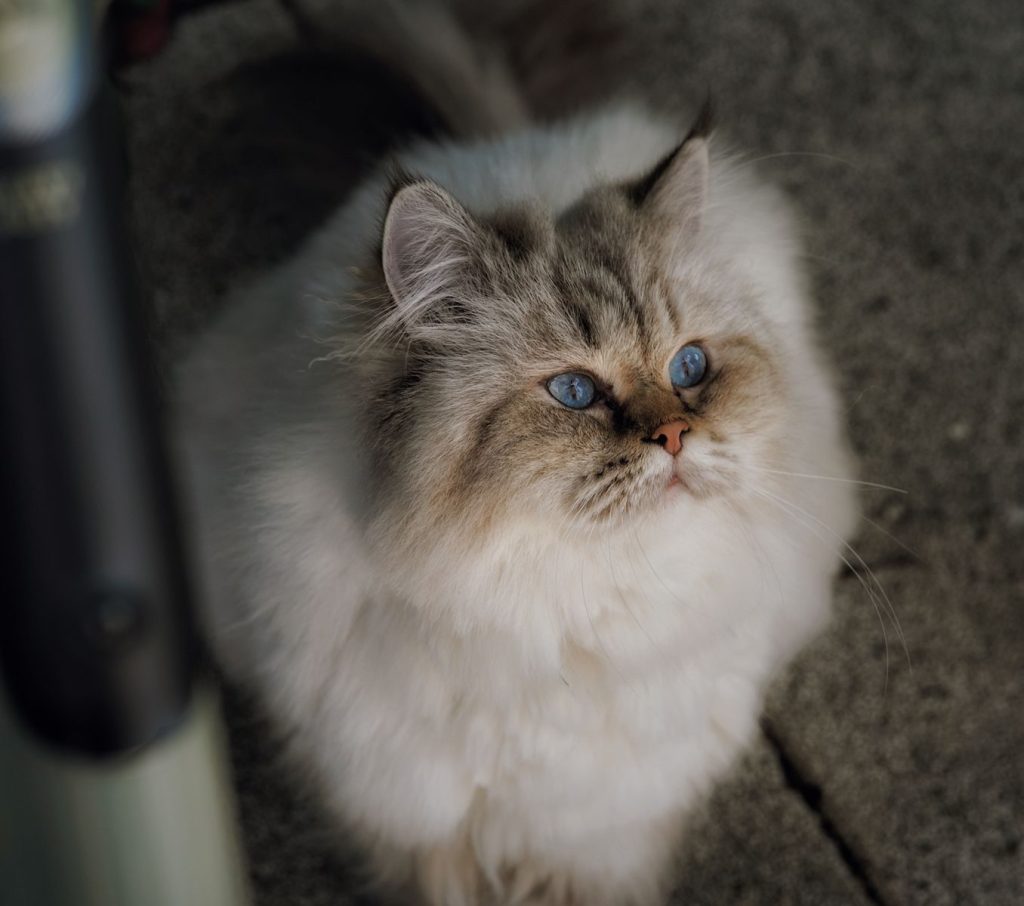
The adorable round face of the Persian cat is incredibly popular worldwide. Breathing can be tough. According to clinical studies from the Royal Veterinary College, brachycephalic flat faces are prone to chronic respiratory and tear duct issues. Insurance companies charge higher rates to cover these inevitable veterinary treatments over the pet’s lifetime. But facial structure is not the only physical risk factor.
Hidden Heart Disease Threats
Some majestic large breeds are vulnerable to silent internal cardiovascular conditions. Diagnostics are expensive. According to cardiology reports from the Cornell Feline Health Center, Maine Coons carry a genetic predisposition for hypertrophic cardiomyopathy. This serious thickening of the heart muscle requires regular specialist ultrasounds and medication. But skeletal mutations also present unique joint challenges.
The Folded Ear Cost
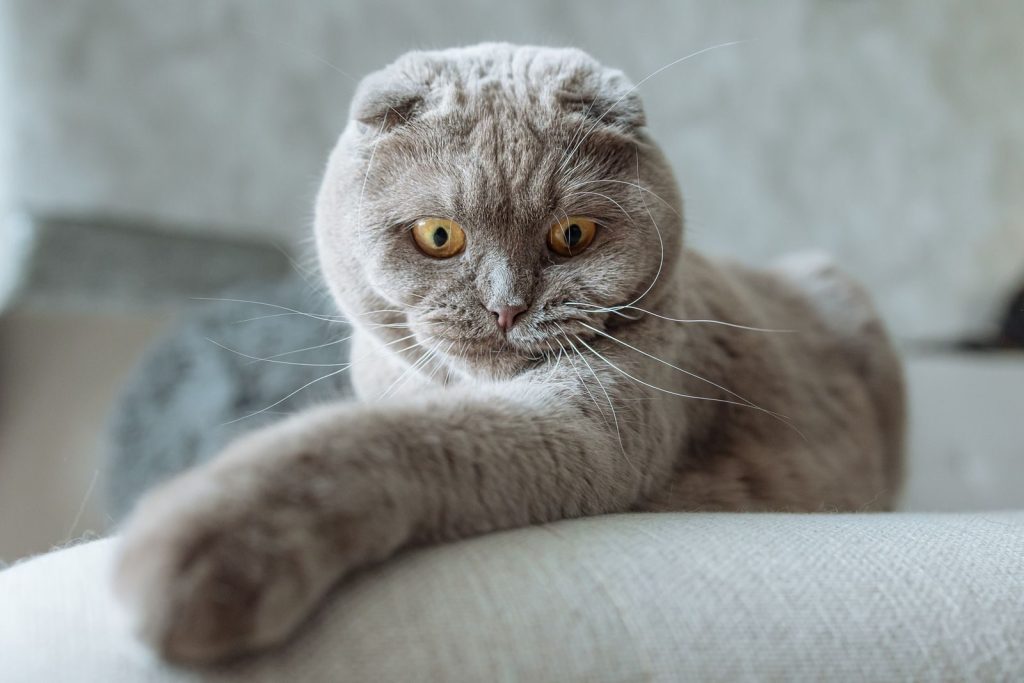
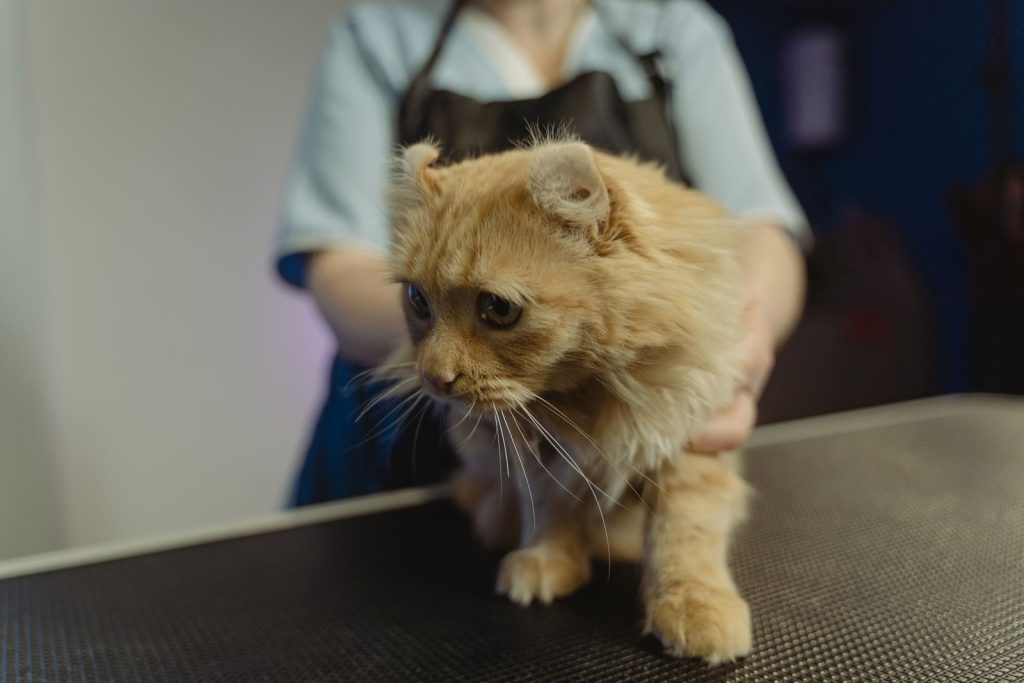
People love the sweet owl-like appearance of the Scottish Fold breed. Cartilage is weak. According to joint development studies from the University of Sydney, the gene responsible for folded ears also causes progressive degenerative joint disease throughout their bodies. This chronic pain condition requires lifelong veterinary management and specialized therapy. But hairless varieties face their own external battles.
Skin Vulnerabilities of Sphynx
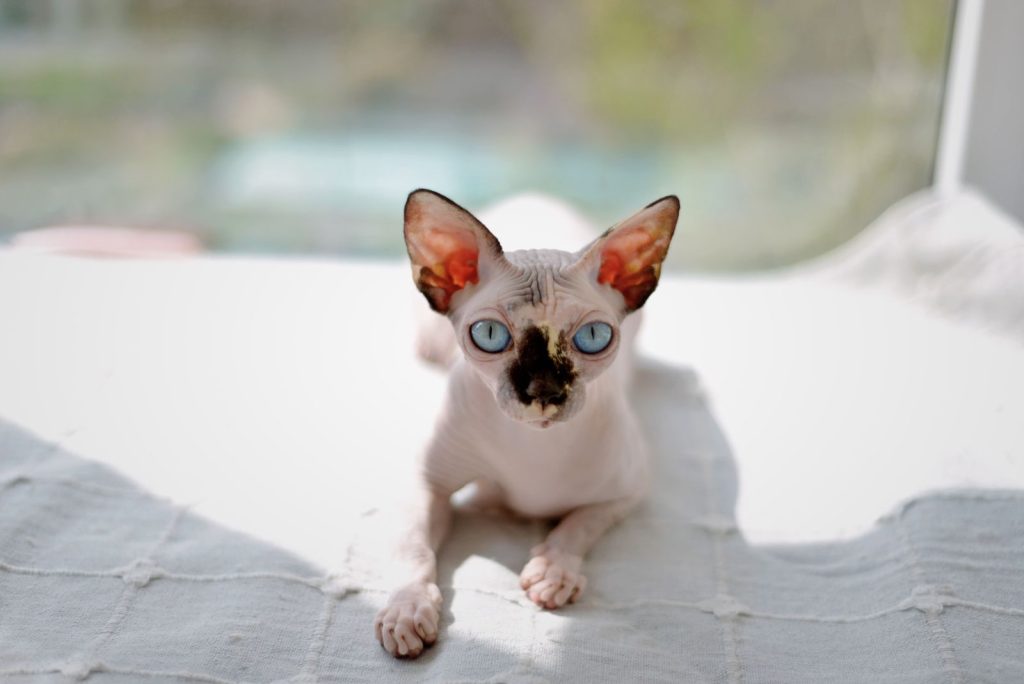
Hairless cats look highly exotic but require intensive skin care routines. Protection is essential. According to dermatological reports from the American Veterinary Medical Association, Sphynx cats lack fur to absorb body oils and shield against UV rays. They are prone to chronic skin infections and ear canal blockages. But how can future owners prepare for these costs?
Doing Vital Genetic Screening

Reputable breeders can perform specific health tests on parent cats before selling kittens. Prevention is key. According to guidelines from the American Association of Feline Practitioners, requesting DNA clearance certificates can drastically reduce the risk of inheriting costly genetic disorders. This smart step protects both your family finances and pet welfare. But insurance policies still vary widely.
Comparing Your Policy Options
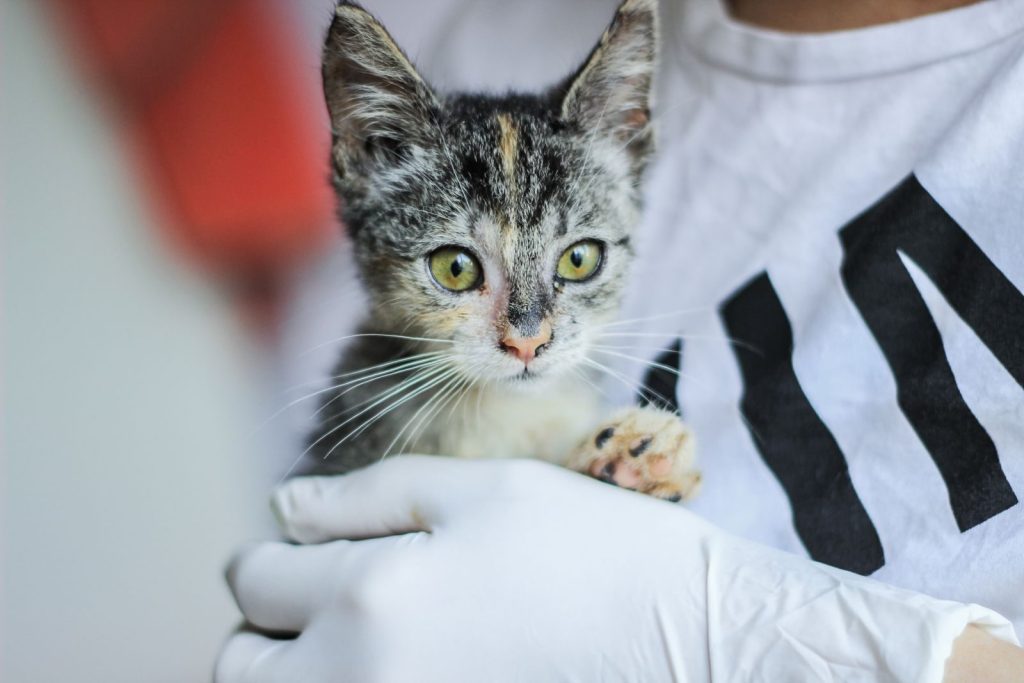
Securing a pet health policy during early kittenhood is the best way to keep rates low. Act quickly. According to consumer reports from the North American Pet Health Insurance Association, pre-existing conditions are never covered by standard insurance companies. Signing up early ensures your companion has vital protection before any genetic issues develop. But your care routine matters most of all.
Prioritizing Lifelong Preventive Care
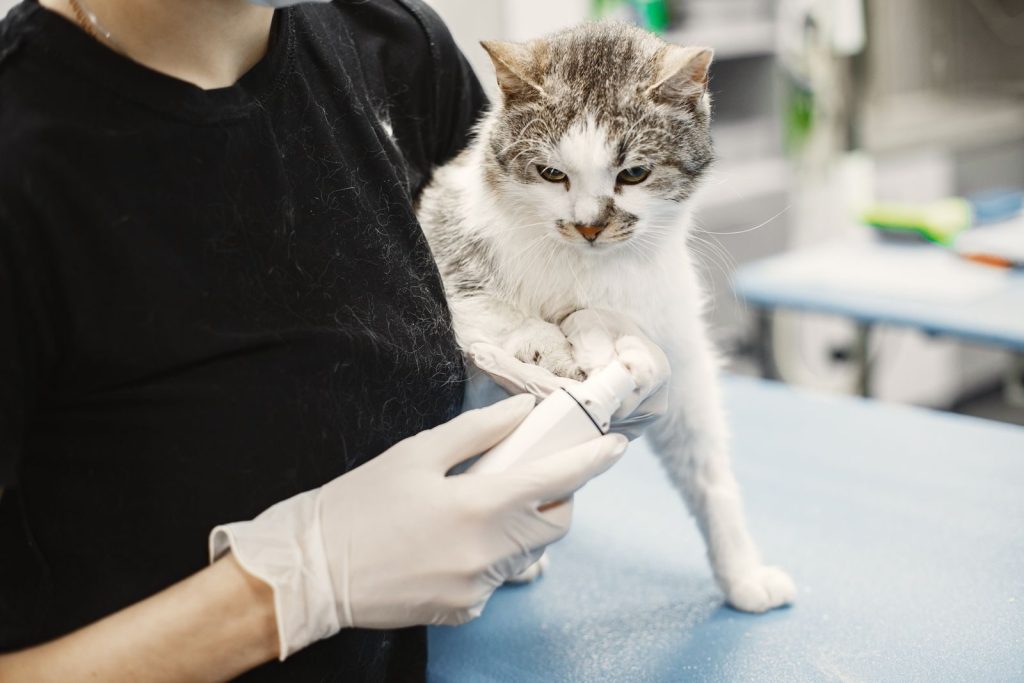
Regardless of breed choice, a healthy diet and regular vet checkups are the best insurance of all. Health is wealth. According to the American Veterinary Medical Association’s consensus guidelines, proactive care prevents minor issues from becoming major emergencies. This article is for informational purposes only and does not constitute veterinary or medical advice.
Featured Image: Photo by Sasha Kim on Pexels