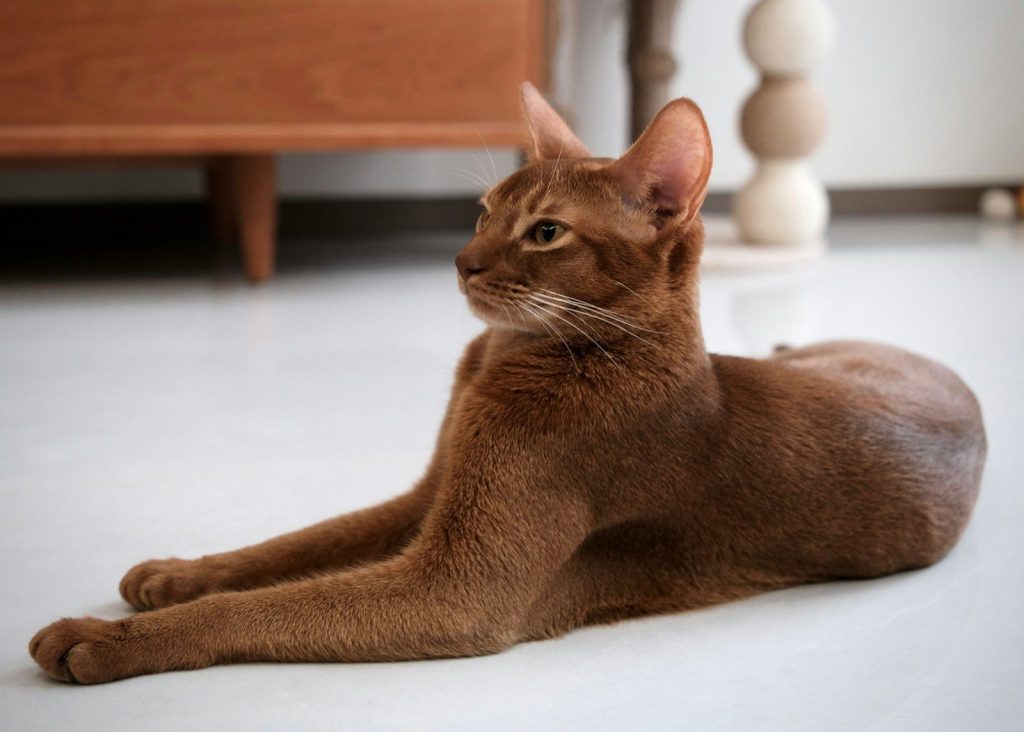

We imagine the ancestors of our household pets were always large and dangerous hunters. Most people assume the first feline resembled a massive modern lion or tiger.
But researchers have discovered a much more surprising truth about early animal history. The very first prehistoric cat was actually a small tree dweller.
Walking Through Ancient Forests
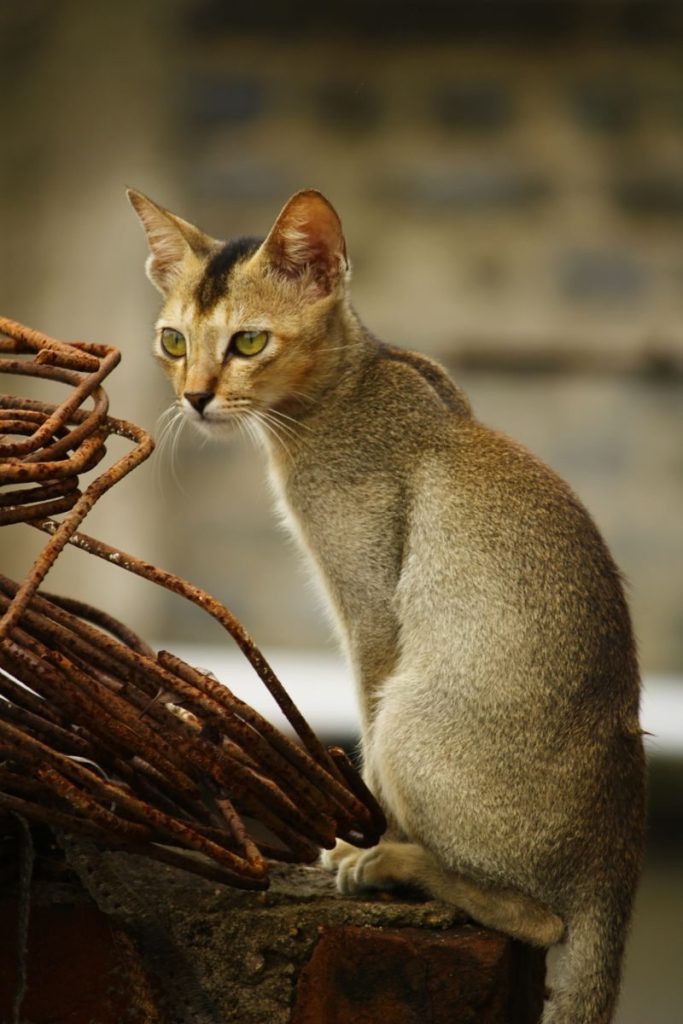
Long before modern pets slept on comfortable couches, a unique creature roamed ancient European woods. It was quite small. According to reports from the Paleobiology Database, this small mammal lived nearly thirty million years ago. Researchers believe it spent most of its time high in the tree canopy to avoid larger ground predators. But this ancient tree climber possessed a secret trait that changed everything.
Claws Built For Climbing
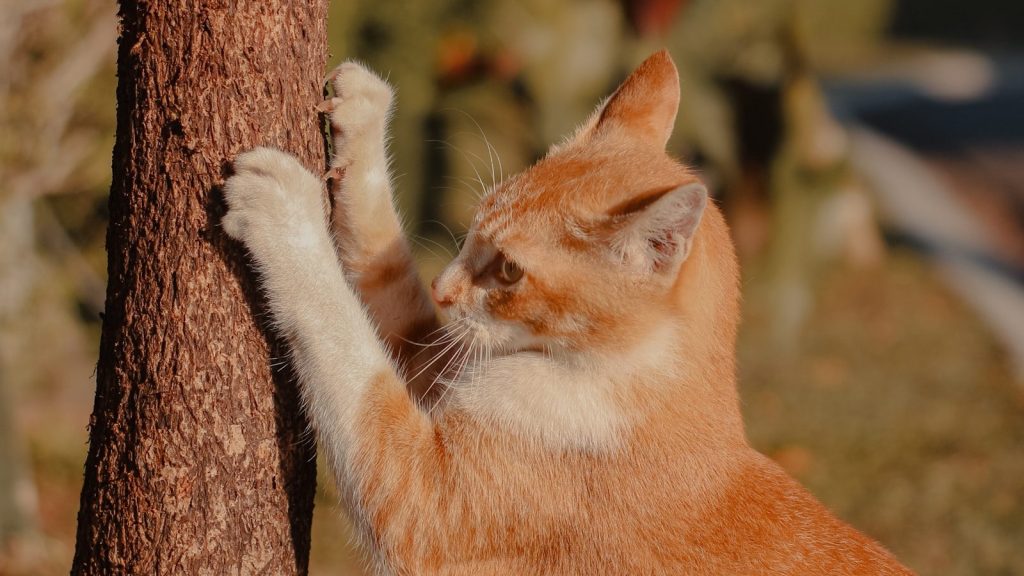
This prehistoric predator survived by moving gracefully through high branches. Moving was easy. According to anatomical studies from the American Museum of Natural History, this creature had claws that could partially retract. This physical feature allowed them to scale tree trunks and grasp limbs with incredible speed. But their claws were not the only remarkable tools they developed.
Eyes Designed For Darkness
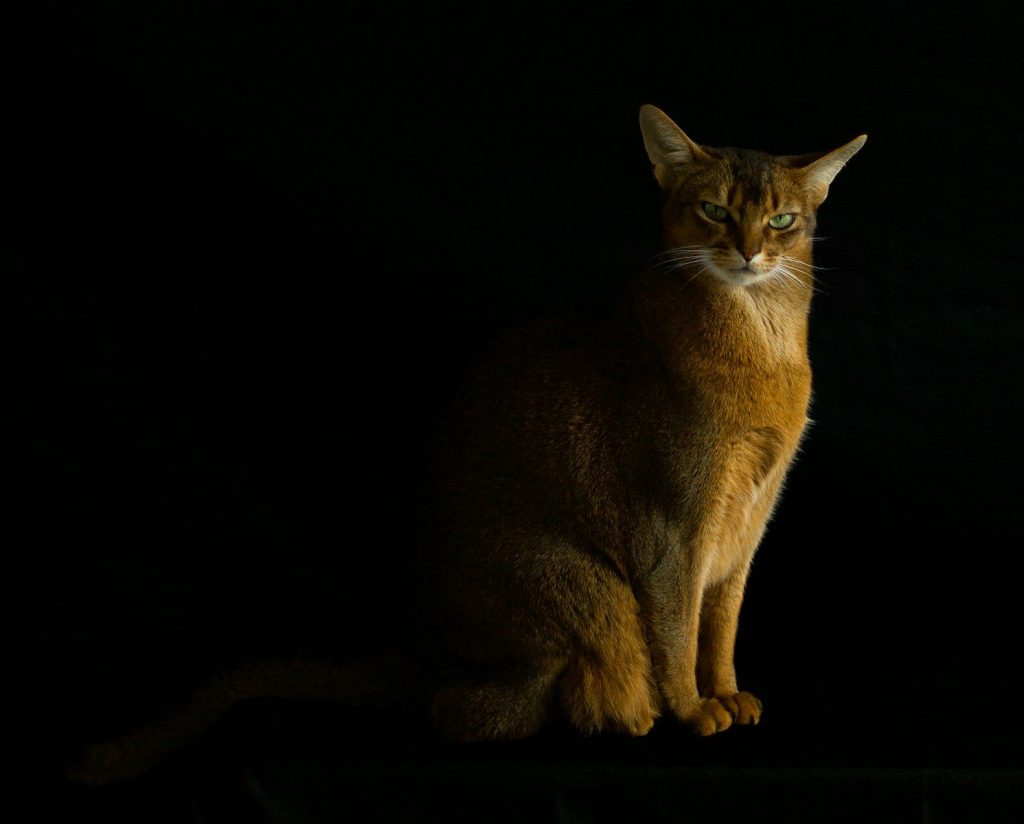
Hunting in the dense forest canopy required highly specialized senses. Vision was incredibly sharp. According to evolutionary reports from the Smithsonian Institution, these animals possessed very large eye sockets designed to capture minimal light. This adaptation allowed them to track insects and small lizards during the darkest nights. But their survival also depended on how they walked.
Perfect Balanced Agile Steps
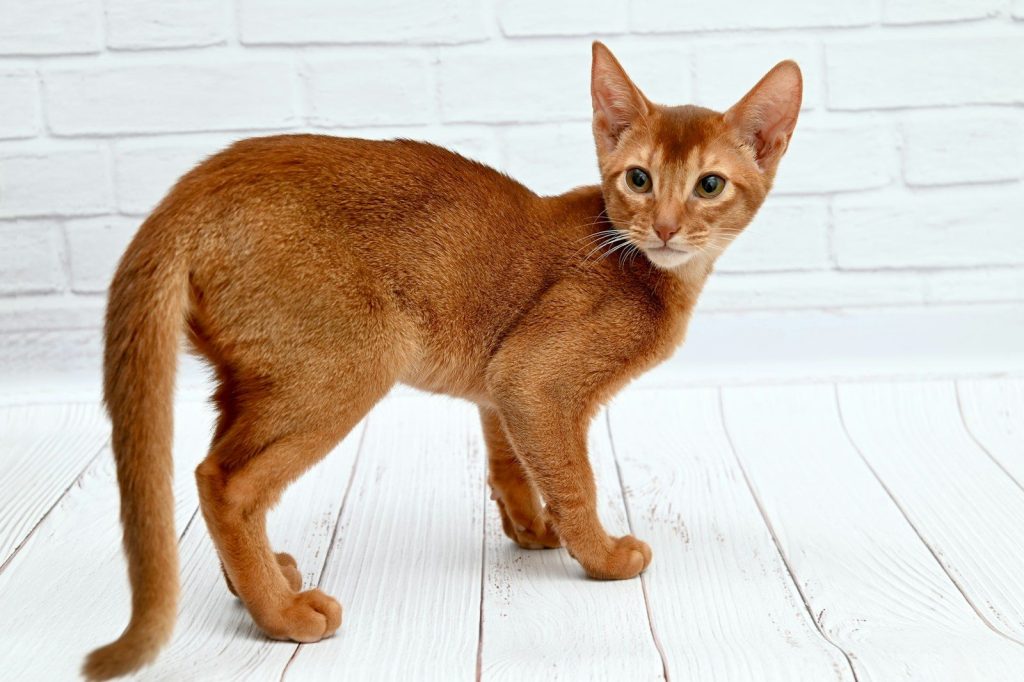
A long tail gave this ancient climber an incredible advantage when navigating narrow branches. They never fell. According to physical skeleton models from the Museum of Vertebrate Zoology, their long bodies allowed for perfect weight distribution. This physical balance helped them leap great distances between treetops without making a sound. But their forest home was about to change.
Stepping Onto The Ground
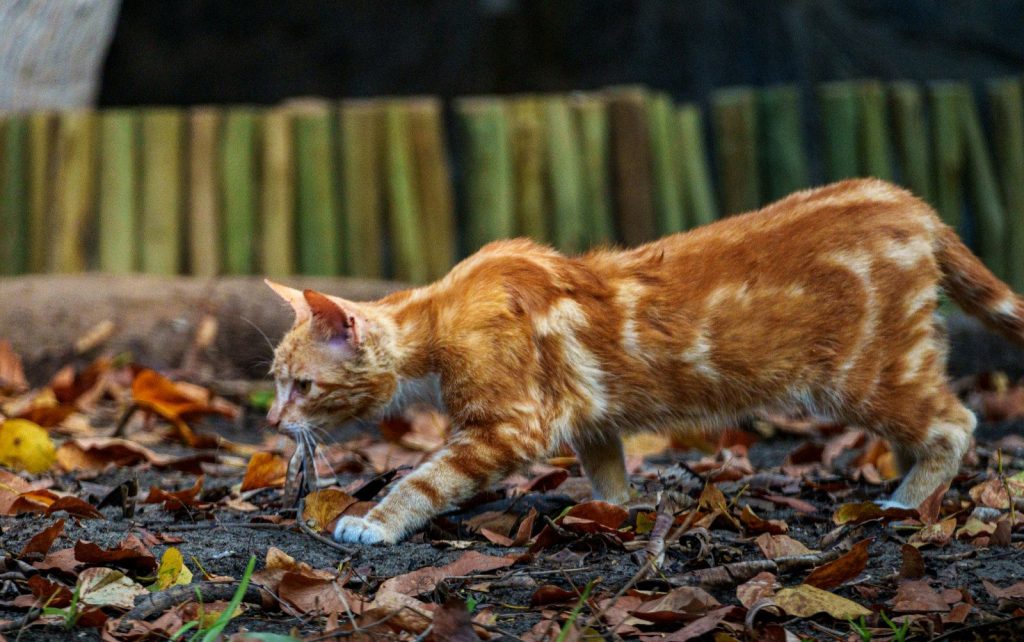
As forests began to shrink millions of years ago, these felines had to adapt. They had to hunt. According to climate studies from the National Science Foundation, changing environments forced these tree dwellers to forage on the forest floor. This shift pushed them to evolve longer legs and stronger muscles for running. But this transitional phase led to an even bigger evolutionary leap.
Birth Of The Felids
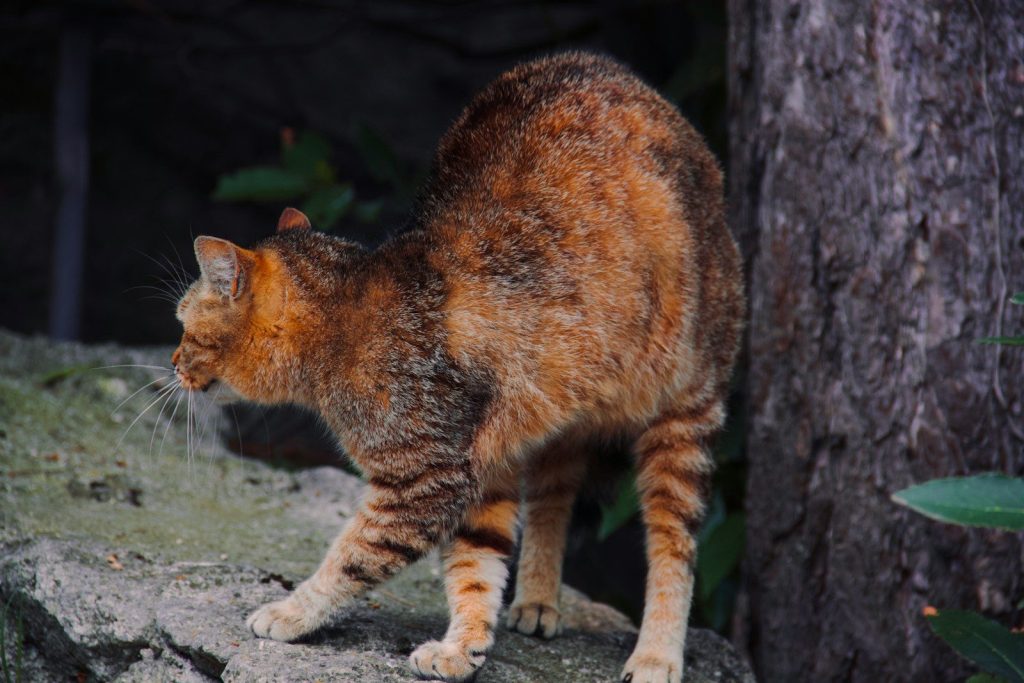
The traits developed by this ancient creature laid the groundwork for all future cats. Evolution took over. According to phylogenetic research from the University of California, this animal is recognized as the direct ancestor of all modern felines. Their survival strategy was so successful that it branched out across the entire globe. But one final detail connects this fossil directly to your living room.
Ancient Wild Roots Remain
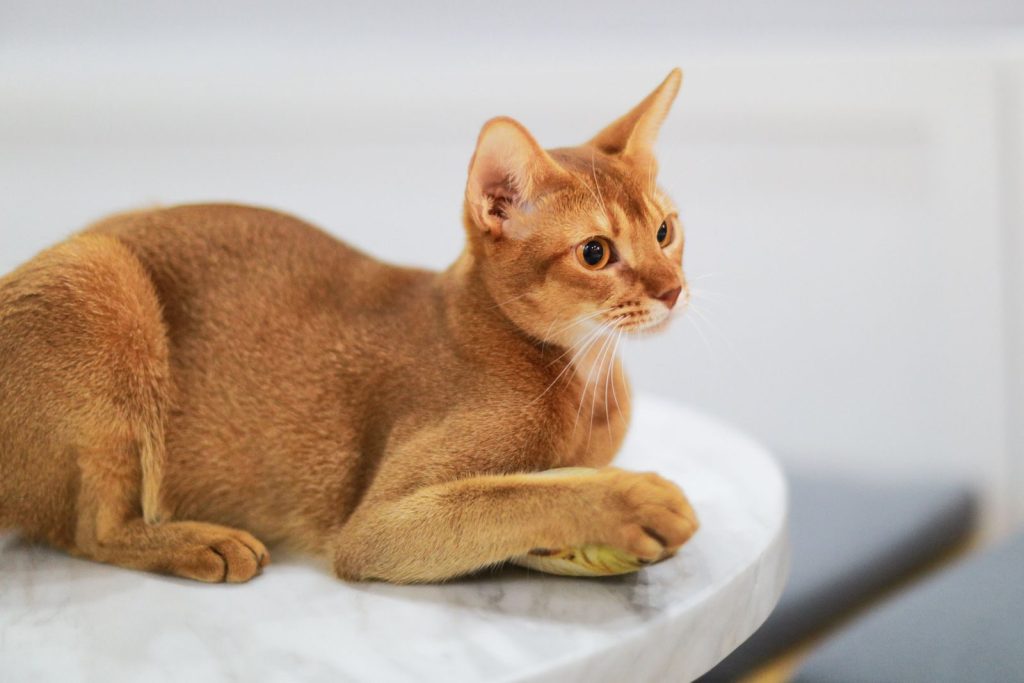
Your friendly domestic cat still shares the same flexible spine and sharp instincts as their ancient relative. Their wild heritage is clear. According to genetic data from the Cornell Feline Health Center, thousands of years of evolution have kept these fundamental physical survival traits intact. Appreciating this ancient history helps us understand the amazing felines that share our homes today. This article is for informational purposes only.