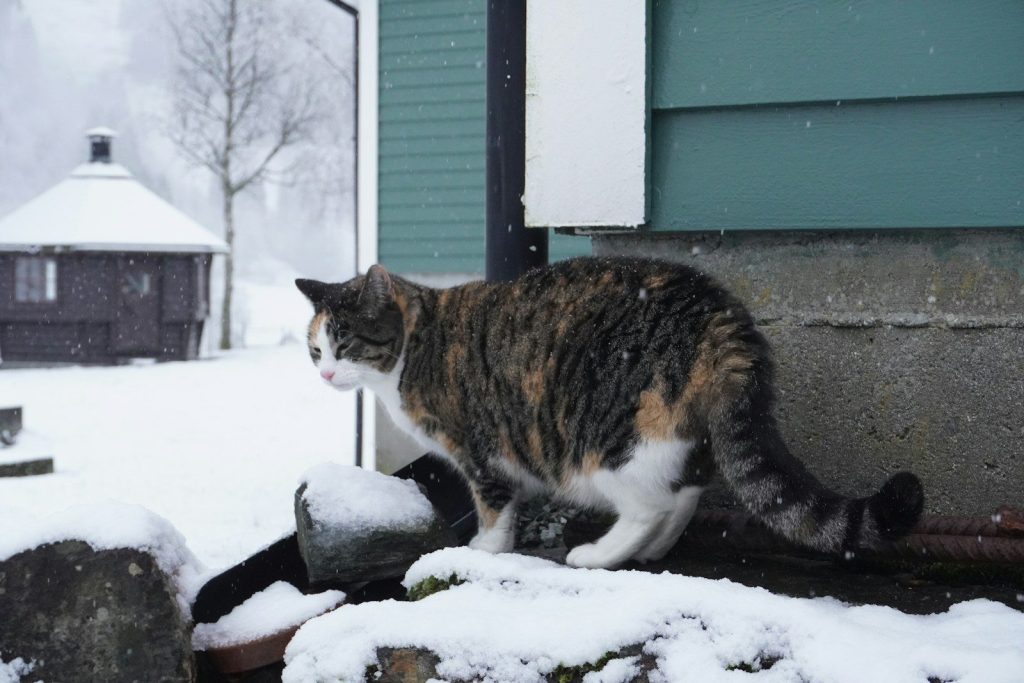

Most animal lovers assume that modern rescue shelters have plenty of warm beds for every homeless pet. We expect that local resources are always available to shield animals from harsh winter weather.
But a sudden cold snap left several vulnerable felines shivering without a safe place to sleep. A group of volunteers had to build custom structures overnight to save their lives.
Searching For Warm Spaces

A sudden freeze in Oregon left local shelters completely overwhelmed with homeless animals. They had no space left. According to reports from the Humane Society, freezing temperatures pose an immediate threat to outdoor felines. Volunteers realized they had to create dry structures immediately to protect the shivering colony. This urgent challenge forced them to search for scrap materials in the workshop.
Building Insulated Nests
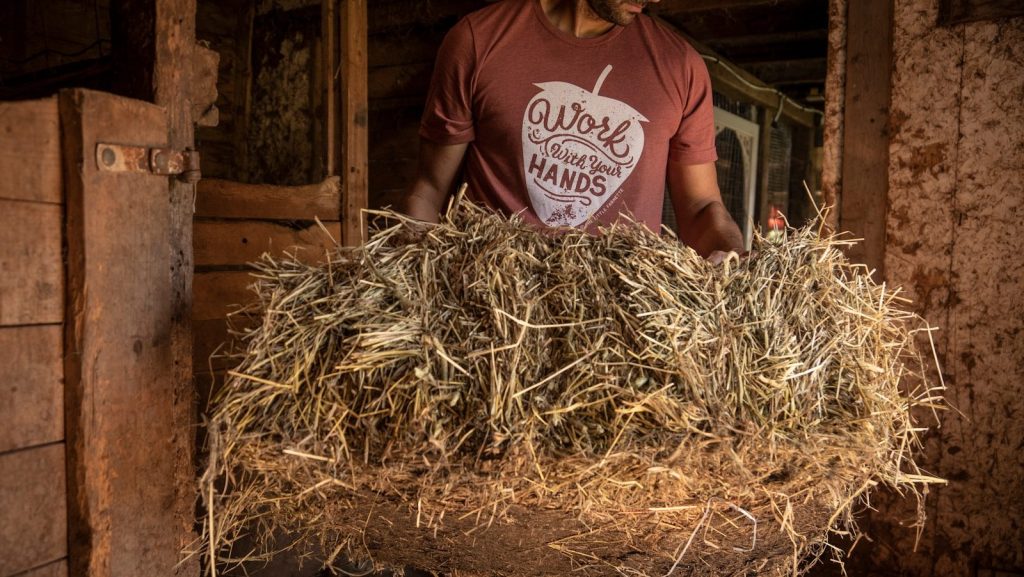
The team gathered cedar wood, thick foam boards, and straw to construct dry nesting boxes. They worked tirelessly. According to the American Veterinary Medical Association, straw is the best nesting material because it repels moisture. Towels and blankets can freeze, making the cold even more dangerous for small animals. They worked through the night to complete the project before the next storm arrived.
Placing The Shelters
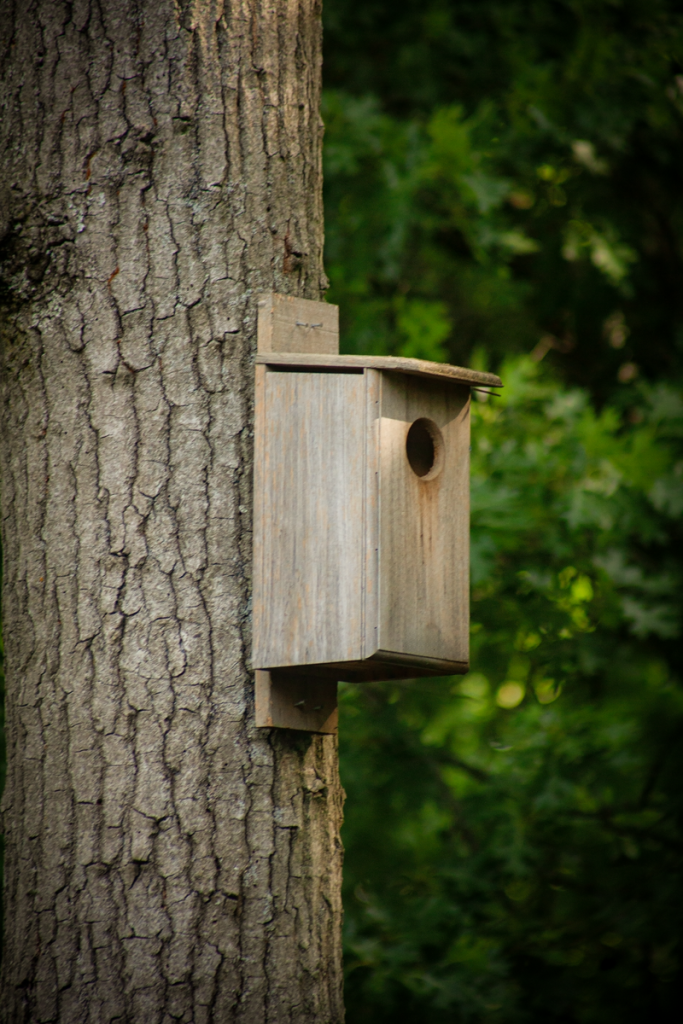
Volunteers carefully placed the insulated boxes in quiet wooded areas behind the local park. They were hidden. According to feral cat guidelines, placing shelters in low-traffic zones encourages stray animals to use them. The team left some dry food near the entryways to entice the felines inside. They stepped back into the shadows to monitor the empty boxes.
The First Arrival
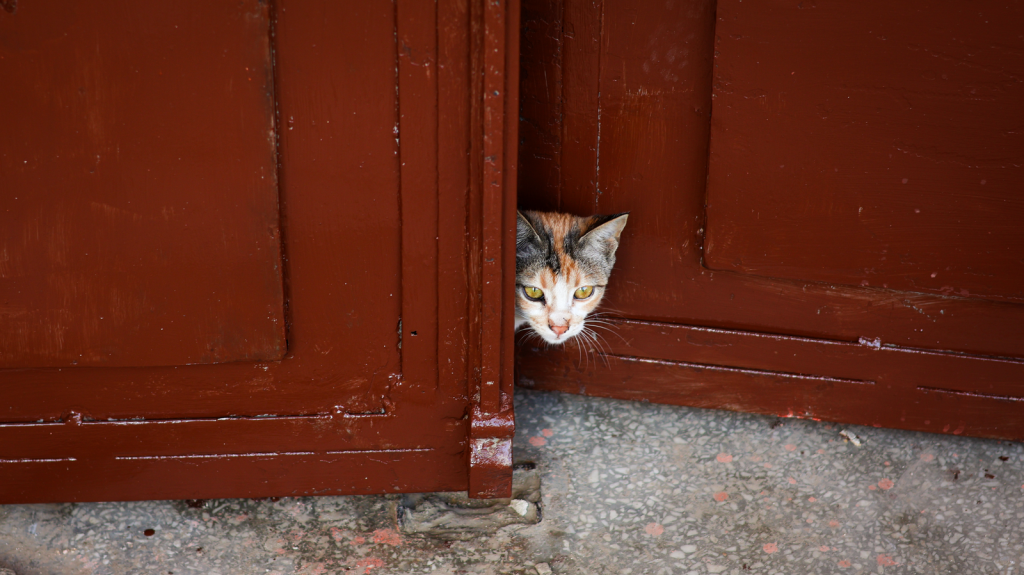
A thin calico cat slowly crawled out from a pile of wet leaves to investigate the box. She was cautious. According to animal behaviorists, stray felines rely heavily on their sense of smell to evaluate new objects. She sniffed the dry straw before crawling through the circular door. Her brave move would soon show the other watching animals that the space was safe.
Seeking Collective Warmth
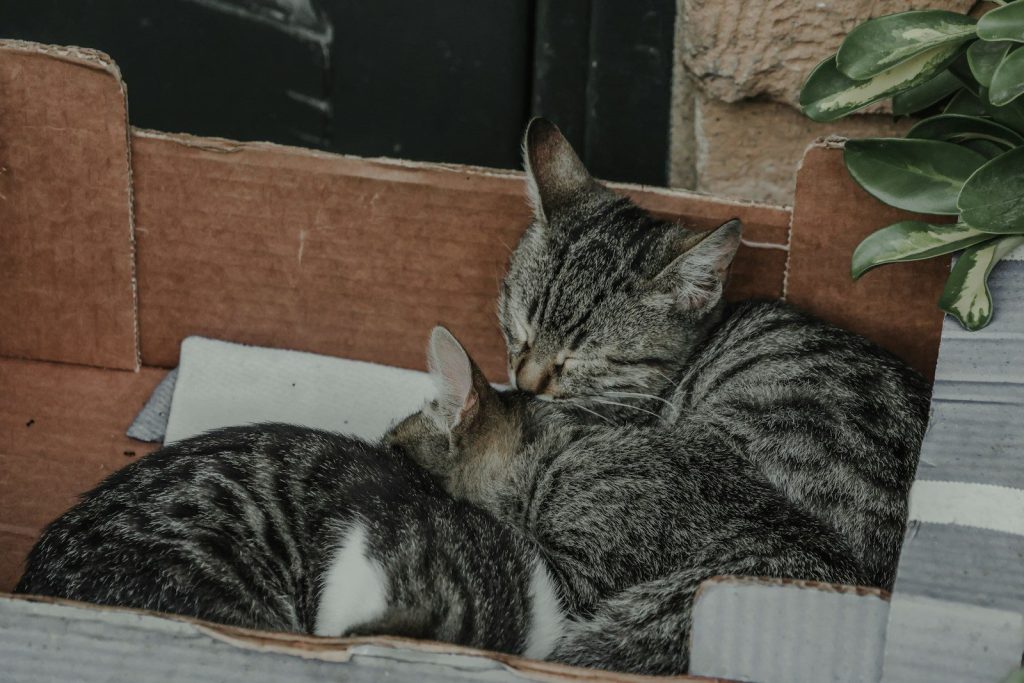
Within minutes, several other shivering cats emerged from the brush and ran toward the warm wooden castle. They crawled inside. According to reports from the ASPCA, cats will pack themselves tightly together to share body heat during freezing weather. This natural behavior helped keep their internal temperatures stable. But the volunteers knew the colony still needed long-term support to survive.
Managing Daily Meals
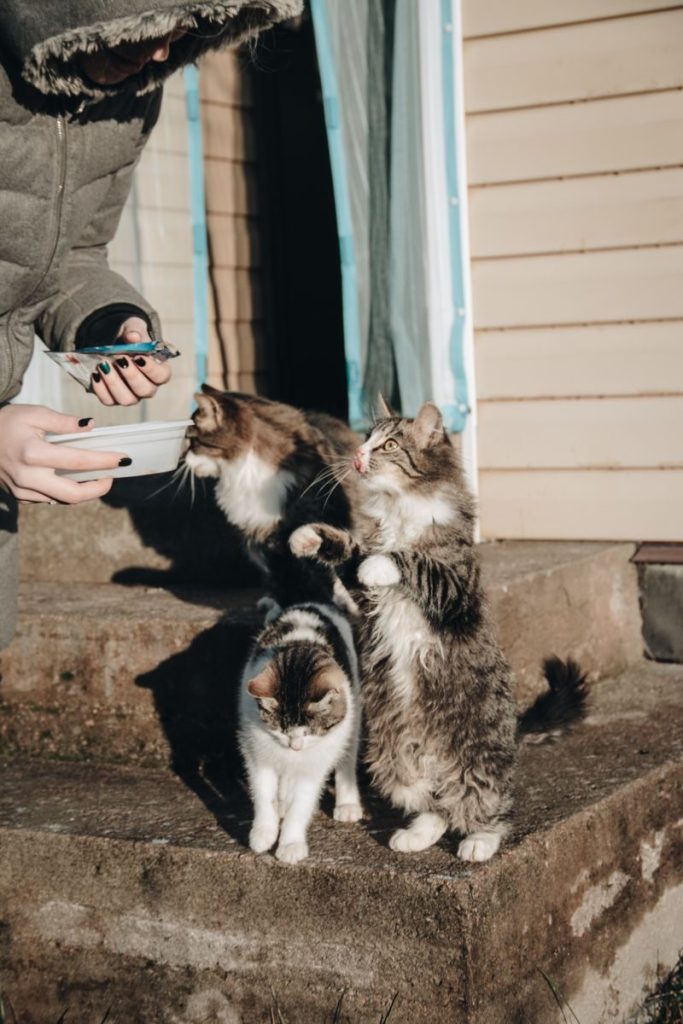
The rescue team returned to the site daily to deliver fresh meals and warm water. They worked hard. According to veterinary guidelines, consistent feeding is vital for outdoor felines to maintain their energy levels. The extra calories help them fight off common respiratory infections during winter. Soon, the cats began to associate the volunteers with safety.
Stabilizing Feral Colonies
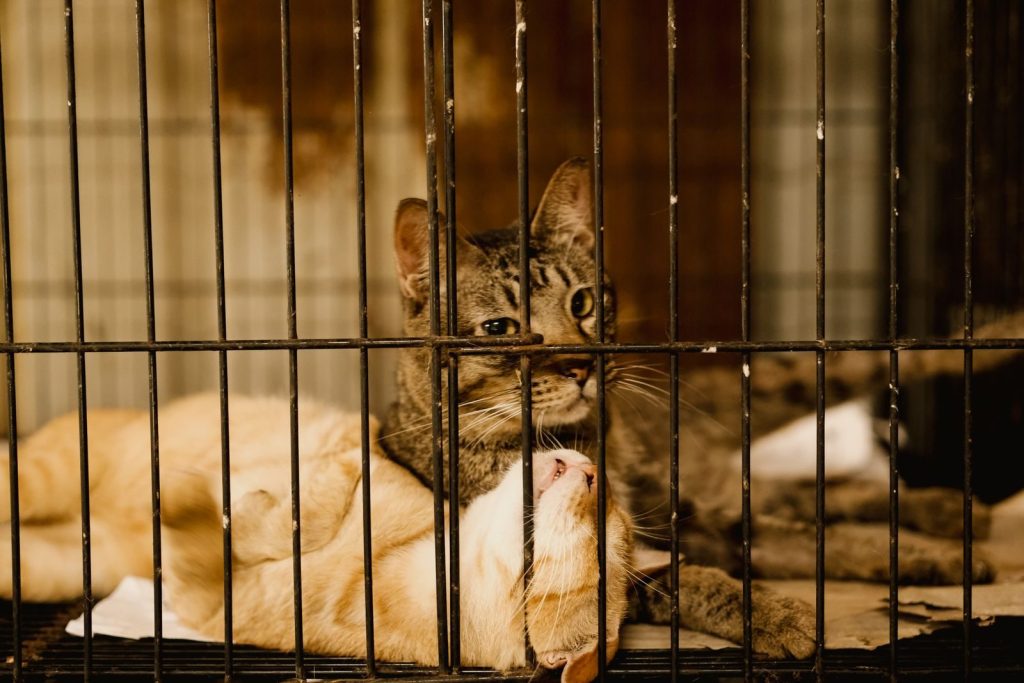
The volunteers worked with local clinics to trap, neuter, and return the entire group. It was successful. According to veterinary reports, managing colonies is the most effective way to stabilize stray populations. This community effort brought immense relief to the neighborhood. The local residents agreed to monitor the shelters daily to ensure their safety.
A Safe Winter
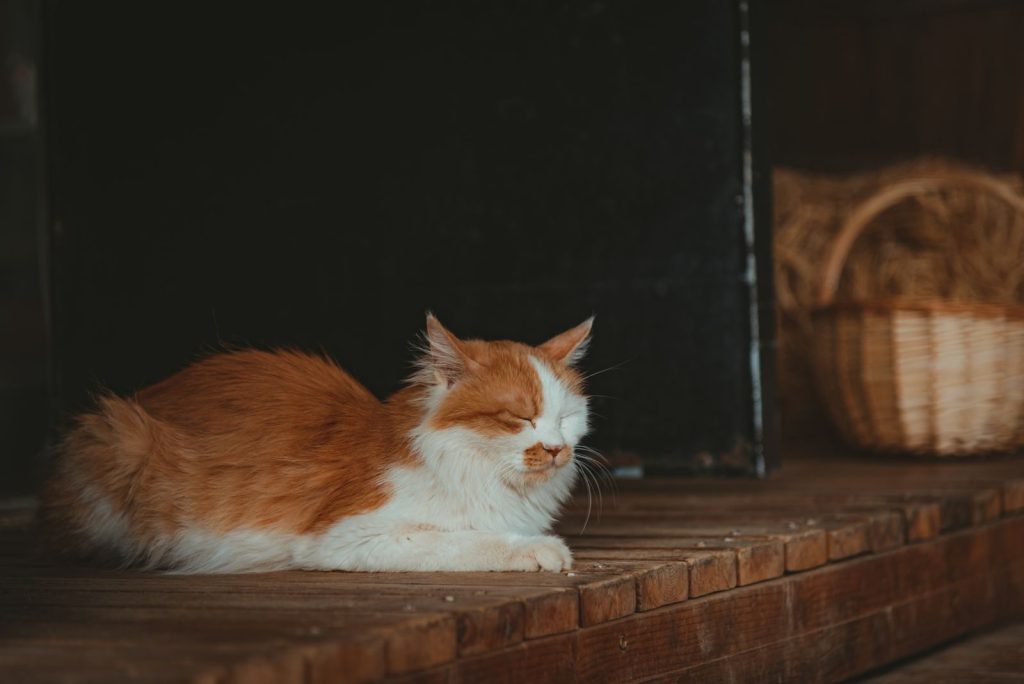
Today, the healthy cats live comfortably inside their dry, insulated shelters. They are warm. This article is for informational purposes only and does not constitute veterinary advice. With proper care and community dedication, even the most vulnerable rescues can find a safe sanctuary.
Featured Image: Photo by Yueliang Sun on Unsplash