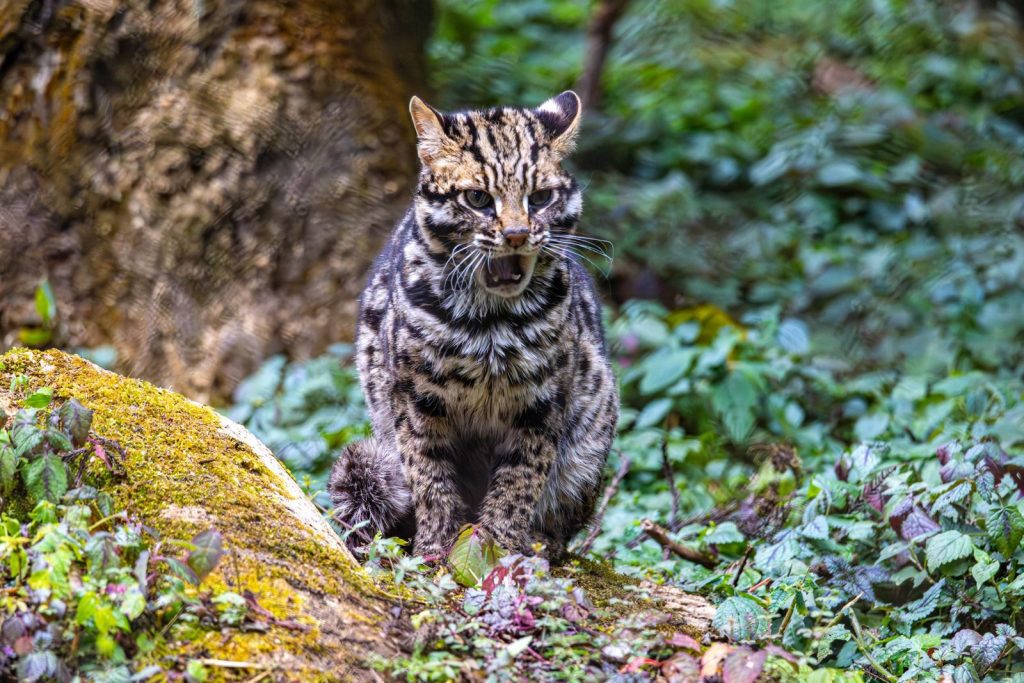

We often think of large lions and leopards as the most dangerous predators in the animal kingdom. They are intimidating.
But some of the most efficient, successful hunters are actually the size of your house cat. Which tiny wild felines are surprisingly lethal?
The Tiny Black Footed Hunter
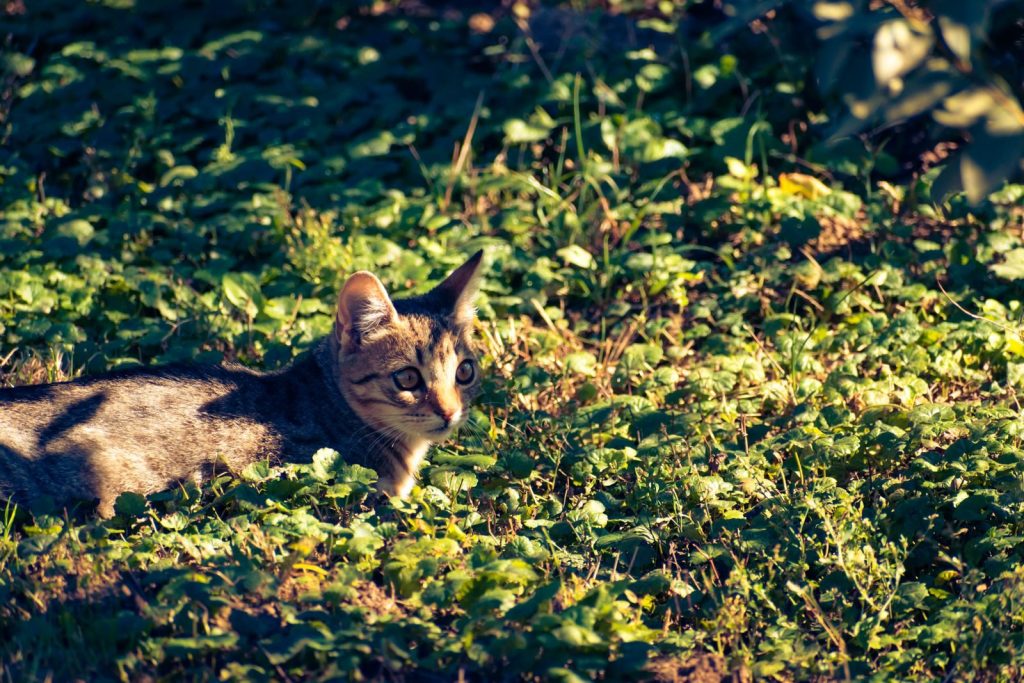
The black-footed cat is the smallest wild feline in Africa, weighing only a few pounds. But do not let their cute face fool you. According to reports from the Smithsonian Institution, this tiny predator has an incredible sixty percent hunting success rate. They catch more prey in a single night than a large leopard does.
A Relentless Nightly Search
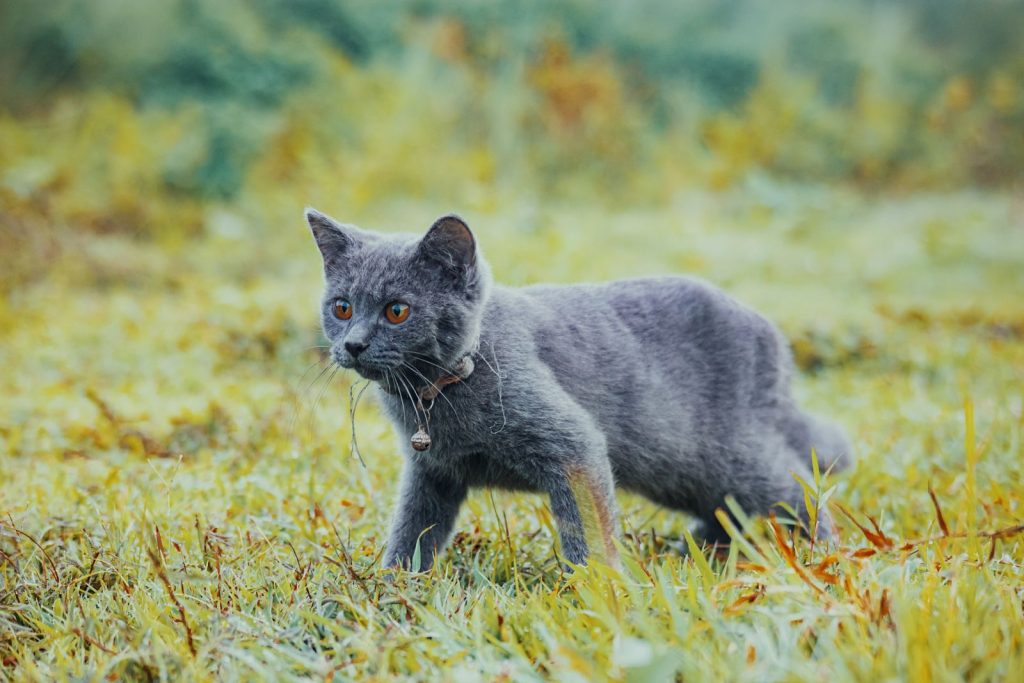
These small predators must eat constantly to support their incredibly high metabolism. They hunt all night. They will walk up to twenty miles in search of small rodents and birds, using stealthy movements to stay hidden. This high activity level makes them highly efficient.
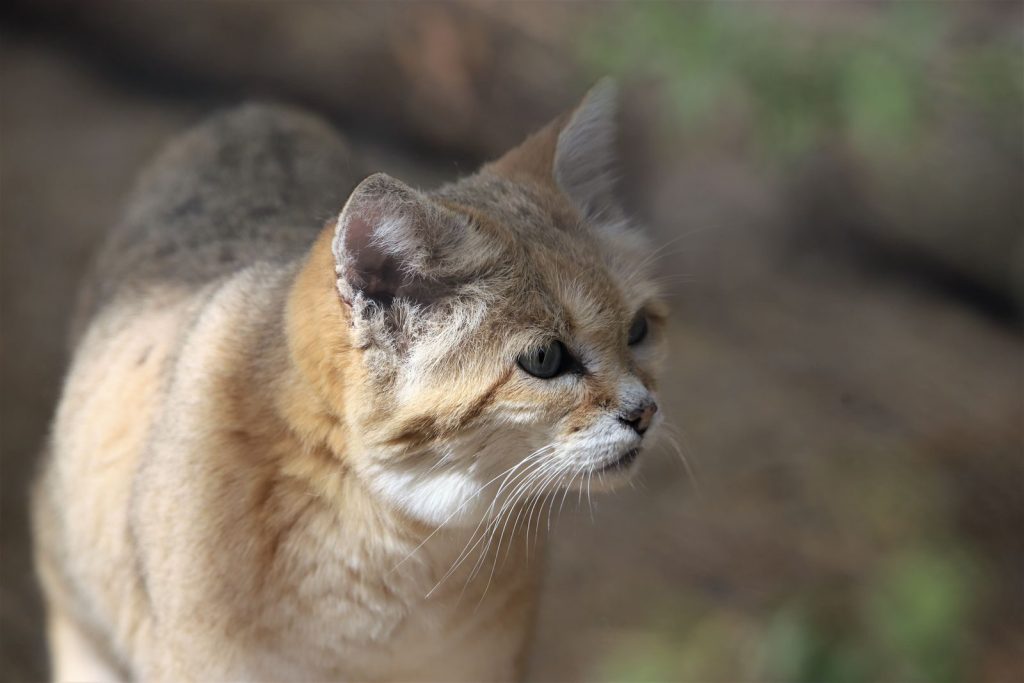
The Sand Cat Desert Master
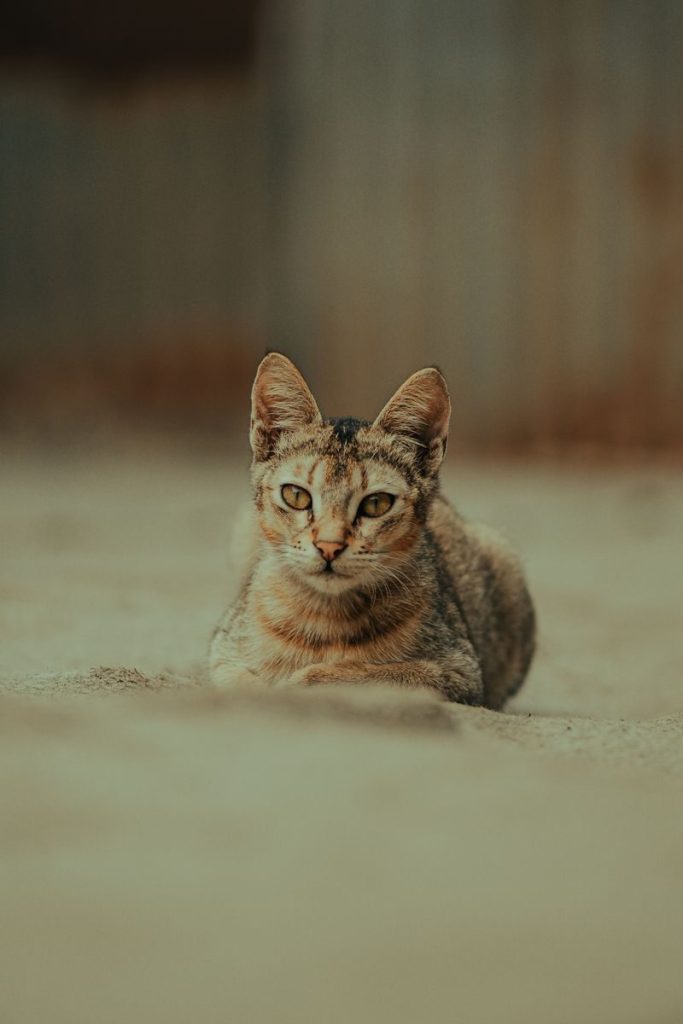
Sand cats are uniquely adapted to survive in some of the harshest deserts on Earth. They are tough. Their thick paw fur protects them from hot sand, while their wide ears detect underground prey. They can survive without drinking water, getting all their hydration from their catch.
The Fishing Cat Water Expert
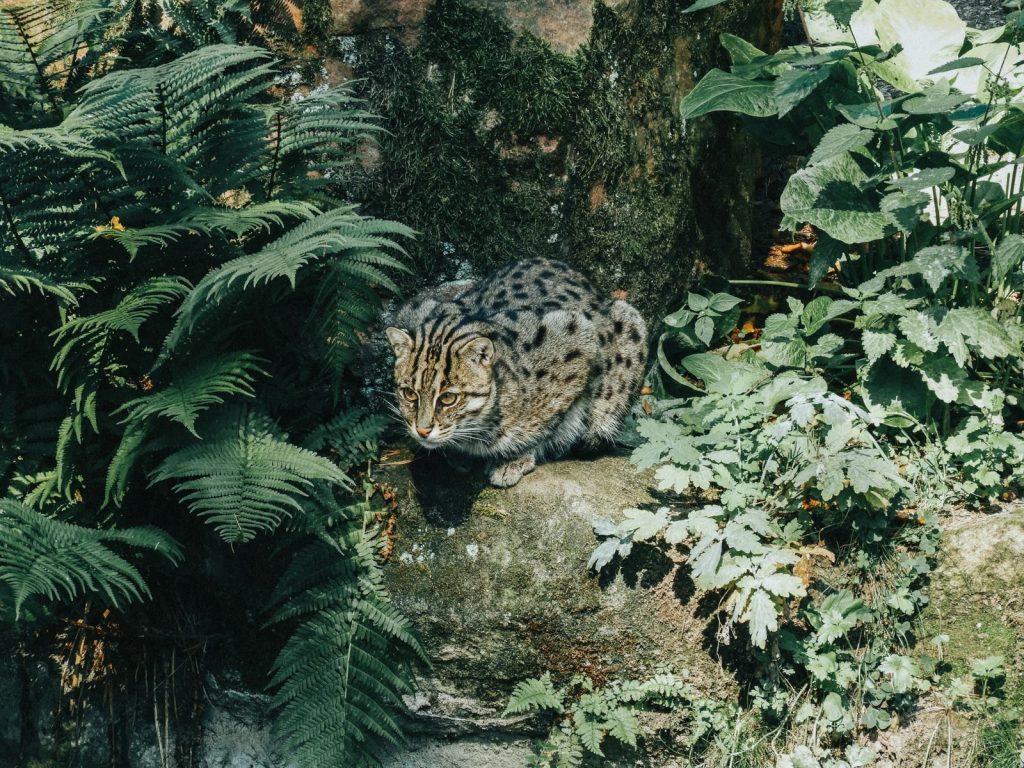
Unlike most domestic cats, the fishing cat is an absolute master of the water. They swim. They have webbed paws that help them glide through rivers to catch fish and frogs. This unique adaptation allows them to hunt in areas that other felines avoid.
Pallas Cat Fluffy Survivalist
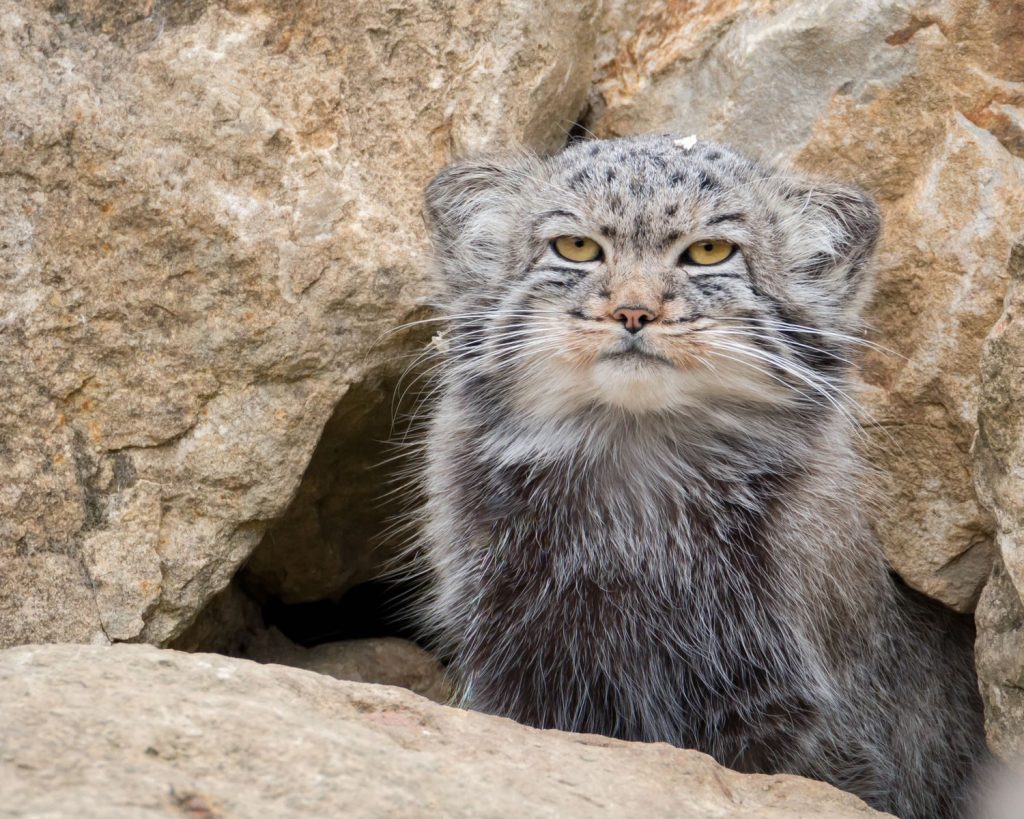
Pallas cats have incredibly thick fur that keeps them warm in freezing mountain climates. They look chunky. They are terrible runners, so they rely heavily on stealth and patience to catch food in the rocks. This slow hunting style requires immense focus.
According To Wildlife Research

According to reports from the International Union for Conservation of Nature, many of these small wild cats face real threats to their survival. Habitat loss and climate change are disrupting their natural hunting grounds. Supporting local wildlife conservation groups is vital to protect these unique predators.
Appreciating Their Successful Design
These tiny hunters prove that size has nothing to do with predatory success in the wild. They are masterpieces of evolutionary design. Enjoying their wild beauty from a safe distance helps us appreciate the incredible feline family.
Featured Image: Photo by Regan Dsouza on Pexels