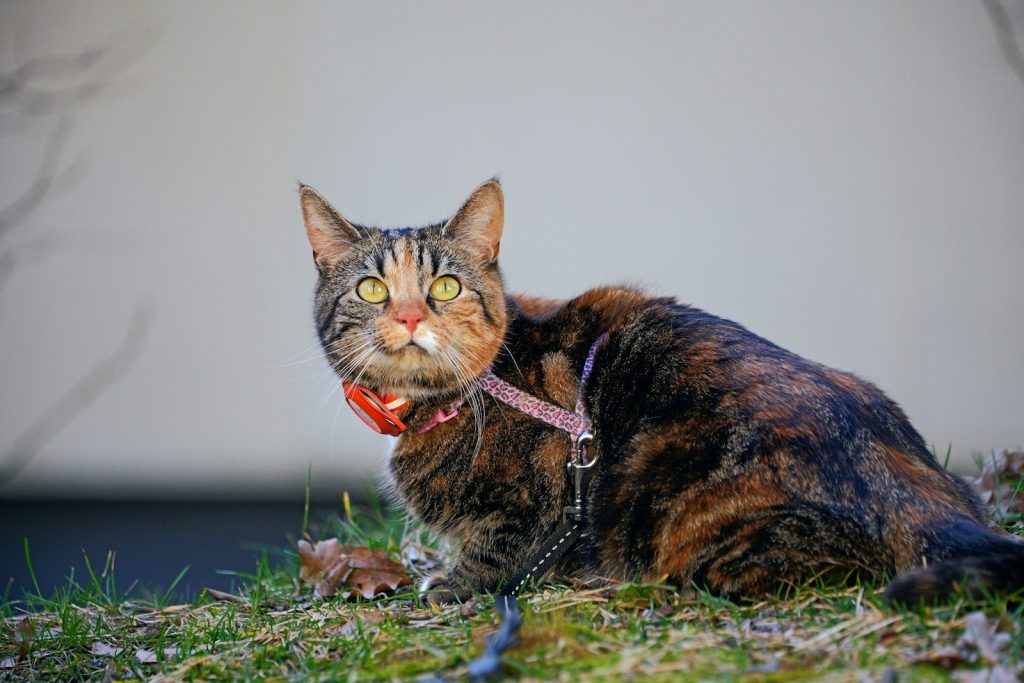

Many pet owners assume leash walking is a trick reserved only for dogs. They believe felines will only hiss, fight, or flop over on the floor.
But with the right technique, even the most stubborn pet can learn to enjoy outdoor adventures. How can you transform your angry cat into a professional walker?
Start Inside With the Harness
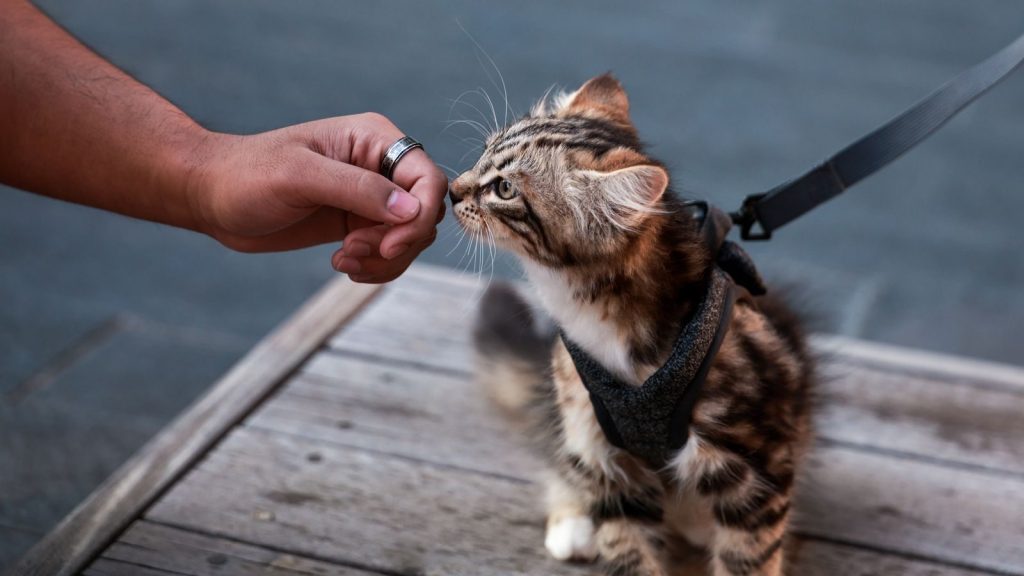
Never try to attach a leash and walk outside on the very first day. This causes panic. Start inside by letting your cat sniff the harness on the carpet. Place a delicious treat nearby to build a positive association with the gear. This slow introduction is vital. You must watch their body language closely.
Wear It During Meal Times
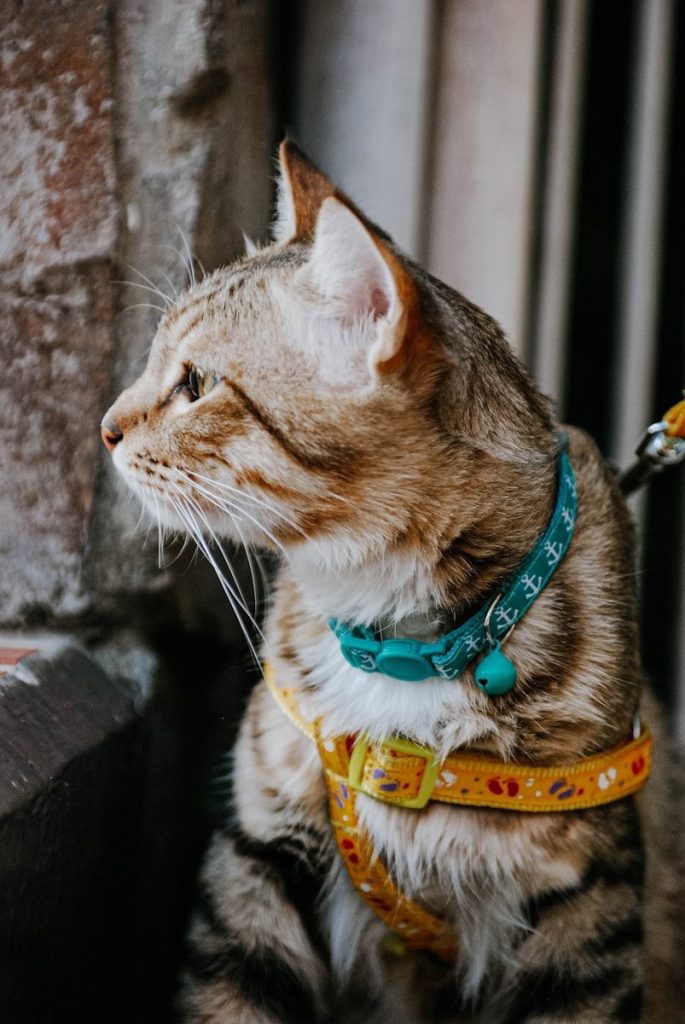
Once they tolerate the smell, gently slip the harness on without buckling it. Feed them their favorite wet food immediately. This distraction helps them associate the physical pressure of the straps with something wonderful. According to reports from the Humane Society, short sessions are most effective. This patience will prevent their typical angry reaction.
Introduce The Light Leash

Buckle the harness and attach a lightweight leash inside the living room. Let your pet drag it behind them as they walk. Keep a close eye on them to ensure the leash does not get caught on furniture. Offer high-value treats whenever they take a step forward. This practice builds their confidence before the big move.
The First Step Outside
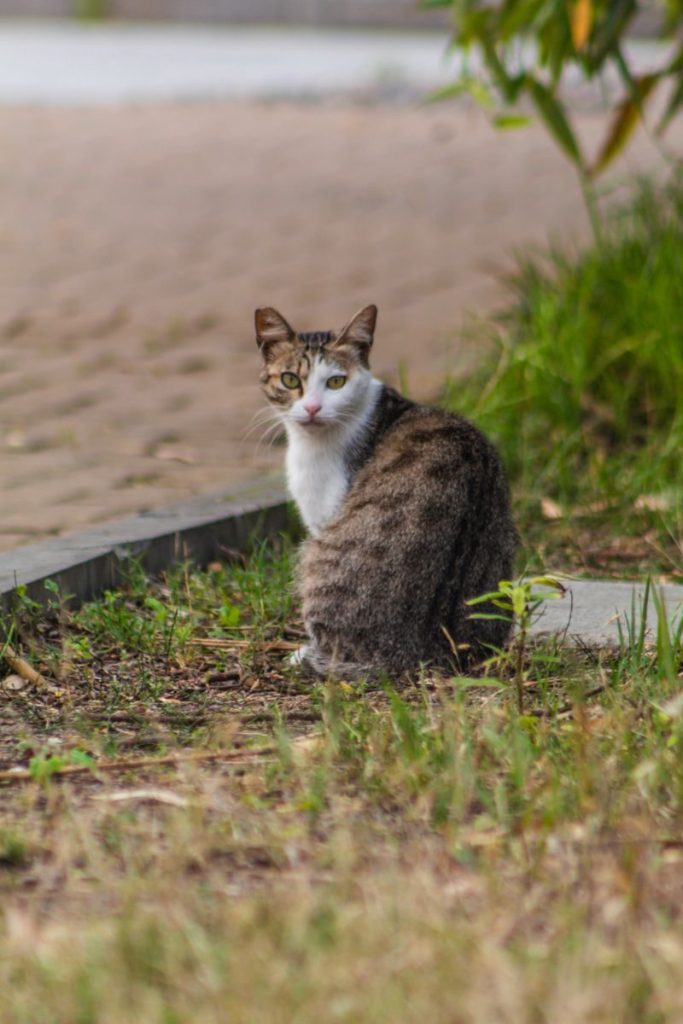
Carry your cat to a quiet, grassy area in your backyard for their first outdoor session. Do not force them to walk. Let them sit quietly in the grass, taking in the new smells and sounds. According to the American Veterinary Medical Association, a quiet environment prevents sensory overload. This gentle exposure is critical.
Let Your Pet Lead
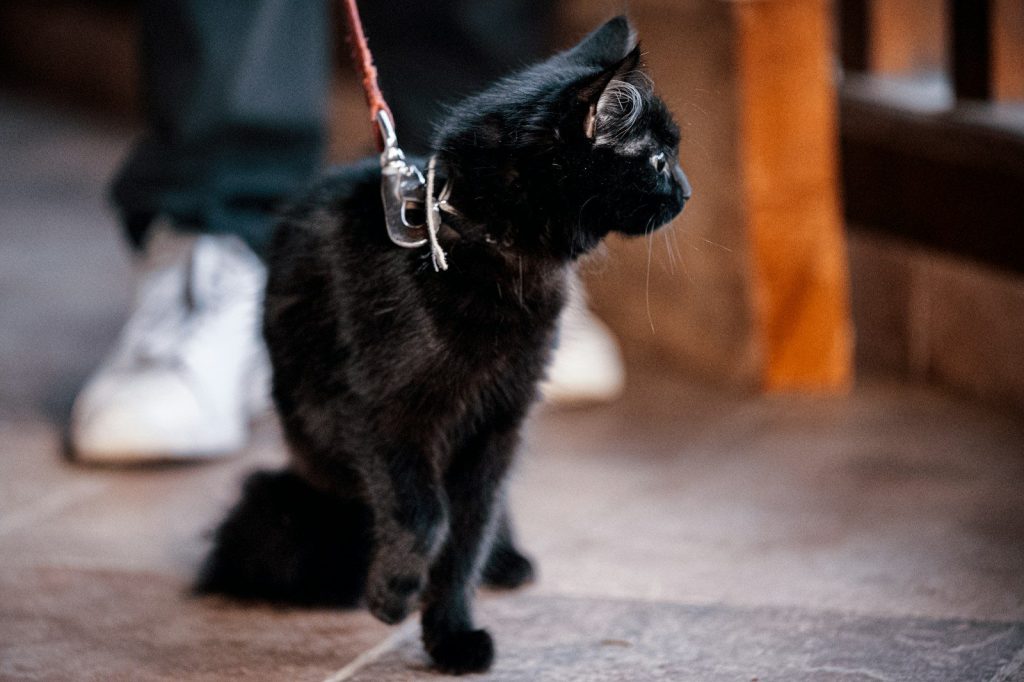
Unlike dogs, felines prefer to lead the walk rather than follow your steps. Let them choose the direction while you walk slowly behind. Keep the leash loose to avoid triggering their flight response. If they freeze or hiss, gently carry them back inside the house. This boundary ensures they feel safe. There is another critical rule.
Avoid Walking Near Busy Roads
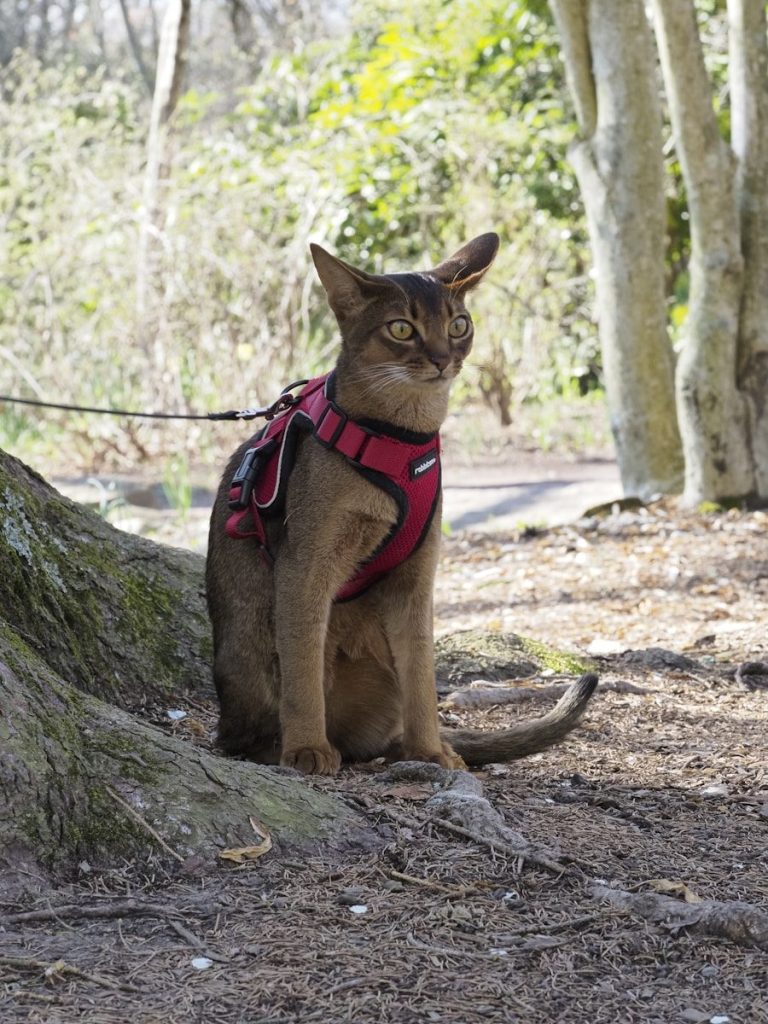
Avoid walking your cat near busy streets or popular dog parks. Dogs can easily frighten your pet, causing them to slip out of their harness. Seek quiet backyard gardens or secluded trails for your daily walks. This precaution keeps your pet safe from unexpected encounters. Fortunately, there is a simple way to reward their hard work.
Reward Their Brave Steps
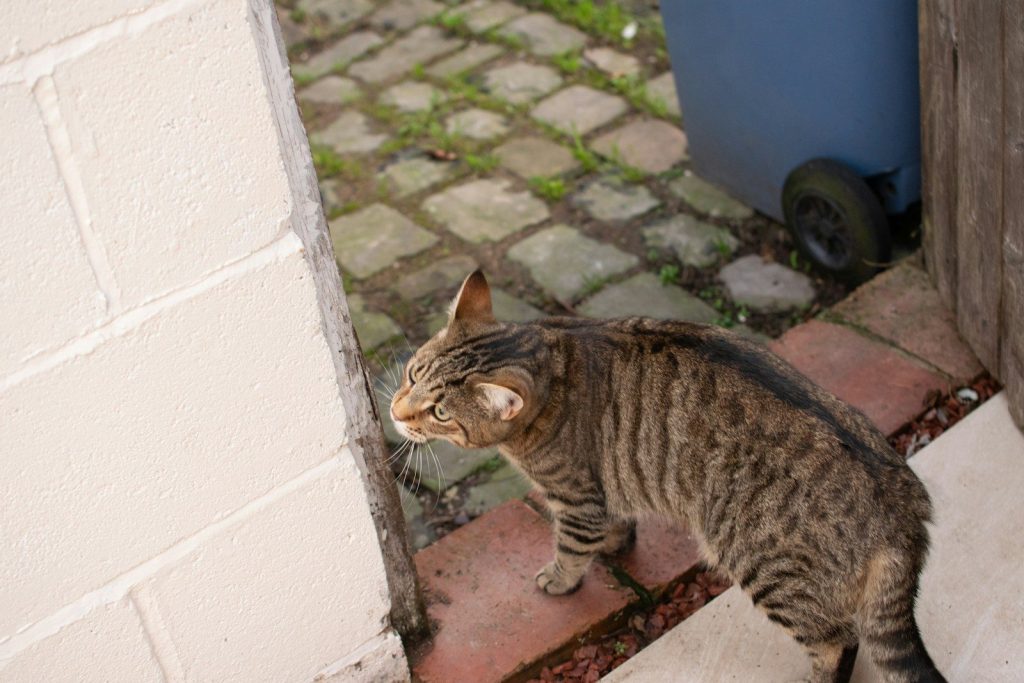
Always end your outdoor walks with a delicious treat and gentle praise inside the house. This positive reinforcement seals the good memory of the walk. Over time, your once-angry pet will run to the door whenever you grab the harness. This consistency wins their trust. You must still consult a professional before you start.
Speak With Your Family Vet

Verify your pet’s vaccinations are up to date before exploring the outdoors. This article is for informational purposes only and does not constitute veterinary advice. Your careful planning ensures a safe, happy adventure for your beloved companion.
Featured Image: Photo by Alex Skobe on Unsplash