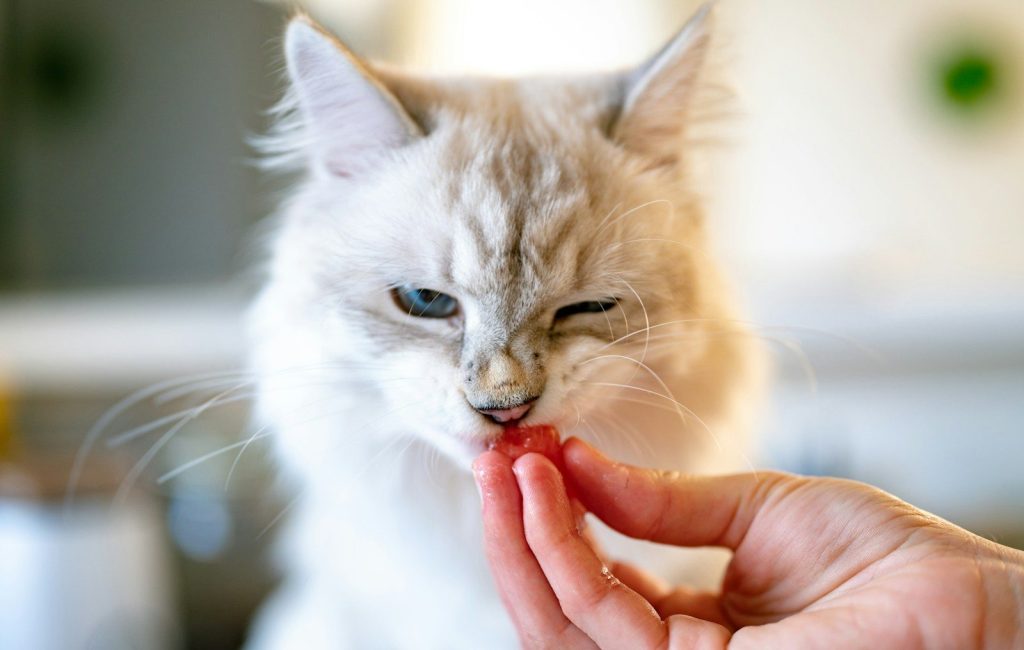

Waking up to find your tiny kitten massaging your face with their paws is a common experience. It is incredibly sweet.
While this behavior, often called making biscuits, is highly adorable, it actually has a deeper psychological meaning. Why does your pet choose your face?
A Deep Instinct From Birth
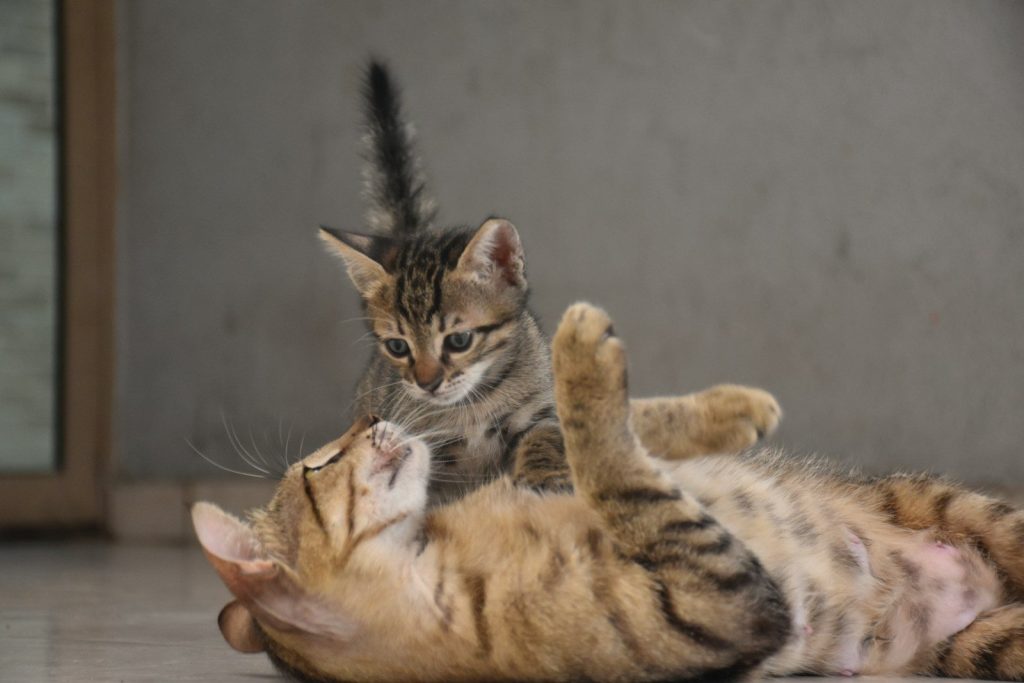
Newborn kittens knead their mother’s stomach to stimulate milk flow during nursing sessions. It is instinctive. As they grow older, they continue this comforting rhythmic motion whenever they feel safe and secure. When your kitten kneads your face, they are treating you exactly like their birth mother. This display of trust is the ultimate compliment. But there is a physical reason too.
Scent Marking For Pure Ownership
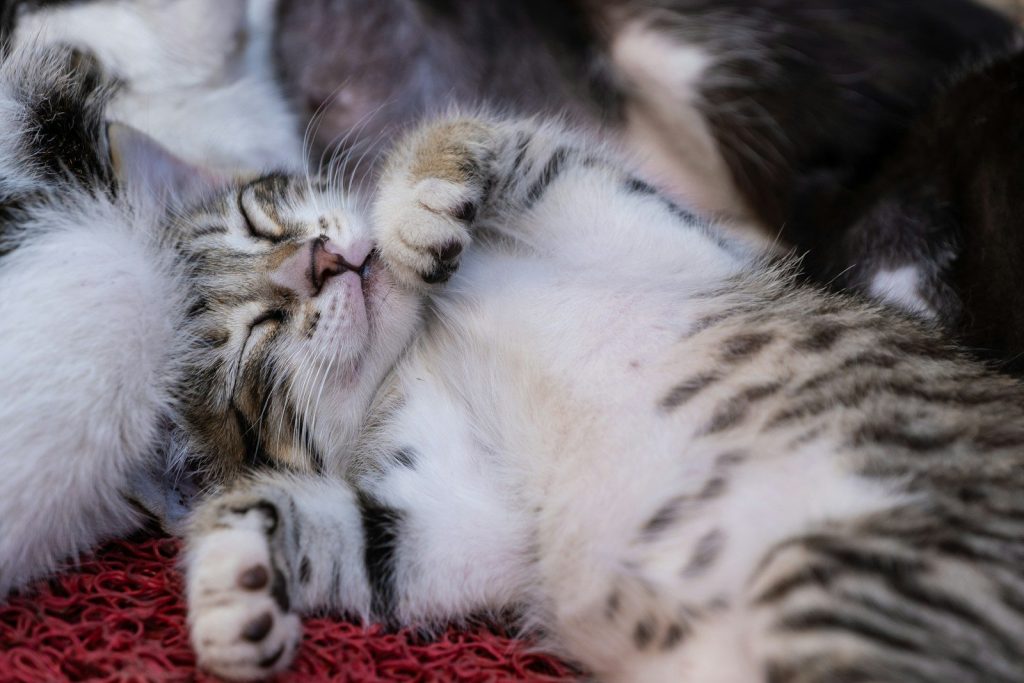
Felines possess tiny, specialized scent glands located in the soft pads of their paws. They release pheromones. By kneading your face, your kitten is actually depositing their scent to claim you as safe territory. According to the American Veterinary Medical Association, this behavior signals to other animals that you belong to them. They are marking you with love.
Showing Unconditional Love and Bonding
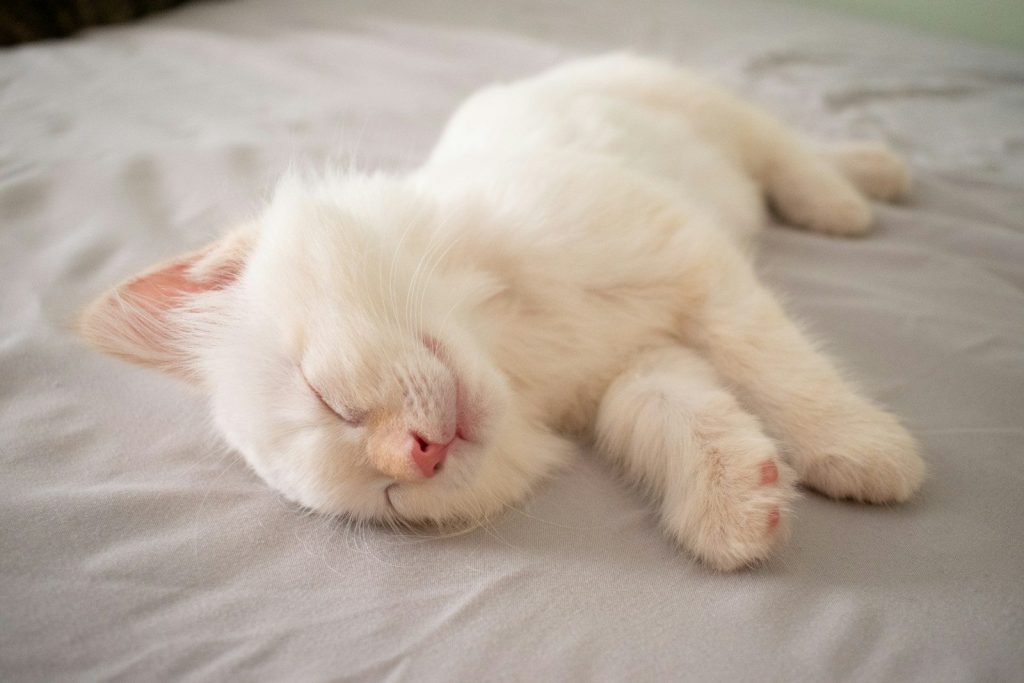
Kneading is a powerful bonding tool that felines use to strengthen their social relationships. It keeps them close. This physical contact releases oxytocin, which is often called the happy hormone, in both you and your pet. It is their way of showing complete devotion and affection. However, those tiny kitten claws can sometimes cause physical discomfort.
Managing The Sharp Baby Claws
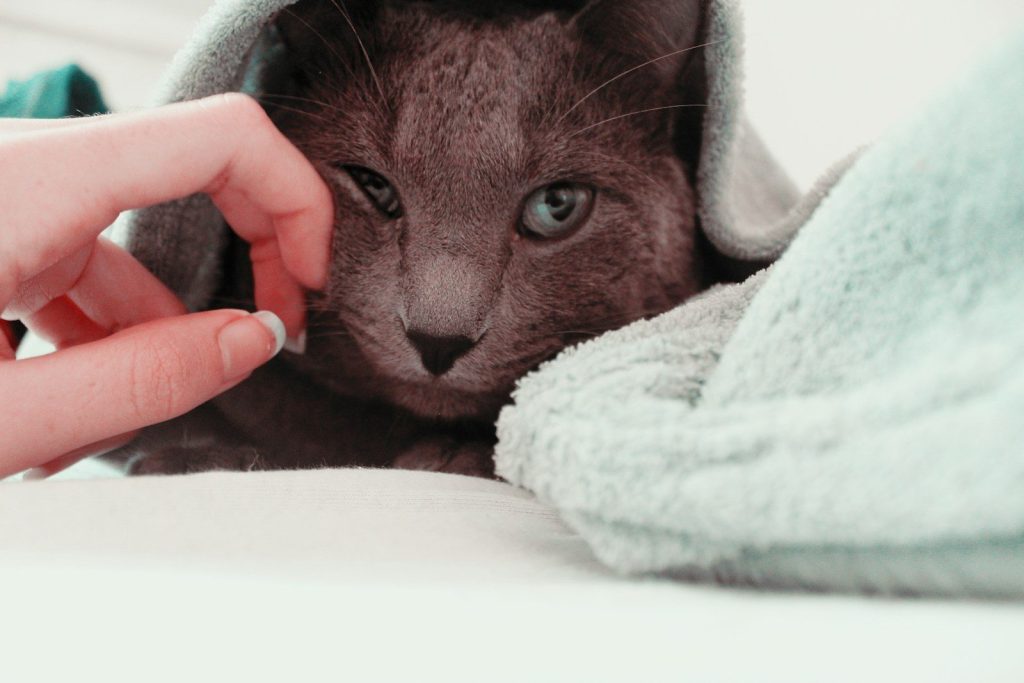
While the message is sweet, having sharp claws dig into your skin can be quite painful. Do not punish your pet. According to reports from the Cornell Feline Health Center, punishing natural behaviors can severely damage your bond. Instead, place a soft towel or blanket between your face and their paws. This simple barrier keeps everyone happy.
Redirecting To A Cozy Blanket
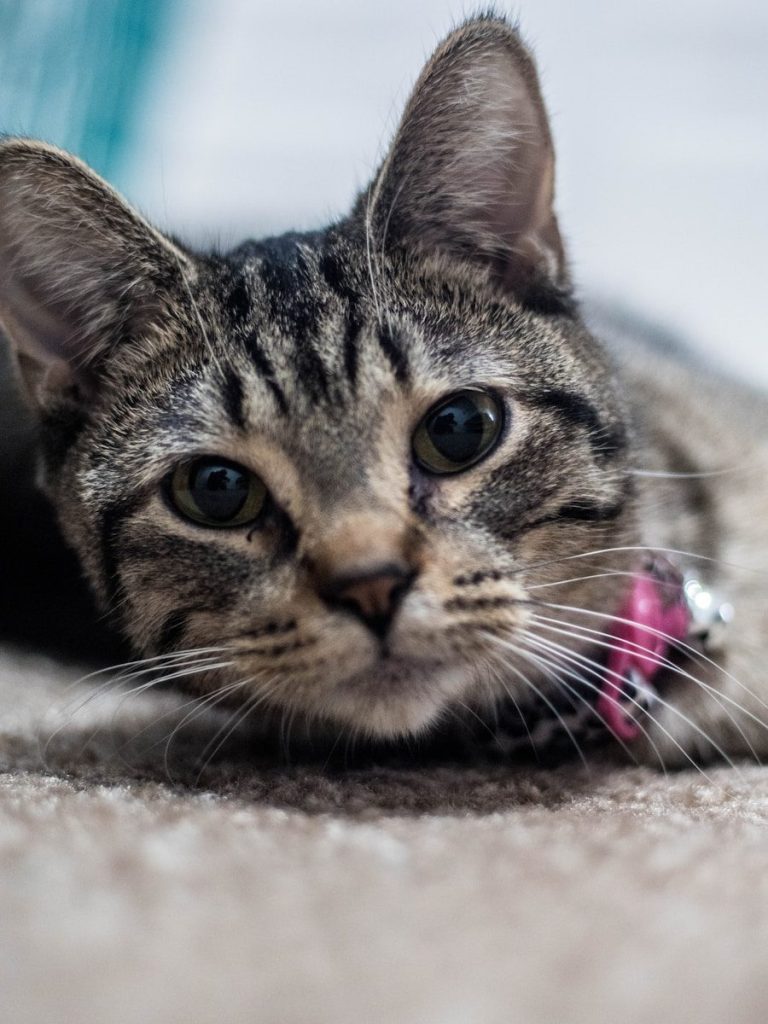
If the face kneading is too intense, gently move your kitten to a soft plush blanket nearby. Encourage them. Offer a healthy treat when they knead the blanket instead, reinforcing the new spot. According to the Humane Society, positive reinforcement techniques work beautifully to guide young pets. You can easily shape their daily habits.
Watching For Sudden Behavior Changes
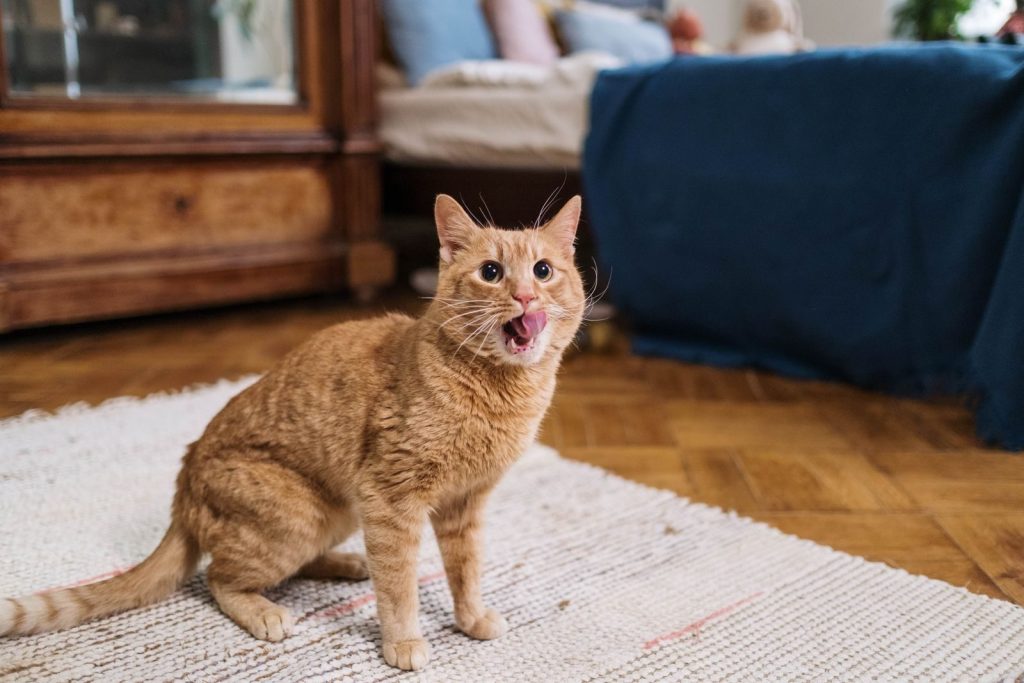
A sudden increase in kneading can sometimes signal underlying anxiety or stress in young pets. Pay close attention. If your pet starts kneading constantly while vocalizing, they might be seeking extra comfort due to physical discomfort. Always monitor their daily energy levels for any other shifts.
A Beautiful Bond Built On Trust
Enjoy these sweet moments of connection with your growing kitten as they learn to navigate their new home. This article is for informational purposes only and does not constitute veterinary advice. Your gentle patience ensures a happy, trusting relationship that will last a lifetime.
Featured Image: Photo by Piotr Musioł on Unsplash