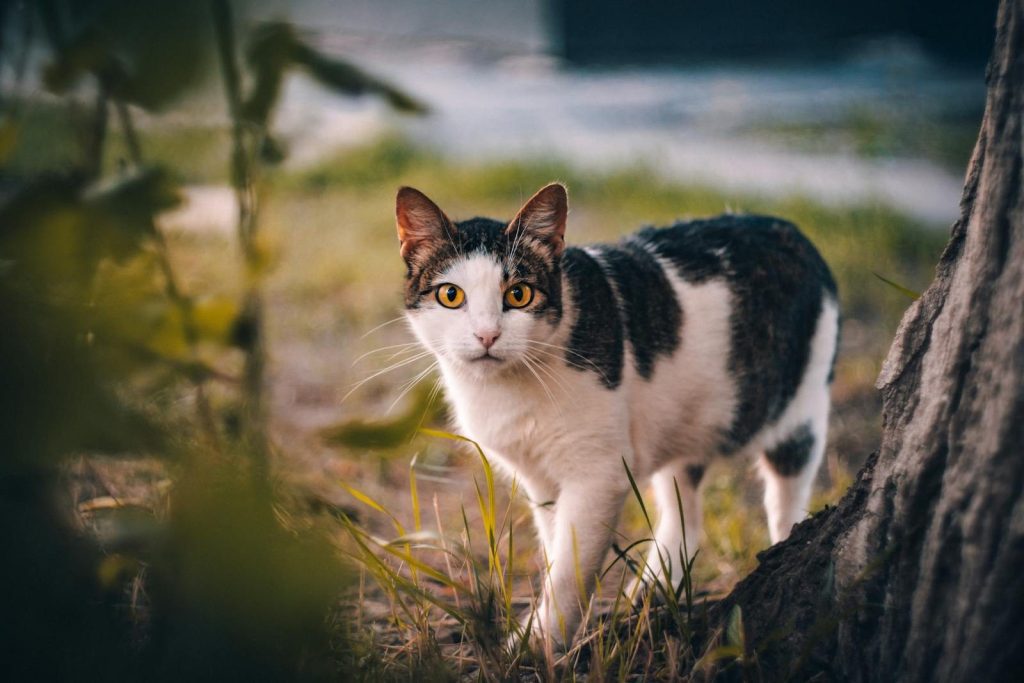

You love your cat, but some of their daily routines can drive you crazy. Scratching your favorite rug or knocking cups off counters might feel like pure rebellion.
These behaviors are actually essential for their physical survival. Trying to train them out of these habits can hurt their health. The surprising science explains what your cat is really doing.
The physical necessity of stretching their claws
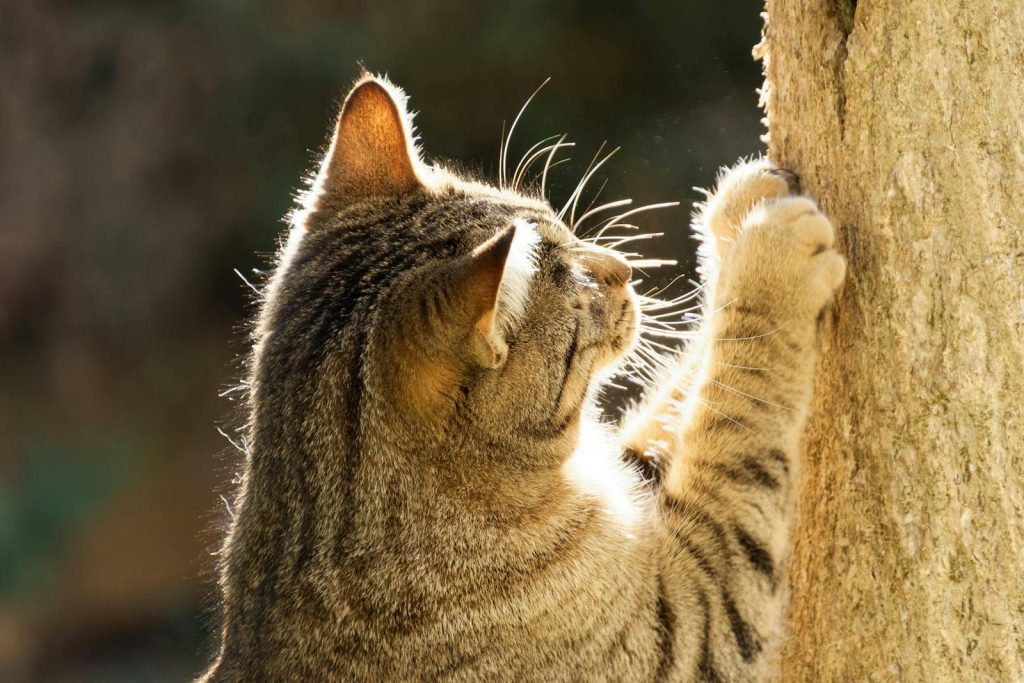
Scratching is not a malicious act to ruin your carpet. According to the Cornell Feline Health Center, cats scratch to shed the dead outer husks of their claws. It also helps them mark territory with scent glands in their paws. Punishing this behavior only leaves your pet highly stressed. But another annoying habit serves an even deeper physical need.
Why does your pet love high places in your home?
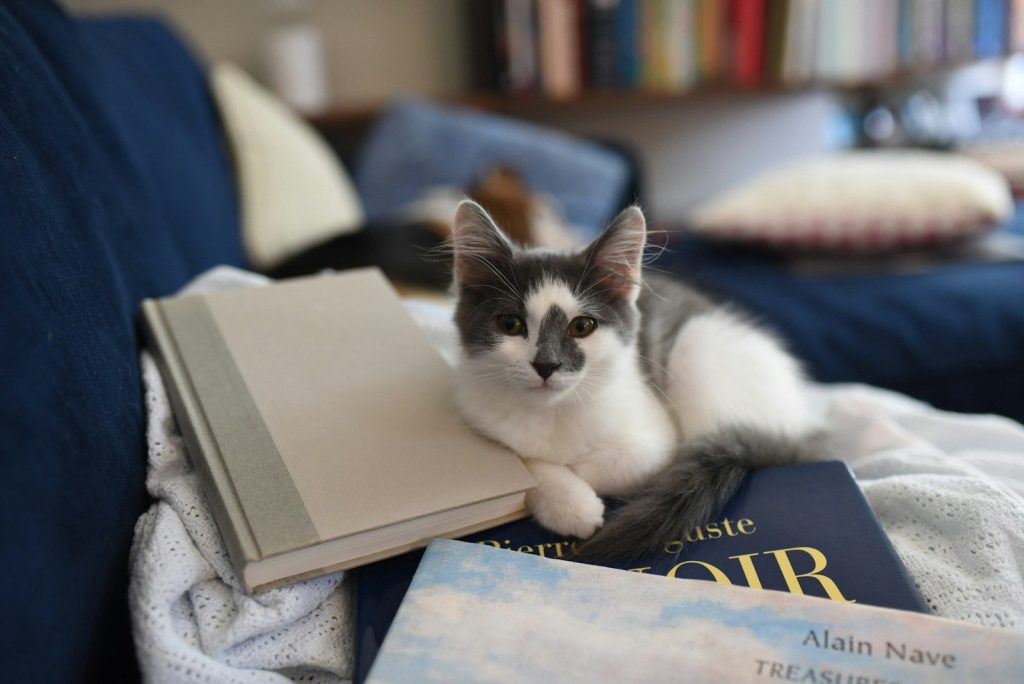
Your cat climbs the curtains because their wild ancestors survived by staying high. The American Association of Feline Practitioners notes that elevated spaces keep cats safe from ground predators. It also helps them observe their territory. Blocking access to high zones can trigger severe anxiety. However, their weird bathroom habits can also confuse owners.
The protective instinct behind the uncovered litter
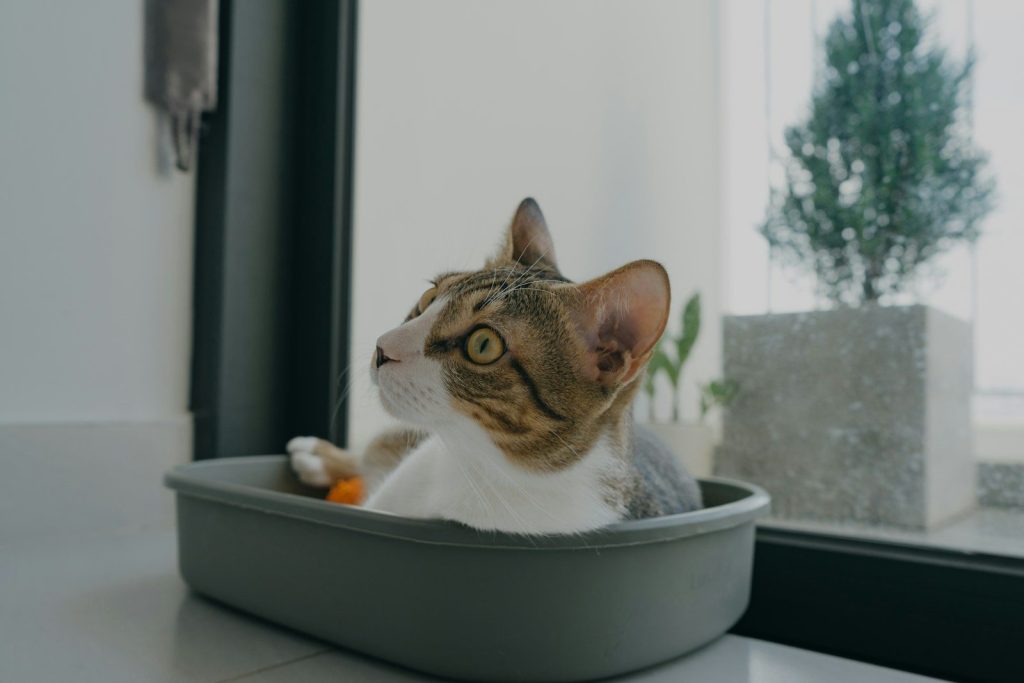
In the wild, subordinate felines cover their waste to avoid attracting dominant predators. If your cat leaves their litter box uncovered, it means they feel completely safe as the ruler of your home. The Humane Society explains that this is a sign of ultimate confidence. Forcing them to hide it can backfire. Yet, their midnight vocalizations have a different trigger.
Screaming in the middle of the night
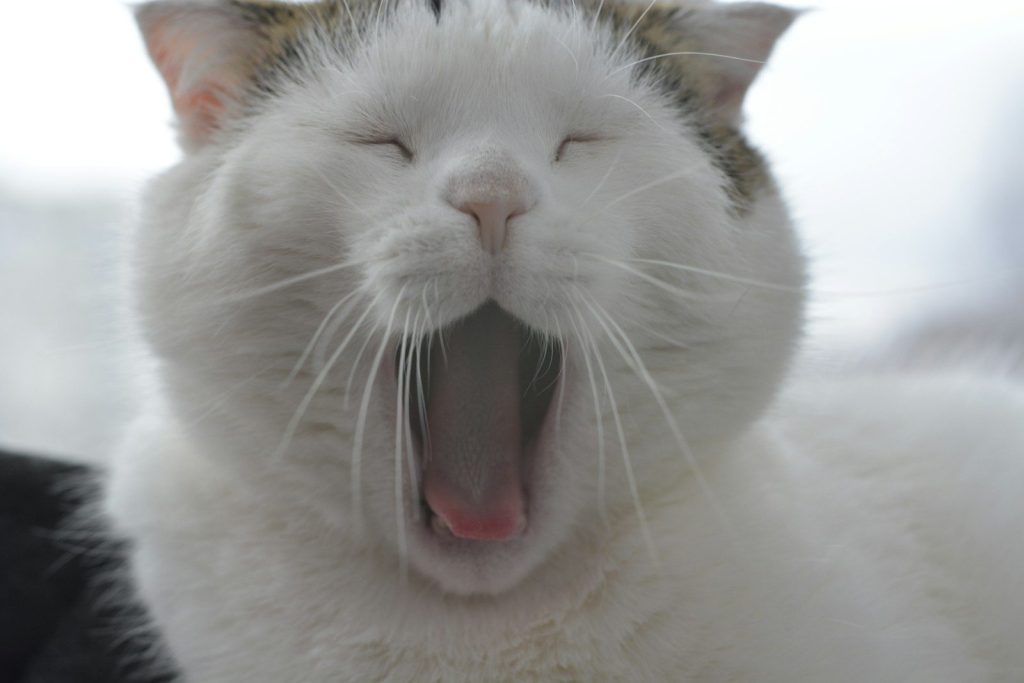
Many owners get frustrated when their pet yowls at three in the morning. Felines are crepuscular, meaning they are naturally active during dawn and dusk. Their internal clock tells them it is time to hunt. Shouting at your cat will only damage your bond. Fortunately, a simple change in your evening routine can quiet their wild instincts.
The predatory drive behind knocking things over
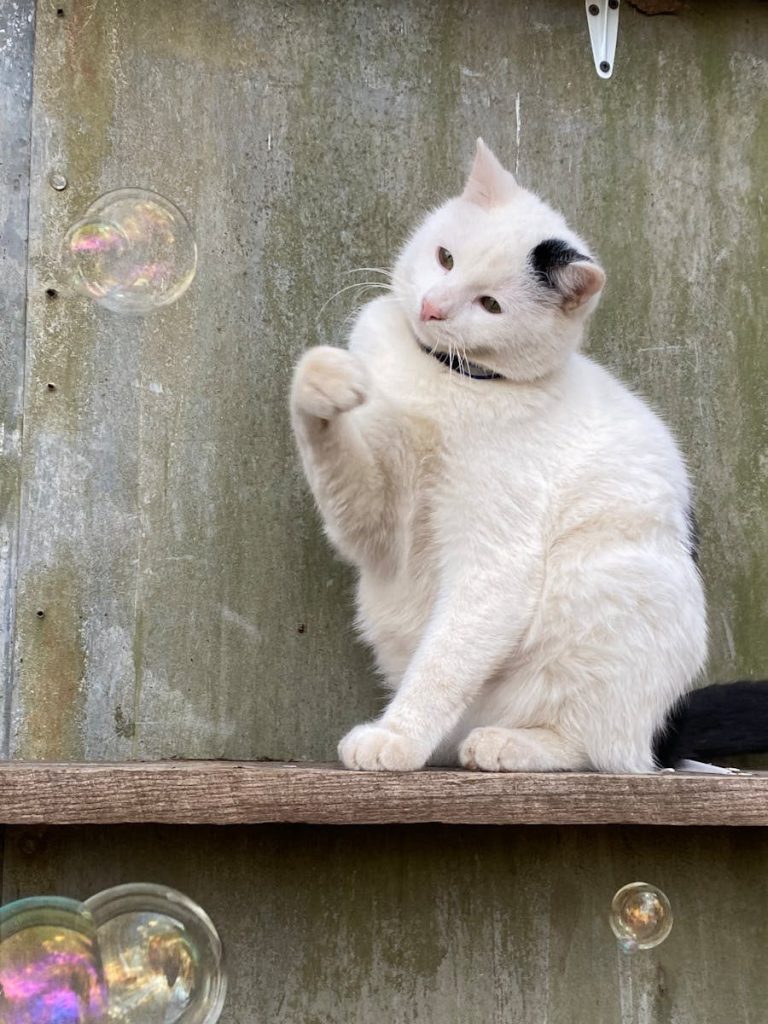
Watching your cat slowly push a glass off the table is infuriating. This action is actually a form of play therapy. They use their sensitive paws to test if an object is alive or dead, mimicking wild hunting behavior. According to ASPCA experts, they also do this to get your attention. But another misunderstood habit is vital for their social health.
Why do they bite during a gentle cuddle session?
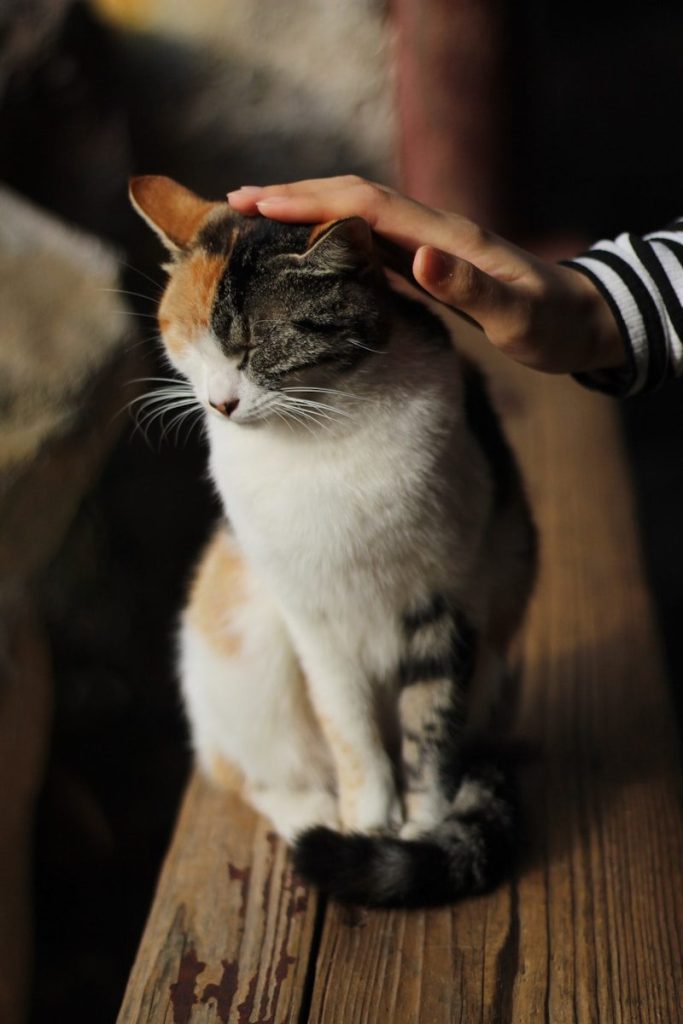
Your cat might suddenly nip your fingers while you pet them. This reaction is called petting-induced aggression. The Cornell Feline Health Center states that certain areas on a cat are highly sensitive. When they get overstimulated, they use a quick nip to say stop. Learning their limits will prevent these painful surprises. Still, their head butts hold a different secret.
The scent-marking power of head butts
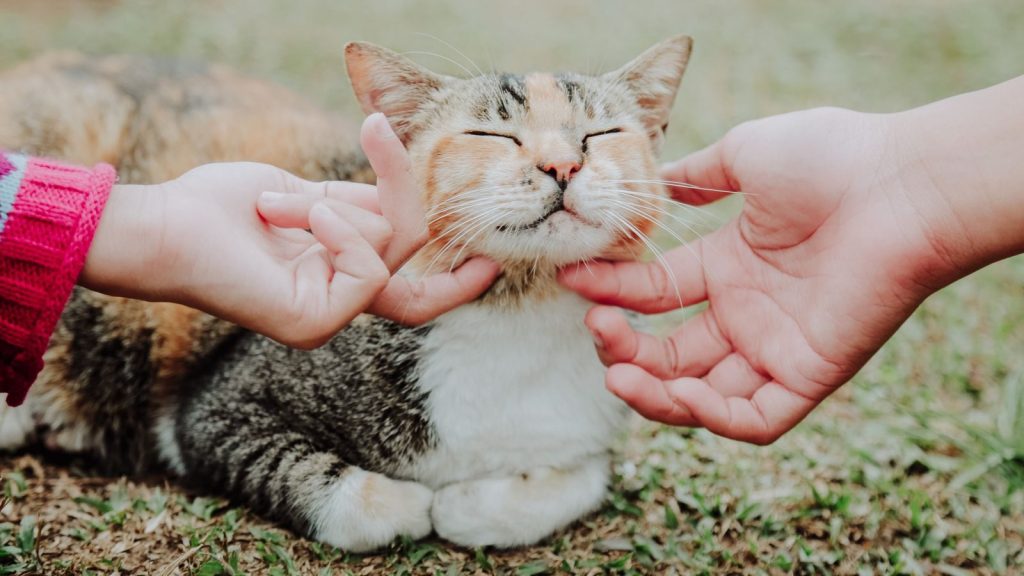
Felines rub their cheeks against your legs to deposit happy pheromones. This behavior is called bunting. They are marking you as a safe, trusted member of their family. Wiping away this scent can make them feel insecure in their own territory. If you let them claim you, you will unlock a deeper connection. Soon, you will see how this shapes their daily life.
Supporting their natural instincts for a peaceful home
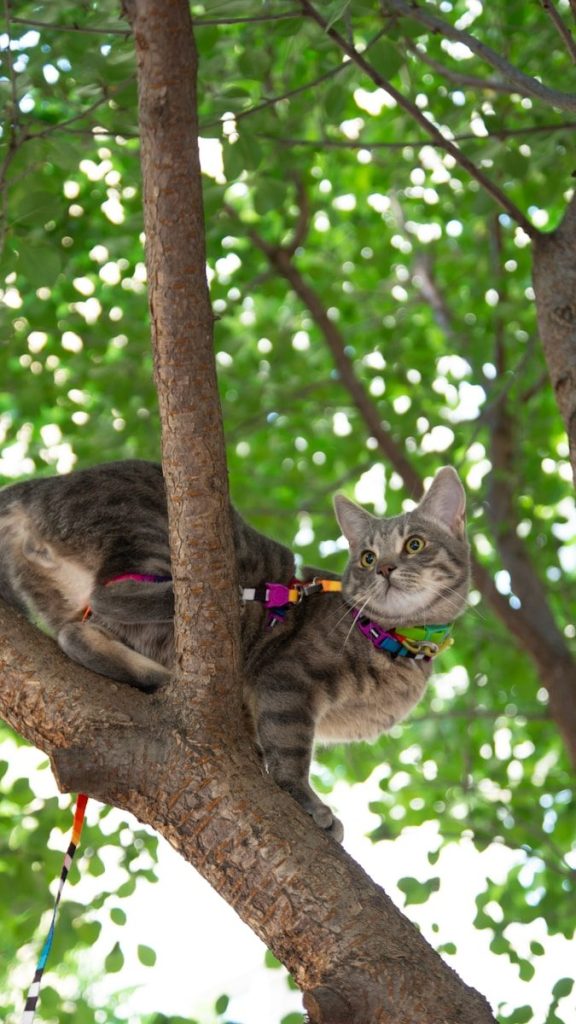
Understanding feline biology is the secret to a happy home. Instead of correcting these behaviors, give them healthy outlets like sturdy scratching posts and tall trees. Respecting their wild traits builds a lifetime of love and trust. This article is for informational purposes only and does not constitute veterinary advice.
Featured Image: Photo by Антон Злобин on Pexels