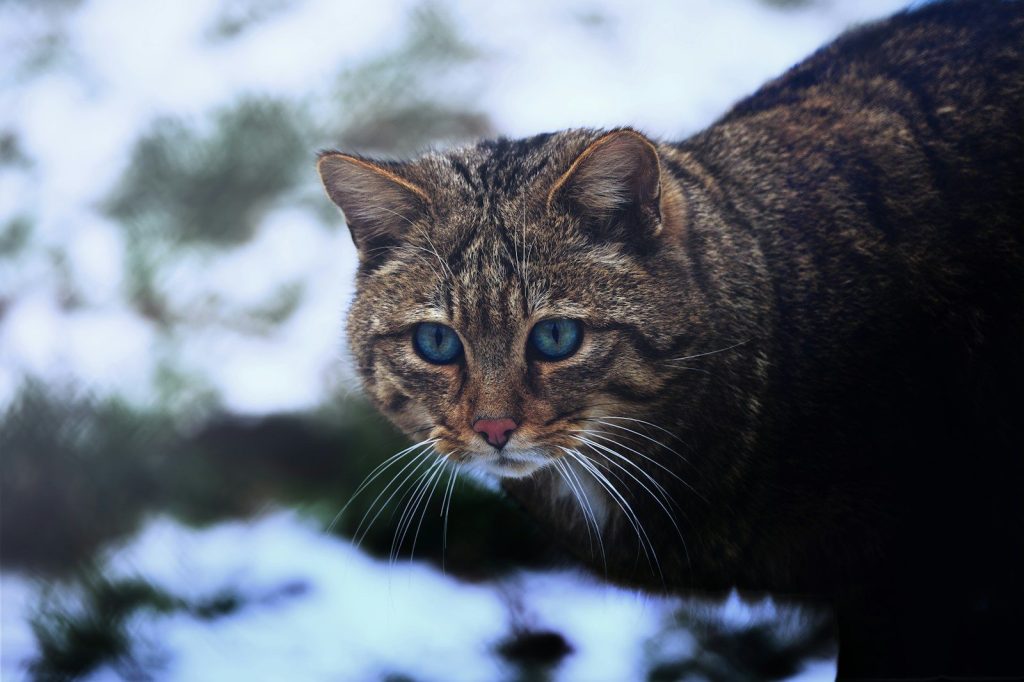

Your playful house cat might seem completely domestic as they chase laser pointers. However, they share a deep genetic bond with wild predators.
Across the globe, rare wild felines exhibit bizarre behavioral habits that mirror our own pampered pets. These striking similarities show that the wild spirit never truly leaves them.
The tiny predator that loves sand
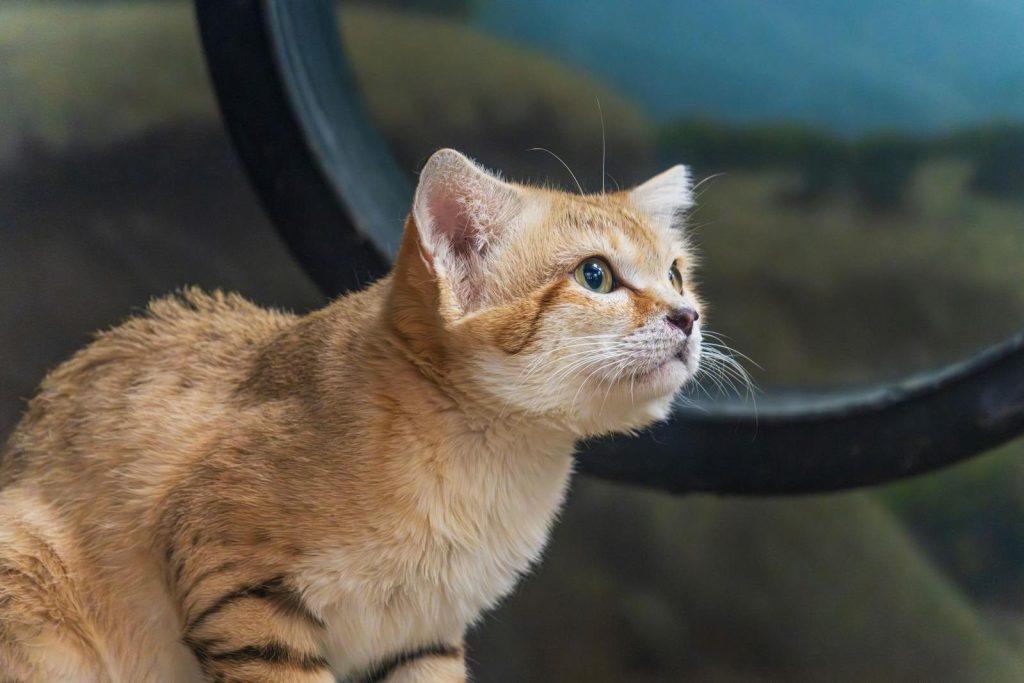
The Sand Cat is a small wild feline living in the deserts of North Africa. They possess thick fur on their paw pads to protect them from the burning sand. Despite living in harsh environments, they spend hours digging in the dirt just like a domestic cat using a litter box. This natural digging instinct keeps them safe from predators. But another wild feline prefers a cold home.
The grumpy face of the cold mountains
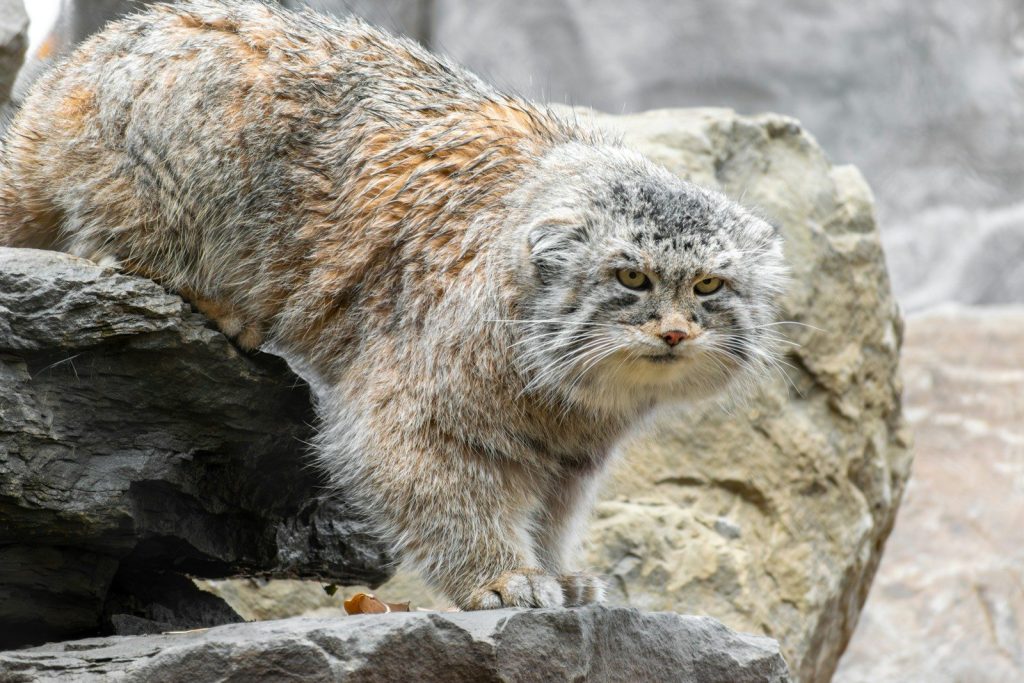
Living in the high-altitude grasslands, the Pallas Cat is famous for its dense, fluffy fur and hilarious facial expressions. They face brutal conditions in Central Asia, where temperatures drop far below freezing. To keep their paws warm, they will often stand directly on their own fluffy tails. This adorable behavior is exactly how your cat keeps cozy on a chilly windowsill. Yet, their unique hunting styles hold more surprises.
The nocturnal hunter with giant ears
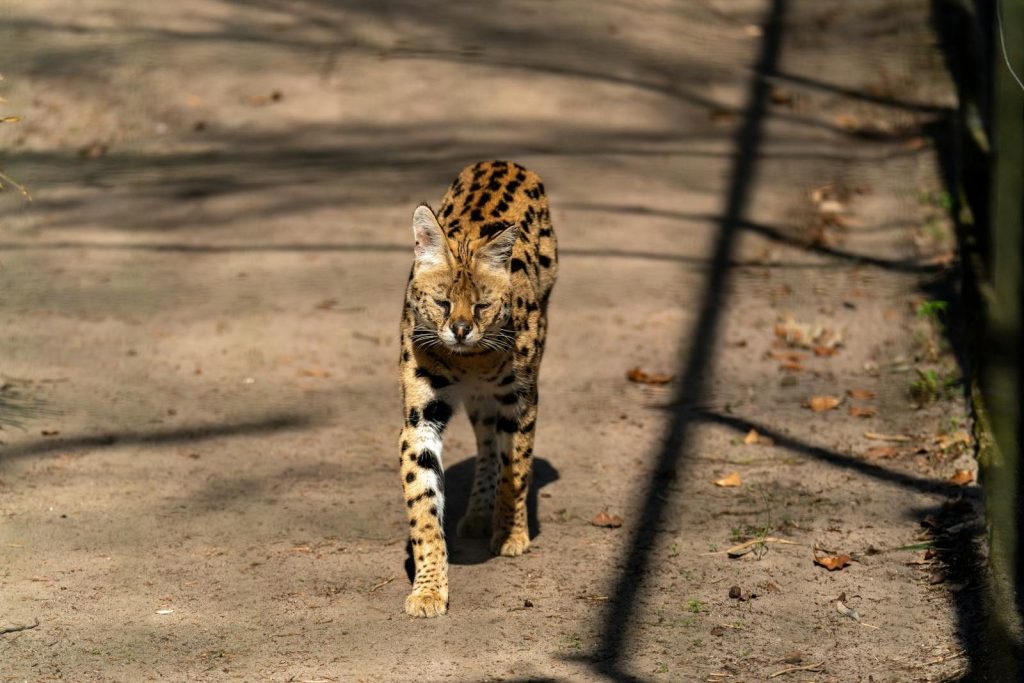
The Serval is a slender wild cat native to sub-Saharan Africa. They have the largest ears relative to body size of any feline. These massive ears allow them to hear rodents moving underground. When they pinpoint prey, they perform high, vertical leaps into the air to pounce. This hunting technique is identical to how your cat ambushes a toy mouse. However, some wild cats prefer a wet environment.
The wild cat that loves water
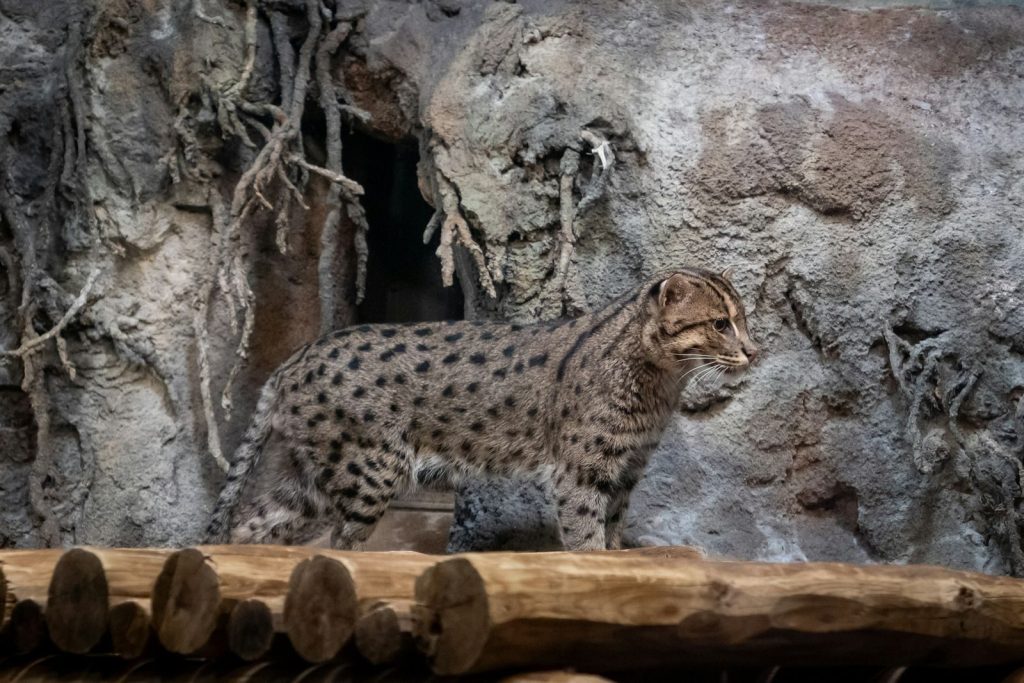
Swimming and catching fish in rivers, the Fishing Cat of South and Southeast Asia breaks the stereotype that felines hate getting wet. They have partially webbed paws that help them navigate streams. They will tap the water surface gently to mimic insect movements, drawing curious prey closer. This clever tapping behavior looks identical to your pet playing in a dripping sink. But another wild cousin prefers high vantage points.
The acrobatic climber of the deep forest
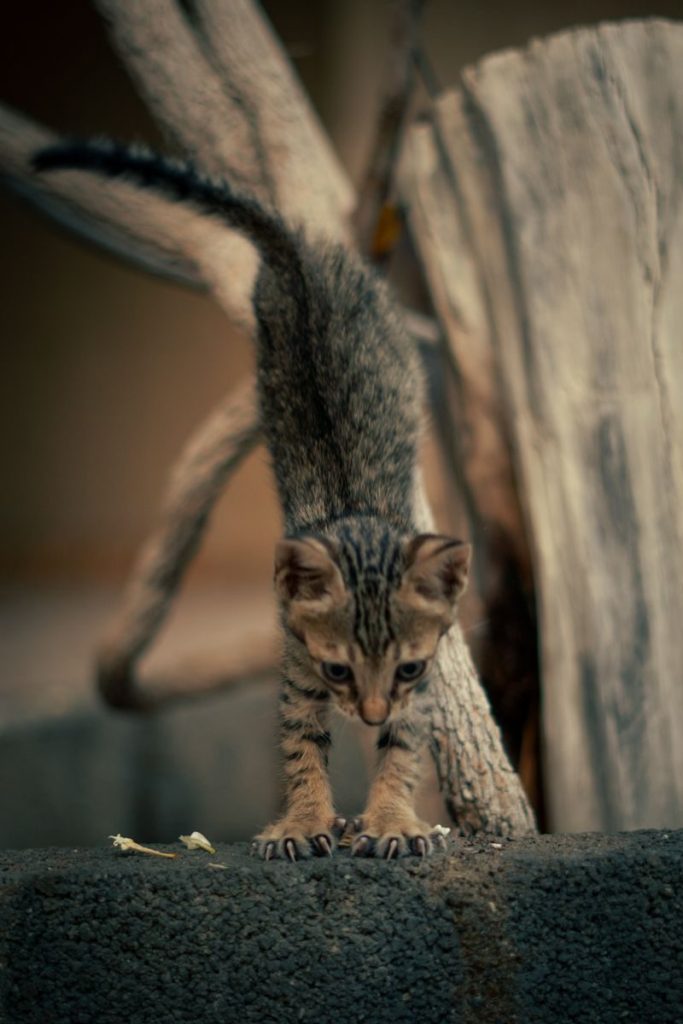
The Margay is a small wild cat native to Central and South America. They are uniquely adapted for a life high in the forest canopy. Amazingly, they can rotate their ankles 180 degrees, allowing them to climb down trees headfirst. This incredible flexibility helps them chase prey with ease. It is the ultimate version of your cat scaling the highest bookshelf. Still, their vocalizations are equally shocking.
The strange chirping sounds of the wild
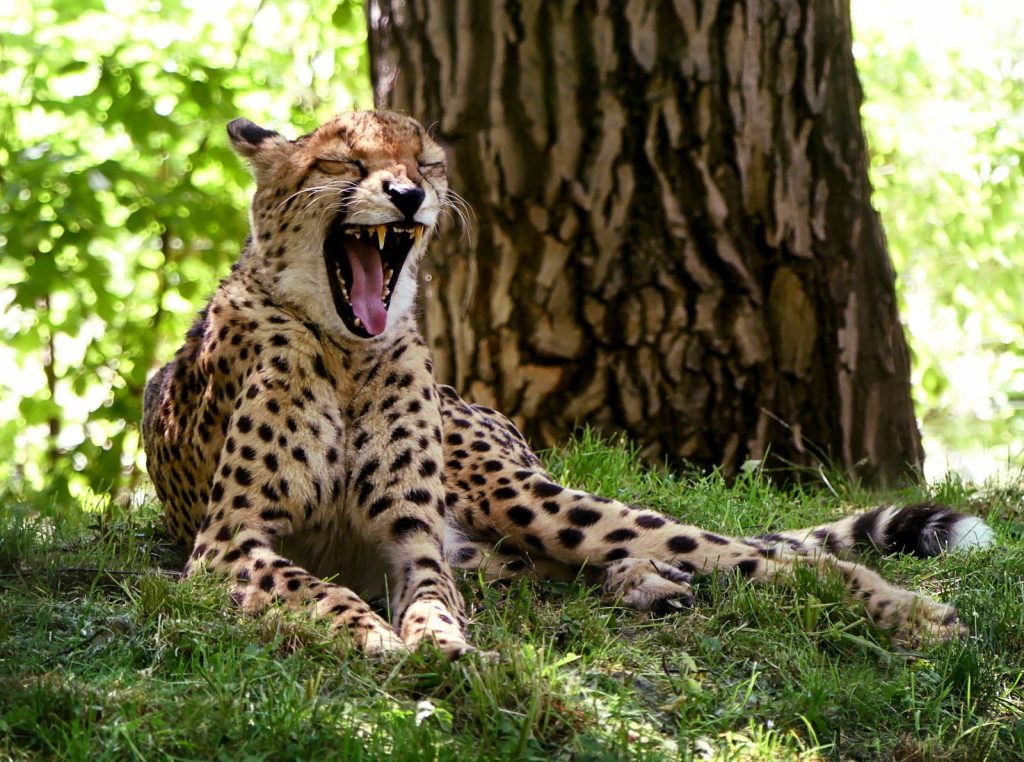
Cheetahs are famous for their blazing speed, but their voices tell a different story. They do not roar like lions or tigers. Instead, they make high-pitched chirping and purring sounds to communicate with their young. According to research from the Smithsonian Conservation Biology Institute, these vocalizations help them stay connected in tall grass. This sound is remarkably similar to your cat greeting you. But their sleep habits show the deepest connection.
Conserving energy for the big chase
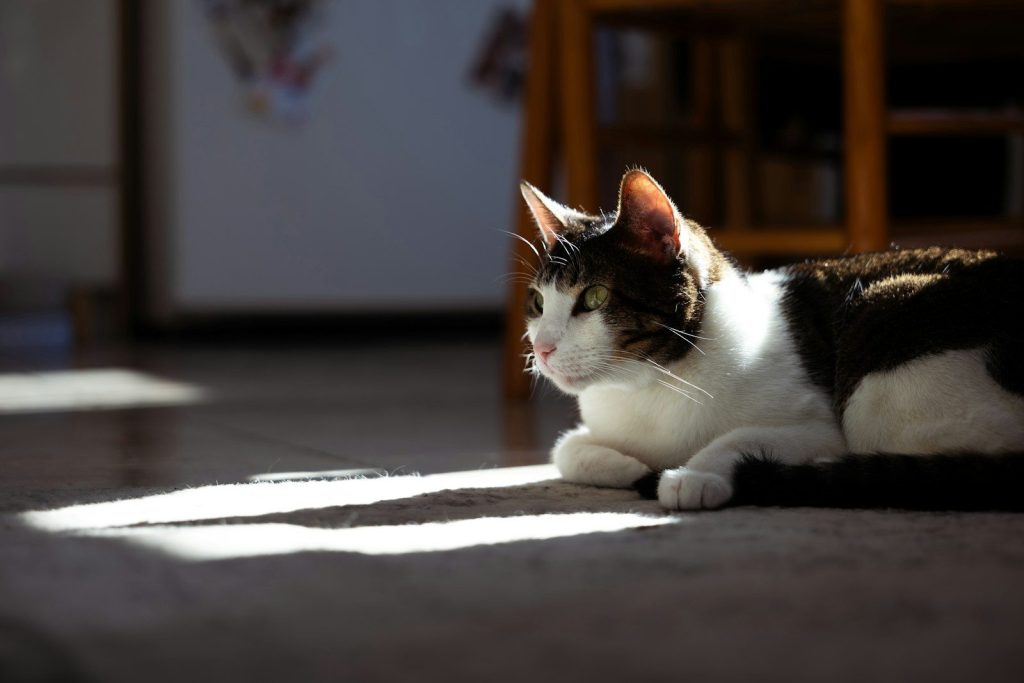
Wild felines spend up to twenty hours a day sleeping or resting in hidden spots. This long sleep cycle allows them to conserve the massive energy needed for explosive hunting sprints. Your pampered house cat maintains this ancient sleep schedule, napping in warm sunbeams throughout the day. This shared habit is a direct link to their wild ancestors. Soon, you will see how these bonds shape our homes.
A beautiful window into feline history
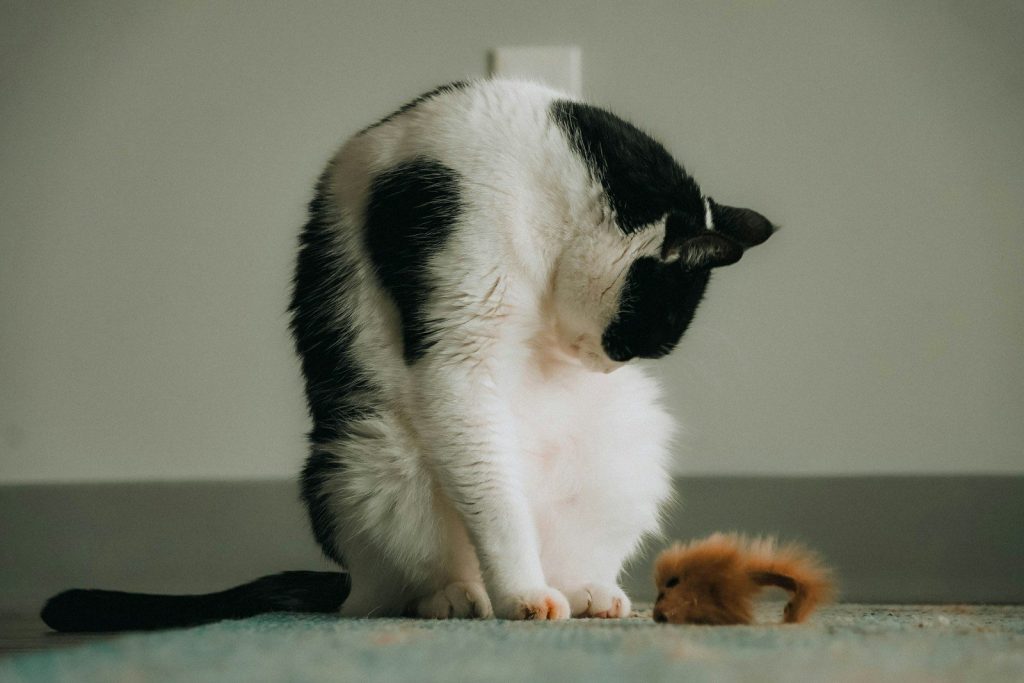
Learning about these rare wild species helps us understand and appreciate our own domestic companions. Your playful pet still carries the survival instincts, agility, and instincts of their majestic wild cousins. By respecting their natural behaviors, we can build a happier, healthier home for our favorite felines. The wild spirit lives on in every gentle purr.