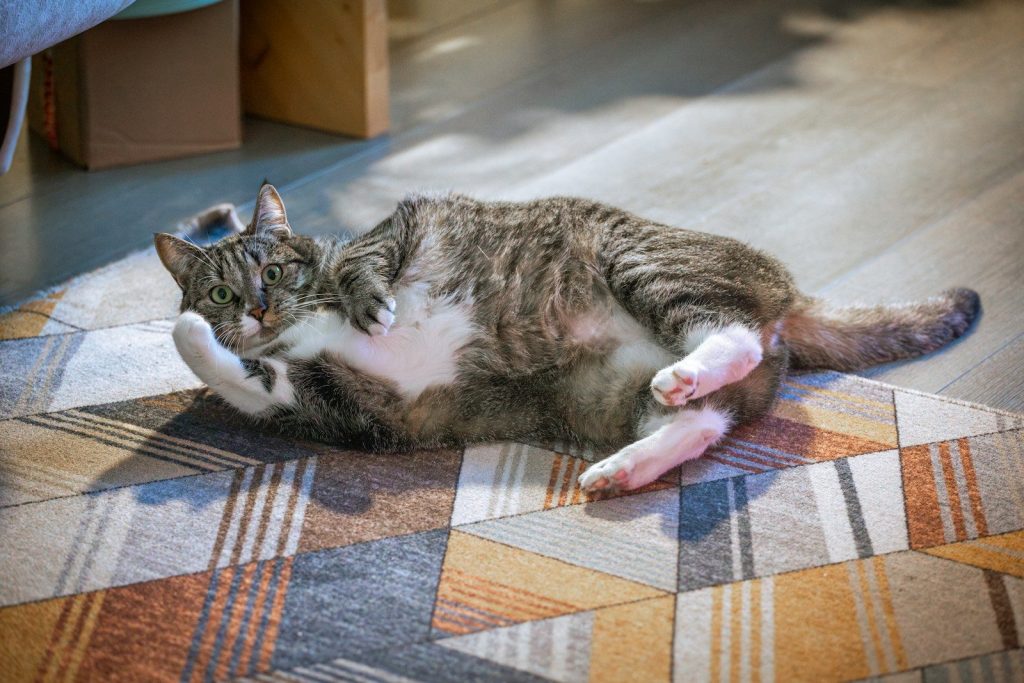

You walk into the living room and find your cat sleeping upside down with its limbs twisted in impossible angles. It looks like a hilarious contortionist act.
While these poses make great photos, they actually serve a deep biological purpose. Each unique sleeping posture reveals secrets about your cat’s comfort, temperature, and survival instincts.
The flexible anatomy of feline sleepers
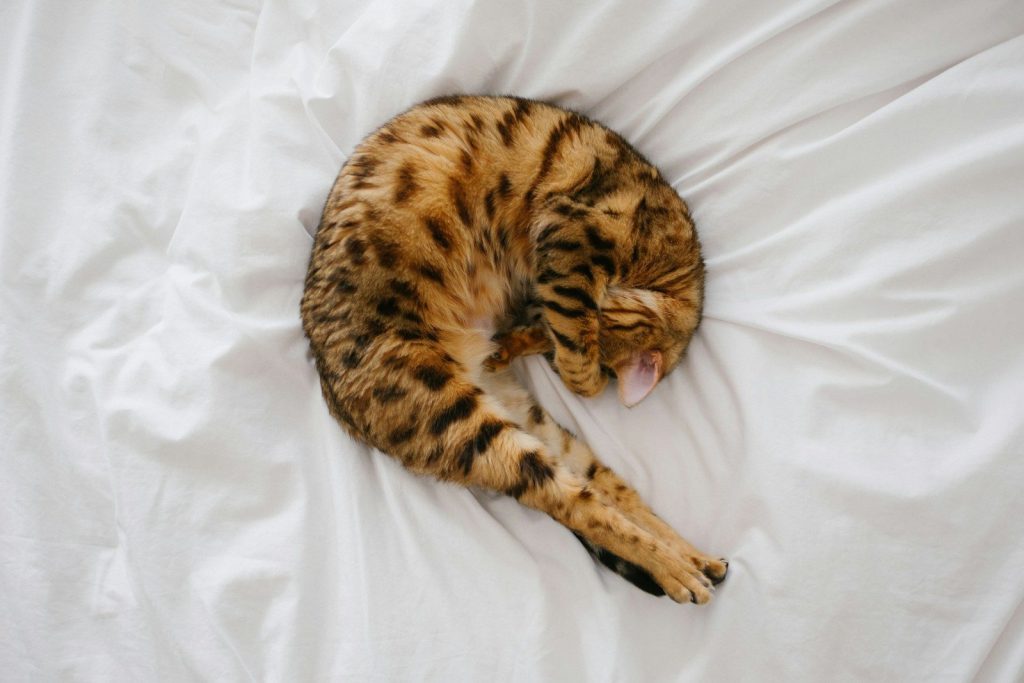
Cats possess an incredibly flexible skeletal structure that allows them to bend in ways humans cannot. Their collarbones are not attached to other bones, giving their shoulders a massive range of motion. Their spinal discs are also highly elastic, acting as natural shock absorbers and cushions. This unique anatomy lets them squeeze comfortably into tight, secure spaces. But temperature control is also a major factor in their choices.
The tightly curled crescent shape
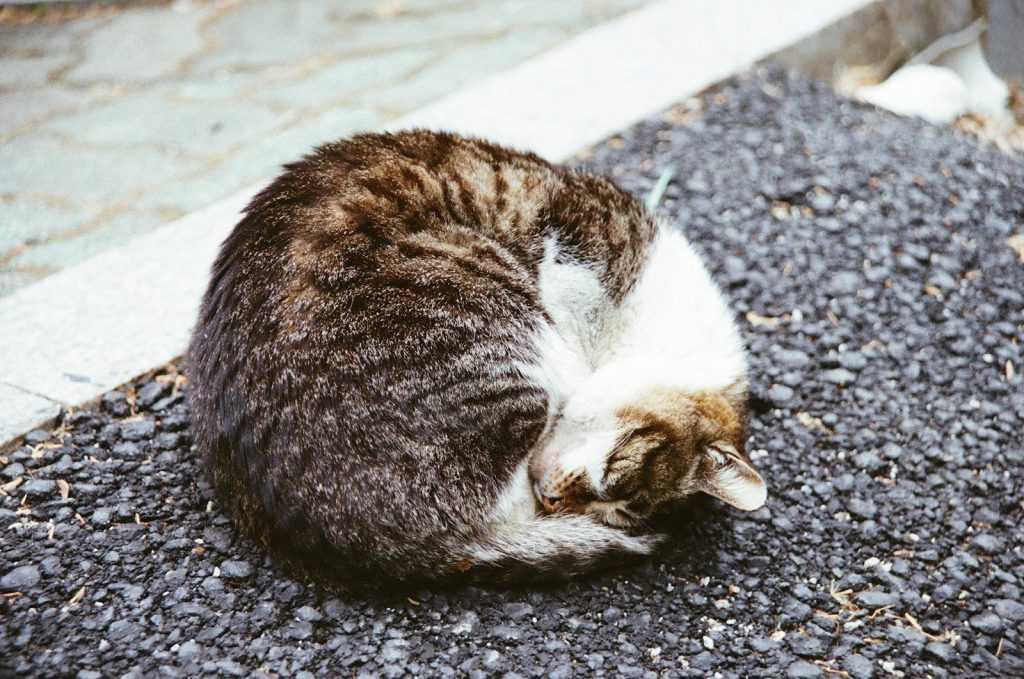
When a cat curls into a tight ball with its tail wrapped around its face, it is trying to conserve body heat. This classic posture protects their vital organs from cold drafts. According to research from the Association of Feline Veterinarians, this shape also minimizes surface area exposure, helping them stay cozy in cool environments. This protective pose keeps them warm, but a warmer room triggers a different look.
The sprawling belly-up exposure
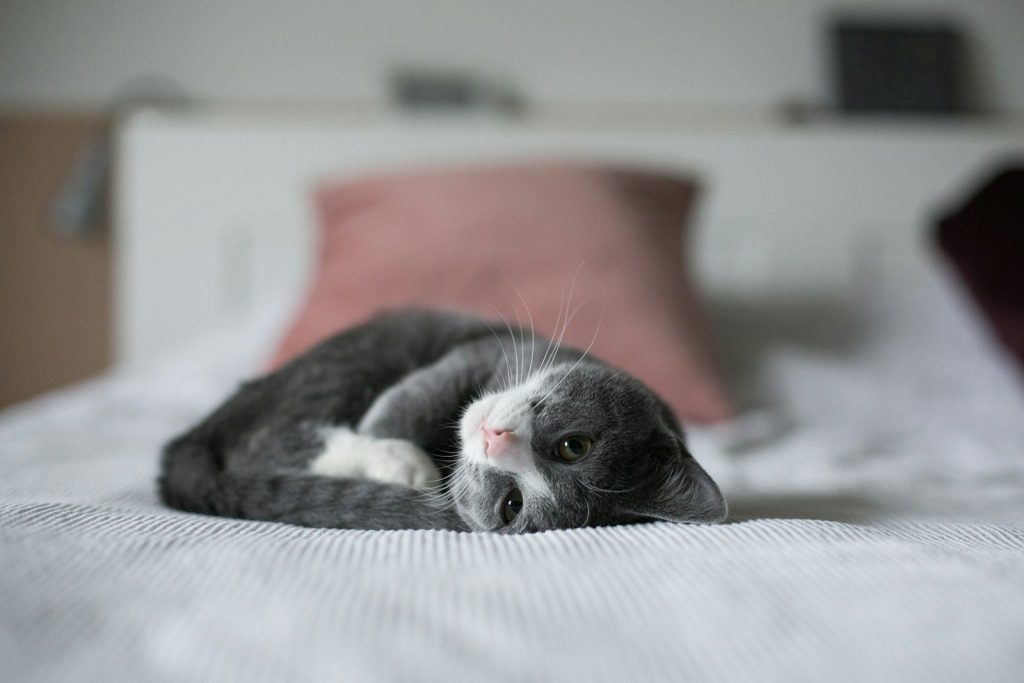
Seeing your cat sleep flat on its back with its belly exposed is the ultimate compliment. The stomach is a cat’s most vulnerable area, and they will only expose it when they feel completely safe. This open posture also helps them cool down quickly by releasing heat from their lightly furred bellies. This display of complete trust is beautiful, but other poses reveal active minds.
The iconic upright loaf posture
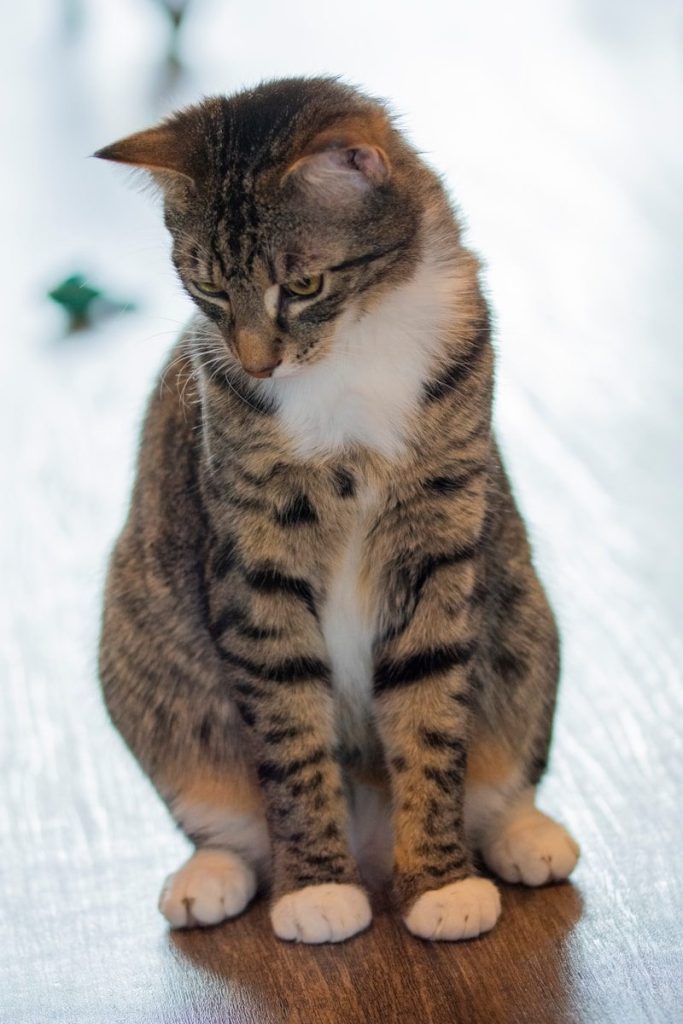
In the loaf position, a cat tucks its paws completely under its chest while keeping its head upright. This semi-alert posture allows them to rest while remaining ready to spring into action at a moment’s notice. They are relaxing their muscles without dropping their guard entirely. It is a perfect balance of rest and readiness. Yet, some positions look far more active than resting.
Sleeping with one eye open
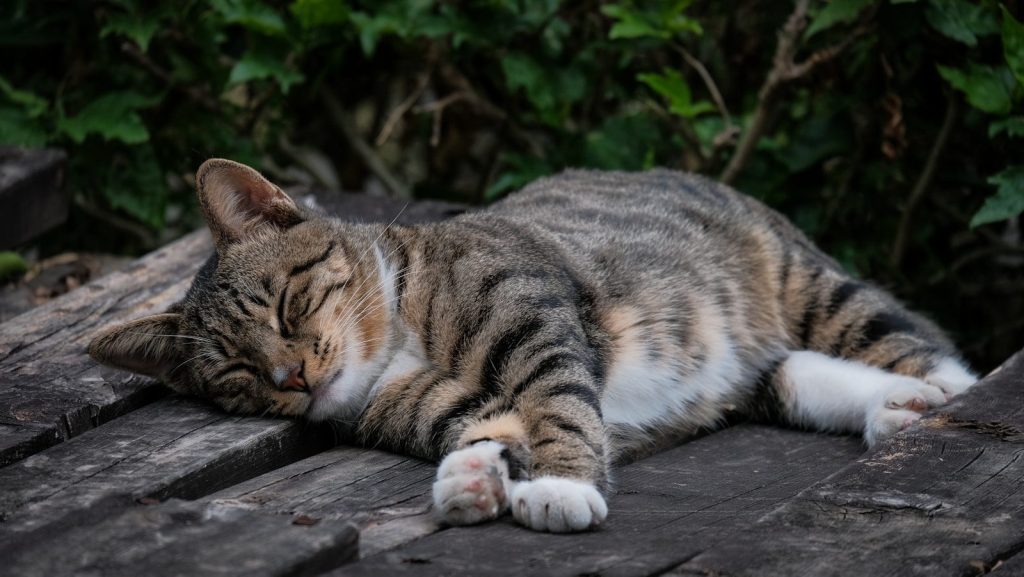
Have you ever noticed your cat sleeping with its eyelids slightly parted? This unique behavior is known as unihemispheric slow-wave sleep, where one half of the brain rests while the other half remains alert. It is an ancient survival tool that lets wild felines detect approaching predators during a nap. This evolutionary superpower keeps them safe, but their choice of location also matters.
The high altitude safety sleep
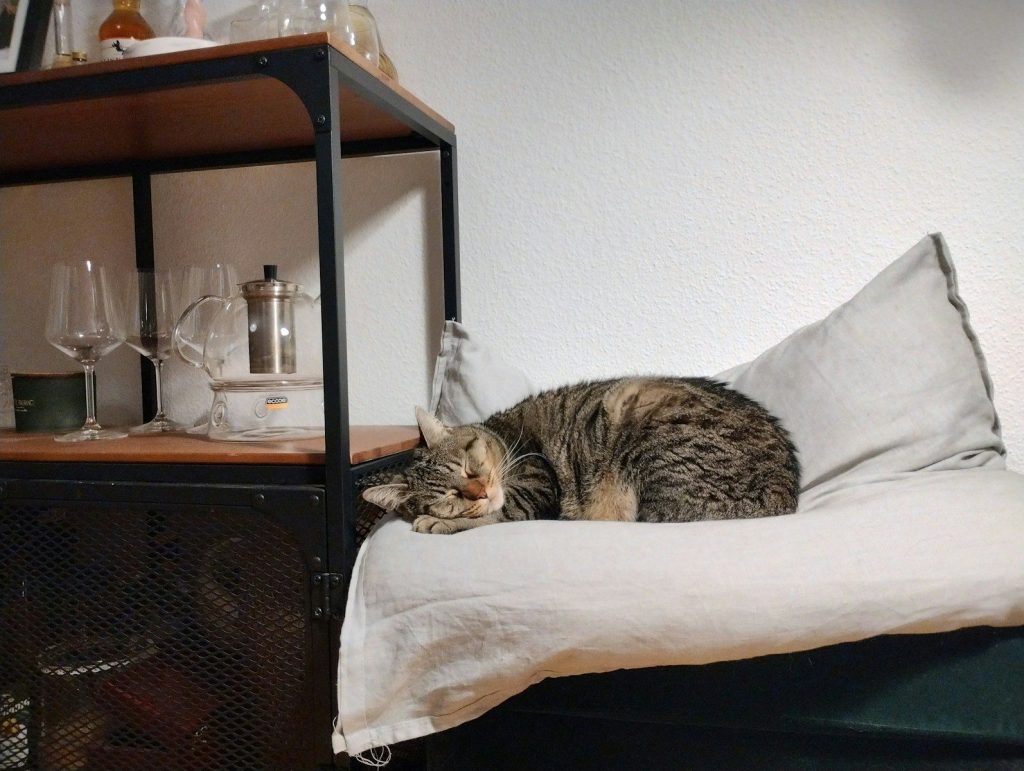
Many cats prefer sleeping on top of tall bookshelves, refrigerators, or specialized cat trees. Elevated sleeping spots give them a clear, panoramic view of their entire territory. This high vantage point allows them to spot potential threats long before they get close, ensuring a peaceful nap. It is all about security and peace of mind. Soon, you will understand how to support their sleeping habits.
Creating the perfect feline sleeping zones
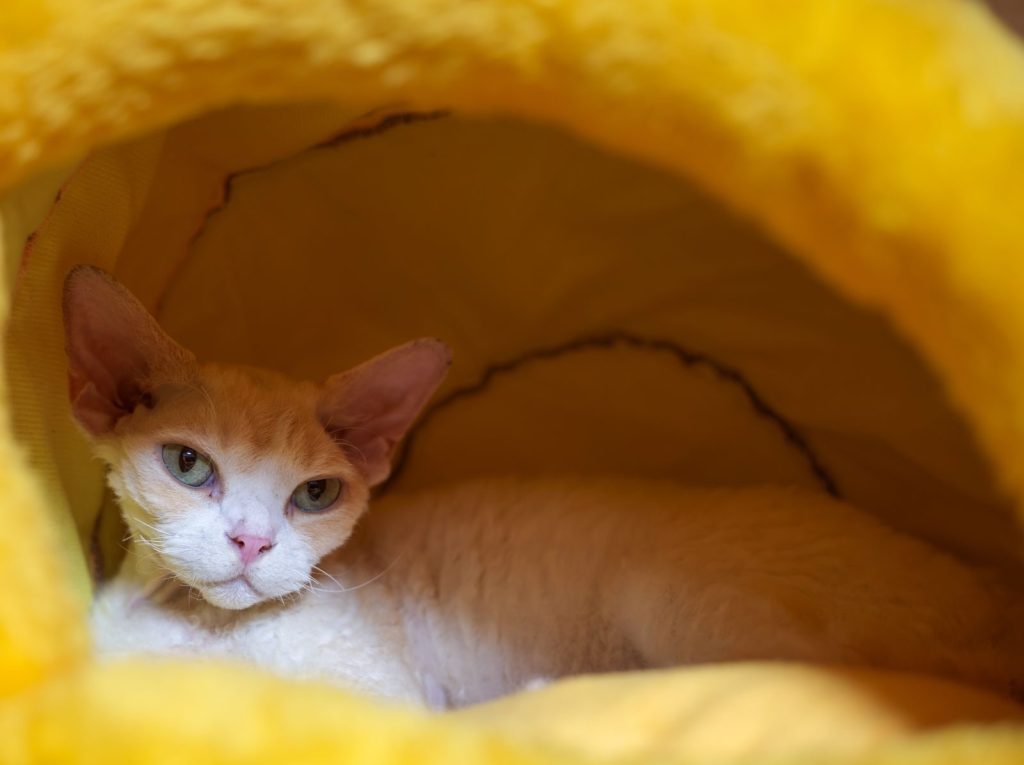
You can support your cat’s physical needs by offering a variety of safe, comfortable sleeping options. Place soft, warm beds in quiet corners and elevated spaces throughout your home. Respect their resting hours and avoid disturbing them when they are in deep sleep. By understanding their unique postures, you can build a secure, loving environment where your cat can rest peacefully.
Featured Image: Photo by Tatyana Rubleva on Unsplash