
Cats are master actors when it comes to hiding physical discomfort. In the wild, showing weakness makes an animal a target for predators.
Because of this ancient survival instinct, your kitty will suffer in complete silence. Fortunately, you can learn to spot the hidden distress signals before a minor issue becomes a major medical emergency.
Subtle changes in grooming habits
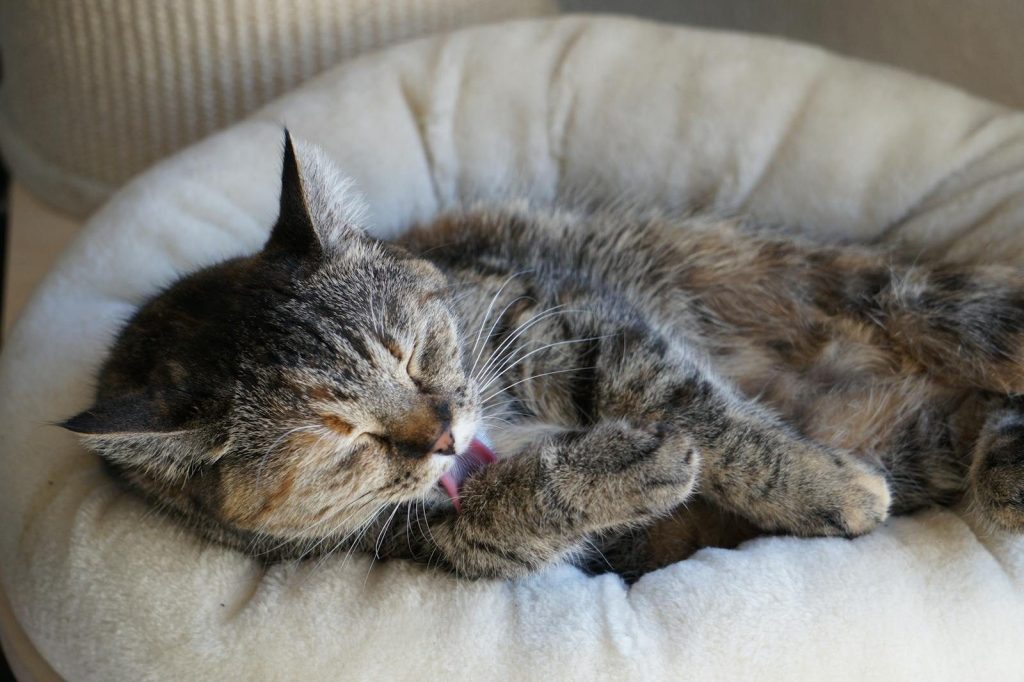
A healthy cat spends hours keeping its coat pristine. If your pet suddenly stops grooming, leading to a dull or matted coat, they might be in pain. Conversely, obsessive licking in one specific spot often points to localized joint pain or skin irritation. According to the American Association of Feline Practitioners, grooming shifts are primary indicators of feline distress. But coat quality is only the first clue.
The truth behind sudden litter box slips
Many owners assume litter box accidents are just behavioral problems. In reality, physical pain is often the real culprit. Arthritic cats struggle to climb over high plastic entryways, prompting them to eliminate on flat, soft rugs instead. Urinary tract issues also cause sudden, painful spasms that make them avoid the box entirely. This critical warning sign requires immediate attention, but there are other behavioral shifts.
Silent shifts in daily activity levels
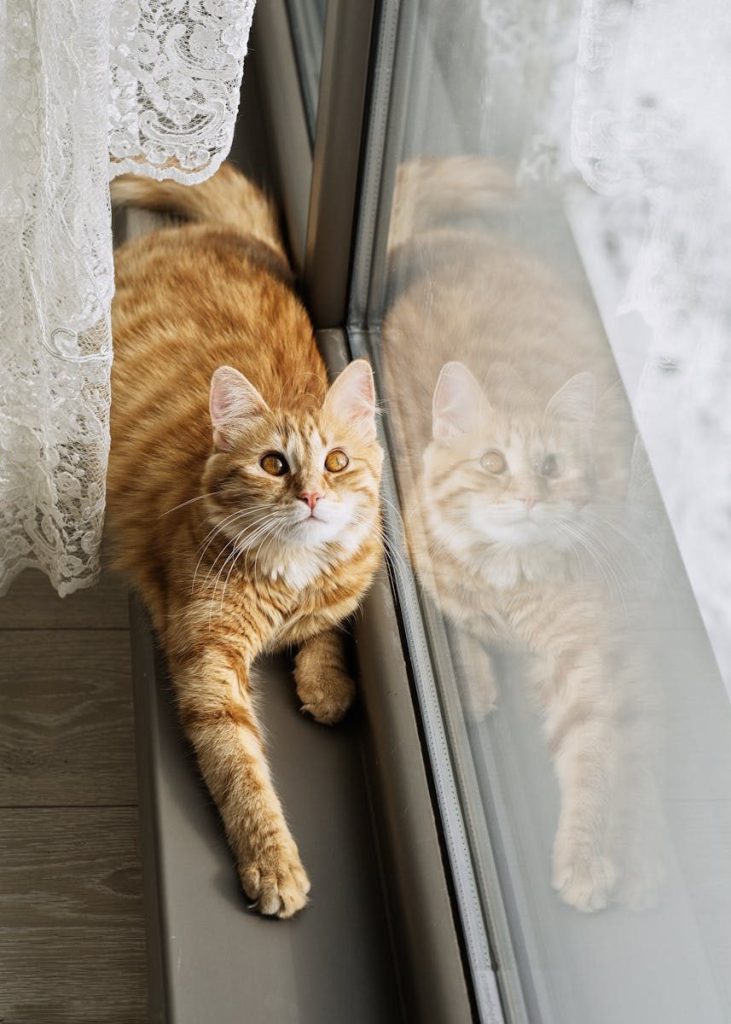
Is your active jumper suddenly staying on the floor? Cats with joint pain will stop leaping onto high kitchen countertops or favorite window sills. They might hesitate before taking small steps or use intermediate furniture to climb up slowly. This subtle decline in mobility is easily mistaken for normal aging, but it actually signals chronic pain. However, their facial expressions hold even more secrets.
Decoding the feline grimace scale
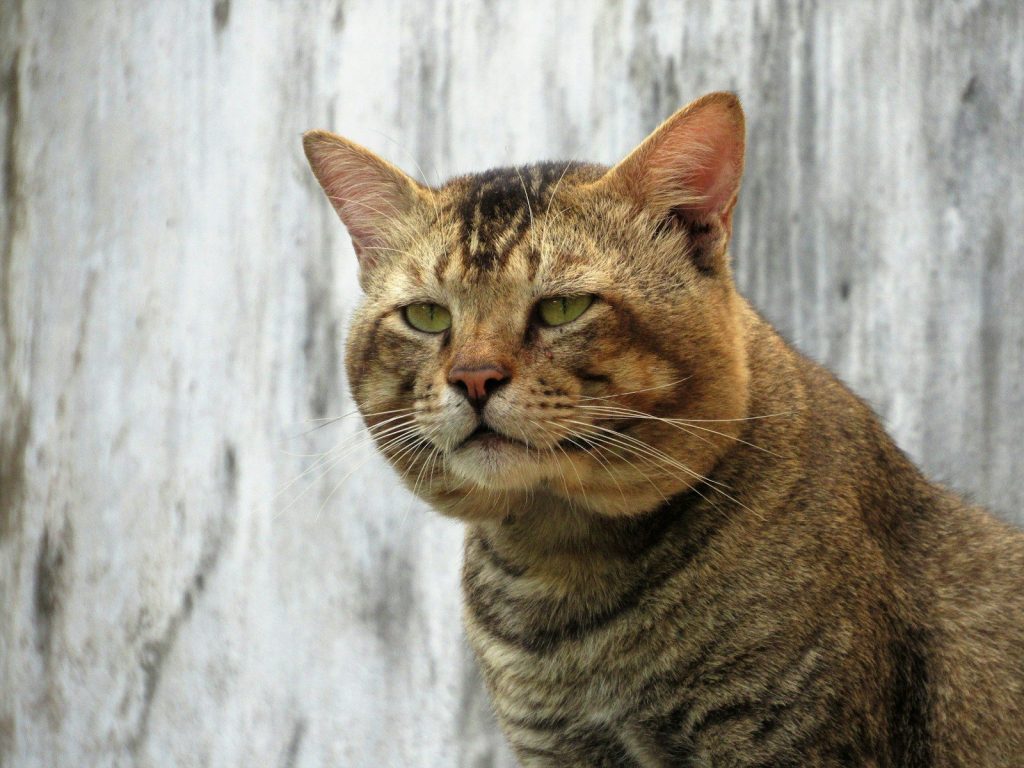
Researchers at the University of Montreal developed a specific scale to measure facial expressions of pain in cats. Watch for ears that tilt flat and away from each other. Look for tense muzzle areas and squinted eyes. A cat in discomfort will often keep its head lowered rather than upright and alert. Recognizing these quiet facial shifts can save your pet from prolonged suffering, but posture also matters.
The hunched posture of distress
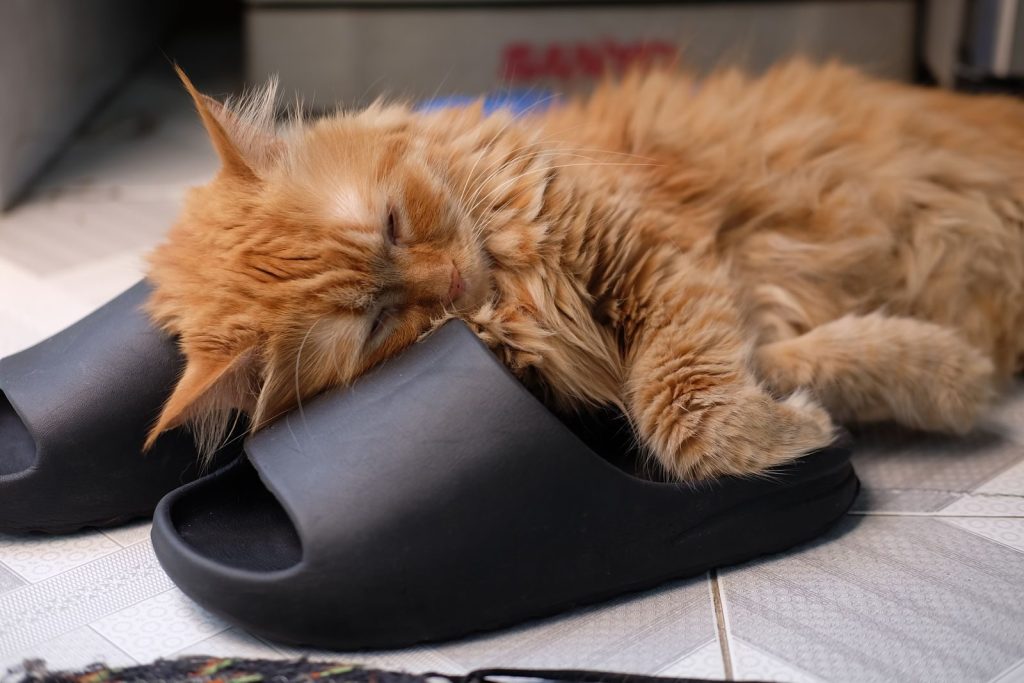
When a cat feels internal pain, it will often adopt a tight, hunched sleeping position. They tuck their paws firmly under their chest, keeping their head nose-down. This protective posture is their way of guarding tender abdominal areas or aching joints. They will remain in this stiff shape for hours, refusing to stretch out comfortably. But their social behavior will also show a dramatic change.
Uncharacteristic hiding and isolation
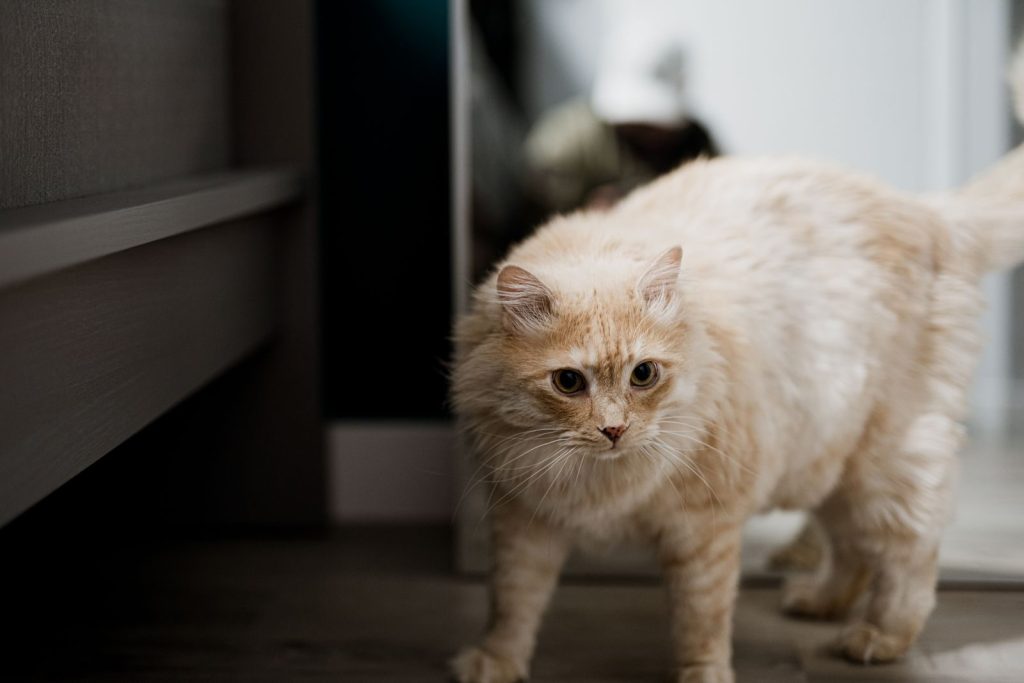
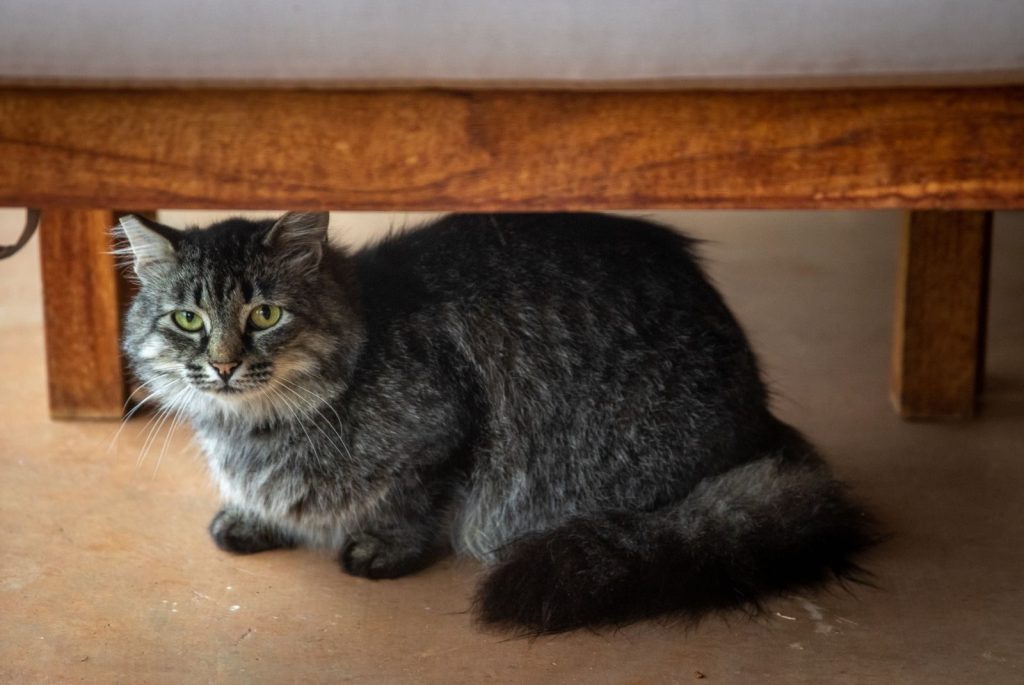
A social kitty that suddenly retreats to the back of a dark closet is sending a loud cry for help. Pain makes cats feel incredibly vulnerable, driving them to hide in secure, isolated spots. They may also growl or hiss if you try to touch them in sensitive areas. This sudden defensive behavior is a clear sign that they need a vet. Fortunately, modern medicine offers highly effective relief.
Partnering with your veterinarian for relief
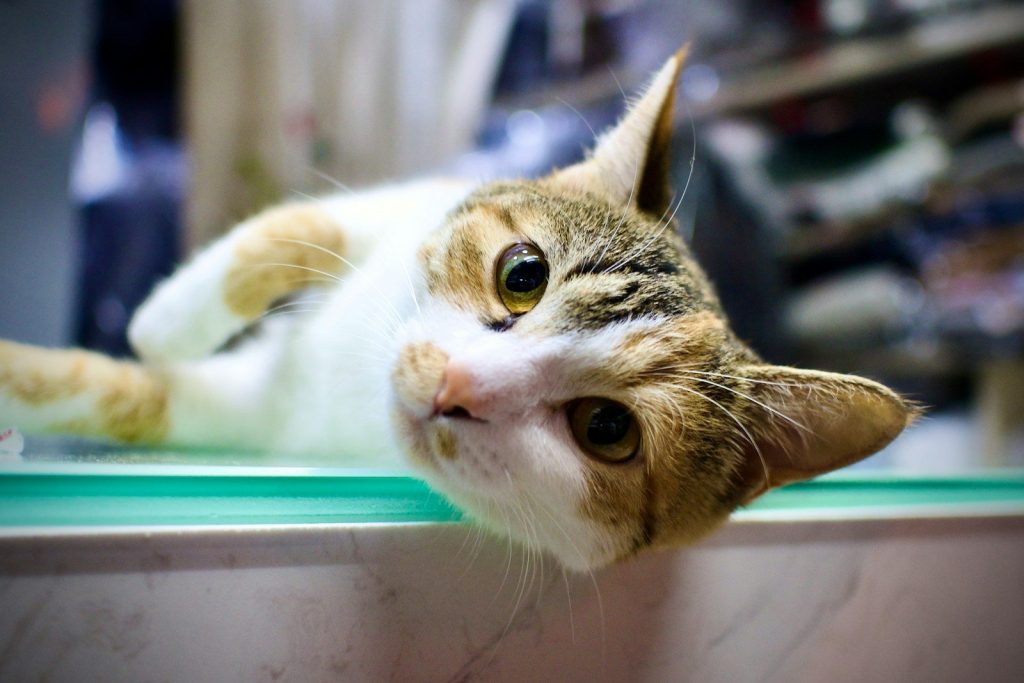
Never give your pet human pain relievers, as medications like acetaminophen are highly toxic to cats. Instead, schedule a thorough veterinary exam to identify the root cause of their discomfort. Your vet can prescribe safe, targeted therapies and joint supplements to restore your kitty’s quality of life. This article is for informational purposes only and does not constitute veterinary advice.
Featured Image: Photo by Magda Ehlers on Pexels