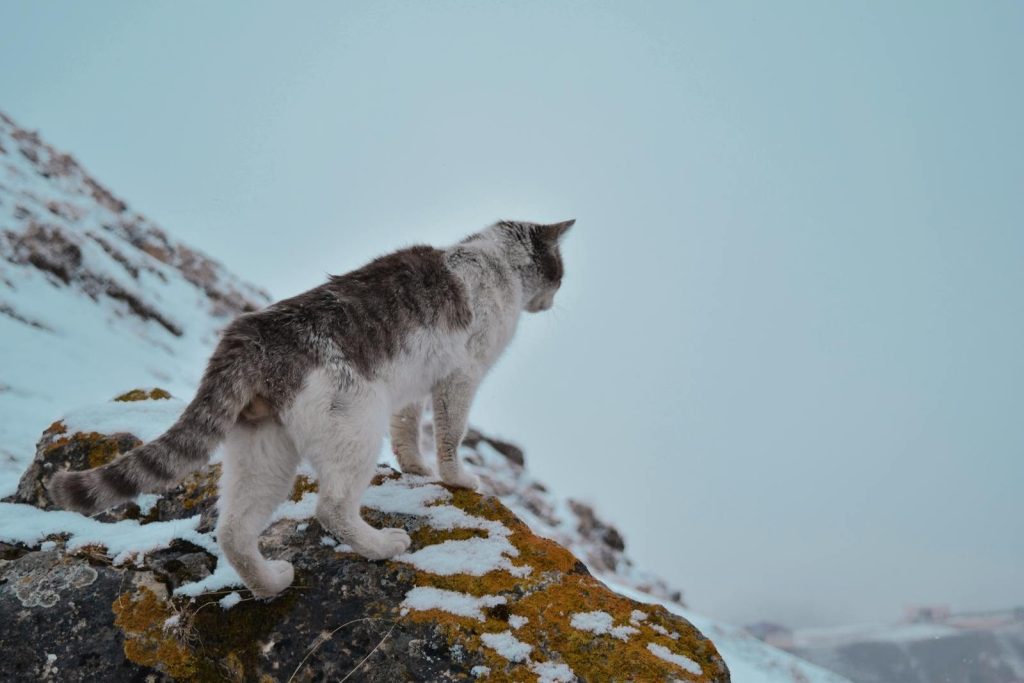

High up in the freezing Andes Mountains, a silent predator walks across the jagged rocks. It lives in a world of ice and thin air.
This is the Andean mountain cat, the rarest wild feline in the Americas. Only a tiny handful of people have ever seen it in real life.
Living on the edge of the world
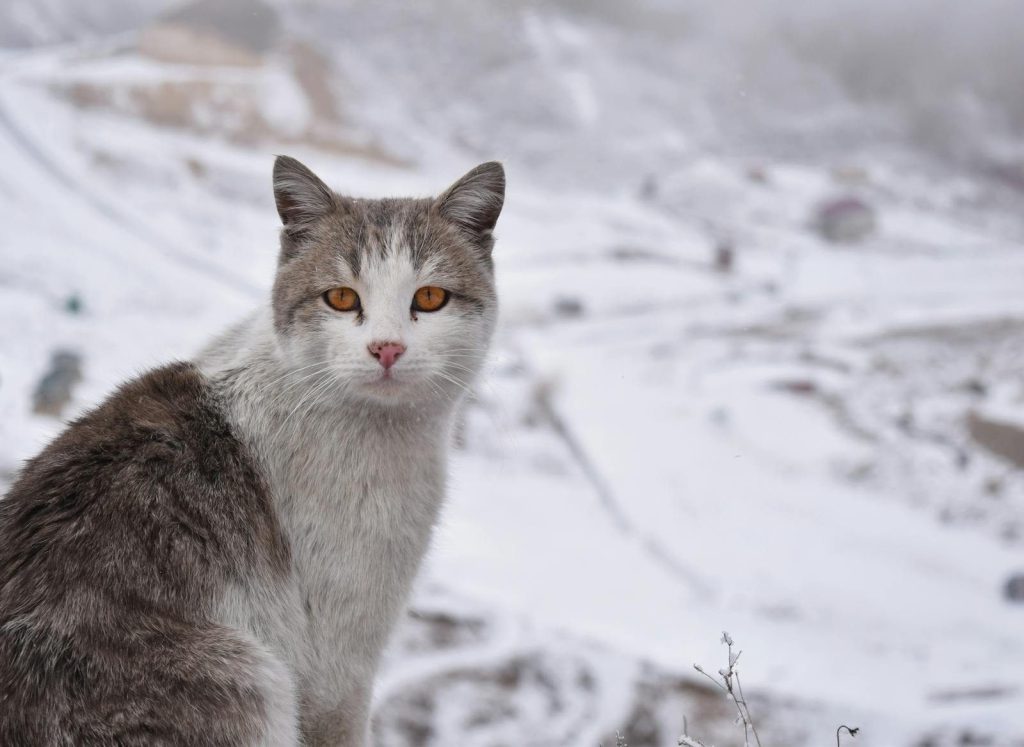
Andean cats survive at altitudes of up to fifteen thousand feet, where trees cannot grow. This extreme environment features freezing temperatures and savage winds that would kill most normal animals. Their thick, plush grey fur keeps their bodies insulated against the brutal cold. According to the Andean Cat Alliance, fewer than two thousand of these felines remain in the wild. But how do they find food here?
Hunting agile prey on rocky cliffs
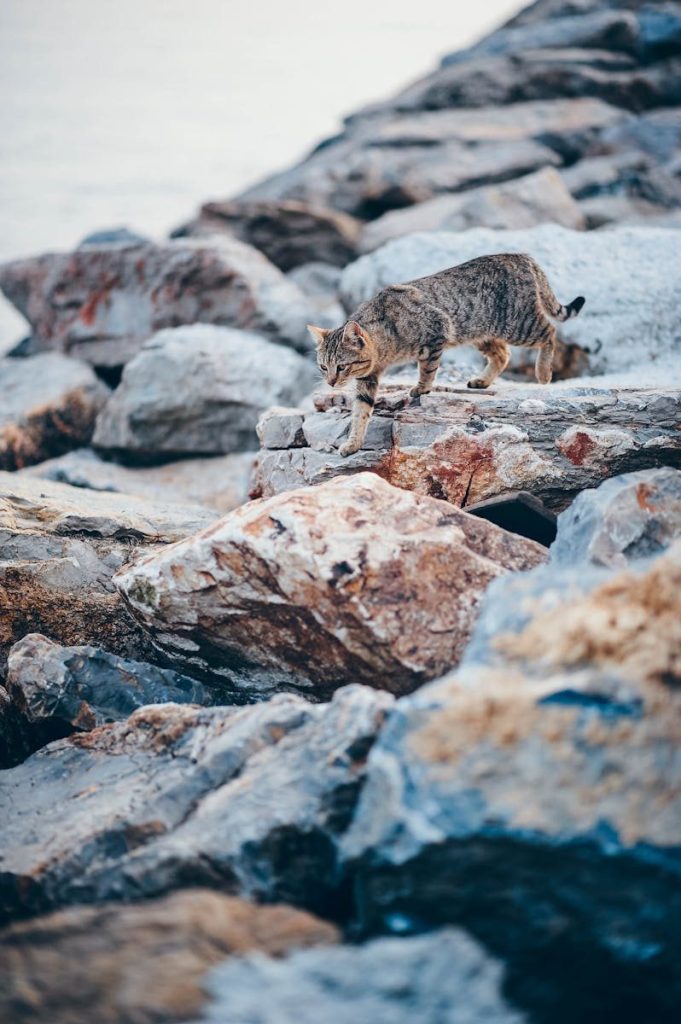
The barren peaks offer very few food options for a carnivore. Andean cats rely almost entirely on mountain chinchillas, which are incredibly fast rodents that leap across rocky crevices. The feline must use extreme stealth and explosive speed to catch these agile targets. Their long, ringed tails act like a balancing pole during high-stakes chases. But their physical traits hold another major evolutionary secret.
The purpose of a massive fluffy tail
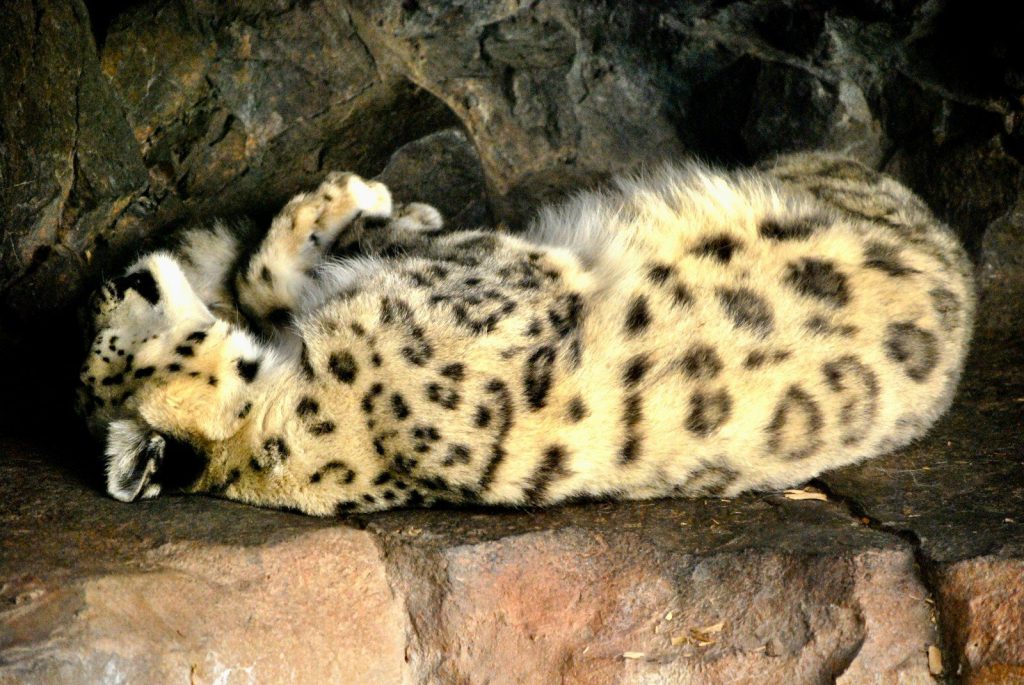
An Andean cat tail can make up sixty percent of its entire body length. This fluffy organ does not just help them balance during steep mountain jumps. It also serves as a warm scarf that they wrap around their face and paws while sleeping in frozen caves. This natural biological blanket is crucial for survival during sub-zero nights. Yet tracking these animals remains a massive challenge.
Using technology to study a ghost
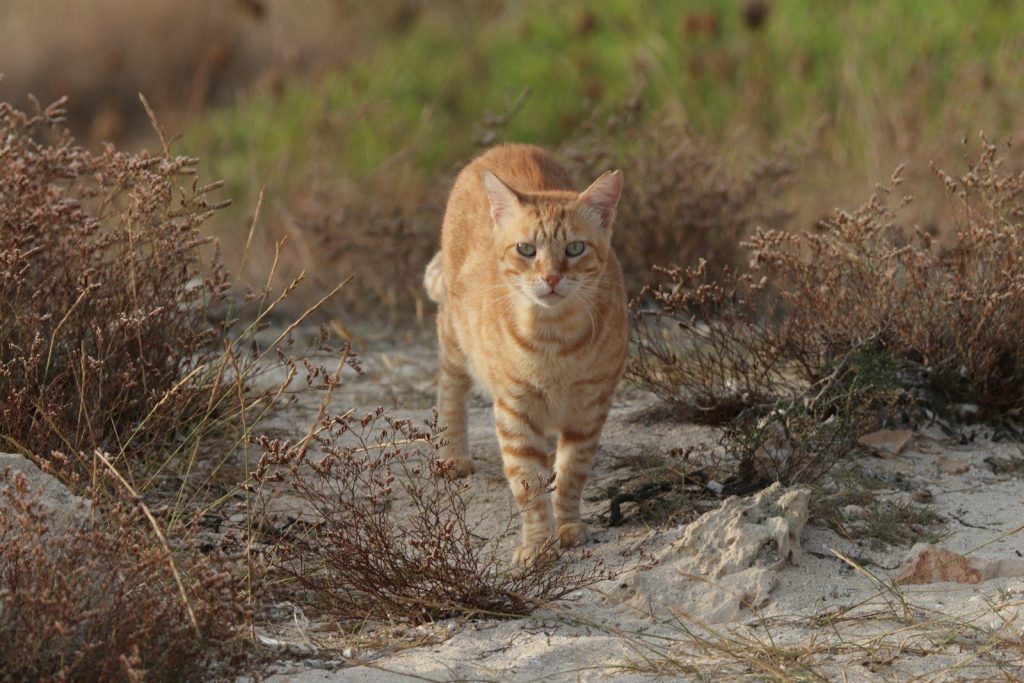
Because these cats blend in perfectly with grey rocks, researchers must rely on automated camera traps. These motion-activated sensors are placed near steep cliffs and rocky paths. Scientists can wait for six months just to capture a single blurry photograph of a passing animal. Each clear image provides vital clues about their territory and daily habits. But their fragile mountain home faces a sudden crisis.
The threat of expanding human activity
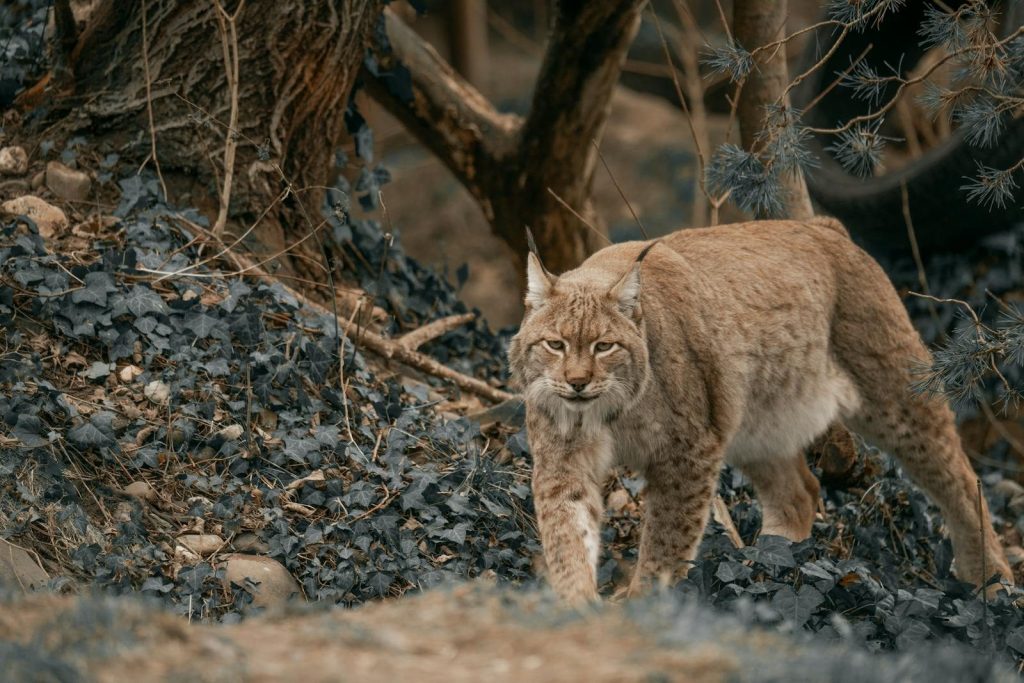
Open-pit mining and new mountain roads are rapidly dividing the cat territory. This fragmentation prevents the isolated felines from finding mates and keeping their gene pool healthy. Feline geneticists warn that small, disconnected populations face a very high risk of local extinction. Conservation teams are racing to build protected corridors between these rugged peaks. But they cannot do this work alone.
Working alongside local mountain communities
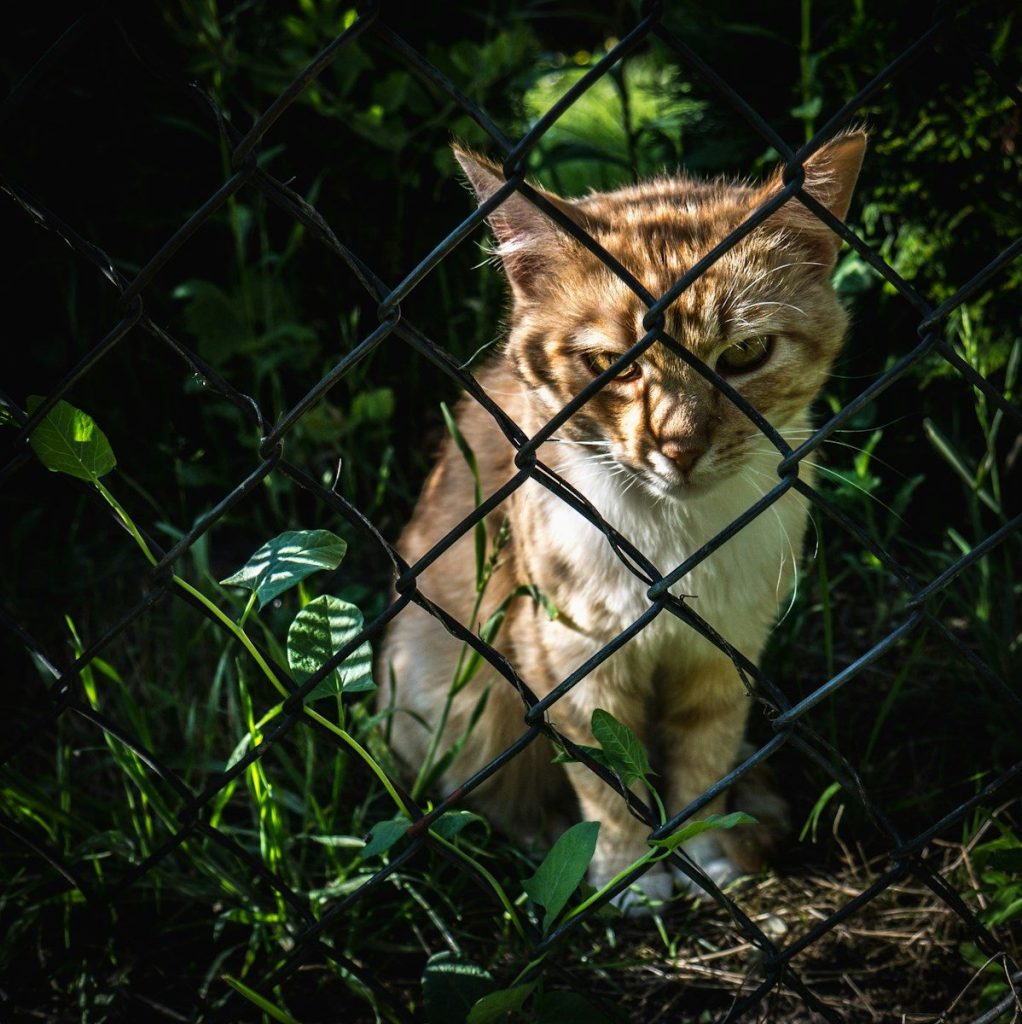
Educating high altitude communities is the most effective way to secure a future for these animals. Local sheep herders often protected their flocks by setting traps that accidentally harmed wild cats. Conservation groups now provide sturdy predator-proof corrals to keep livestock safe without using violence. This cooperation turns previous rivals into active wildlife guardians. But what health lessons can we learn from them?
Comparing wild survival to domestic comfort

While your indoor cat shares many basic physical needs with its wild cousin, their stress levels are completely different. Wild felines face constant environmental pressure and resource scarcity every single day. Your domestic pet relies on you to provide a stable, predictable routine that keeps their immune system strong. This contrast highlights the massive impact of human care. But how can regular cat lovers help?
Supporting global efforts from home
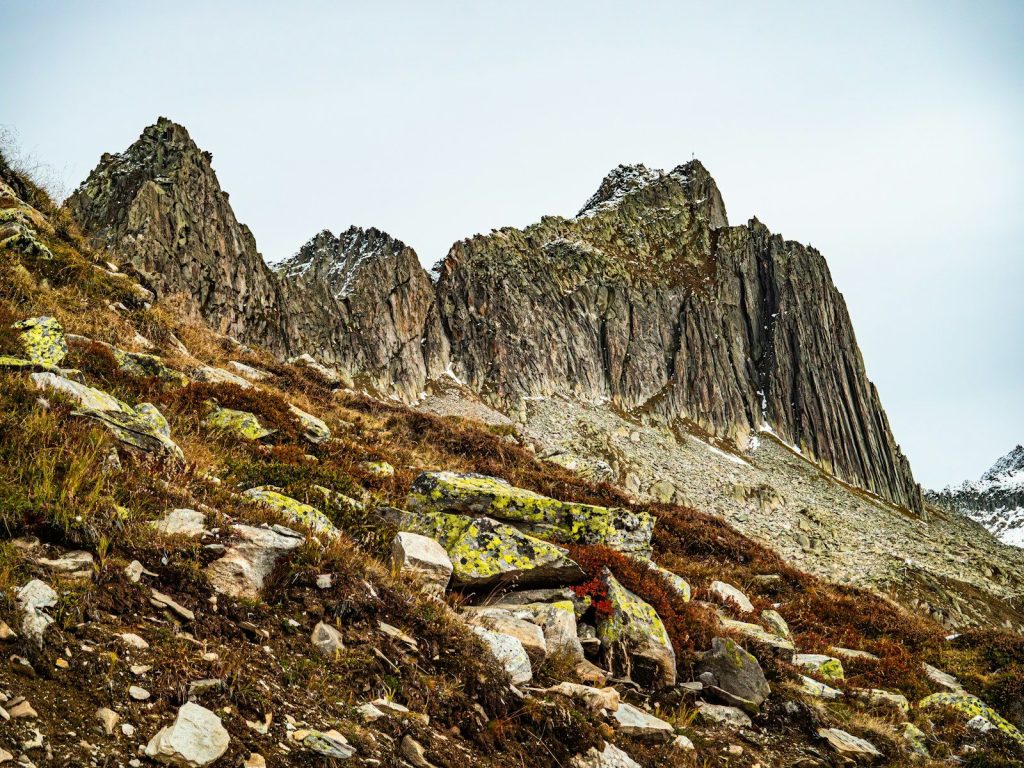
Sponsoring remote camera research helps scientists collect the data needed to establish new national parks in South America. Spreading awareness about endangered mountain species ensures these animals are never forgotten. This article is for informational purposes only and does not constitute veterinary advice. Your curiosity and support keep the beautiful Andean cat safe on its lonely mountain peaks.
Featured Image: Photo by Alizada Saleh on Pexels