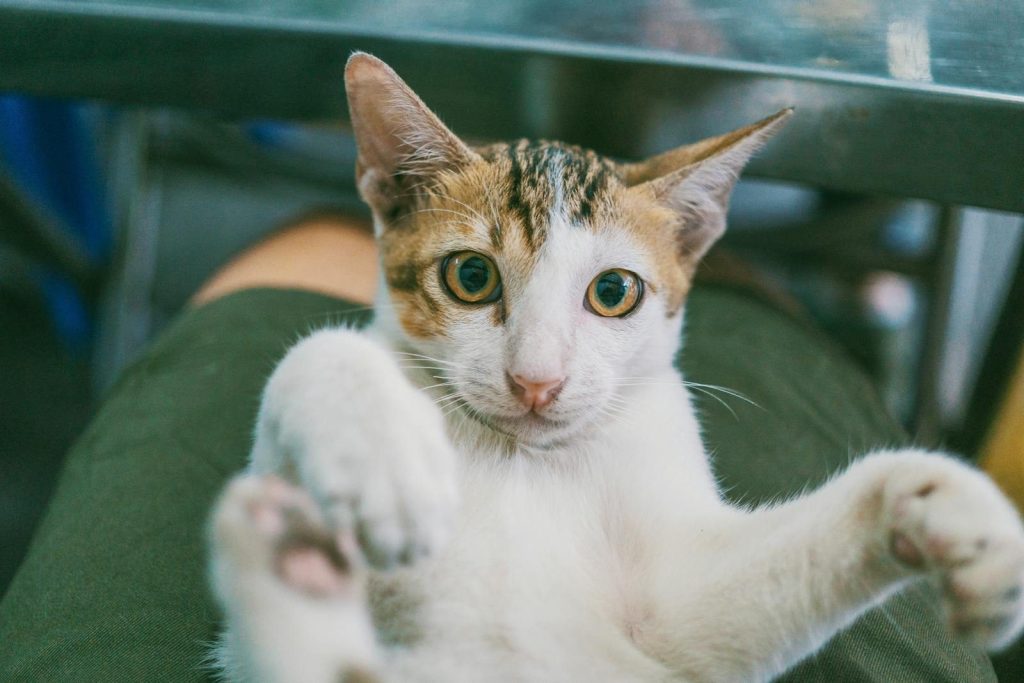

You invite a guest over who openly dislikes felines. Within five minutes, your cat ignores you completely and climbs directly into their lap.
This scenario plays out in millions of living rooms every single day. Science reveals why felines are naturally drawn to reluctant humans.
The power of avoiding eye contact
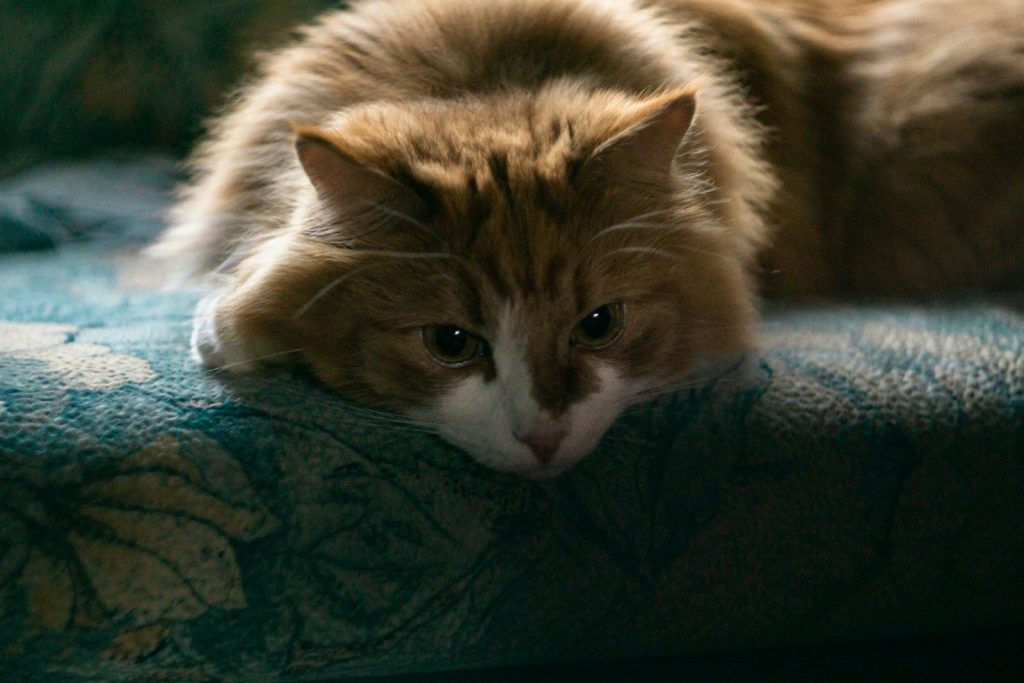
In the feline world, direct eye contact is an assertive display of dominance or potential threat. A person who loves cats will often stare, smile, and move toward the animal quickly. This enthusiastic approach can feel incredibly intimidating to a sensitive cat. Meanwhile, the person who dislikes cats will deliberately look away. This quiet behavior sends a very surprising signal to the animal.
Reading the silent language of calm
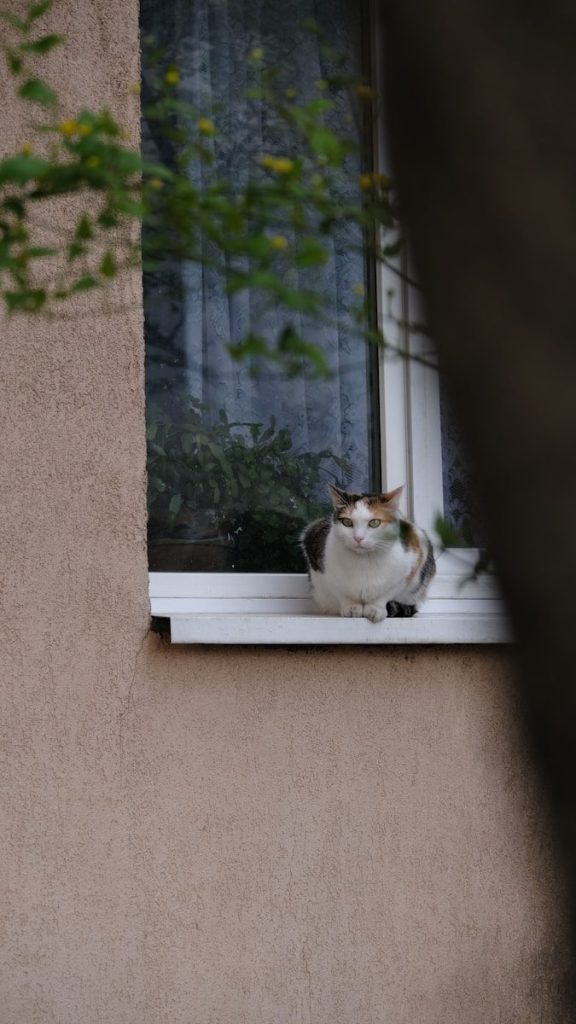
By ignoring the cat, your guest is unknowingly demonstrating perfect feline manners. They are stating they have no interest in starting a conflict or claiming territory. According to the American Veterinary Medical Association, cats naturally gravitate toward quiet, predictable environments. They view the uninterested person as a safe zone. But how does body posture change their choice?
The appeal of still body language
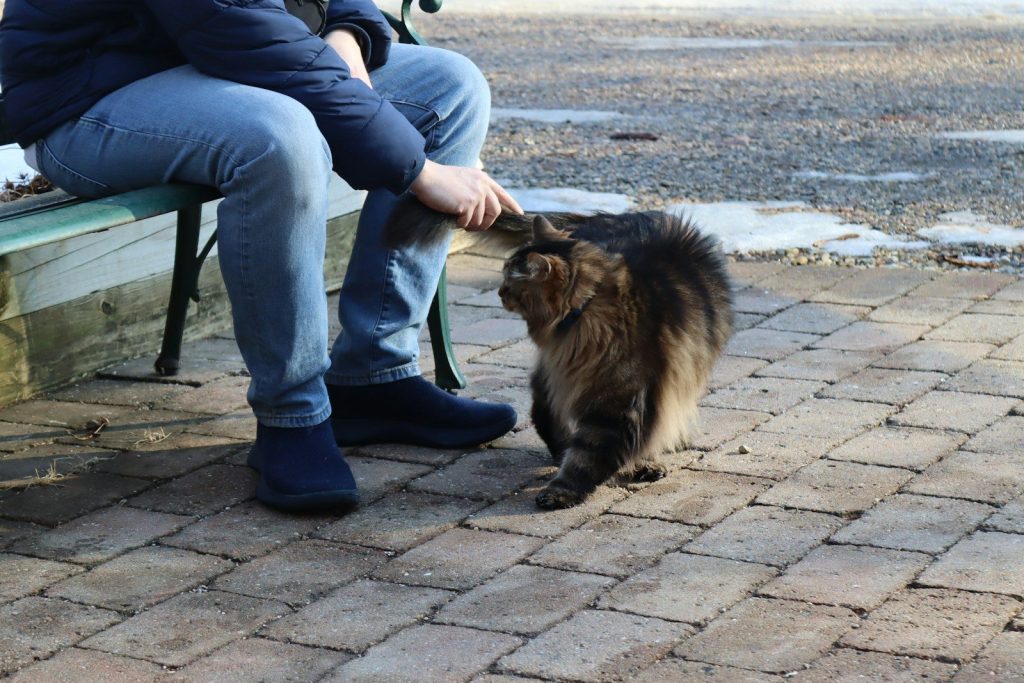
A reluctant visitor usually sits very still to avoid attracting the animal’s attention. This lack of sudden movements is highly appealing to a cautious feline. They feel comfortable exploring a person who does not try to grab, squeeze, or kiss them unexpectedly. The cat appreciates having total control over the physical interaction. Yet there is another sensory reason they choose specific targets.
Sniffing out unfamiliar scent trails
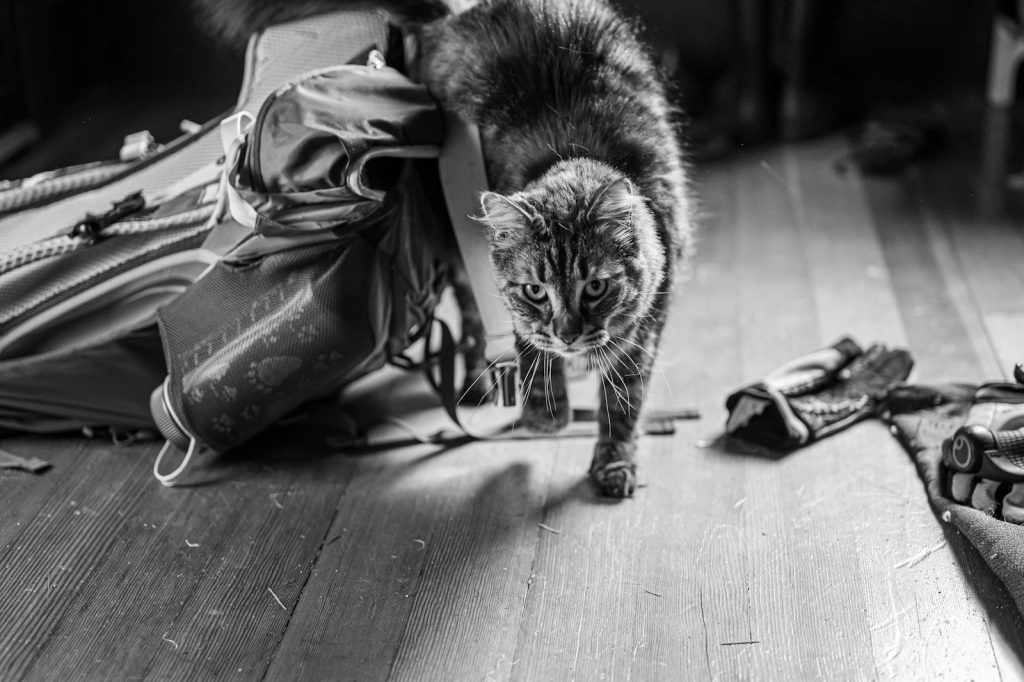
Felines rely heavily on scent to evaluate new people walking into their territory. A visitor brings a unique mix of outside smells on their shoes and clothing. The cat wants to investigate these scent notes to update their mental map. They will rub their cheeks against the visitor’s trousers to leave their own mark. But how do you help a nervous guest stay calm?
Guiding the physical interaction safely
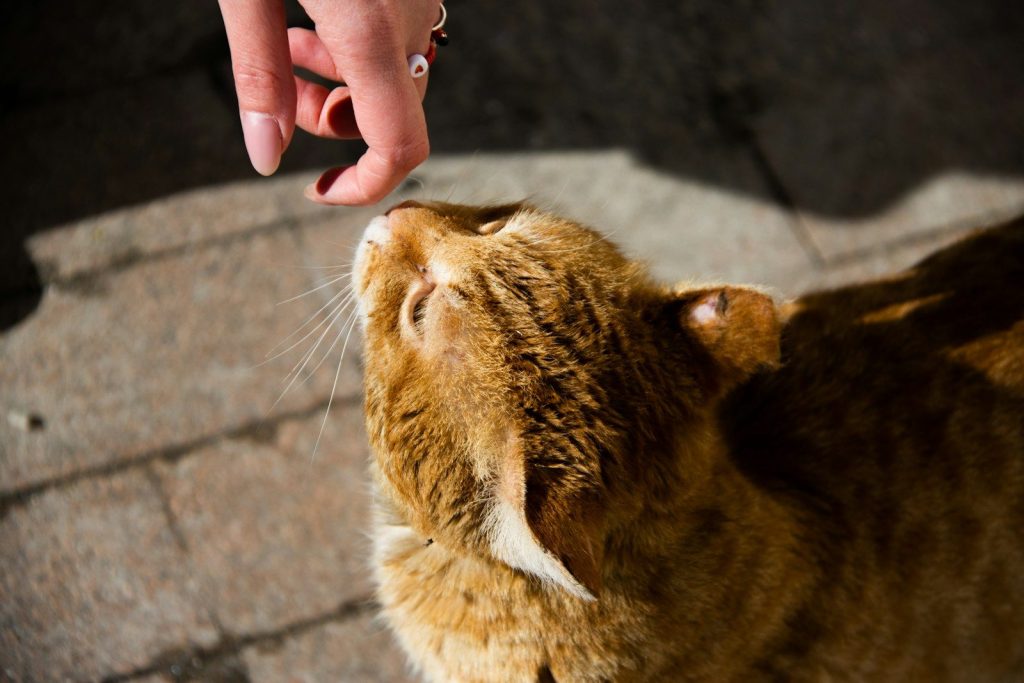
Instruct your guests to let the cat make the first move. They should simply extend an index finger at the cat’s nose level to allow a safe sniff. This simple scent greeting is the feline equivalent of a polite handshake. It builds trust without forcing unwanted physical contact. Still, some visitors might suffer from severe allergies.
Protecting guests with sensitive systems
If your guest is allergic, you must intervene to protect their health. This article is for informational purposes only and does not constitute medical advice. Redirect your cat’s attention by offering a high-quality treat in another room. Placing your pet in a quiet bedroom during the visit can prevent a medical issue. But how do you build this same trust with your own cat?
Using silent communication at home
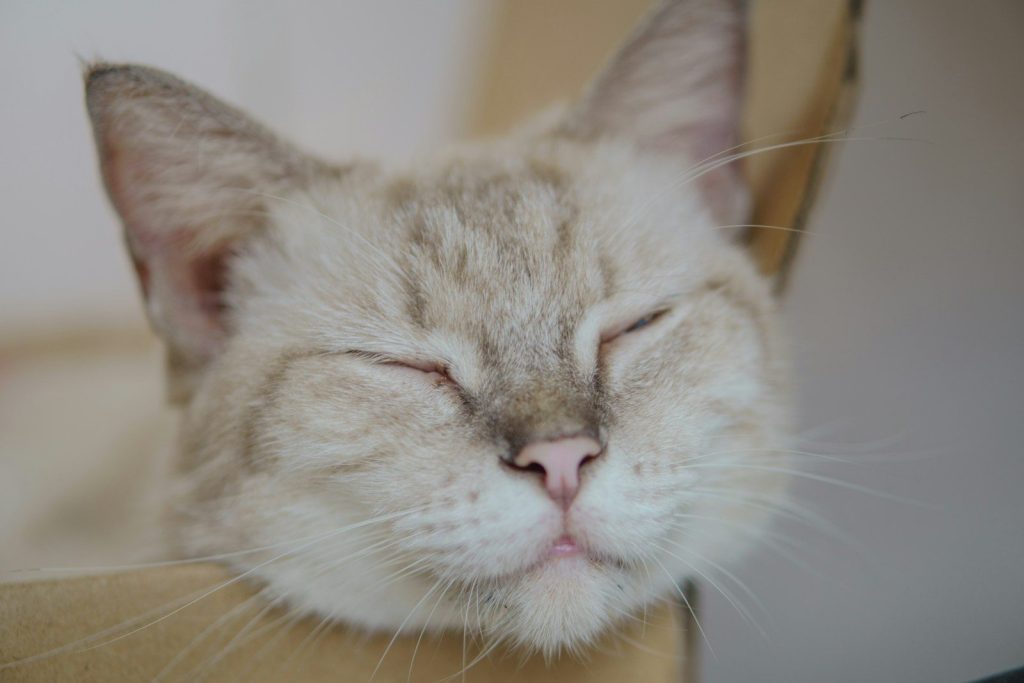
Try practicing the slow blink technique with your own pet today. Squinting your eyes slowly and looking away tells them they are completely safe in your presence. Feline behaviorists state that this simple gesture is the ultimate expression of love in cat language. It builds a deep emotional bond over time. But there is one final rule to keep in mind.
Allowing them to set the pace
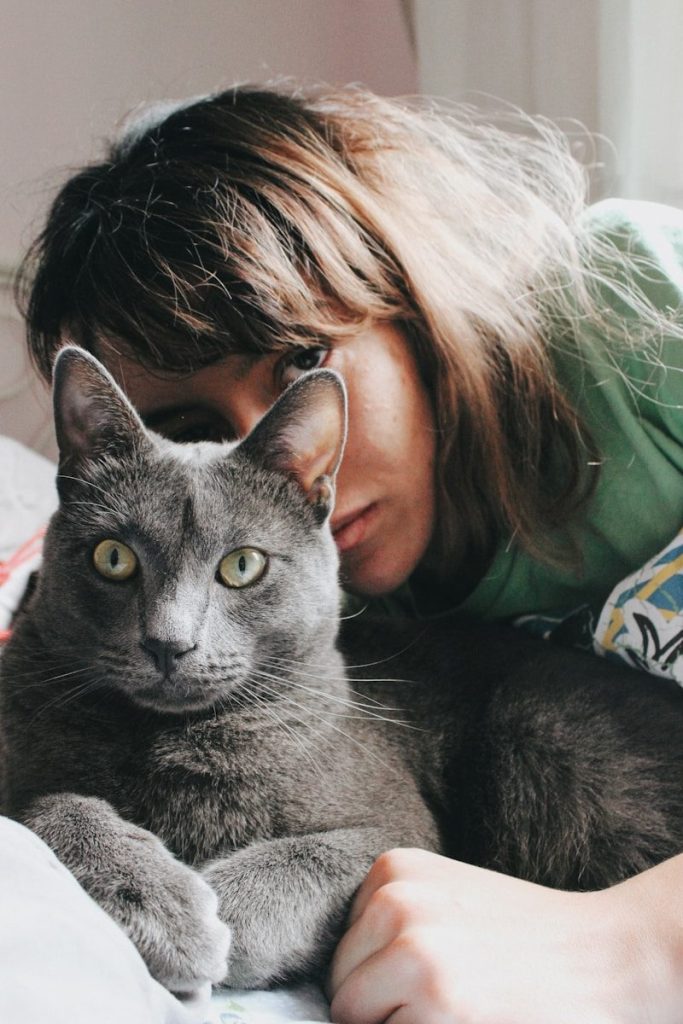
Never force a cat to stay in your lap when they try to wiggle away. Respecting their personal boundaries is the single best way to show you care. Your patient guidance transforms your living room into a secure sanctuary where they can relax. Your clever pet will reward your respect with a lifetime of quiet affection and trust.
Featured Image: Photo by FOX ^.ᆽ.^= ∫ on Pexels