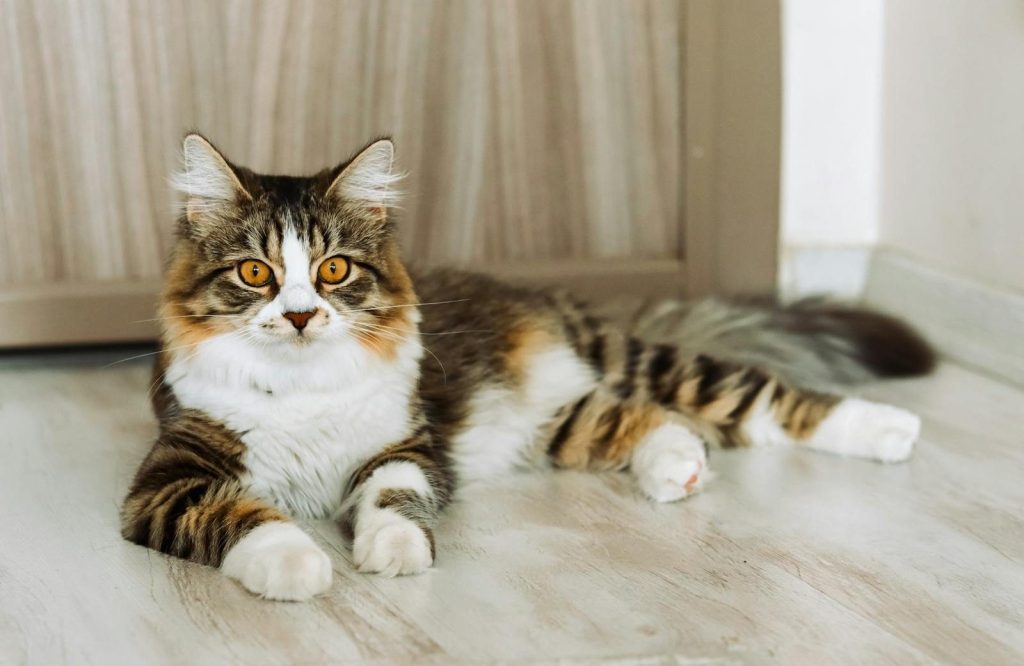

You watch two massive, fluffy kittens wrestle across your kitchen floor. Suddenly, one sibling pushes the other directly into a water bowl.
While this behavior looks like simple mischief, it is actually a vital developmental milestone. These physical games serve a crucial evolutionary purpose.
The natural drive to mimic hunting
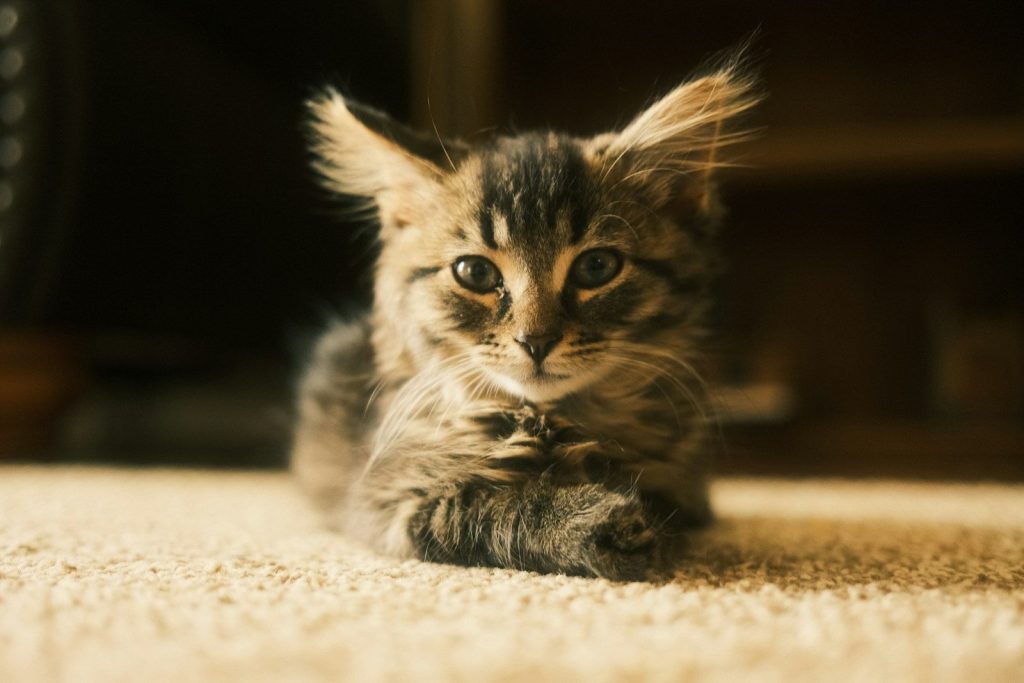
Domestic felines still carry the exact genetic survival instincts of their wild ancestors. Stalking, pouncing, and batting at playmates are essential ways young predators refine their coordination. According to the Cornell Feline Health Center, active play builds bone density and muscle tone. For a massive breed, these physical workouts are incredibly important. But their unique size creates a major challenge during play.
Managing a rapid growth spurt
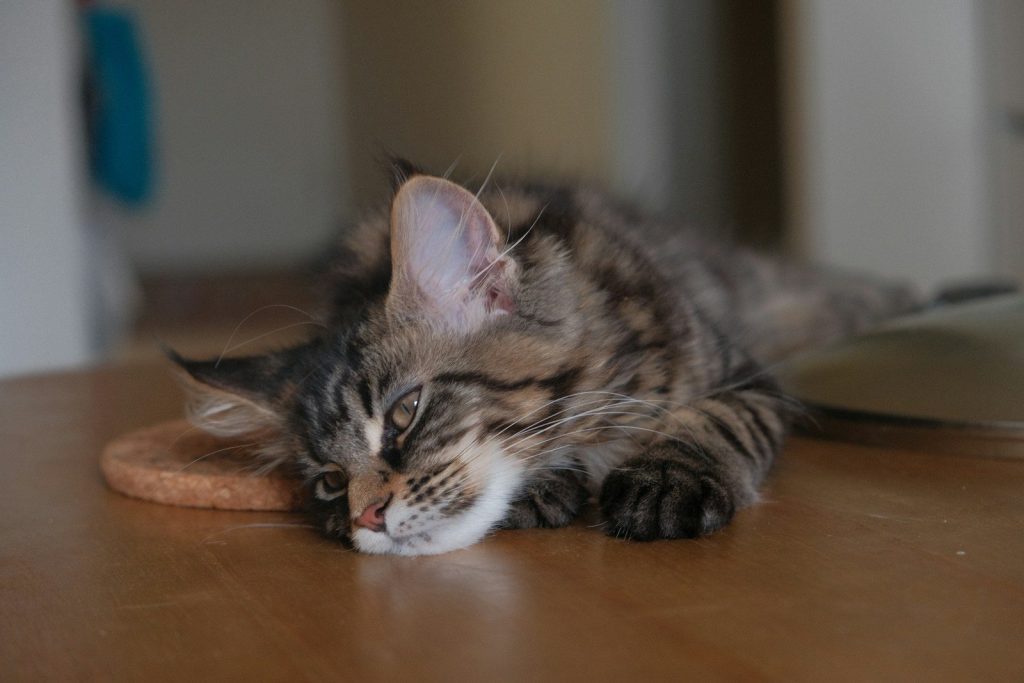
Maine Coons grow much faster than typical house cats, often reaching fifteen pounds before their first birthday. This rapid development can make them temporarily clumsy as they adjust to their changing center of gravity. Pushing and tumbling help them test their physical limits in a safe environment. However, their play styles can occasionally become too intense for smaller pets.
Learning the rules of bite inhibition
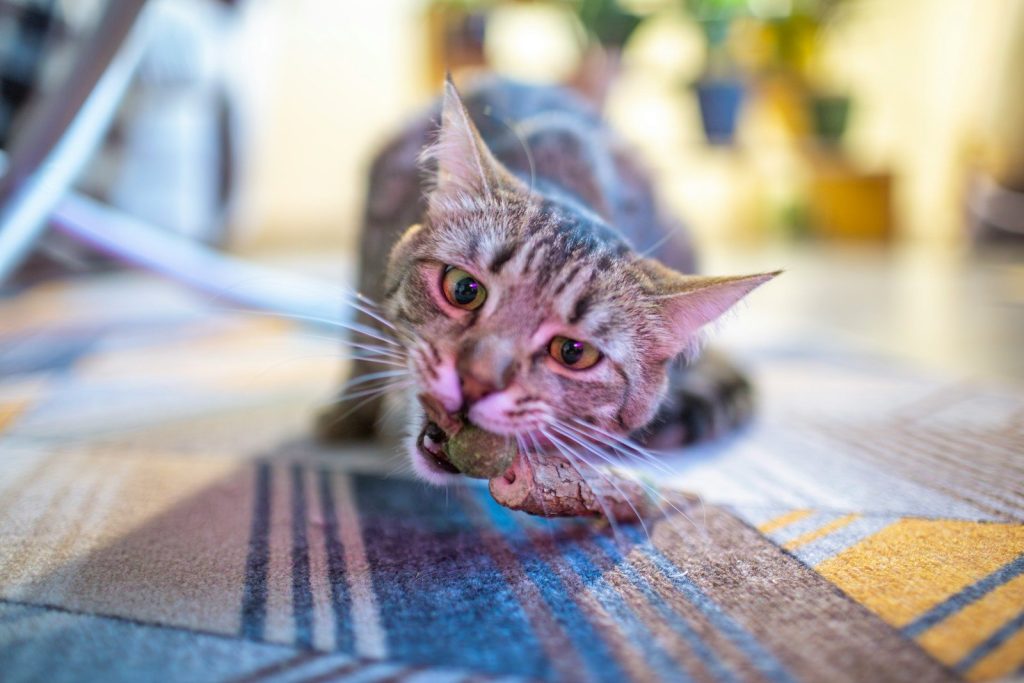
During litter play, kittens learn how much pressure is too painful. If one sibling bites too hard, the other will let out a sharp cry and walk away. This feedback teaches the young animals how to control their powerful jaws. Dr. Pam Johnson-Bennett notes that early sibling interaction prevents future aggression toward humans. But why do they love playing near water bowls?
The fascinating obsession with fresh water
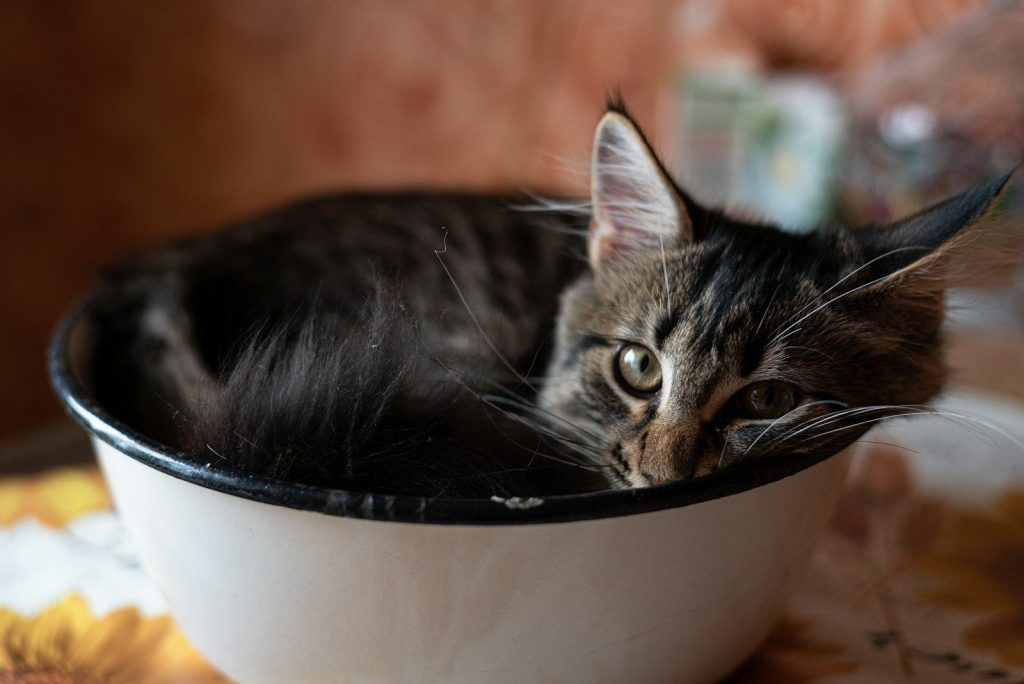
Unlike most domestic cats, Maine Coons possess highly water-resistant double coats. This genetic trait makes them incredibly curious about running water and dripping faucets. They will often splash, dunk toys, or push siblings into dishes during daily games. This watery play is completely normal for the breed. Still, you must protect your floors from the resulting mess.
Setting up a safe play area
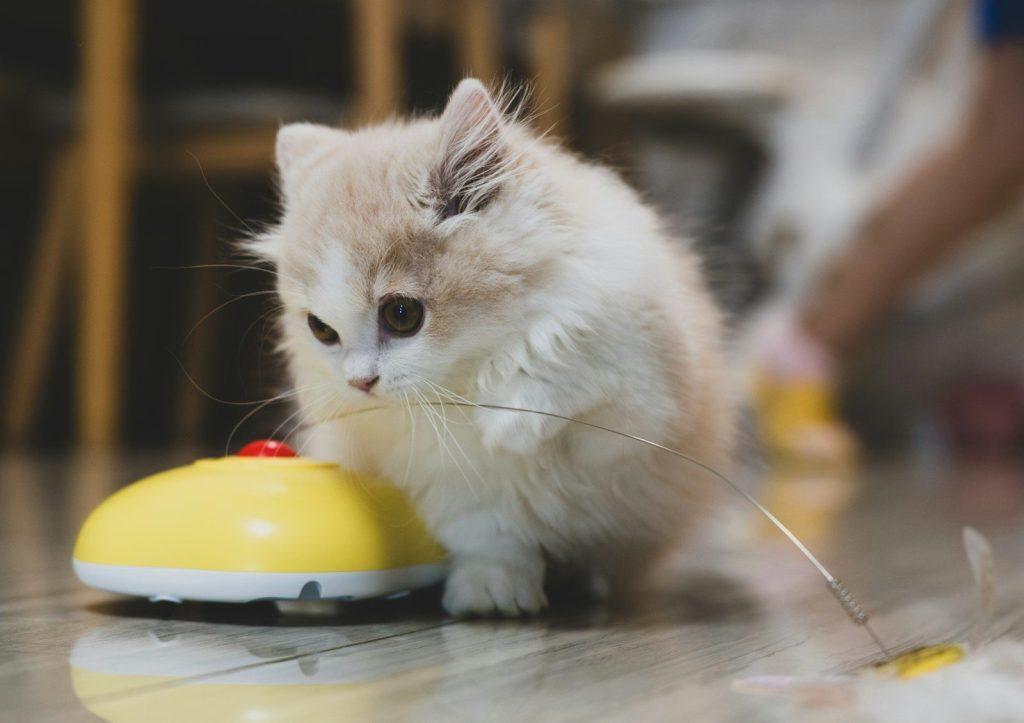
Large kittens need sturdy toys that can handle their impressive weight and strength. Avoid fragile plastic items that can easily break into sharp pieces. Placing heavy ceramic water dishes on non-slip mats prevents messy spills during chaotic play sessions. This simple setup keeps your home dry while they burn off excess energy. But how do you know when play turns into a real fight?
Watching for signs of real aggression
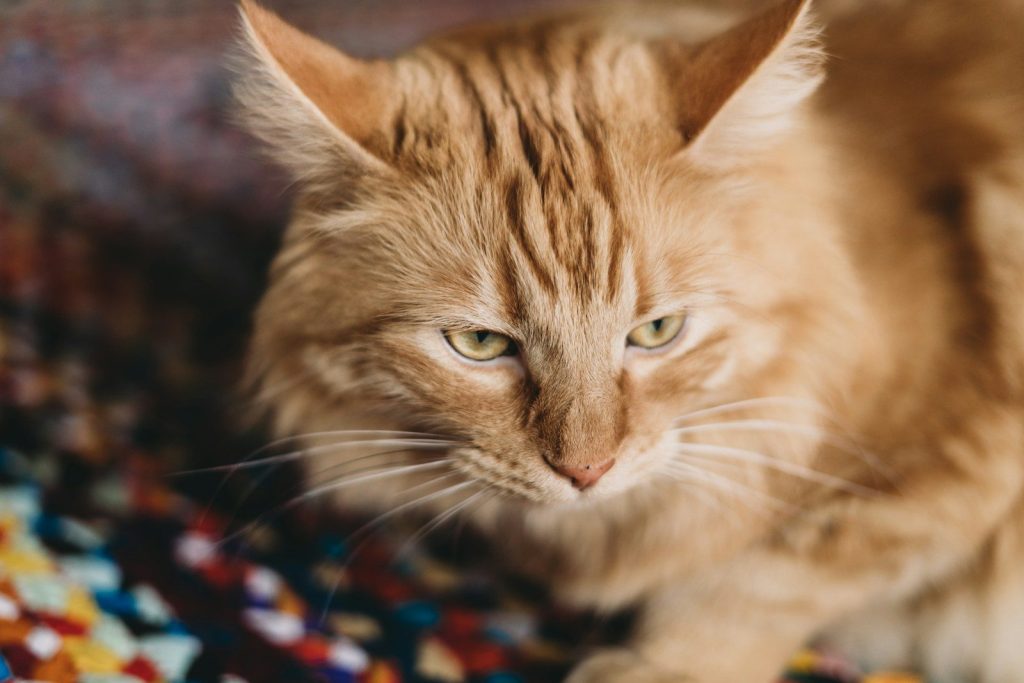
True fighting involves flattened ears, puffed tails, and deep growling sounds. If you notice these warning signs, you must intervene immediately to prevent painful injuries. This article is for informational purposes only and does not constitute veterinary advice. Using a soft toy to distract them is the safest way to break up a tense moment. But what is the best daily routine for active felines?
Channeling their energy into training
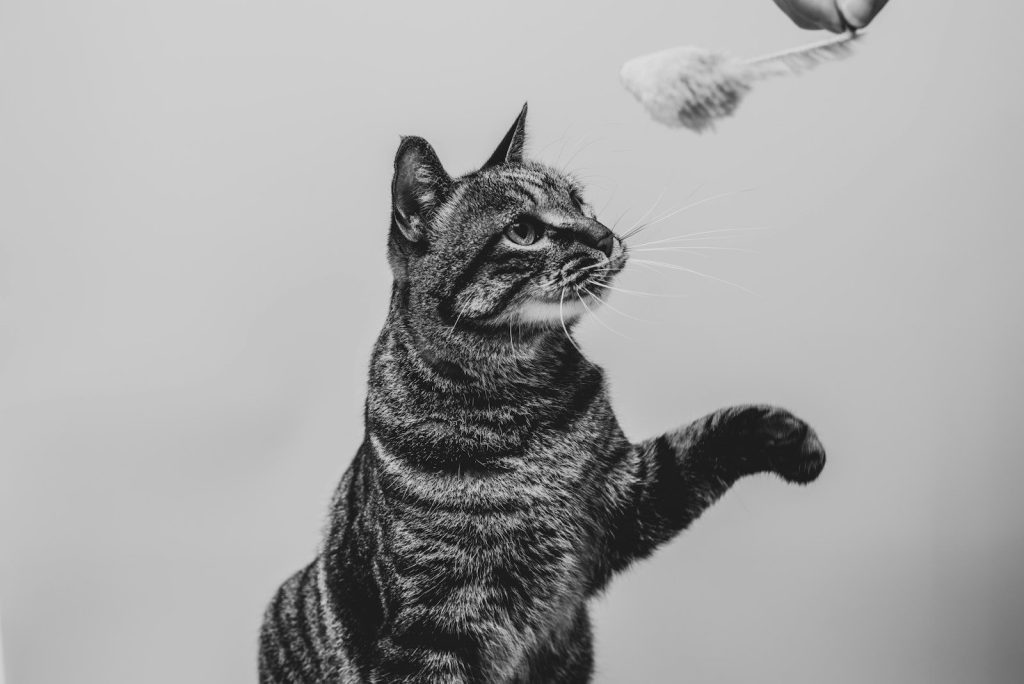
Providing daily interactive play sessions with feather wands keeps their minds active and happy. Rewarding calm behavior with healthy treats encourages positive house manners. Your careful support helps these gentle giants grow into well-behaved adult companions. They will thrive when you turn their wild energy into fun household bonding games.