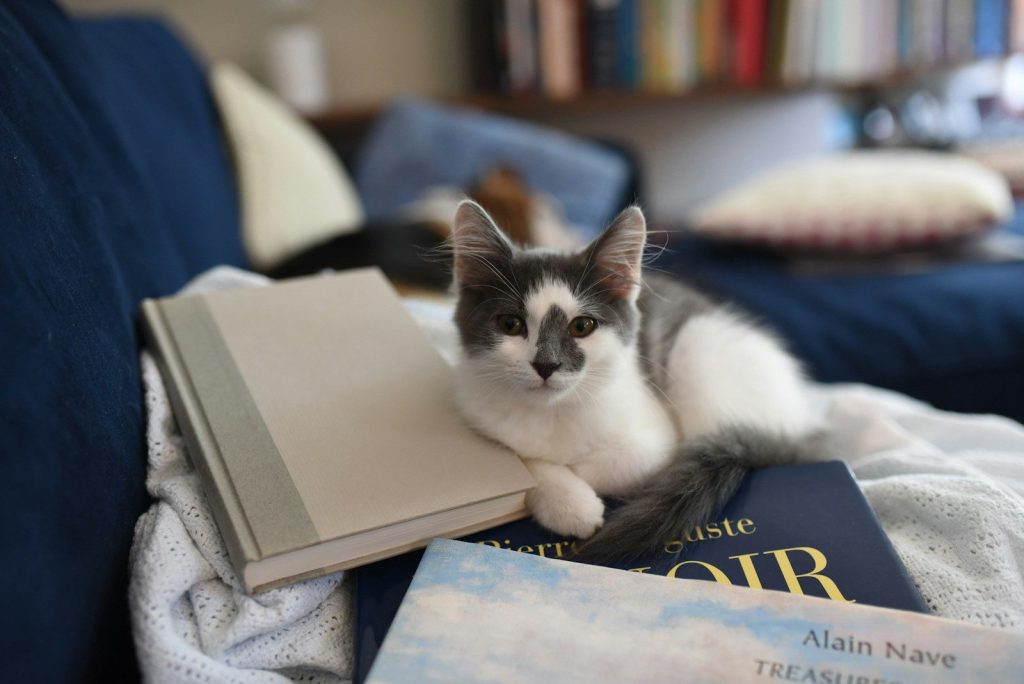

You watch a tiny calico kitten crouch low behind the living room sofa. Her pupils dilate as she targets her sleeping mother’s tail, launching a sudden, clumsy ambush.
This playful hunting behavior looks like pure sibling rivalry or cute mischief. However, science shows these daily mock attacks are actually critical survival lessons guided by natural instincts.
Developing the predatory drive
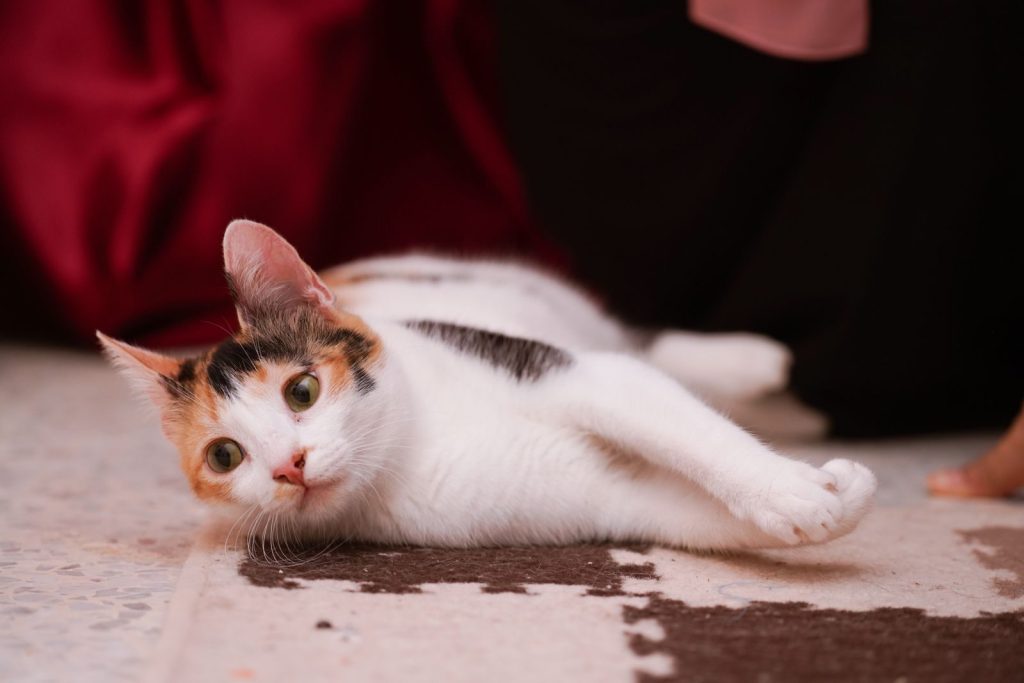
Domestic felines still carry the exact same genetic hunting drive as their wild ancestors. Young kittens must learn how to stalk, pounce, and capture prey through constant daily practice. According to the Cornell Feline Health Center, play is the primary way young predators develop their hunting coordination. Mother cats serve as the perfect, safe target for these early practice sessions. But the mother role is far from passive.
Teaching the vital bite inhibition
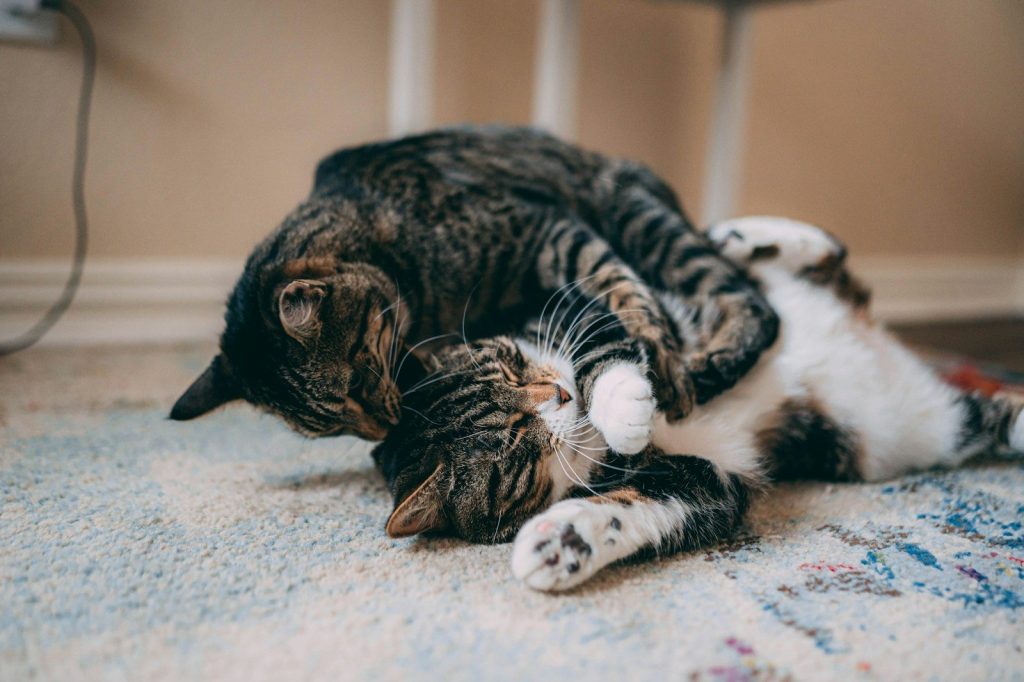
When a kitten bites too hard during play, the mother cat will react immediately. She might let out a sharp vocalization or pin the kitten down gently with her paw. This direct feedback teaches the baby how to control the strength of their jaws. It is a critical lesson that prevents them from injuring playmates or humans later in life. Yet this behavior serves another developmental purpose.
Building muscle and bone density
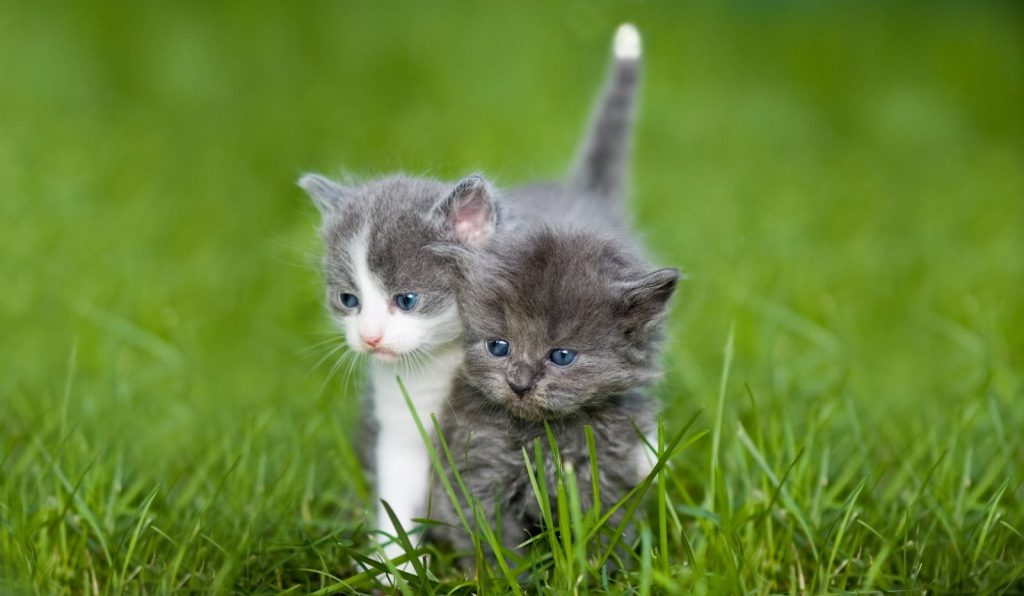
Wrestling with a larger adult cat requires incredible physical effort from a growing kitten. These active play sessions stimulate bone growth and build healthy muscle tissue. It keeps their hearts strong and prepares them for the physical demands of adult life. Regular play prevents early obesity and keeps young joints moving fluidly. However, you should monitor the intensity of their games.
Recognizing when mom needs a break

Mother cats are incredibly patient, but they have their physical limits. If you notice the mother flattening her ears or flicking her tail heavily, she is getting annoyed. It is time for you to step in and redirect the kitten’s energy. Providing alternative toys can give the tired mother a well-deserved rest. This simple intervention keeps the household peaceful for everyone.
Using interactive toys for play
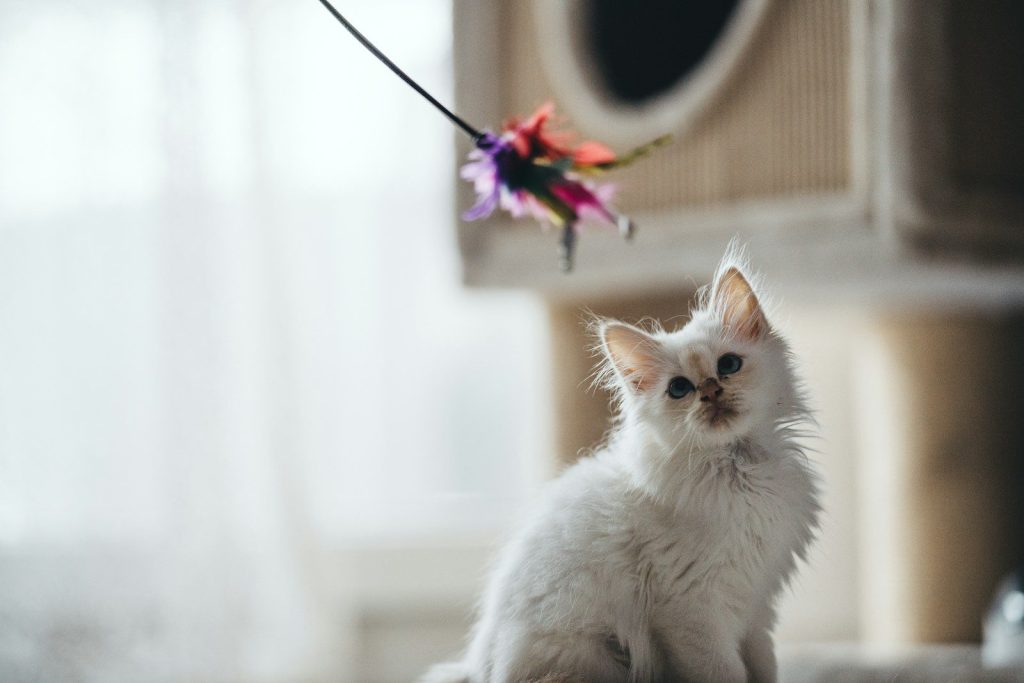
Wand toys and soft kickers are perfect for mimicking the movement of real prey. Moving a feather across the floor draws the kitten’s attention away from their tired mother. This active engagement satisfies their hunting drive without exhausting your older pet. It also strengthens the unique bond between you and your new pet. But you must watch their health too.
Consulting your vet for guidance
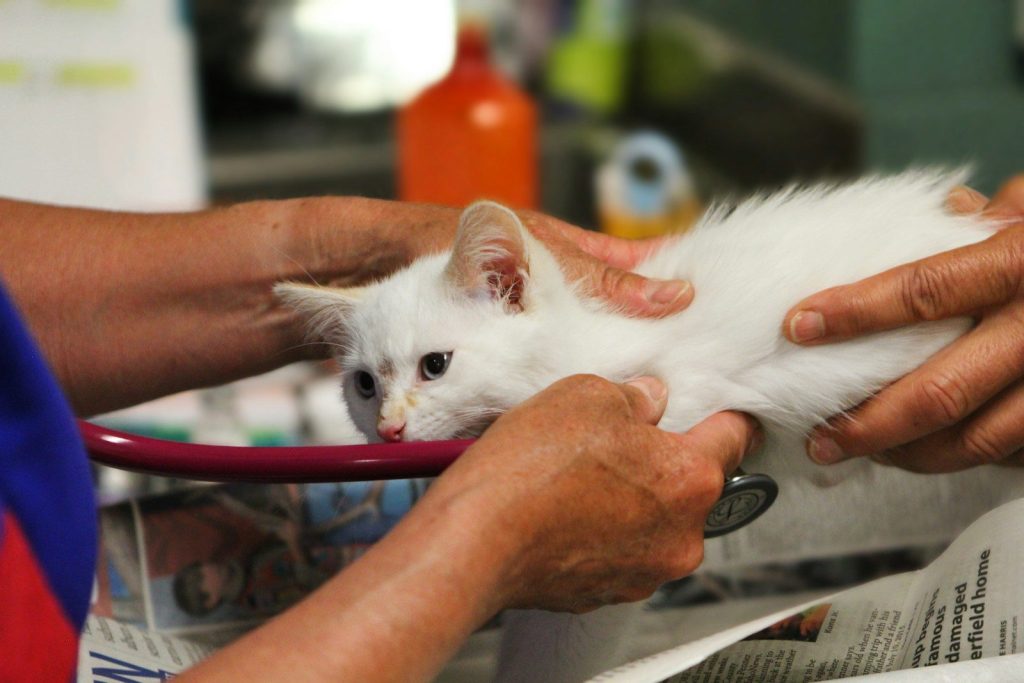
If a kitten seems hyperactive or constantly attacks without warning, check in with a professional. This article is for informational purposes only and does not constitute veterinary advice. Pain or nutritional deficiencies can occasionally trigger unusual behavioral issues in young animals. Keeping regular veterinary checkups ensures your growing pet stays healthy and happy. There is one final rule to ensure success.
Creating a secure play zone
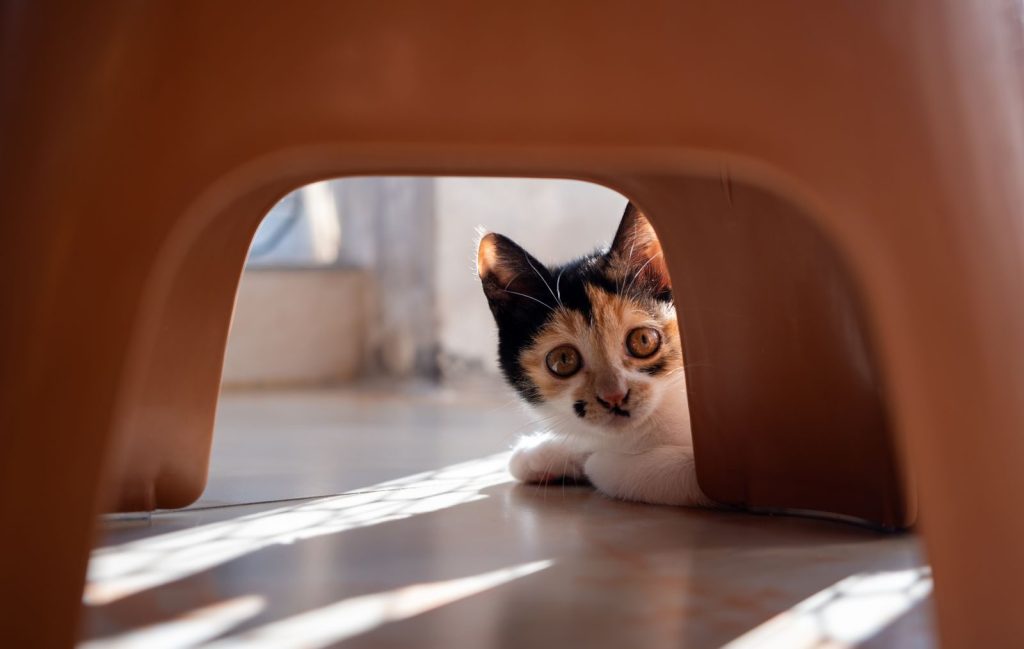
Make sure your living room is free of hazardous items that a leaping kitten could knock over. Secure heavy cords and remove toxic house plants to protect your curious explorer. Providing soft tunnels and scratching posts gives them a safe outlet for their wild hunting games. Your careful support helps your playful kitten grow into a confident, balanced adult companion.
Featured Image: Photo by Alice Feigel on Unsplash