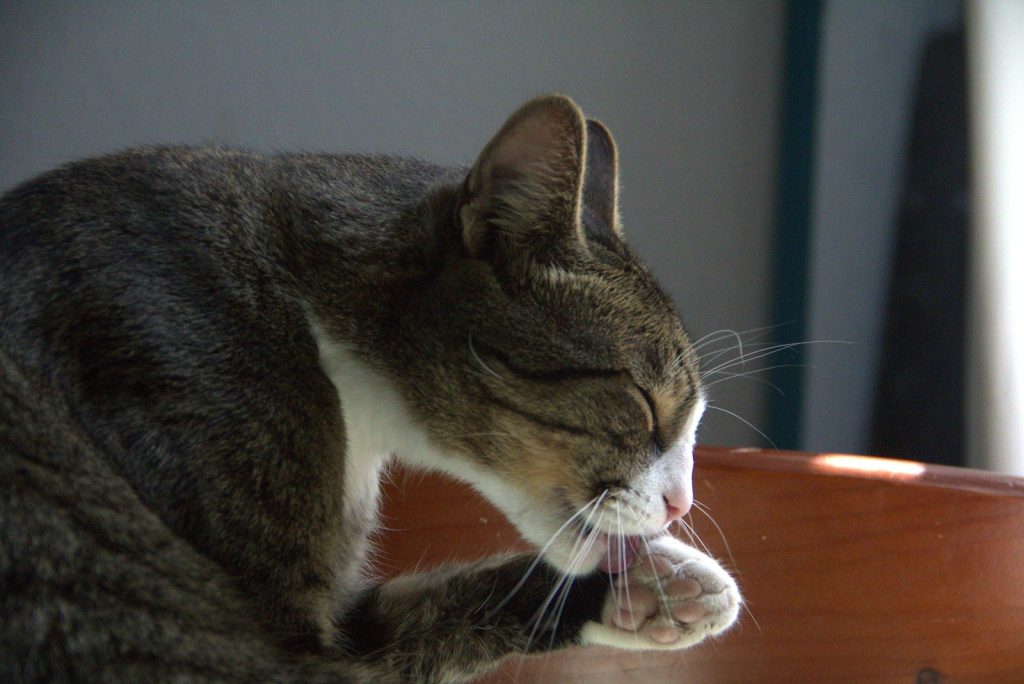

Felines are famous for being incredibly clean animals. They spend almost half of their waking hours licking and grooming their fur to stay pristine.
But some cats seem to take this daily chore to a shocking extreme. Here is the hidden science behind your cat’s intense face-cleaning habit.
The cooling secret of clean skin
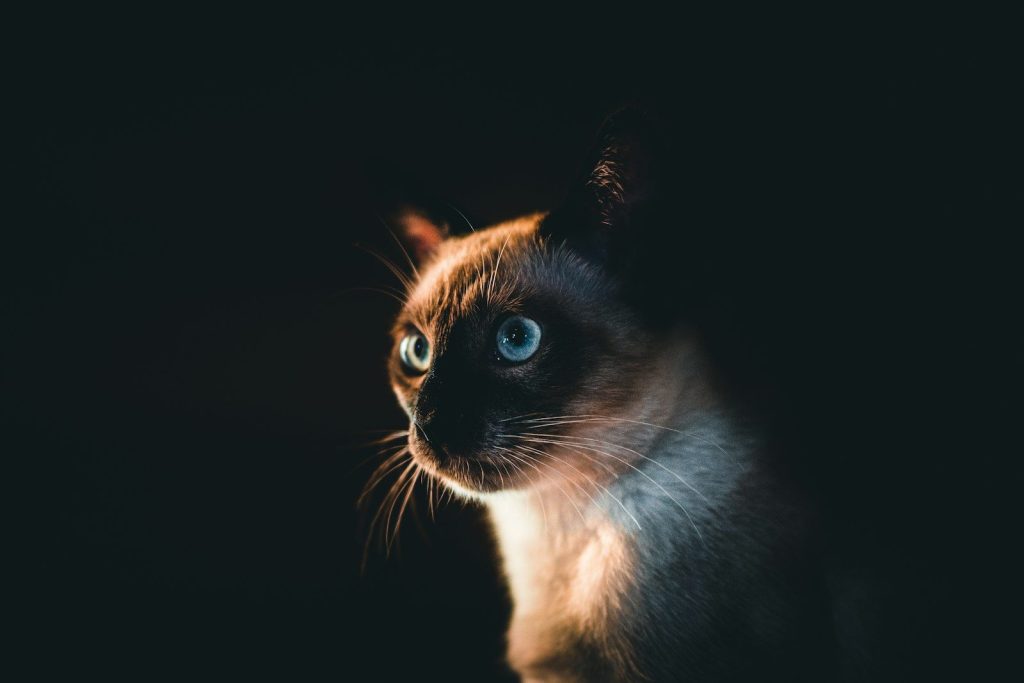
Siamese cats often top the charts for a long lifespan. These vocal felines frequently reach twenty years of age with proper care. According to Dr. Jessica Vogelsang, speaking to PetMD, their lean genetics prevent many common health issues. But another common house breed hides an even more shocking age potential.
Erasing all traces of lunch
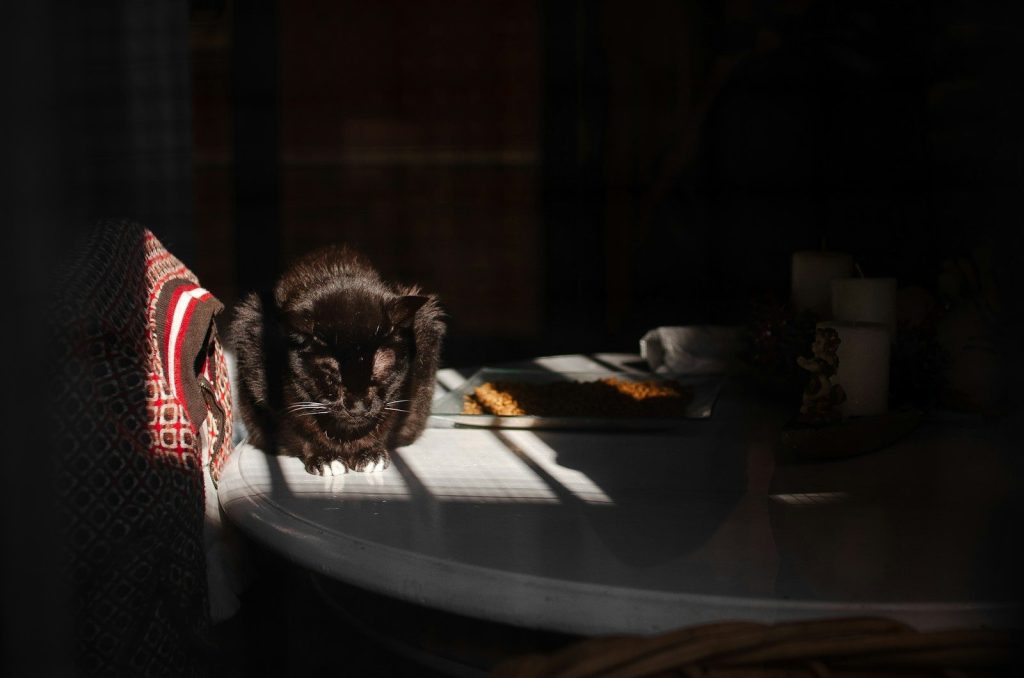
Out in the wild, leaving food odors on your face is highly dangerous. Predators hunt by scent, so a dirty chin is a direct target. Your domestic cat still feels this deep instinct to wash up immediately after every meal. They scrub their whiskers to remove any trace of scent from other animals. But this behavior also serves a sensory purpose.
Keeping vital whiskers completely clear
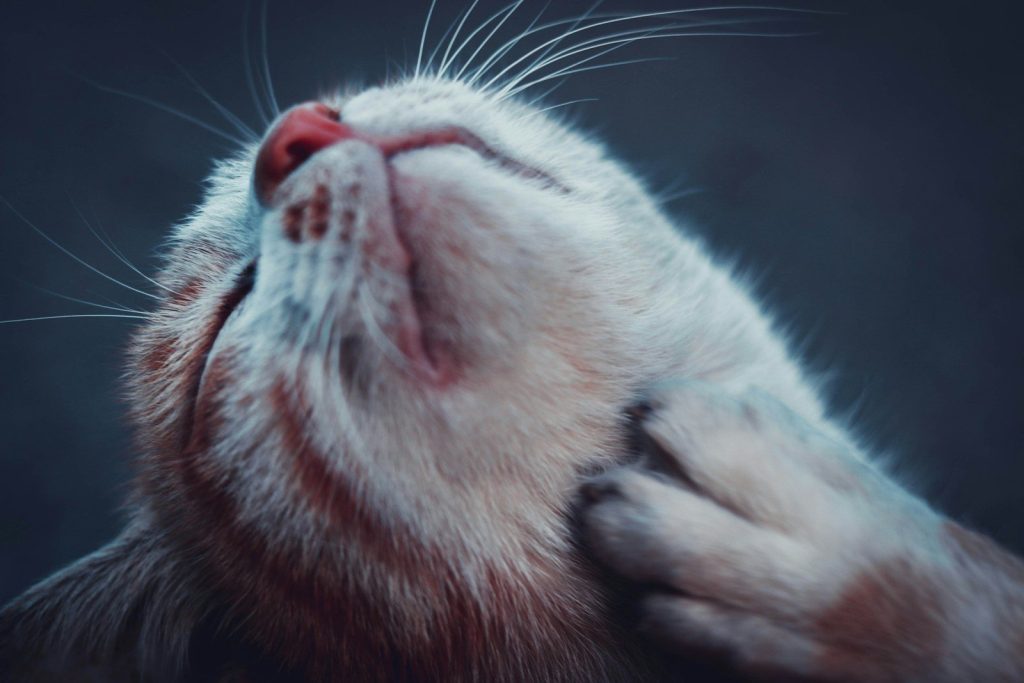
Whiskers act as navigation tools that send vital signals straight to your cat’s brain. Dirt, oil, and moisture can block these sensitive receptors and disorient your pet. By rubbing their paws across their face, they reset their sensory systems for perfect balance. This daily reset keeps them feeling confident in their environment. Yet sometimes this grooming habit can cross a dangerous line.
When cleaning turns into chronic stress
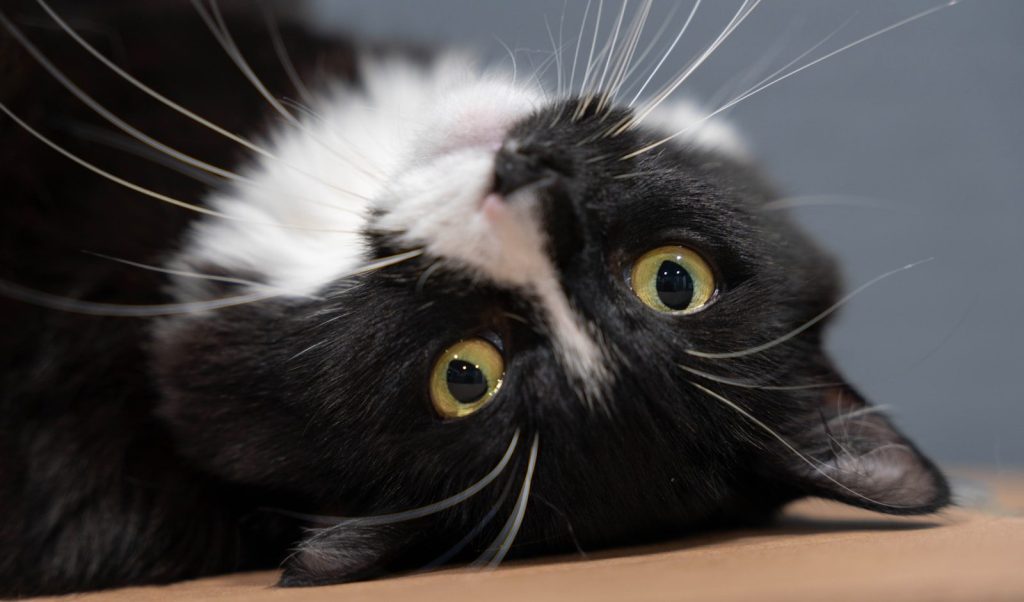
Felines often groom to self-soothe when they feel anxious or threatened. Behaviorists call this displacement grooming, which is an automatic response to household changes. If you move your furniture or host loud parties, your pet might wash their face repeatedly to calm down. This habit releases pleasant brain chemicals that lower their elevated heart rate. But overdoing it can cause serious skin damage.
Spotting the danger of bald patches
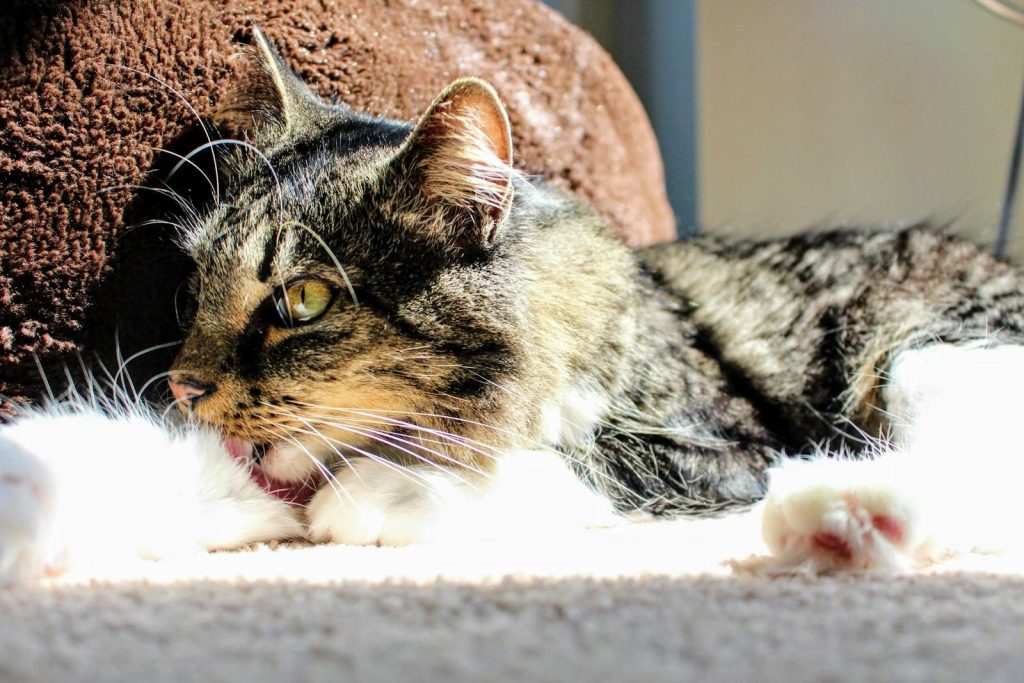
Excessive washing can wear down the fur on their cheeks and nose. Dr. Jessica Vogelsang warns that repetitive licking leads to red skin infections and hair loss. If you notice thin patches, a trip to the veterinary clinic is highly necessary. They can help you identify what is triggering this constant need to scrub. But physical pain can also hide behind this behavior.
Hidden pain in the mouth
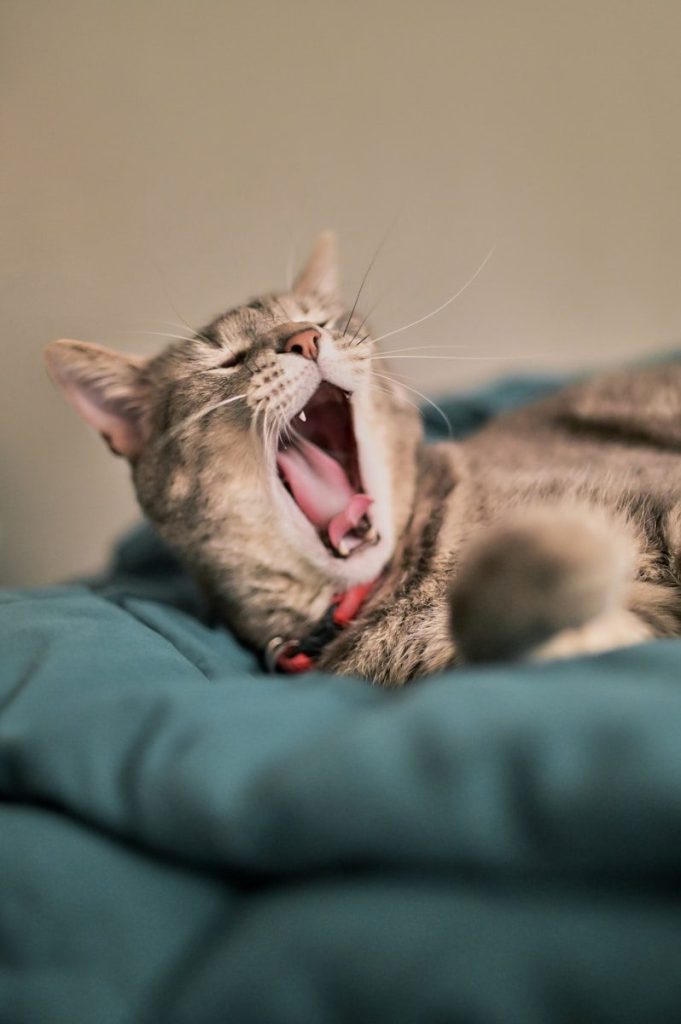
Dental issues or ear pain can make felines rub their face constantly. They paw at their cheeks in a desperate attempt to soothe the underlying ache. According to reports from the American Veterinary Medical Association, dental disease affects most adult cats over age three. It is easy to mistake this painful rubbing for normal cleaning. Fortunately, you can easily tell the difference.
Reading the signals of relaxed cats
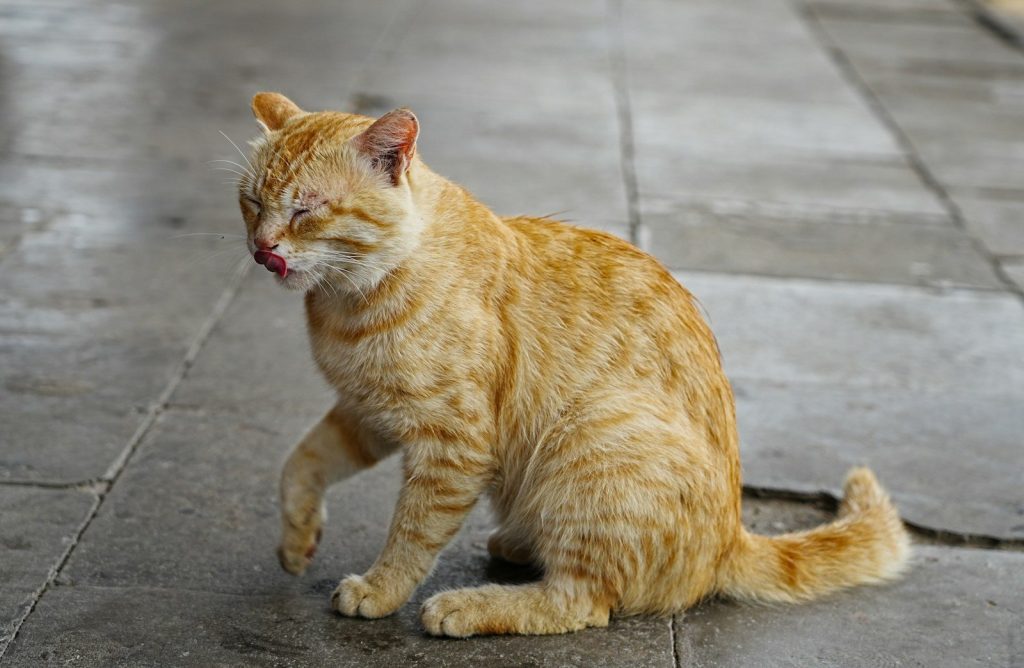
A happy cat grooms with slow movements while sitting in a loose posture. If they tense their back or flick their tail, the cleaning is driven by stress. Providing a peaceful sanctuary away from household noise will help them feel secure again. This simple change allows them to return to a healthy grooming routine. Still, there is one last way to support your pet.
Sharing the daily grooming duty
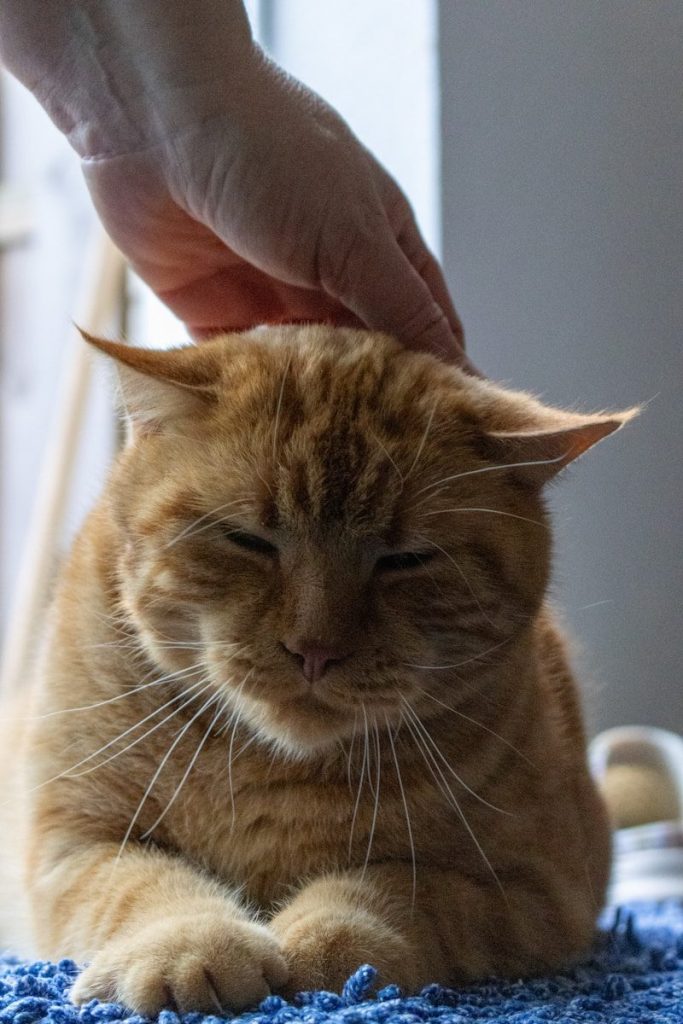
Gently brushing your cat’s cheeks can mimic the comforting touch of a sibling. It removes loose hair while distributing the natural skin oils safely. This article is for informational purposes only and does not constitute veterinary advice. Your patient’s daily care keeps your pet happy, clean, and completely safe.