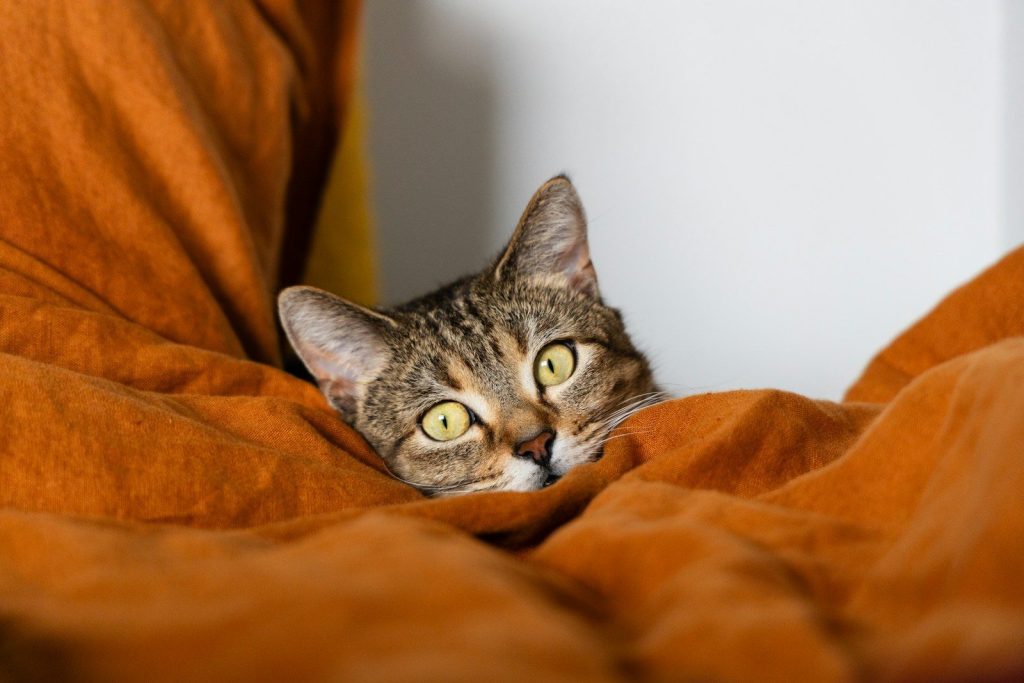

You listen to the rhythmic rumble coming from your sleeping cat. It is the most comforting sound in the world, yet the biological mechanism behind it remains a mystery.
Most people assume a purr always means pure happiness. However, groundbreaking feline research reveals that this silent vibration is actually a highly complex survival tool.
How felines produce this unique vocal vibration
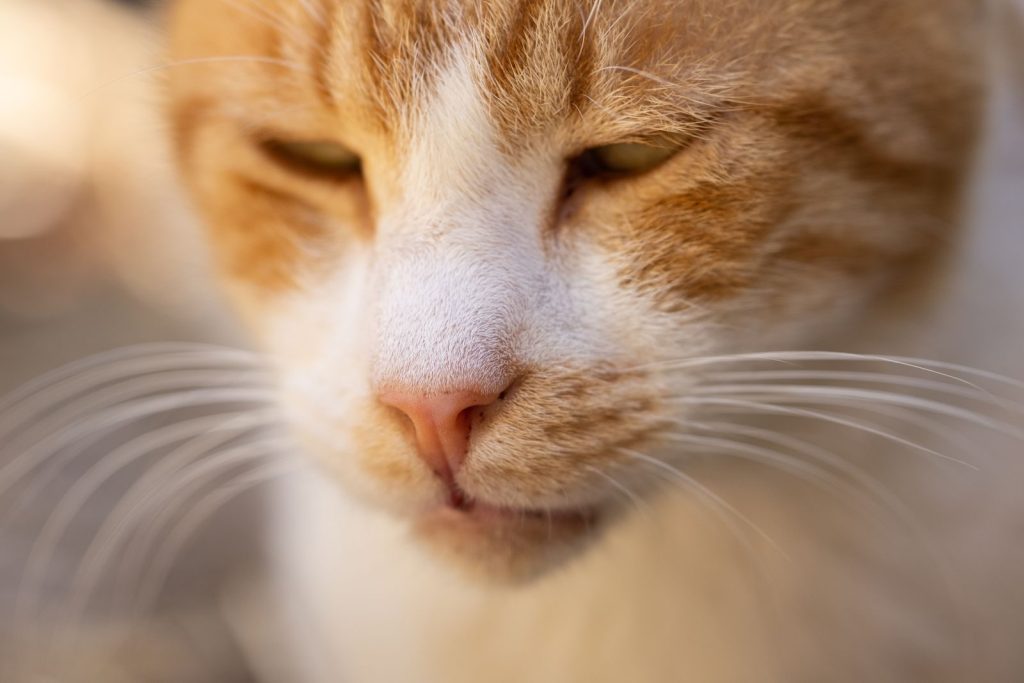
Cats do not have a special organ for purring. Instead, their brains send rapid rhythmic signals to their vocal cord muscles, causing them to vibrate during inhalation and exhalation. According to the Cornell Feline Health Center, this vocal pattern runs at a frequency between twenty-five and one hundred hertz. But this specific frequency range holds a hidden superpower.
Accelerating physical healing through deep vocal hums
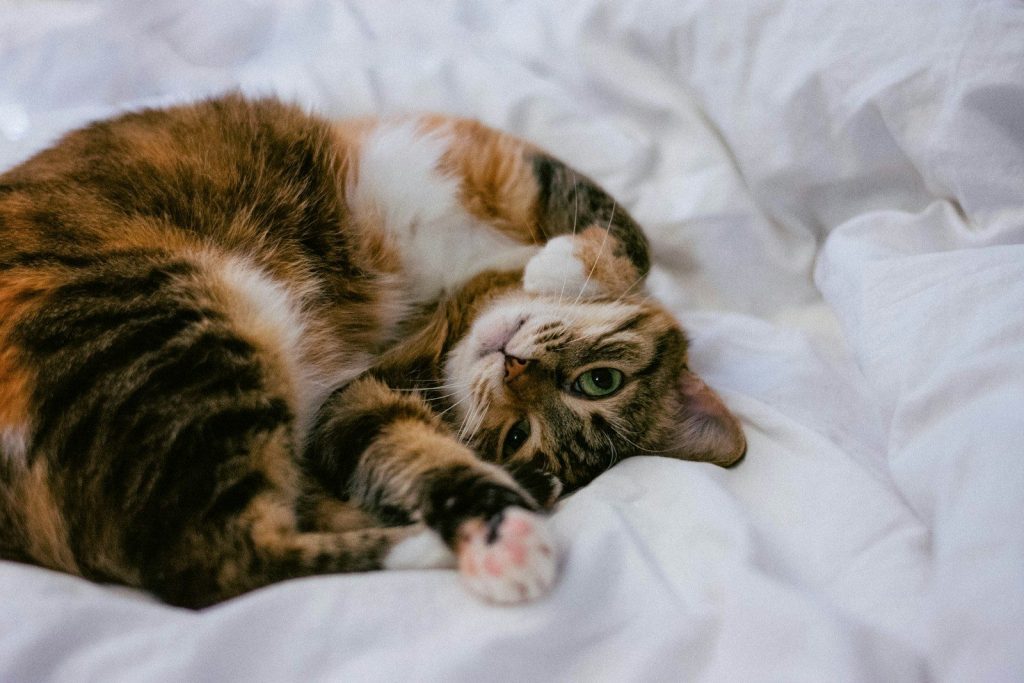
Sound frequencies in the purring range can actually stimulate bone density growth and tissue regeneration. Felines often purr when they are injured or giving birth to ease their own pain naturally. It serves as an internal self-healing mechanism that keeps their bodies strong during recovery. Yet, this comforting sound is also used for a very demanding reason.
Using a special sound to request breakfast
Feline behaviorists have discovered a unique high-frequency cry embedded within a normal purr. This sound mimics the exact pitch of a crying human infant, making it impossible for owners to ignore. Your pet uses this clever vocal trick to manipulate you into filling their food bowl early. But how do kittens use this sound in the nest?
Guiding newborn babies safely to their mother
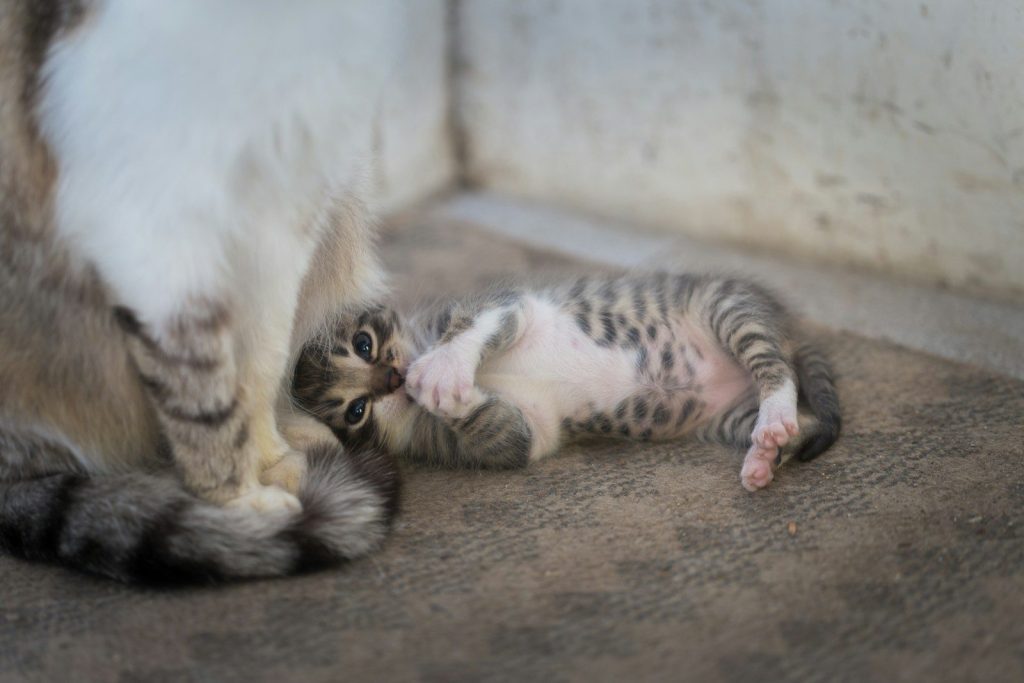
Kittens are born completely blind and deaf, relying entirely on warmth and touch. A mother cat purrs while nursing to create a physical vibration map her babies can track easily. This gentle homing signal helps them locate milk without using their undeveloped senses. Still, this early communication can take a dramatic turn as they grow older.
Why do some cats stay completely silent instead?
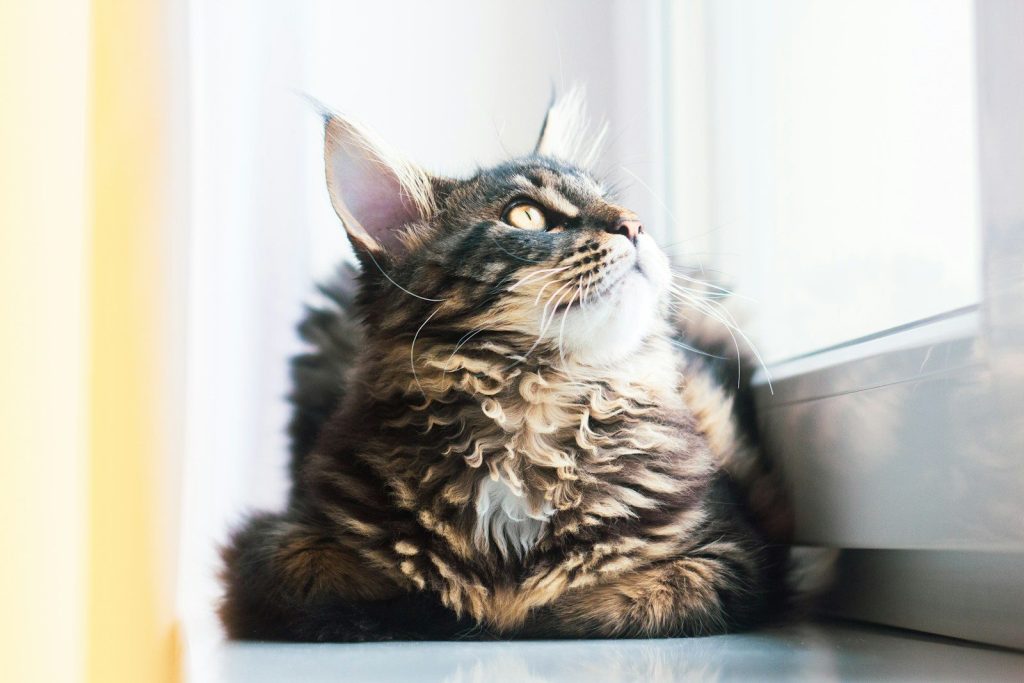
Genetic traits play a major role in how vocal your companion decides to be. Quiet cats often possess genetic traits that keep their vocal muscles relaxed and quiet. According to research published by the Cat Fanciers Association, breed heritage heavily influences these unique communication styles. However, a silent pet might still be talking to you in another way.
Reading the subtle visual signals of happiness
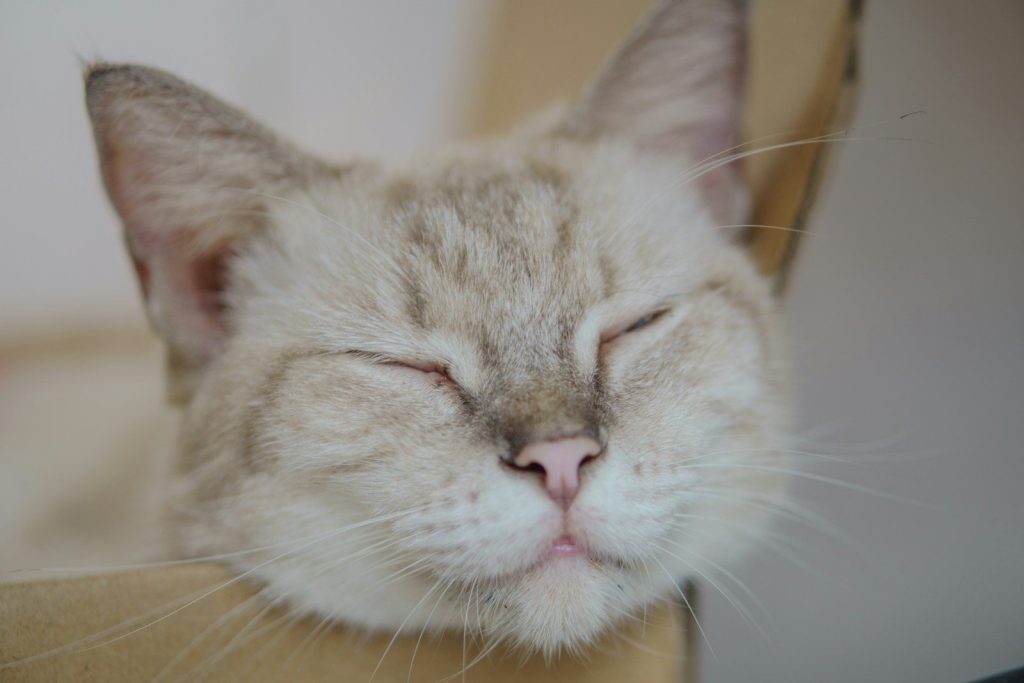
A quiet cat will show their deep affection through slow eye blinks and soft head butts. They do not need a loud purr to tell you they feel entirely safe in your presence. Learning to spot these silent signals prevents you from misinterpreting their peaceful mood. But what happens when a stressed cat starts purring loudly?
Identifying stress purring during difficult vet visits
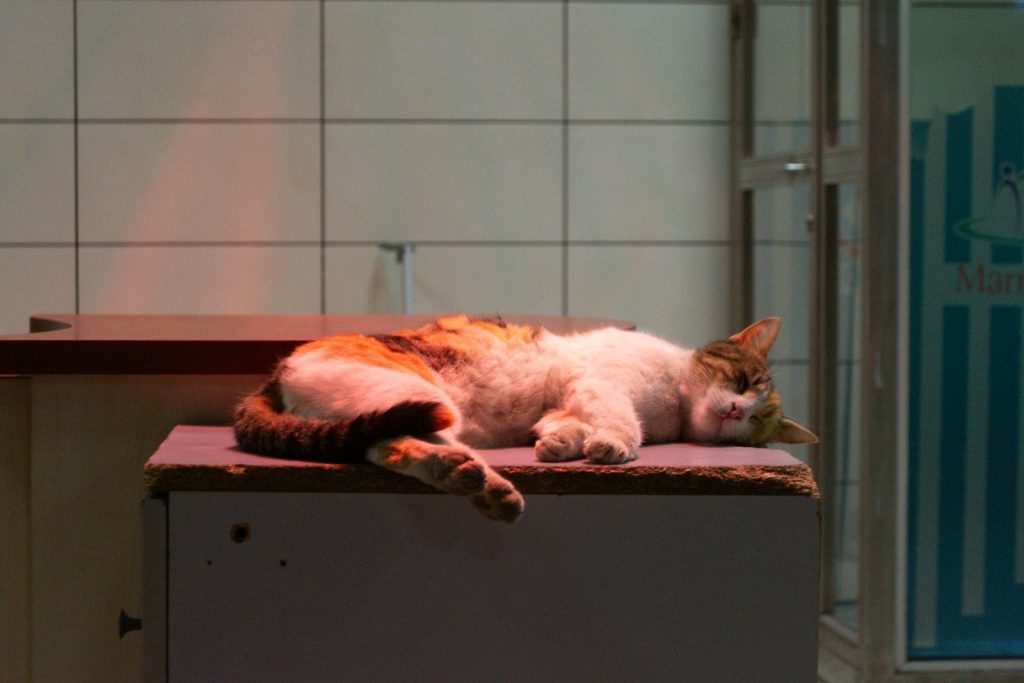
Felines will sometimes purr heavily when they feel trapped or terrified. This behavior acts as a self-soothing mechanism to lower their heart rate and calm their nervous system. The American Veterinary Medical Association recommends observing their body posture to determine if they are actually happy or scared. Fortunately, you can easily tell the difference.
Paying close attention to their whole body
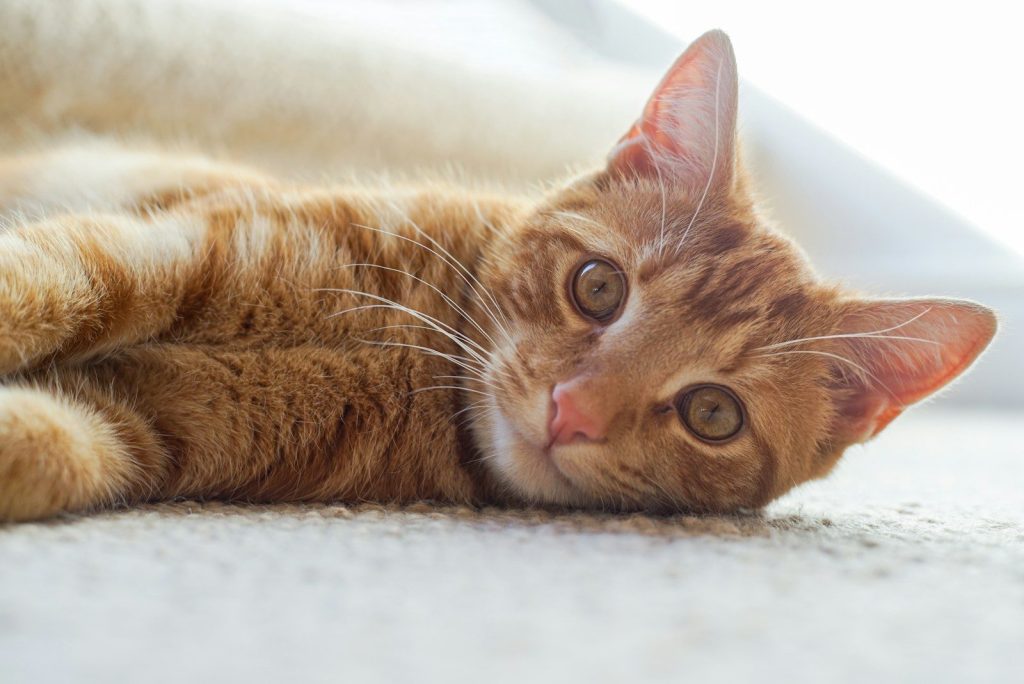
Look at their ears and whiskers to understand their true emotional state. Relaxed whiskers mean pure comfort, while pinned ears warn you to give them some personal space. This article is for informational purposes only and does not constitute veterinary advice. Watching these small details helps you build a beautiful lifetime of trust with your pet.
Featured Image: Photo by Priscilla Gyamfi on Unsplash