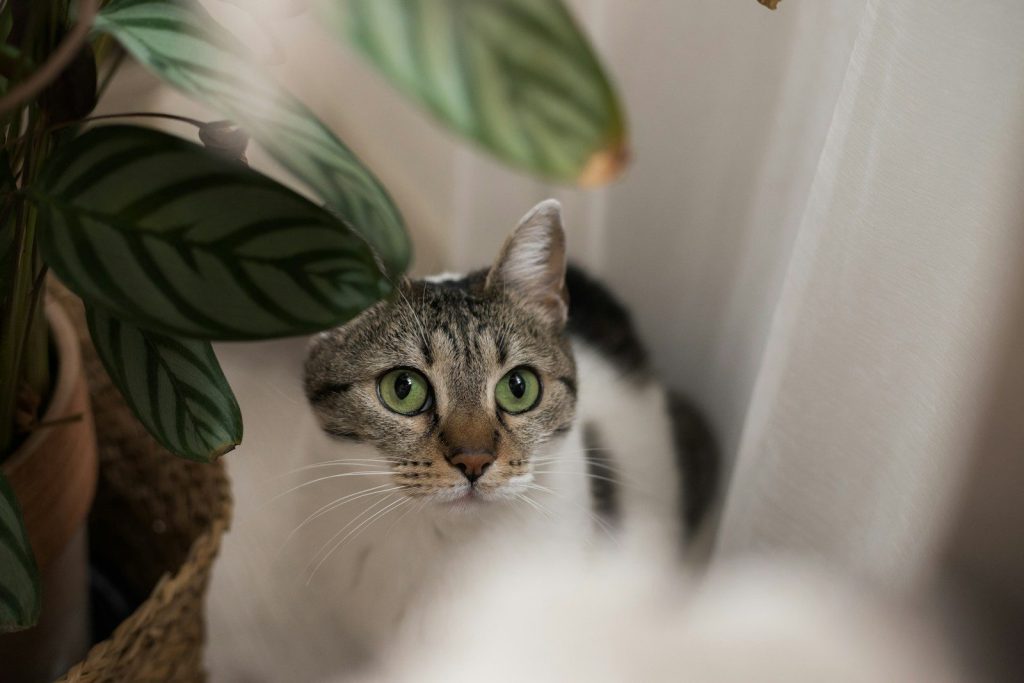

An adult cat rules your quiet home with peaceful grace. Suddenly, a chaotic golden retriever puppy moves in and turns their quiet world completely upside down.
This sudden clash of species can trigger severe stress and aggressive behavior if handled incorrectly. But following a careful step-by-step introduction plan can turn these natural rivals into best friends. Discover how to bridge the gap today.
Understanding the stress of a changing home
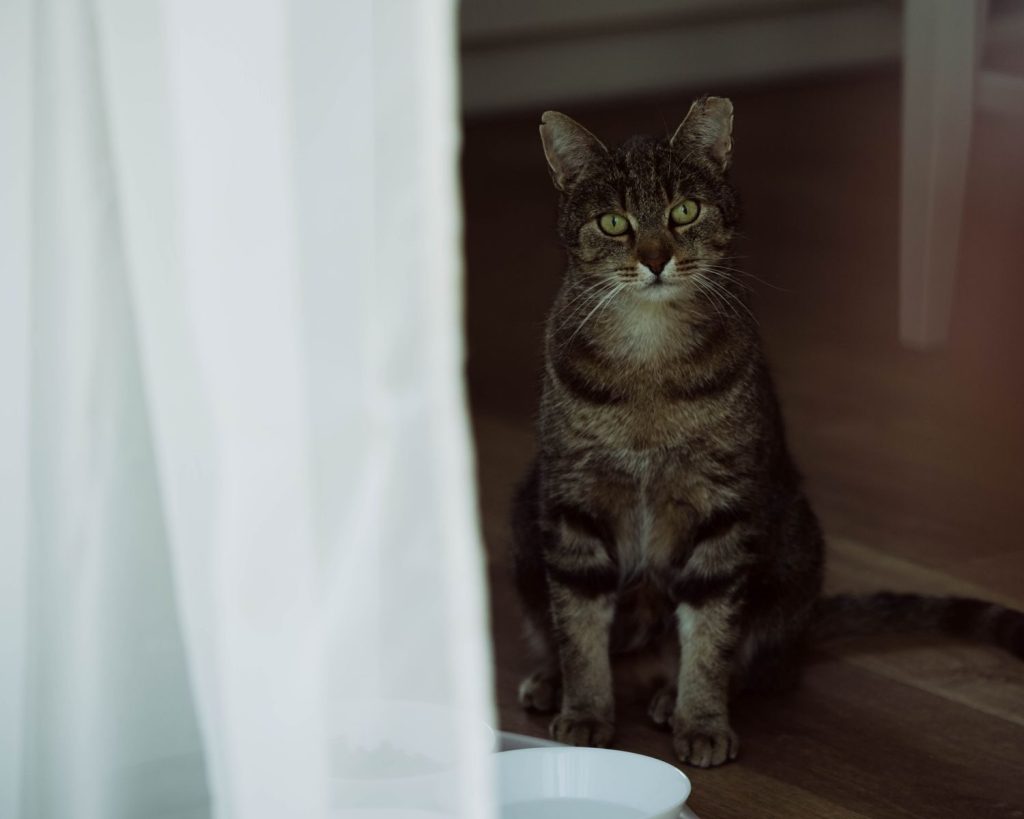
Cats are highly territorial animals that crave absolute predictability in their daily lives. A loud, energetic puppy represents an unpredictable threat to their safe spaces. According to the American Veterinary Medical Association, sudden introductions can trigger chronic anxiety and litter box issues. But you can easily prevent this initial panic with a simple physical barrier.
Keeping their early spaces entirely separate
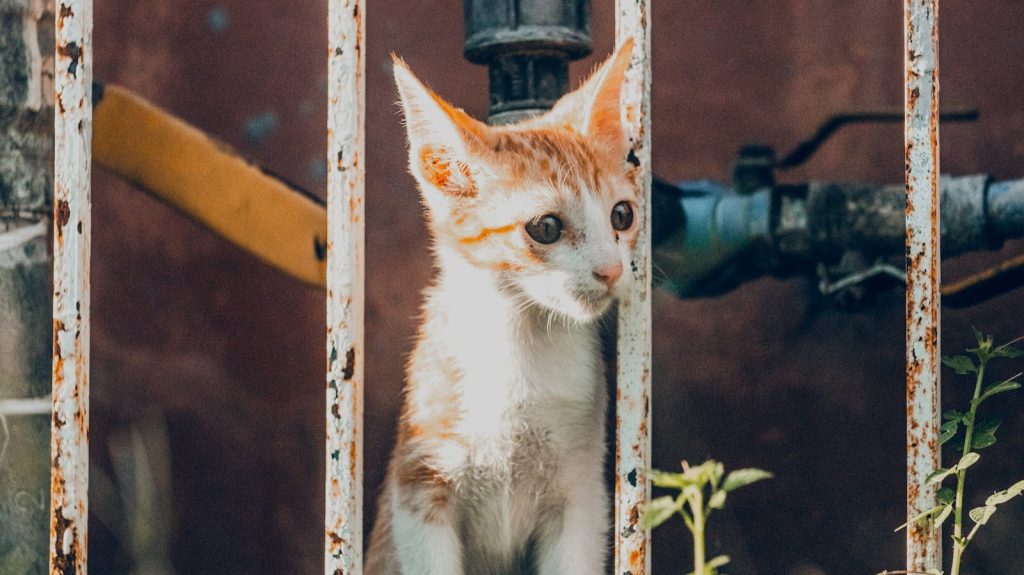
Designate a quiet room in the house as a cat-only sanctuary. Keep the puppy completely out of this room using a sturdy baby gate. This simple boundary allows your resident pet to watch the new arrival from a safe distance. Yet, there is a much more subtle sensory introduction you must handle first.
Swapping scents before they ever meet
Rub a soft towel on the puppy and leave it near your cat food bowl. This simple trick teaches their brain to associate the new puppy scent with positive rewards. Repeat the process by giving the puppy a towel that smells like your cat. However, you must wait for a very specific signal before moving to the next step.
Watching for signs of calm acceptance
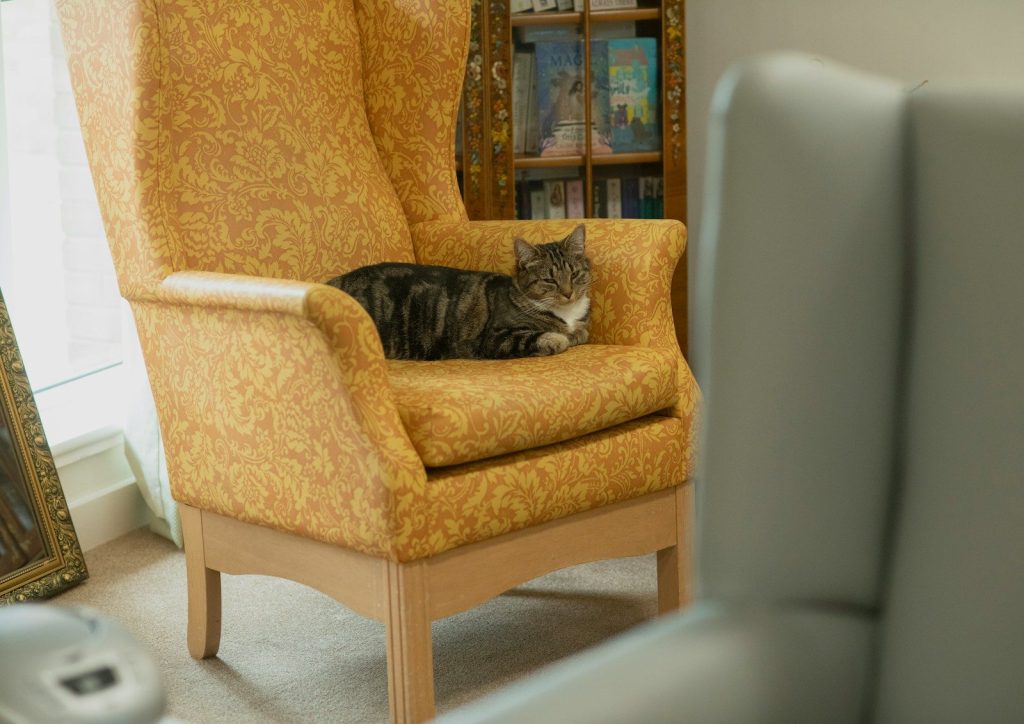
Only allow visual contact when both animals are relaxed in their separate spaces. If your pet is hissing or puffing their tail, they are not ready for a face-to-face meeting. Feline behaviorists at the ASPCA suggest keeping the initial visual sessions under five minutes. But how do you handle their very first physical meeting?
Keeping the energetic puppy on a leash

Always keep the puppy on a tight leash during their first shared room experience. This prevents them from charging toward your pet and triggering a dangerous fight or flight response. Reward both animals with high value treats when they behave calmly in the same space. Fortunately, you can help your cat feel secure by using vertical space.
Providing high perches to ensure safety
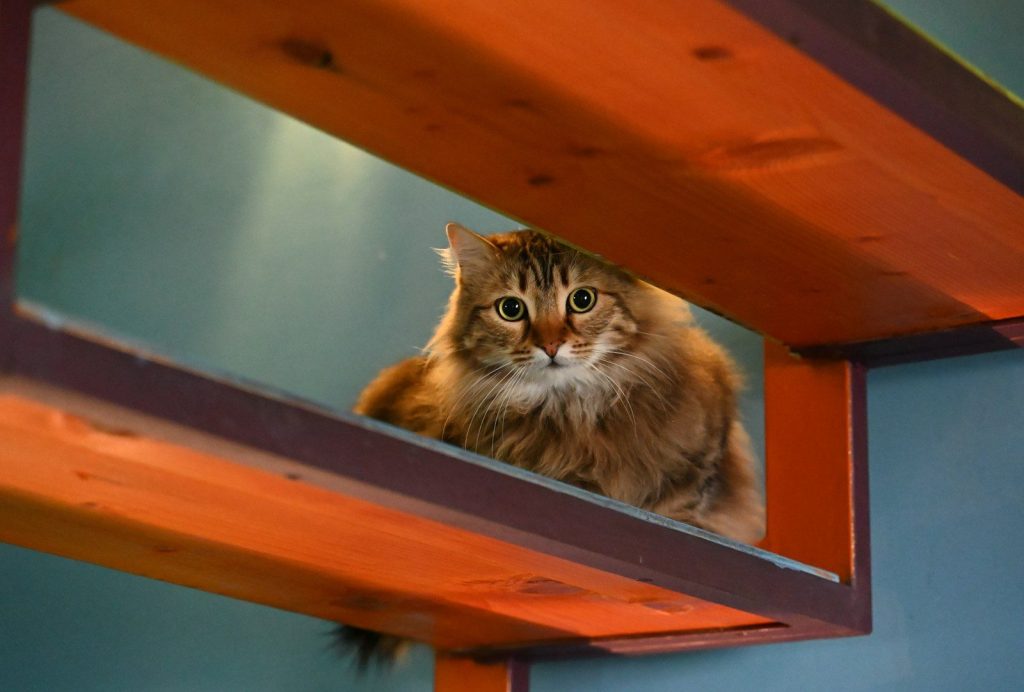
Install tall cat trees or wall shelves that the puppy cannot reach. Felines feel immensely secure when they can observe the household from a high vantage point. This simple modification lowers their stress levels and prevents defensive clawing. Still, another daily habit can accidentally cause a major regression in their training.
Avoiding forced contact at all costs
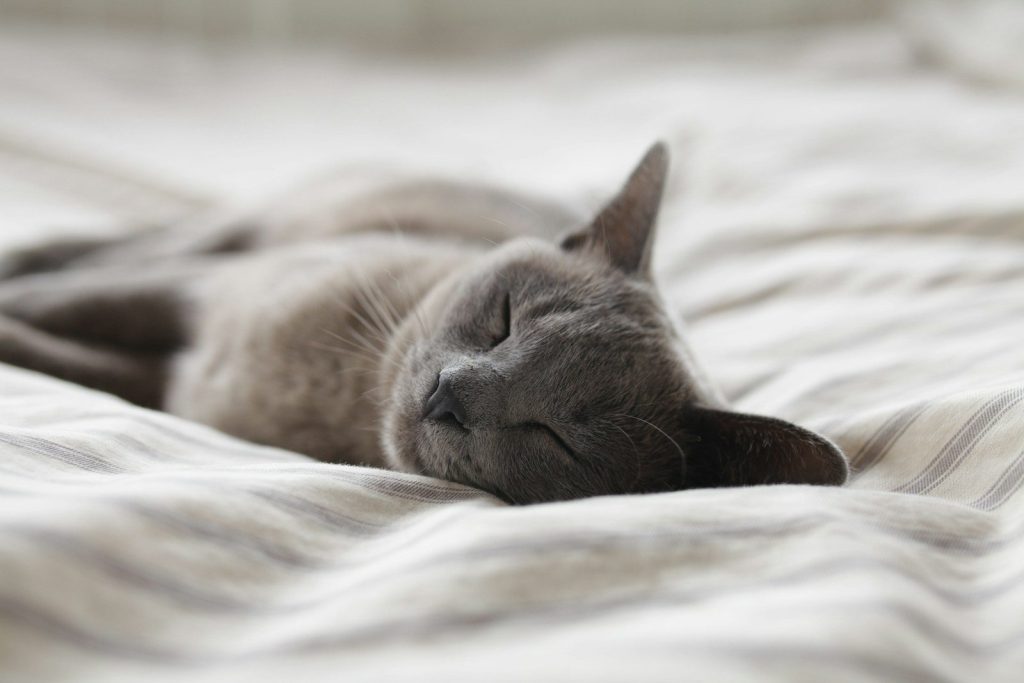
Never force your pet to sit near the puppy or hold them together for photos. Forcing physical closeness only increases their anxiety and can lead to sudden aggression. Let the relationship develop naturally at their own unique pace. But what is the ultimate reward of this patient training process?
The beautiful triumph of a shared bond
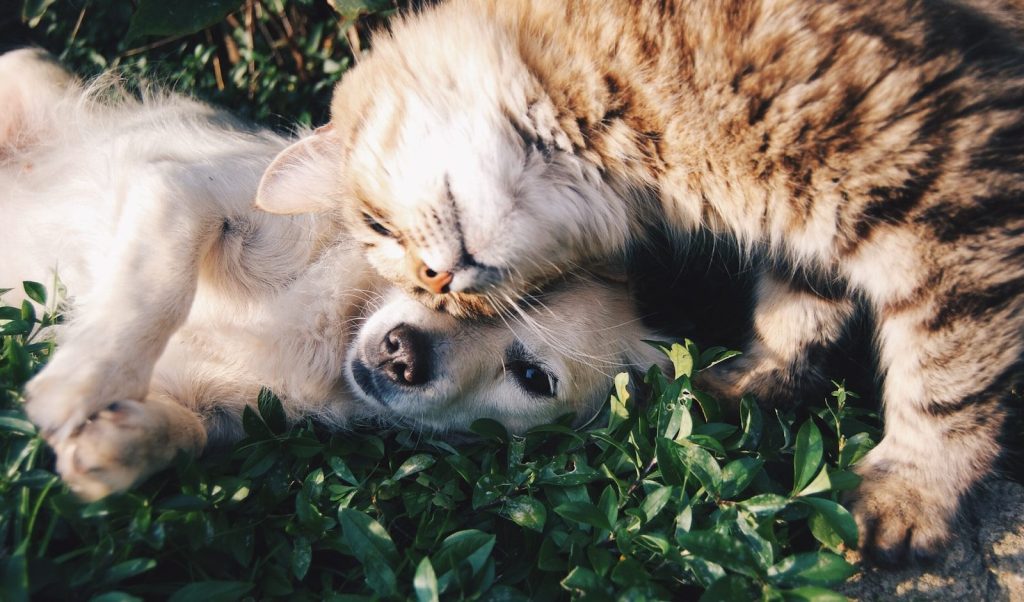
Watching your cat groom a sleeping puppy is the ultimate reward for your hard work. This peaceful cohabitation creates a balanced home filled with double the love. This article is for informational purposes only and does not constitute veterinary advice. Your patient guidance helps two different worlds unite in perfect domestic harmony.
Featured Image: Photo by Jovan Vasiljević on Unsplash