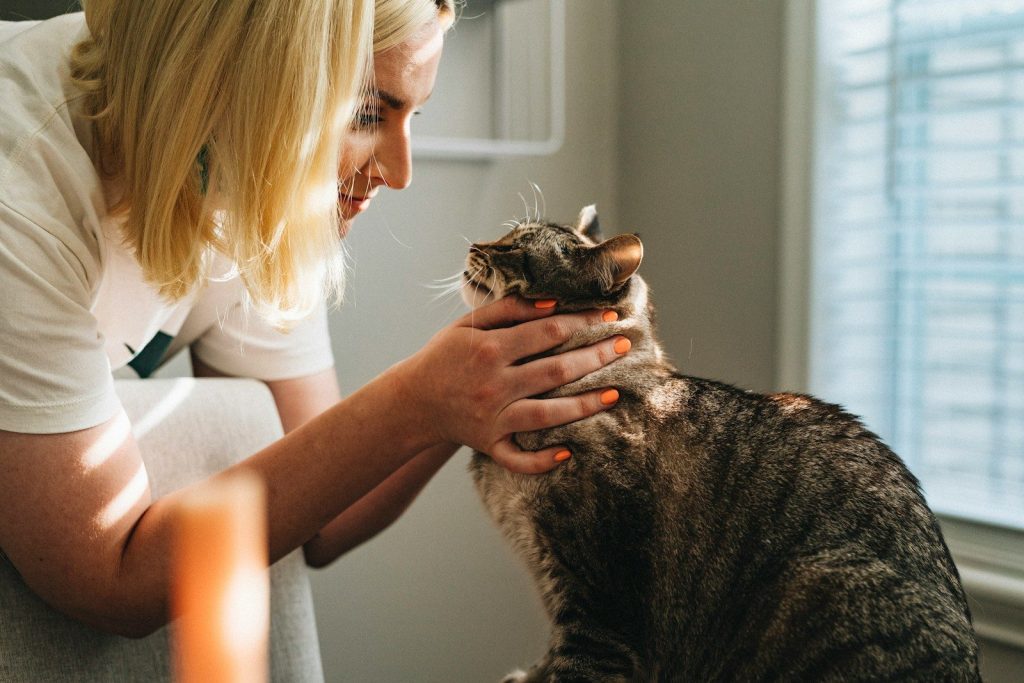

We often assume our pets do not understand our emotional language. Yet science has proven that cats are incredibly tuned to our spoken words.
There is a specific verbal phrase that can completely transform your relationship with your feline friend. Discover how these simple sounds can change their daily lives.
The deep power of absolute safety

Felines are small predators that constantly scan their environment for hidden threats. Hearing you say you are completely safe helps lower their natural defensiveness. According to studies from the Cornell Feline Health Center, verbal reassurance reduces stress hormones in domestic pets. It tells them they can finally let down their guard. But how do they actually process these sounds?
How do they recognize your unique voice?
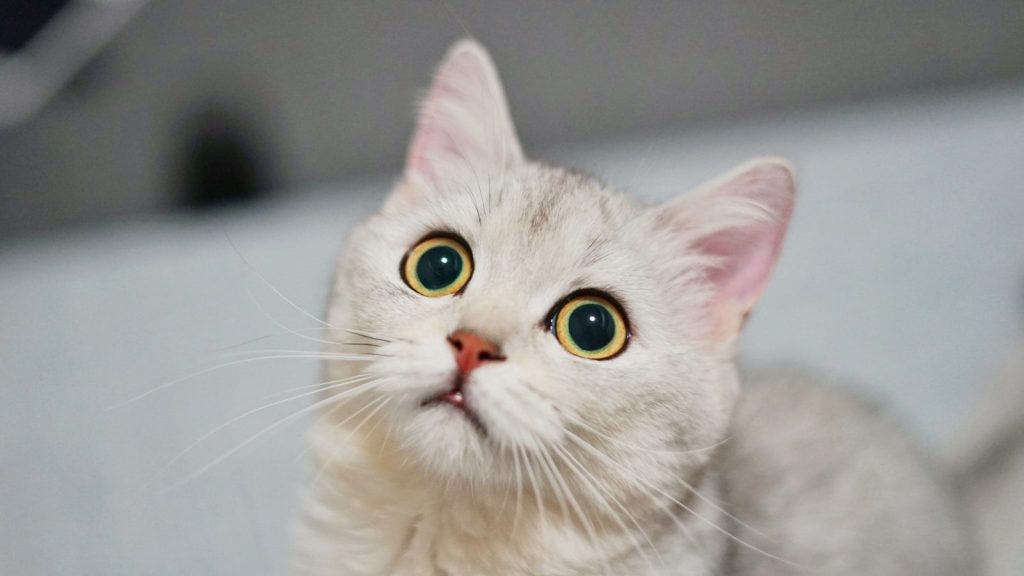
Cats easily tell their owner’s voice apart from a total stranger’s. When you speak, they analyze your pitch and the rhythm of your breath. They can sense if you are feeling calm or stressed just by your tone. This is why using a soft voice is so incredibly effective for bonding. However, the exact phrasing you choose matters more than you think.
Why does specific word association work so well

Your pet connects certain sounds with positive physical outcomes over time. Saying dinner or treat in a happy tone triggers an immediate reward response in their brain. They build a custom mental dictionary of your favorite household phrases. This shared language makes them feel highly connected to your daily routine. But one phrase holds a much deeper emotional weight.
Telling them you love them gently
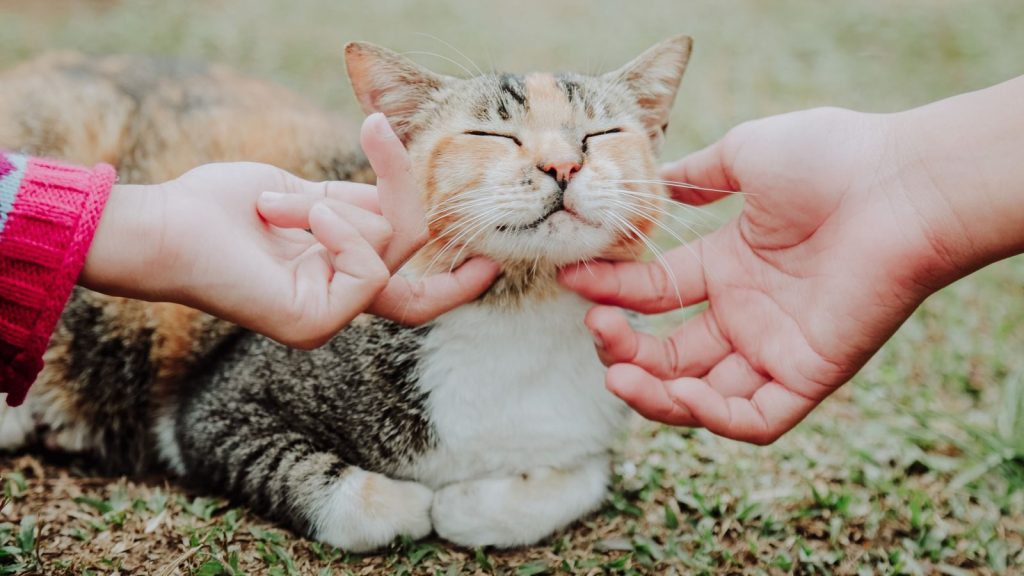
Whispering soft words of affection mirrors the maternal purring of a mother cat. It triggers the release of oxytocin, the bonding hormone, in their tiny brains. They respond by slow blinking or rubbing their cheeks against your hands. This is the ultimate compliment in the feline world. Still, you must pair these words with the correct body language.
Avoiding direct eye contact while speaking
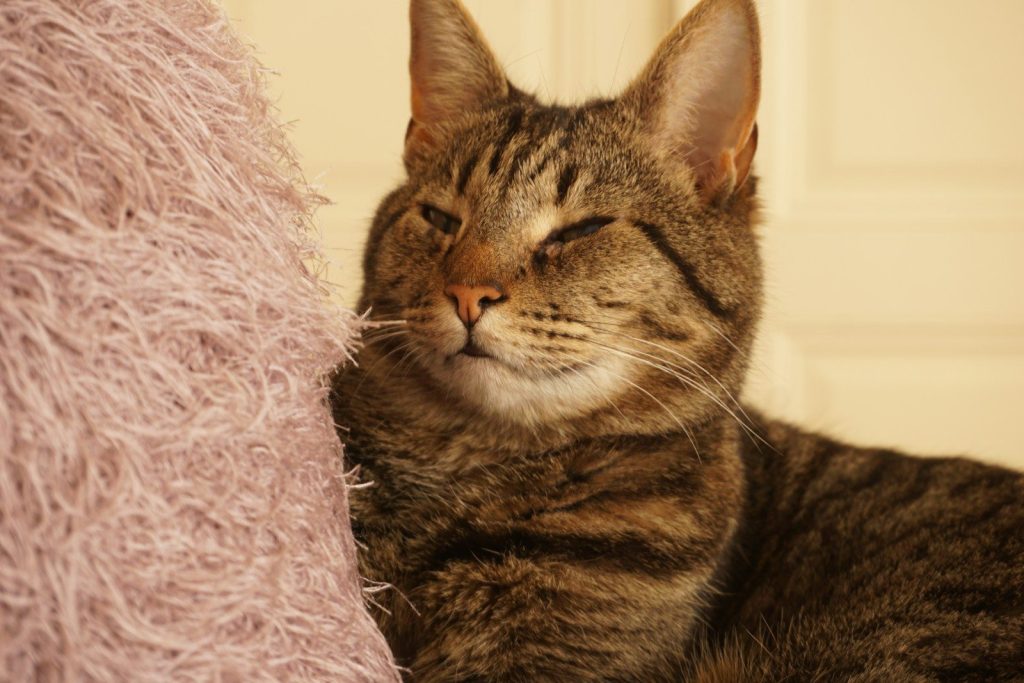
Staring directly at a cat while speaking can look highly aggressive to them. Try looking slightly away or blinking slowly to show you mean no harm. This simple physical adjustment makes your verbal message feel much more secure and peaceful. They will feel comfortable closing their eyes in your presence. But there is another common mistake to avoid.
Why yelling never works for training

Raising your voice only terrifies your pet and ruins your hard-earned trust. The American Veterinary Medical Association warns that negative verbal feedback often leads to deep behavioral issues. Felines do not connect shouting with their actions; they only feel extreme fear. Staying calm is the key to successful communication. But how can you tell if they are listening?
Reading the quiet signals of feline attention

Your cat might not meow back when you speak to them. Instead, they might simply twitch a single ear or gently swish their tail. These subtle movements are active acknowledgments of your voice in the room. This article is for informational purposes only and does not constitute veterinary advice. Paying close attention to these cues changes everything. But how do you start?
Beginning your daily verbal bonding habit

Take five minutes every evening to sit quietly with your companion and speak softly. Your dedicated attention is the ultimate foundation of a happy pet life. Your quiet words of love will echo in their hearts for years to come.
Featured Image: Photo by Parker Coffman on Unsplash