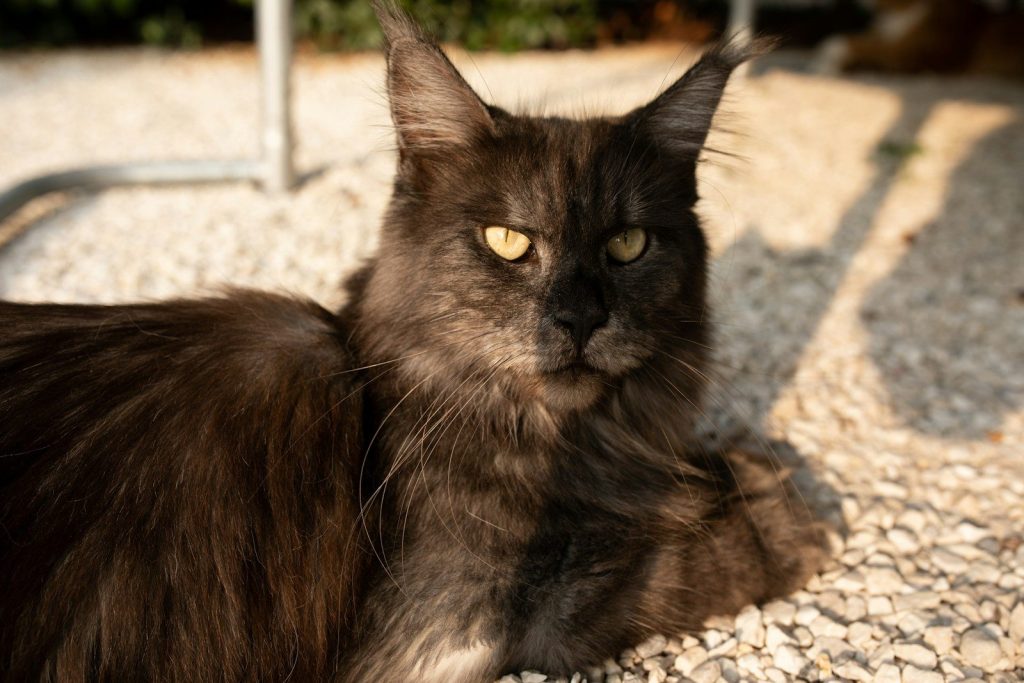

Imagine a massive feline covered in swirls of deep silver, dark charcoal, and soft cream. This breathtaking coat pattern looks exactly like a starry night sky.
Feline breeders call this extremely rare coloration the blue tortoiseshell smoke Maine Coon. But what makes this cosmic color pattern so incredibly difficult to find?
The complex genetics of the blue tortie
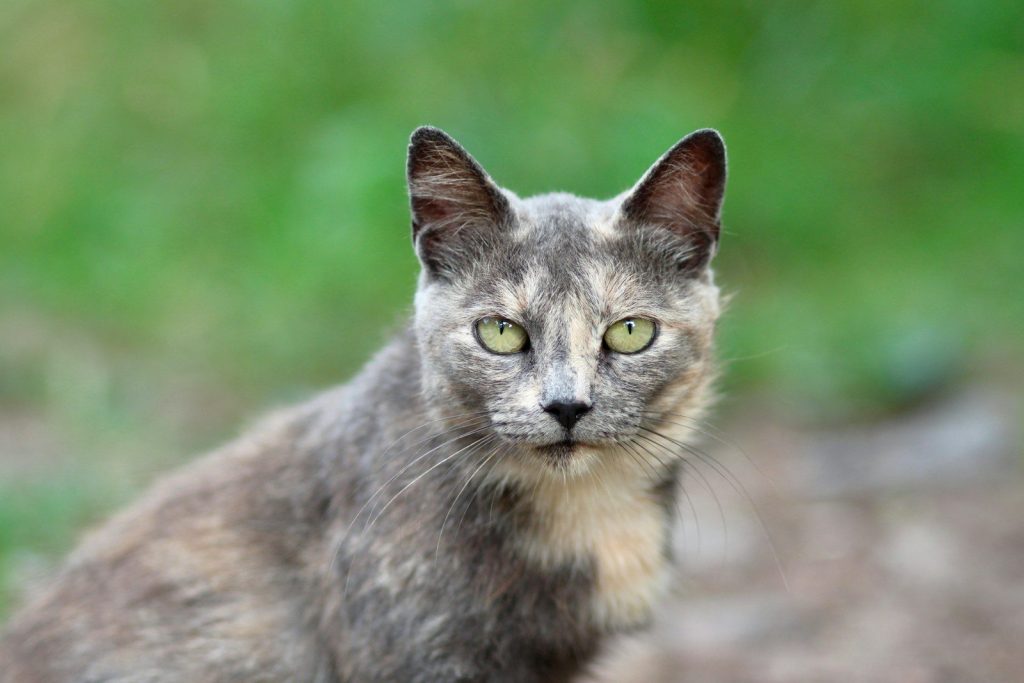
This rare coat pattern requires a precise combination of several recessive genes working together. The blue shade is actually a diluted version of the dominant black coat gene. According to the Cat Fanciers Association, both parents must carry the dilute gene to produce a blue kitten. This genetic lottery makes them highly prized by feline enthusiasts worldwide. But the smoke effect adds an even deeper layer of mystery.
How the smoke gene creates cosmic depth
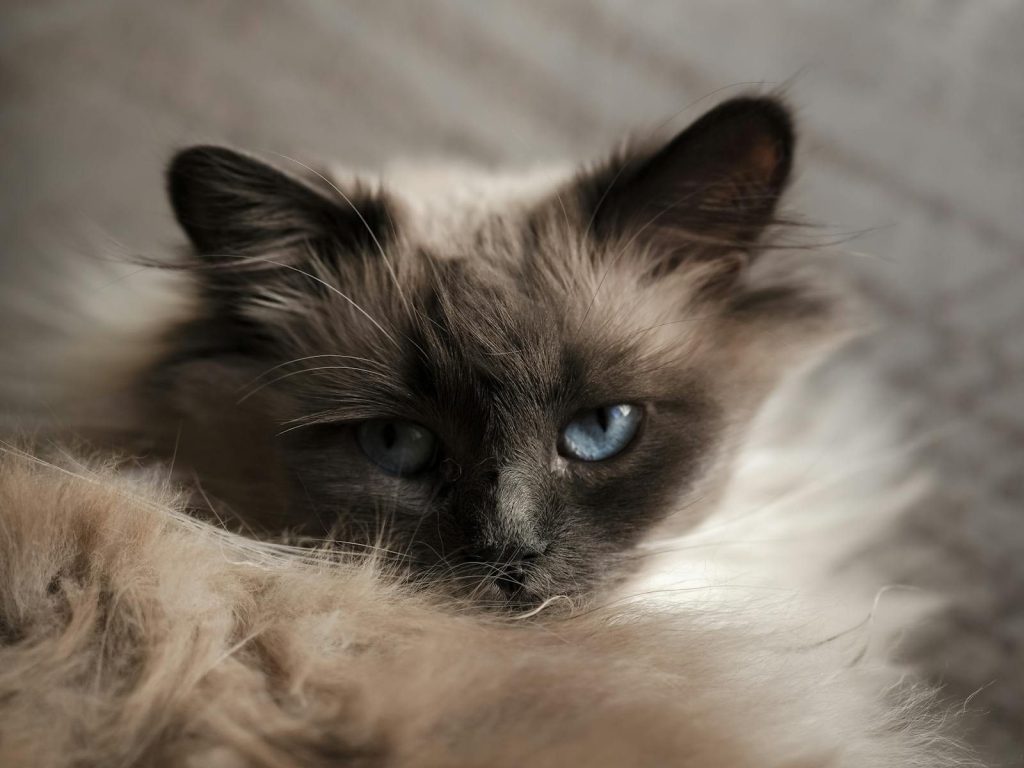
The magical smoke effect means the base of each individual hair is pure white. When the cat moves, the white undercoat peeks through the darker tips like glowing starlight. This beautiful contrast creates the illusion of swirling galaxies and deep cosmic clouds across their body. But this cosmic color palette hides a shocking genetic secret about their gender.
Why most blue tortoiseshell cats are female
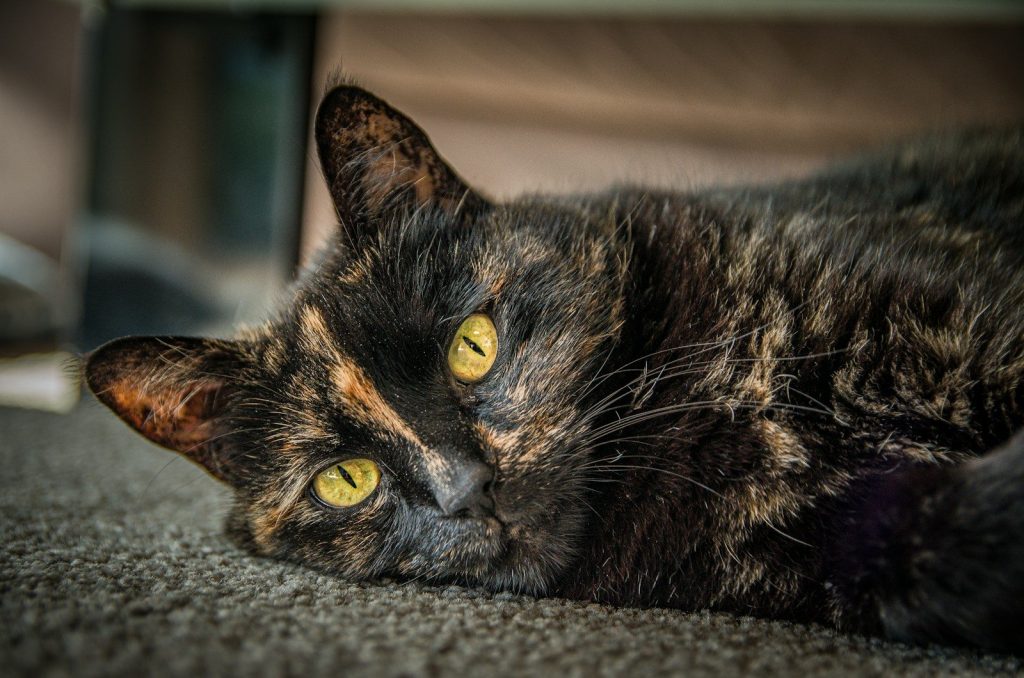
The gene for red and black coat color is carried on the female X chromosome. For a cat to show both shades, they must possess two X chromosomes, making it female. Genetic studies confirm that roughly ninety-nine percent of all tortoiseshell felines are female. But what happens in the rare case when a male tortie is born?
The genetic anomaly of male tortoiseshells
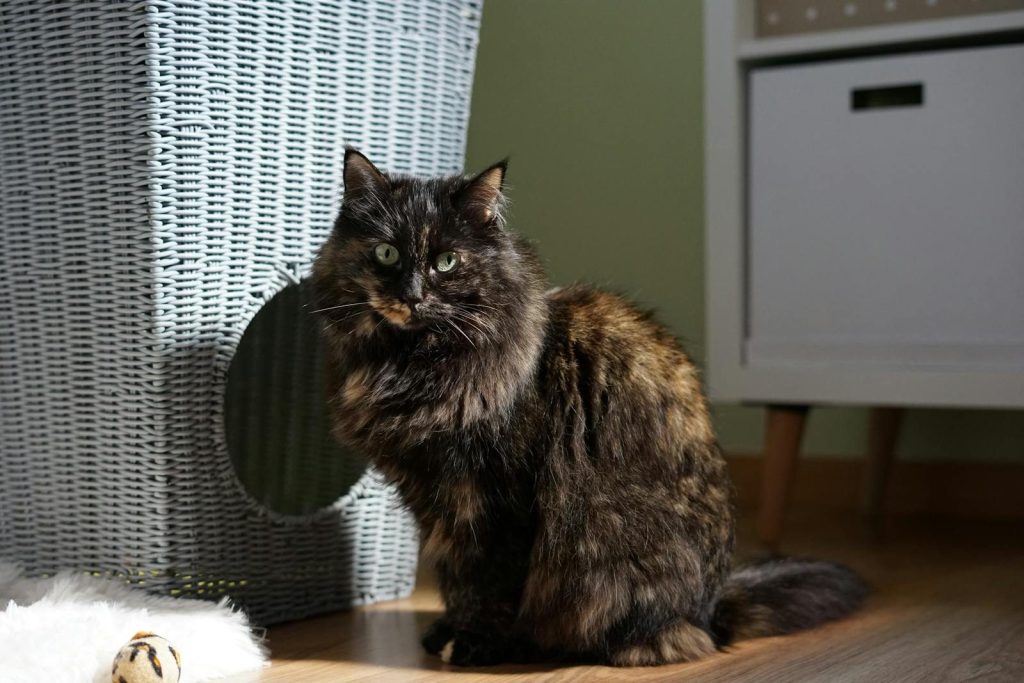
A male tortoiseshell can only exist if he inherits an extra female X chromosome. This rare condition, known as Klinefelter syndrome, makes them sterile and highly unusual in the veterinary world. Dr. Karen Becker notes that these male felines often require extra medical monitoring throughout their lives. But maintaining their stellar beauty requires a highly specific care routine.
Caring for a dense double coat weekly
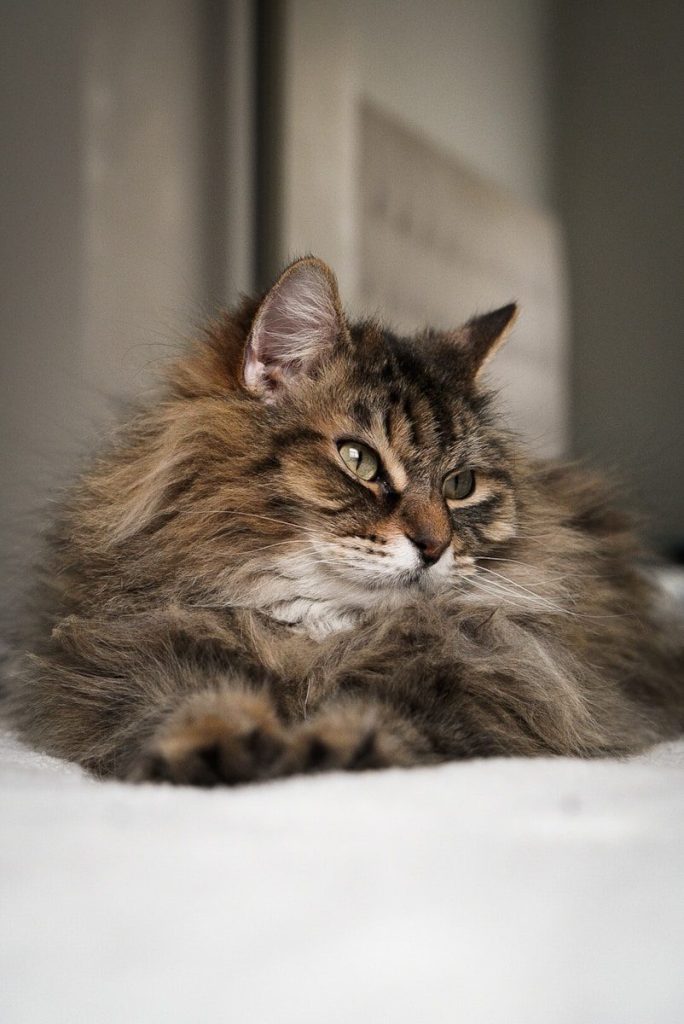
This long, fluffy coat requires significant weekly grooming to prevent painful mats from forming. Their thick undercoat can trap loose fur easily, especially during the spring shedding season. Using a high-quality metal comb helps keep their cosmic colors looking shiny and smooth. However, many owners make a critical mistake during their grooming sessions.
Keeping grooming sessions positive and calm
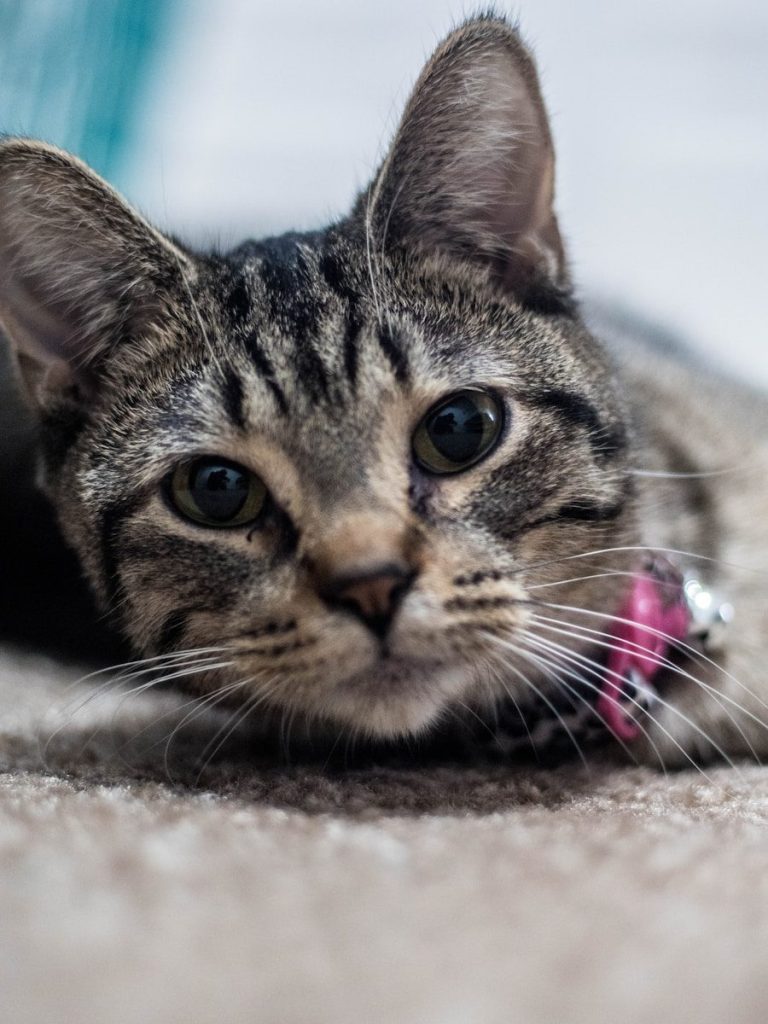
Forcing your pet into a long brushing session can cause them to fear the comb. Feline behavioral experts at the Cornell Feline Health Center suggest brushing in short, five-minute intervals. Rewarding them with high-value treats helps build a positive association with regular grooming. But did you know their diet also directly impacts their coat quality?
Feeding high-quality protein for shine
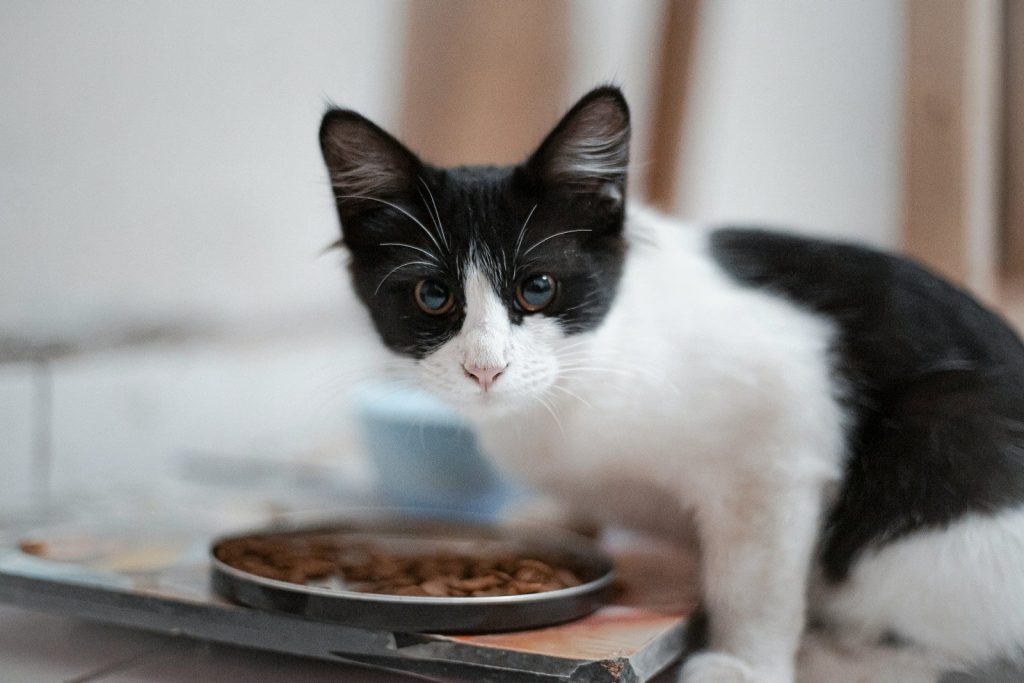
Cats need specific fatty acids like omega-three and omega-six to maintain their thick fur. Low-quality foods can leave their coat looking dry, brittle, and dusty. The American Veterinary Medical Association recommends checking labels for real animal meat as the primary ingredient. This simple dietary focus keeps their space-like colors glowing brightly. But how can you keep their skin healthy beneath all that fluff?
Scheduling regular visits with your vet
This article is for informational purposes only and does not constitute veterinary advice. Annual wellness exams help your vet check for underlying skin issues or thyroid changes that alter fur texture. Your dedicated care and high-quality grooming will keep your little house tiger looking like a beautiful starry night.