

You settle under the warm blankets for a peaceful night of sleep. Suddenly, a sharp set of tiny claws clamps onto your moving toes.
This painful midnight game can turn your relaxing bedroom into a stressful battlefield. Feline behavioral science reveals the secret reason behind this aggressive nocturnal habit.
The ancient urge of a nocturnal hunter
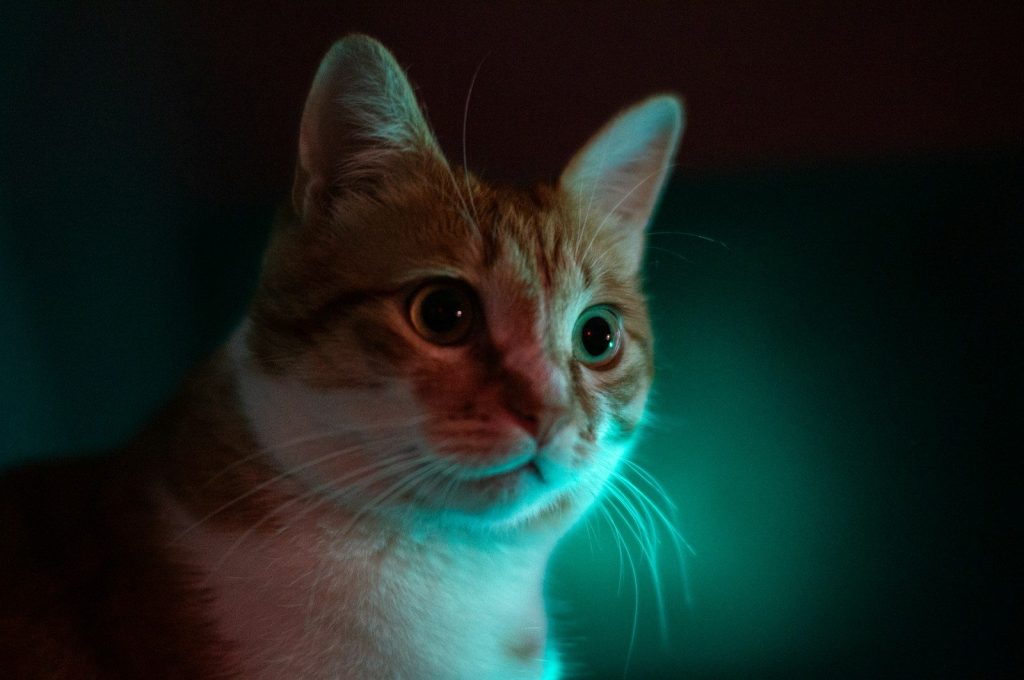
Your sweet pet may look innocent during the bright afternoon hours. But when the sun goes down, their ancient hunting predatory instincts activate. According to the ASPCA, wild felines hunt small rodents in the dark of night. Your shifting toes under the sheet look exactly like moving prey to a kitten. This playful hunting drive is hard to ignore, but it gets worse.
Why nighttime play triggers intense reactions

Felines sleep for most of the day to build up massive energy reserves. If you skip evening play sessions, they will release that energy on the nearest moving target. Your twitching ankles become the perfect prey during their peak active hours. They simply cannot resist a good chase when they are fully awake. Fortunately, you can redirect this wild behavior before bedtime.
Creating a smart evening play routine

Owners can exhaust a hyperactive pet by simulating a realistic hunt. Use a wand toy to mimic the erratic flight of a bird or a darting mouse. Feline experts at the Cornell Feline Health Center recommend fifteen minutes of intense interactive play. This satisfies their natural urge to stalk and capture prey before they sleep. But how do you finish the hunting cycle?
The massive benefit of midnight snacks

Feeding a small meal right after a play session mimics their natural life cycle. In the wild, a cat hunts, eats, grooms, and then falls into a deep sleep. Giving them a high-protein treat tricks their brain into thinking the hunt is complete. This simple feeding trick keeps their belly full and their mind calm. Yet some owners make a critical mistake during attacks.
Why you should never yell or punish

Screaming or pushing your pet away can accidentally reinforce their bad behavior. They might view your loud voice or sudden movements as part of a fun wrestling match. The American Veterinary Medical Association warns that physical punishment can destroy your mutual bond. It creates fear instead of teaching proper boundaries. There is a much better way to react when they pounce.
Staying completely still is key

When the kitten strikes, freeze your feet and ignore the movement. Pulling your toes away quickly triggers their automatic chase reflex. If the prey stops moving, the game immediately becomes boring to them. They will quickly lose interest and seek out a different activity. But what if they continue to bite your ankles?
Setting boundaries with a clear timeout
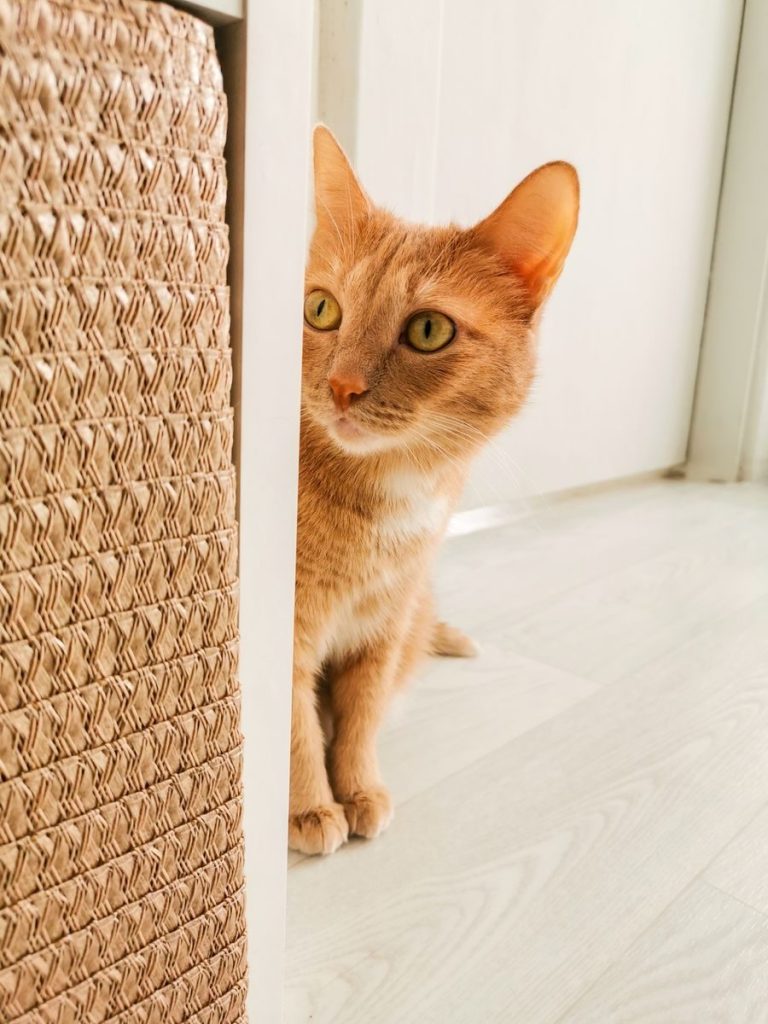
If the biting persists, gently place the kitten outside your bedroom and close the door. This teaches them that aggressive play results in a loss of their valuable company. Consistency is the real secret to training a young animal. Over time, they will connect gentle behavior with staying in your cozy bed. But how long does it take to see results?
A peaceful night of sleep ahead

Most young cats outgrow this hyperactive phase within a few months of proper training. Patience and routine will help you reclaim your peaceful bedroom. This article is for informational purposes only and does not constitute veterinary advice. With the right play schedule, you can enjoy warm cuddles instead of midnight scratches.
Featured Image: Photo by Carla Luca de Tena on Unsplash