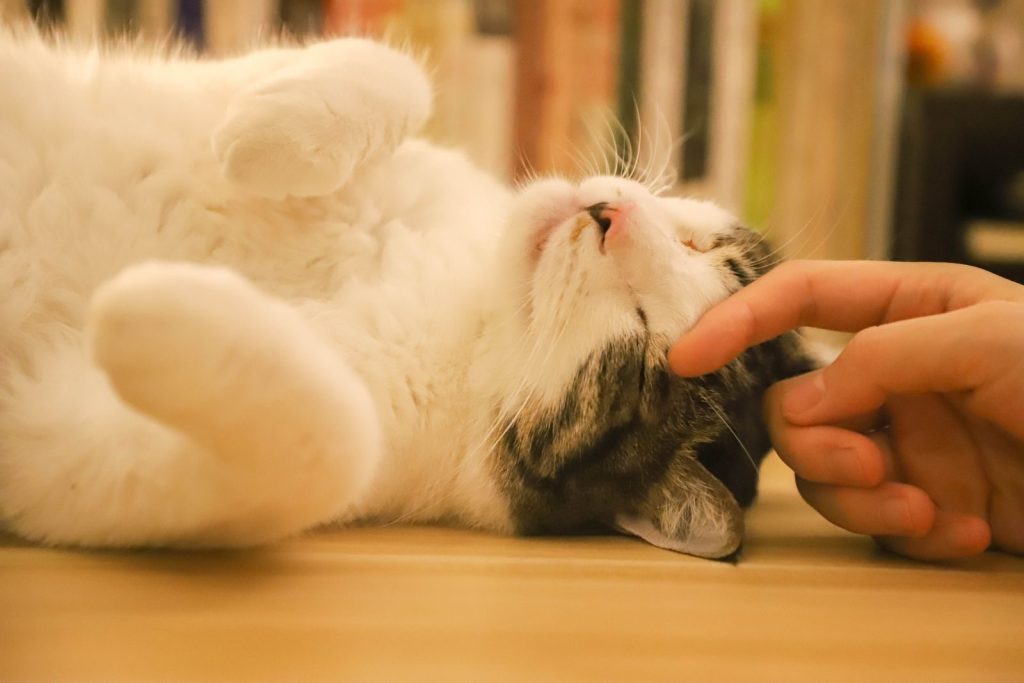

You might think cats only care about the sound of an open food can. However, science proves our feline friends pay close attention to human speech.
Researchers have discovered that a specific tone of voice can lower feline stress. Learn how a simple change in your vocabulary can transform your relationship.
The science of feline auditory processing
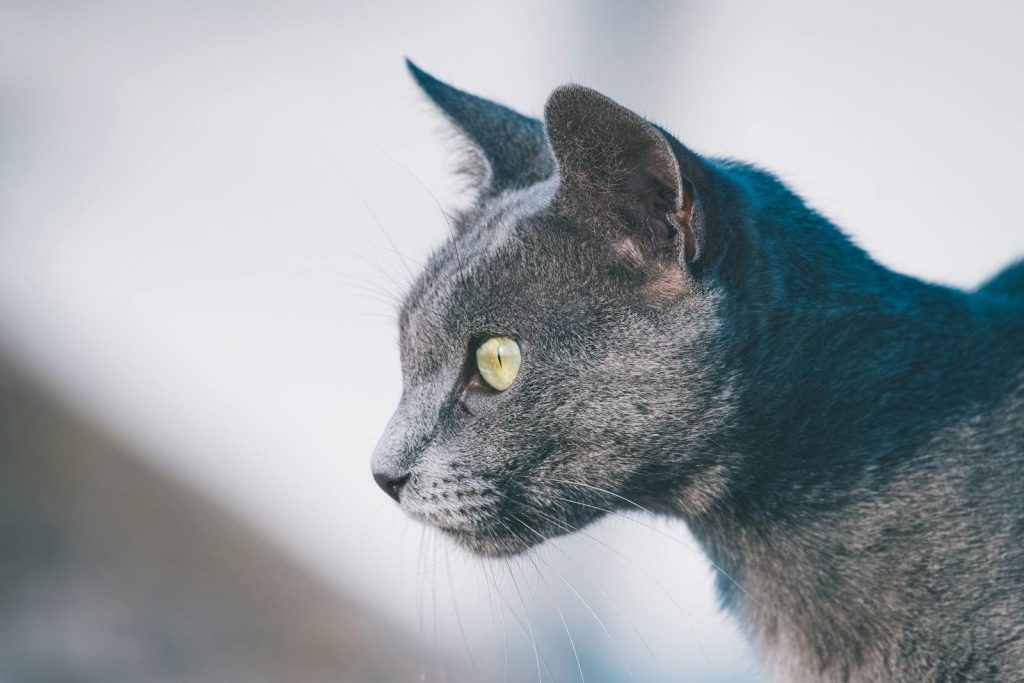
Cats possess highly specialized ears that can move independently to pinpoint tiny sounds. A study from the University of Paris Nanterre revealed that felines recognize their owner’s voice instantly. They can easily distinguish between a stranger speaking and their favorite human. But their reaction depends heavily on how you address them.
The study uncovered a surprising detail about baby talk.
Why baby talk actually works wonders
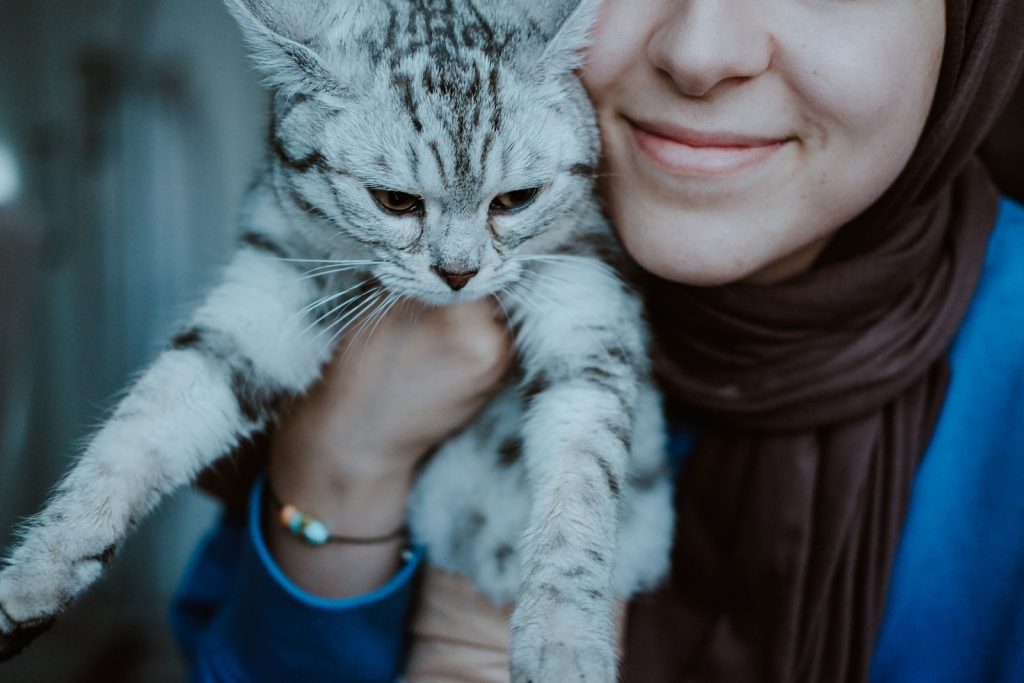
Humans naturally raise their pitch when speaking to infants or small pets. Felines respond positively to these high frequencies because they mimic natural bird sounds. This vocal style tells your pet that you are friendly and pose no physical threat. Yet most owners use the wrong timing when speaking.
There is a specific moment when your words matter most.
Speaking during stressful vet visits
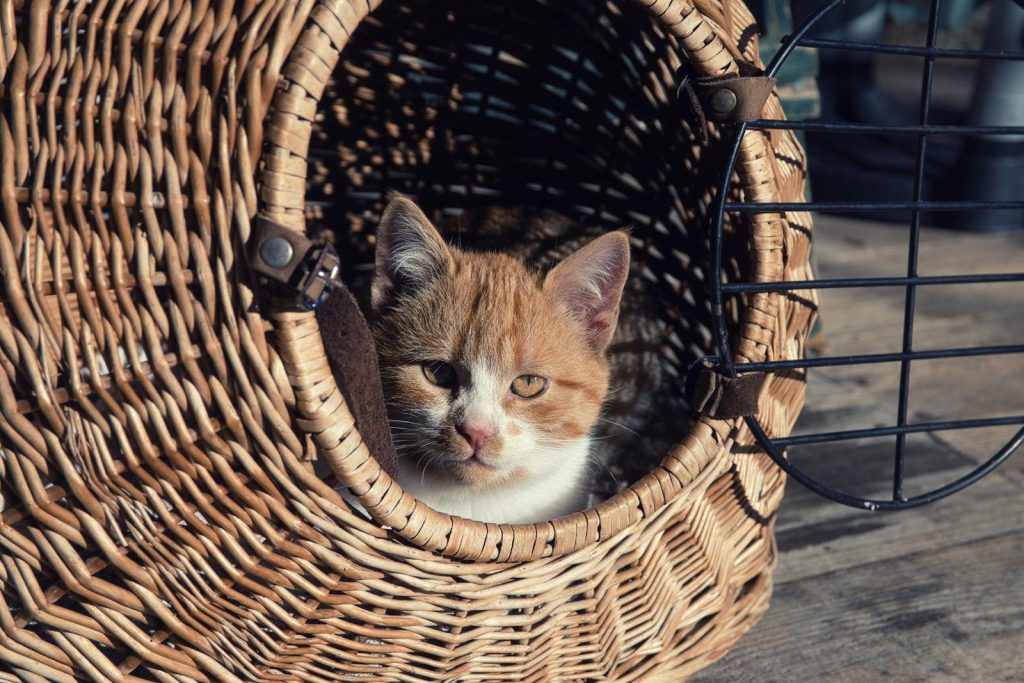
A calm, repetitive phrase can lower a cat’s heart rate during a stressful car ride. Using the same reassurance words creates a familiar anchor in a strange environment. Feline behavior experts recommend whispering soft words of praise while keeping your body relaxed. But voice control is only half of the secret.
Your physical stance can completely ruin your message.
Matching your voice with your eyes
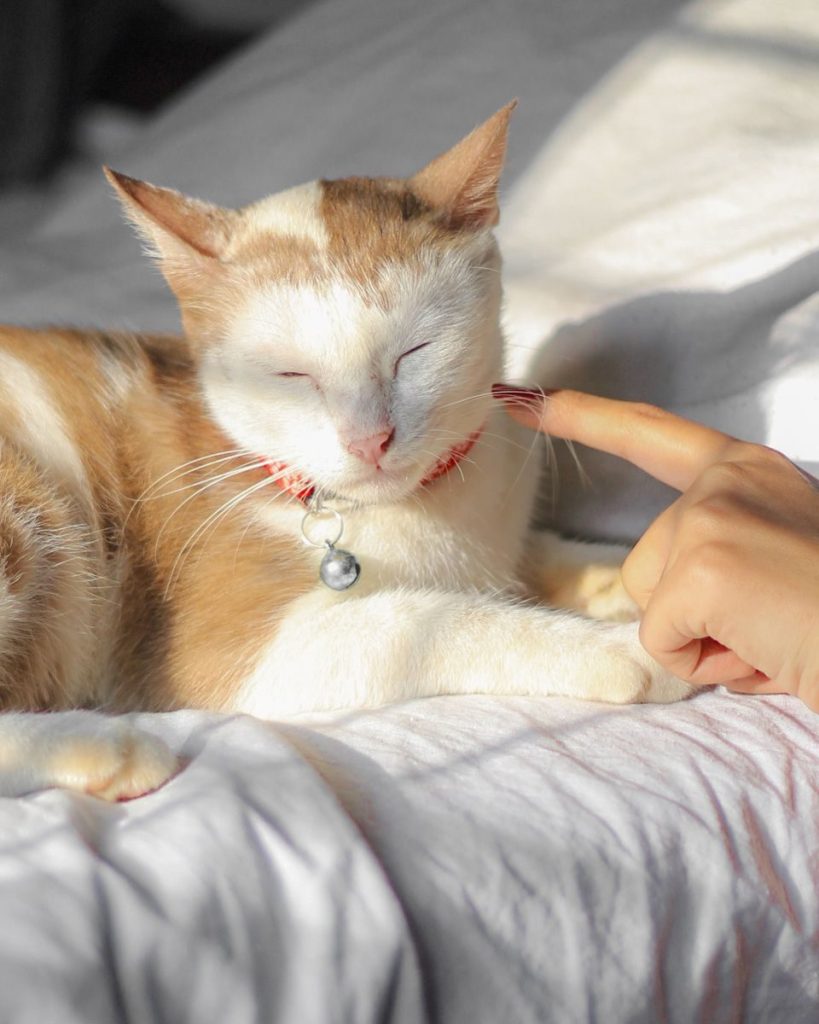
Cats look at your facial expressions to confirm if a situation is safe. Combining a soft voice with a slow blink signals deep trust and affection. This simple double message tells your pet that they can let their guard down. Still, some common human words can trigger unexpected anxiety.
A loud vocal correction can damage your bond.
Ditching the harsh verbal corrections
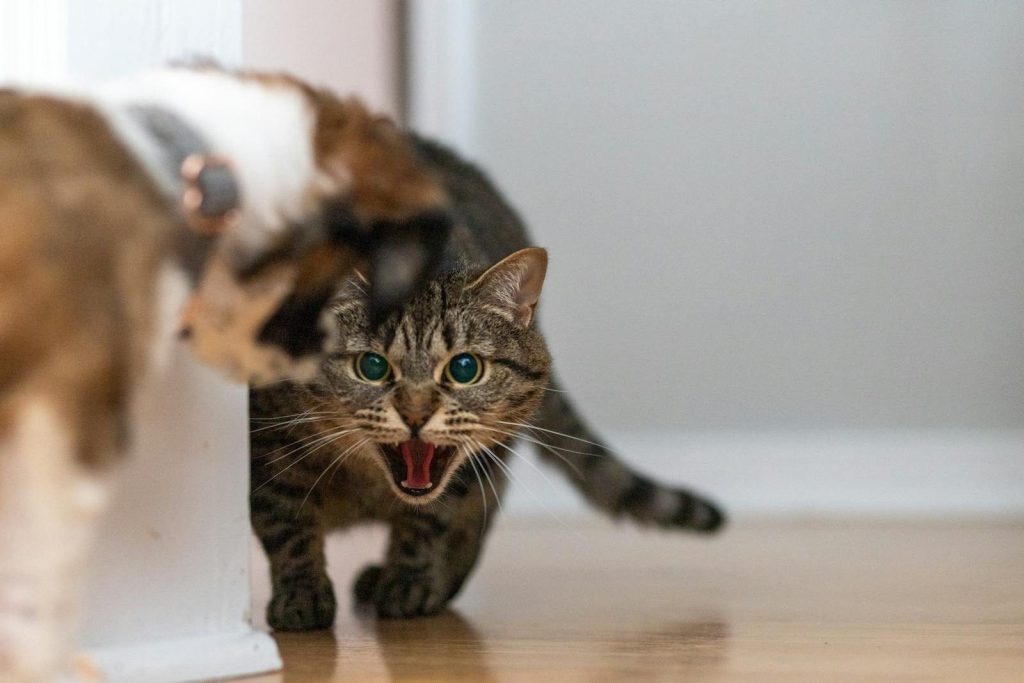
Shouting a loud warning rarely teaches an indoor animal to stop a bad habit. Felines interpret loud noises as a physical threat rather than constructive feedback. According to the American Veterinary Medical Association, negative reinforcement can lead to hidden stress behaviors. Fortunately, there is a better way to redirect their energy.
A simple sound can stop mischief without fear.
Using soft clicks to guide behavior
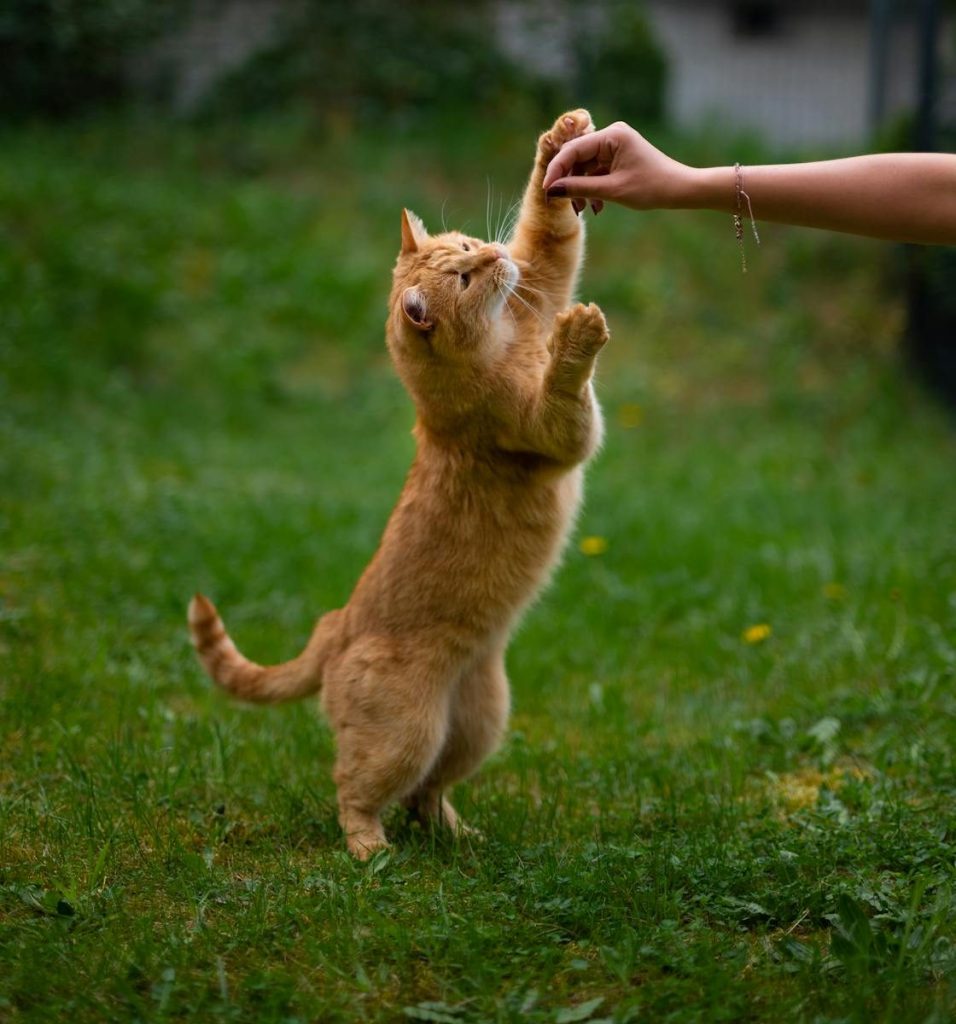
A gentle clicking sound or a soft whistle can capture their attention immediately. Rewarding them with a high-value treat right after a positive behavior builds long-term trust. Your pet learns to associate your soft voice with delicious rewards. But how do you start this routine today?
A quick daily exercise can cement this connection forever.
Creating a peaceful conversation at home
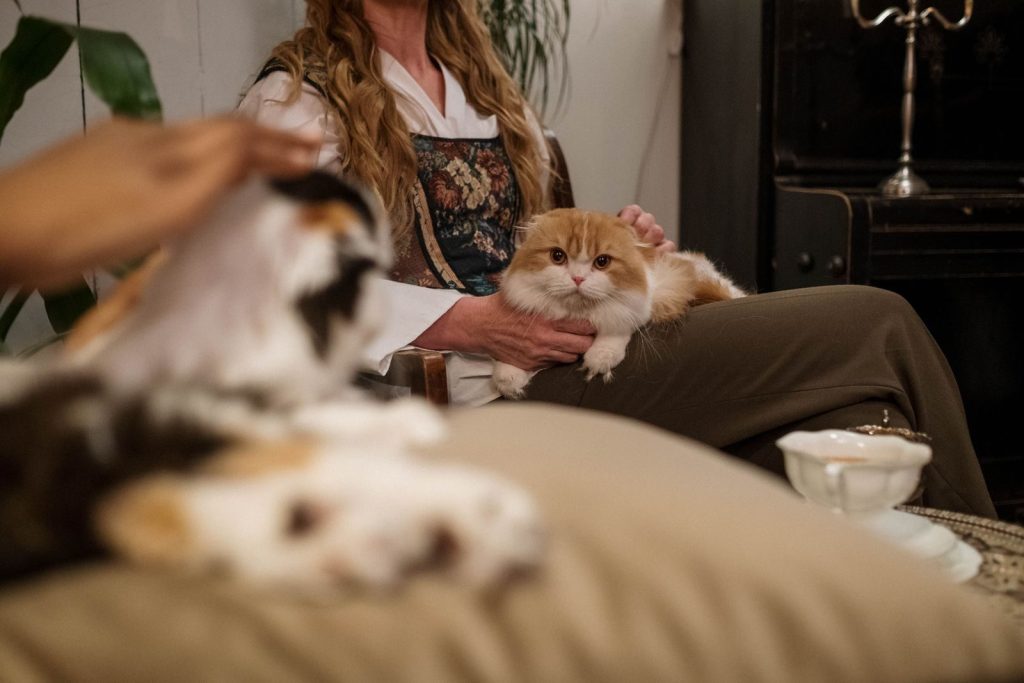
Spend five minutes each evening talking quietly to your feline companion. This predictable ritual builds a secure environment where your pet can truly relax. This article is for informational purposes only and does not constitute veterinary advice. Listening closely to their soft vocal responses is the ultimate reward of pet parenting.
Featured Image: Photo by Cats Coming on Pexels