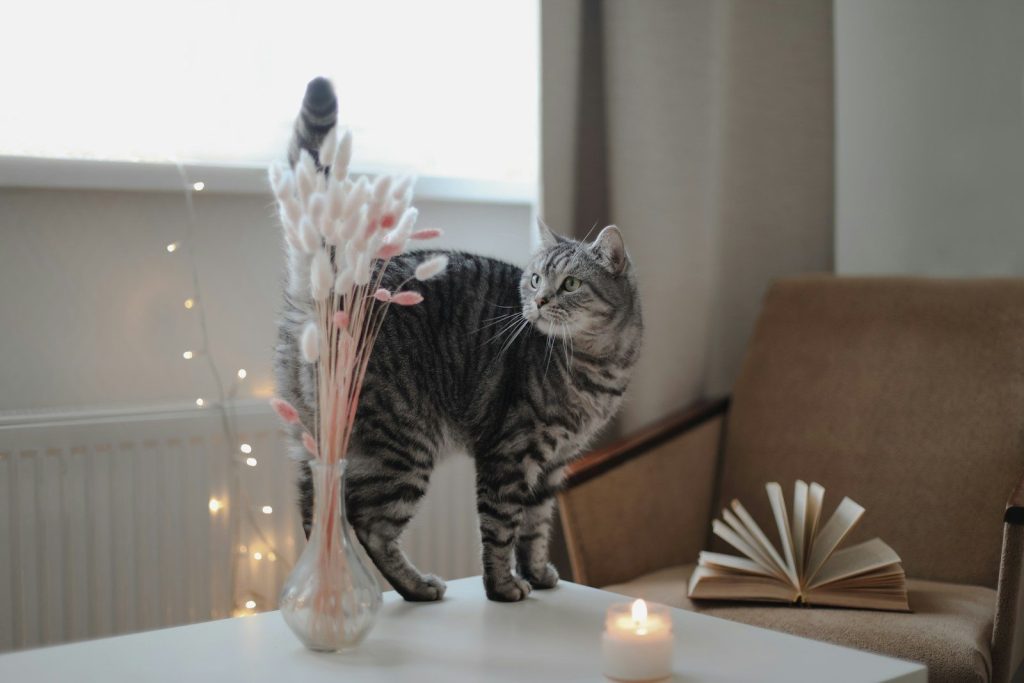

Cats are incredibly resilient creatures. When a stray animal faces a major physical challenge, they do not feel sorry for themselves.
One special feline proved that missing limbs cannot stop a playful spirit. His inspiring journey shows how a rescue pet can beat the odds.
The biomechanics of a walking cat
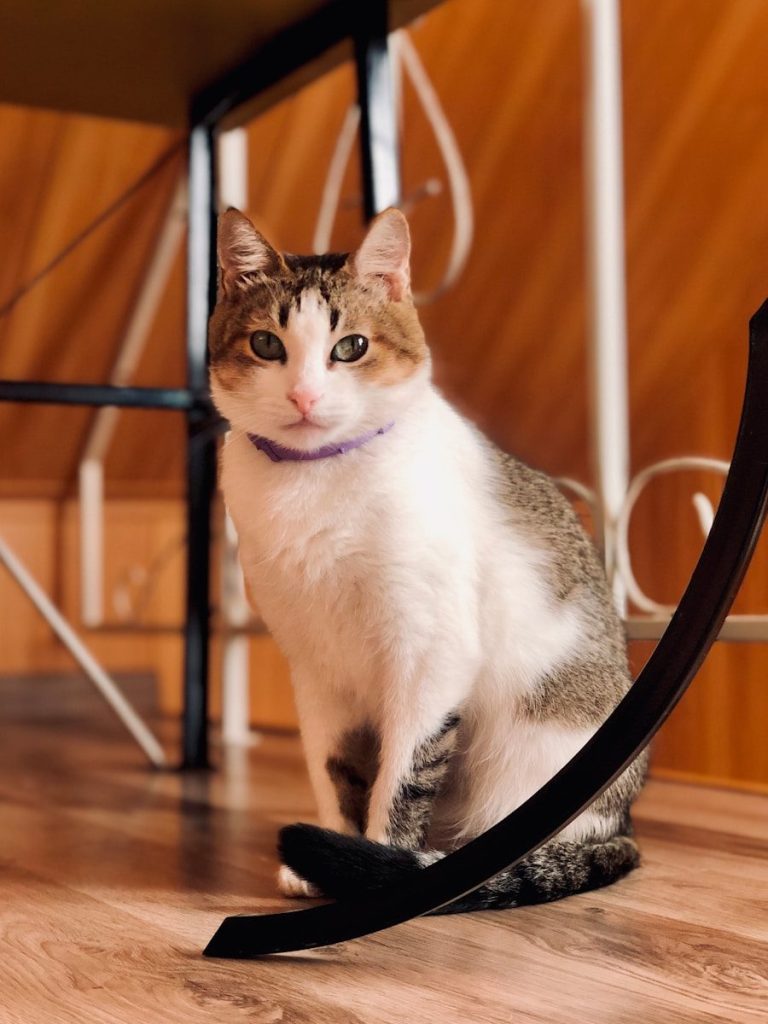
Felines normally distribute their weight evenly across all four paws. When injury or illness takes their front legs, their bodies must adapt to survive. According to the American Veterinary Medical Association, cats can shift their center of gravity backward. This biological adjustment allows them to stand upright. But this physical transformation requires immense muscular power.
Building core strength on daily walks
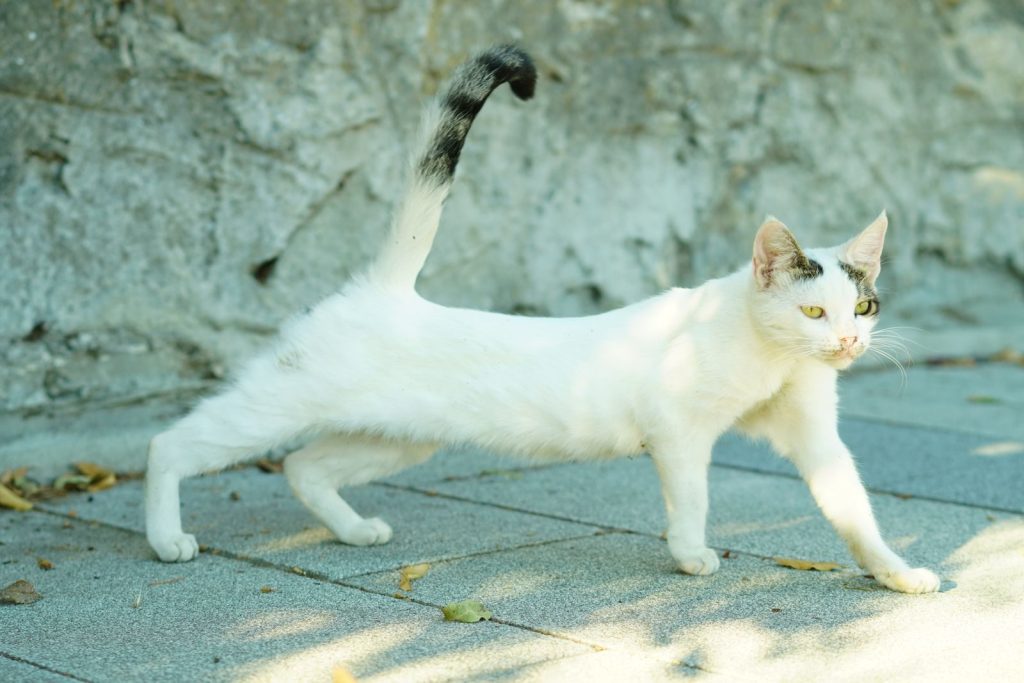
Without front paws, a cat must rely heavily on strong back legs and spinal flexibility. They learn to balance by using their tail like a steady rudder. This constant balancing act builds a powerful core over time. Owners can support this natural training with soft carpeted ramps around the house. However, these physical changes also create unique challenges for their joints.
Managing joint health in adaptive pets
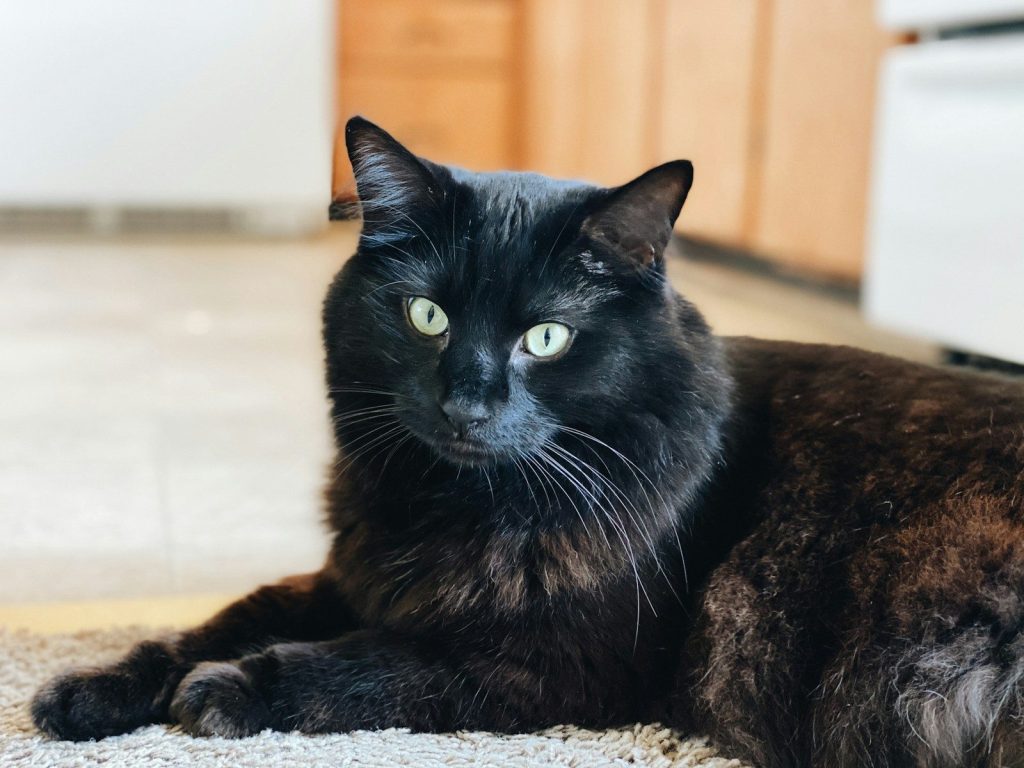
Shifting all body weight to the rear limbs can cause extra wear on senior hips. Veterinarians often recommend protective supplements to keep their cartilage strong. Dr. Marty Becker, writing for Vetstreet, emphasizes early screening for mobility changes in unique pets. Keeping these brave animals at a lean weight is absolutely crucial. Yet the home layout plays an equally massive role in their safety.
Creating a custom indoor play space
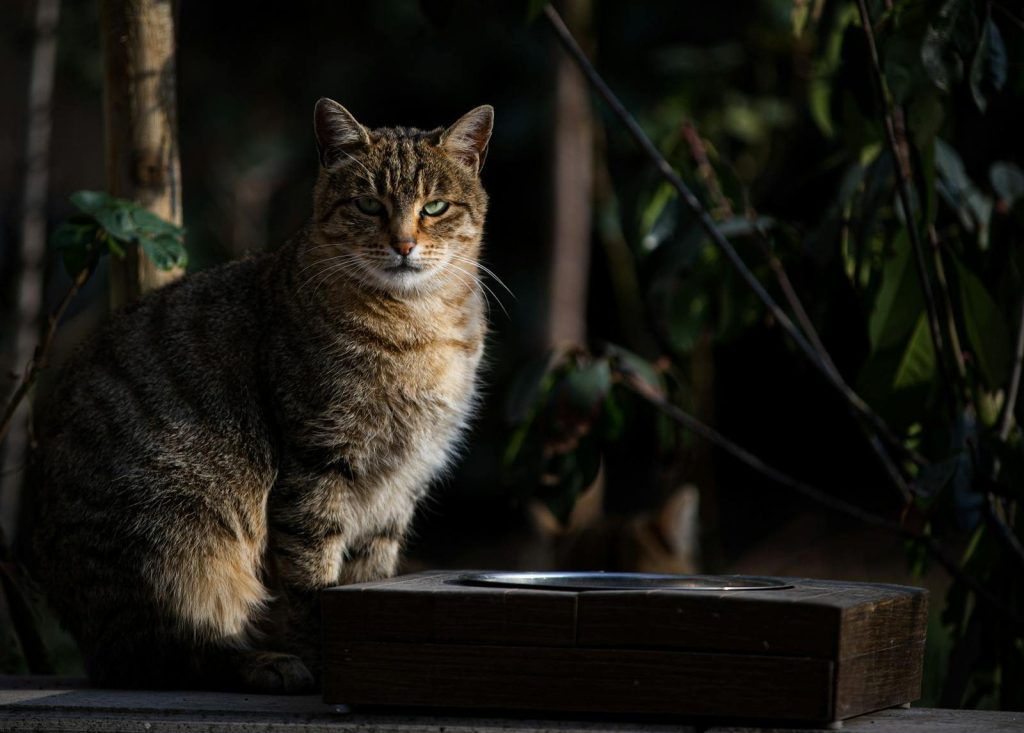
Adaptive cats love to explore just as much as any other pet. Low couches and thick yoga mats provide excellent traction for their rear claws. Placing food dishes on shallow platforms helps them eat without straining their lower backs. This thoughtful setup boosts their confidence every single day. But their mental drive to play is what truly keeps them going.
The powerful link between play and recovery
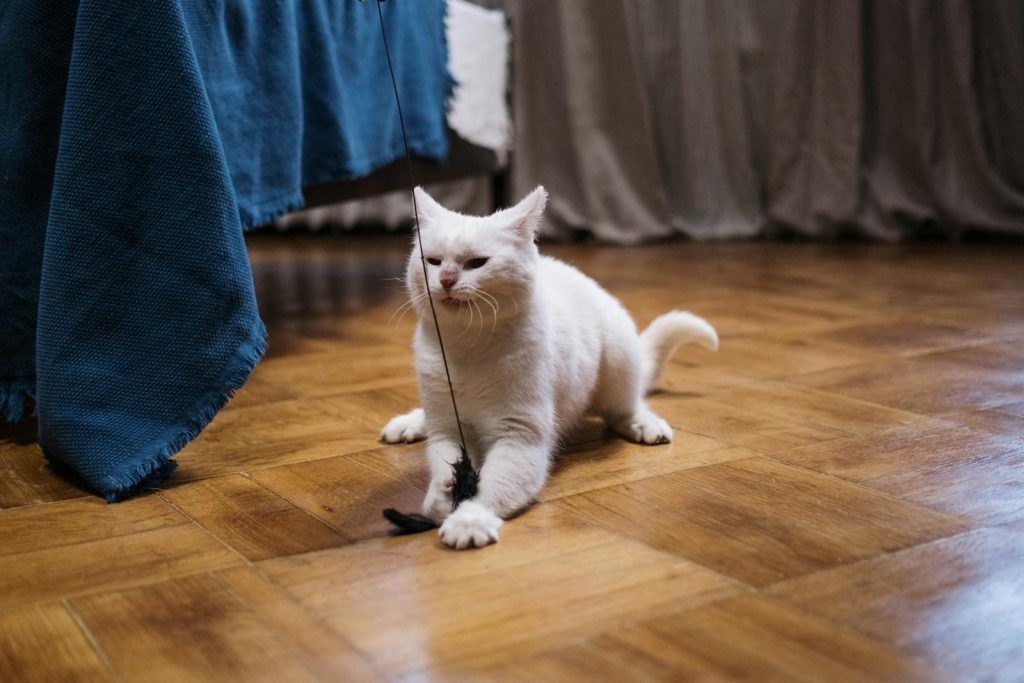
Chasing feather wands keeps their minds active and distracts them from physical limitations. Playtime releases feel-good endorphins that naturally reduce chronic discomfort. According to studies from the Cornell Feline Health Center, mental stimulation prevents depression in indoor pets. Active sessions keep their spirits high and their bodies nimble. But owners must watch for subtle signs of physical fatigue.
Spotting the signs of muscle exhaustion
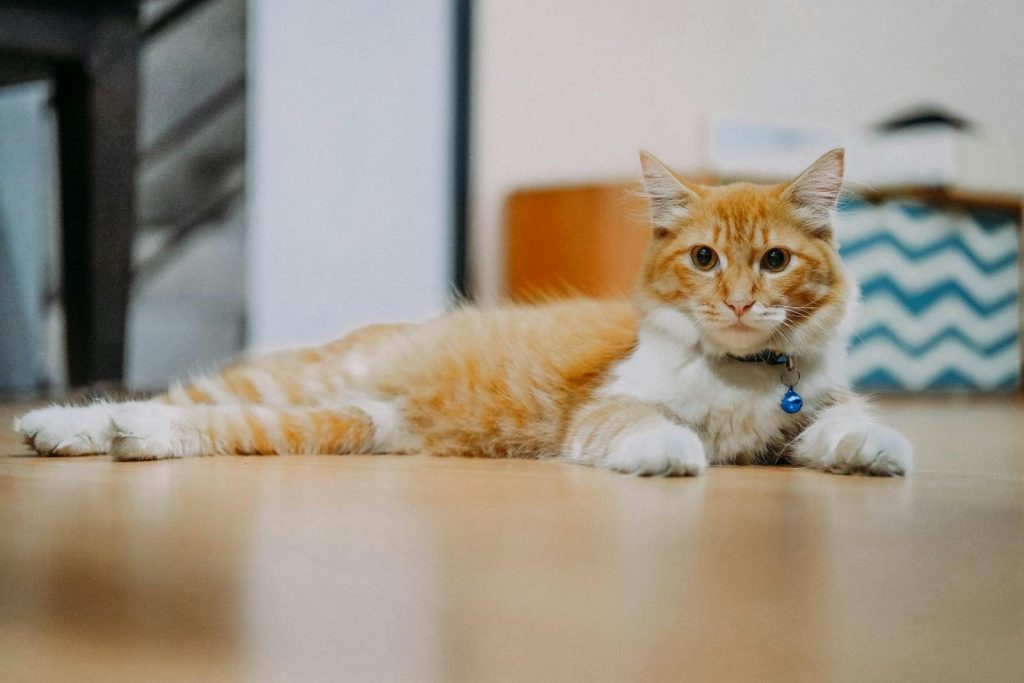
An adaptive cat will rarely complain when their muscles grow tired. They might simply sit down mid-play or start breathing a bit faster. Heavy panting or dilated eyes show it is time to wrap up the session. Offering a quiet resting zone helps them recover peaceful energy. Still, their sheer determination to explore the house never ceases to amaze.
The psychological strength of rescued pets
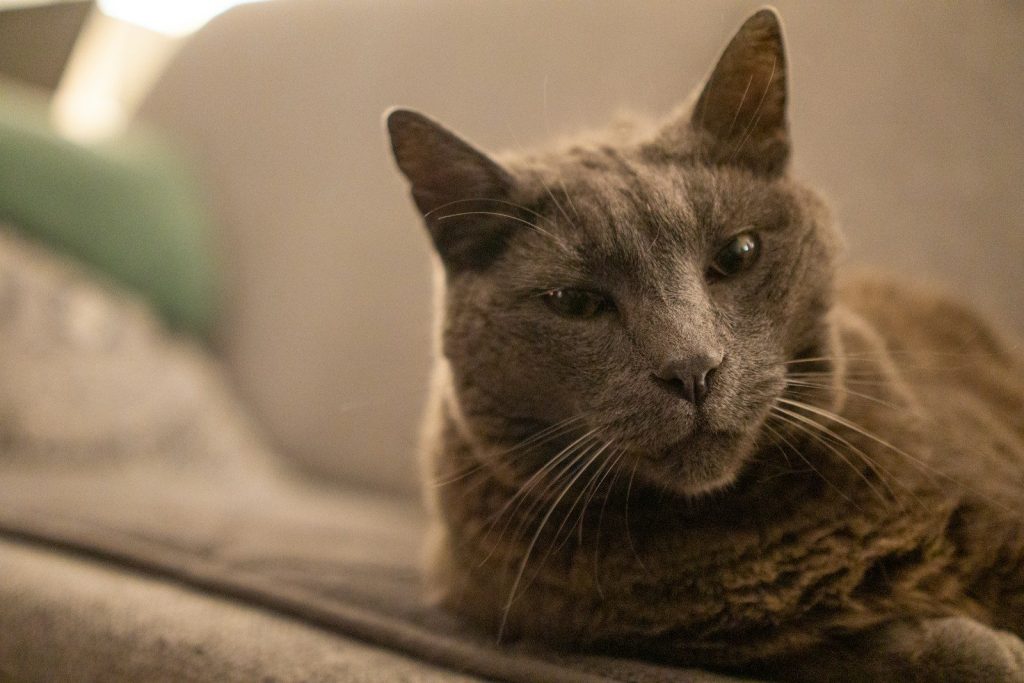
Rescued animals do not dwell on the past or worry about what they are missing. They focus entirely on the present moment and find joy in simple things. This beautiful mindset helps them adjust to physical changes far faster than humans do. Their daily enthusiasm teaches us a powerful lesson about overcoming obstacles. But how can you help other unique shelter animals find homes?
Supporting the unique pets in shelters
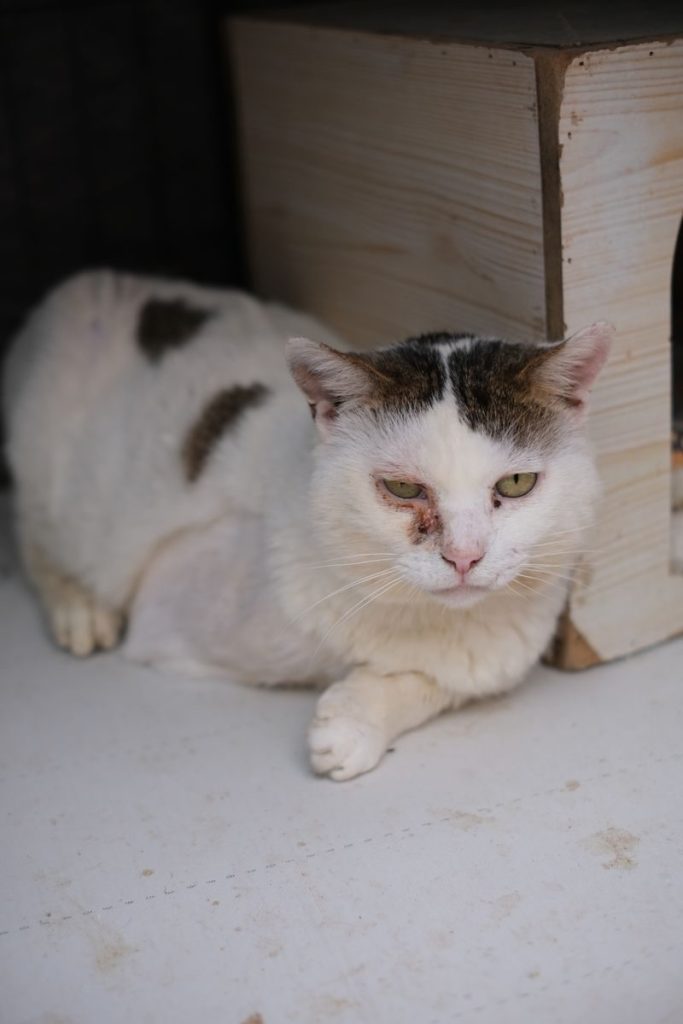
Many extraordinary cats wait in shelters because people fear their care is too difficult. In reality, these resilient animals often require very minor daily adjustments to thrive. This article is for informational purposes only and does not constitute veterinary advice. Opening your heart to a special needs pet can bring immense joy and inspiration to your household.
Featured Image: Photo by Galina Kondratenko on Unsplash