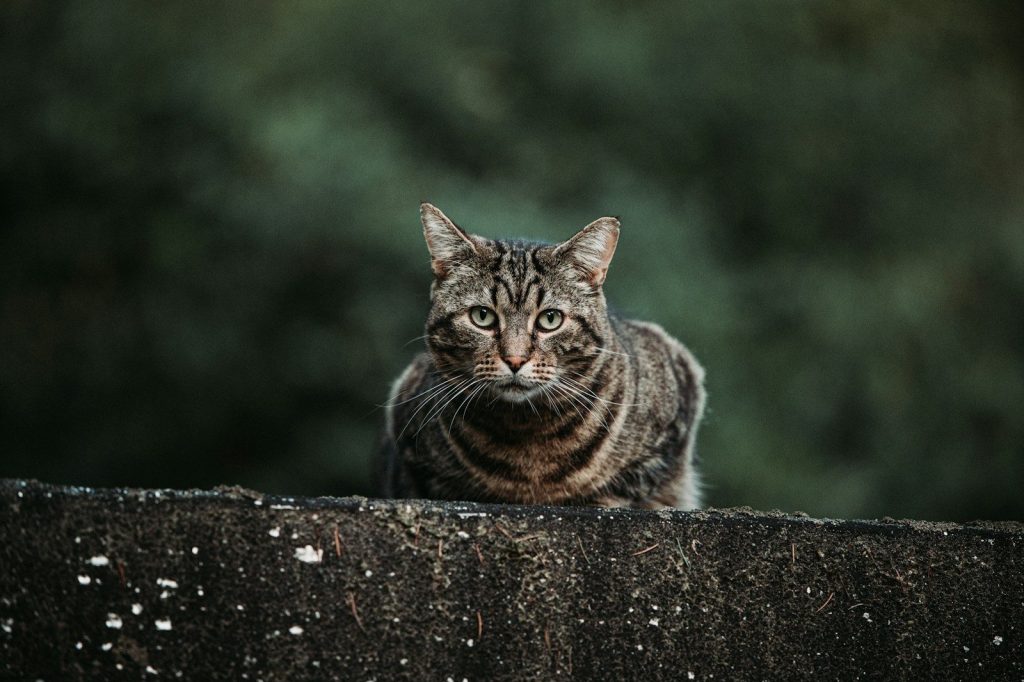

Felines are famous for avoiding water at all costs. But sometimes a sudden slip can send a household cat straight into the deep end.
A viral moment captured one pet facing its worst nightmare. What happened right after the splash left millions of viewers laughing and learning.
The science behind feline water aversion
Most domestic cats descend from desert wildcats. Their ancestors rarely had to interact with deep rivers or lakes. According to the American Veterinary Medical Association, their fur absorbs water like a heavy sponge. This wet weight makes them feel slow and vulnerable to predators. But their unique coats actually hide an even bigger biological issue.
Losing the ability to stay warm
A cat’s undercoat plays a massive role in regulating internal body temperature. When water penetrates this deep layer, they lose heat almost instantly. This sudden chill triggers an immediate survival response in their nervous system. They might panic or run wildly around the house to dry off. However, this reaction can sometimes lead to unexpected accidents.
When the bathroom becomes a danger zone
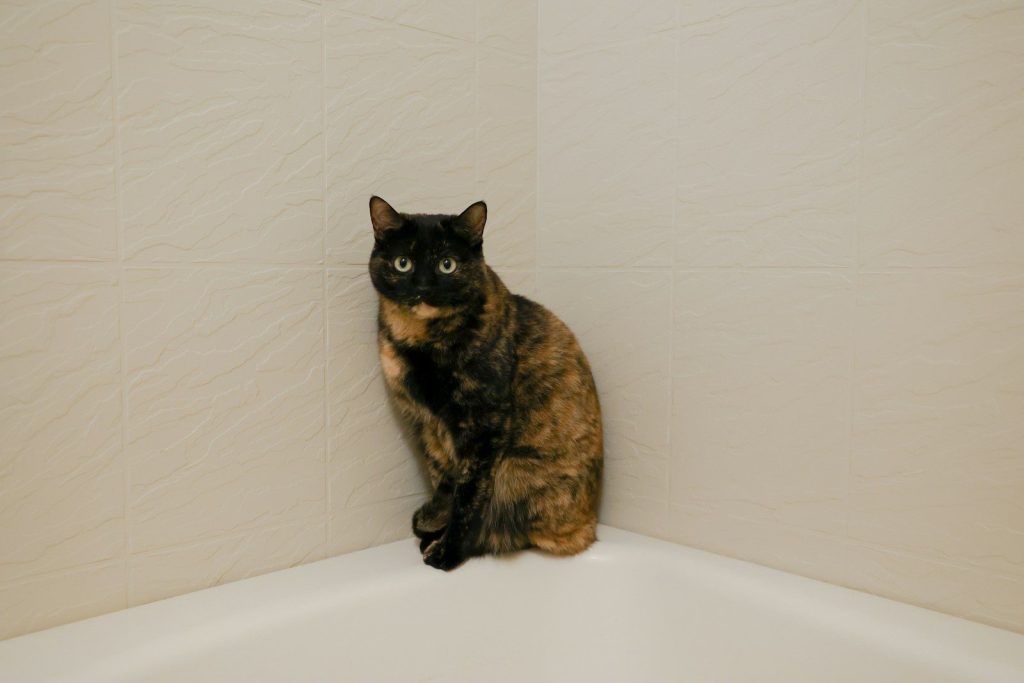
Many cats love exploring wet sinks and bathroom tubs out of curiosity. But slippery surfaces can cause sudden falls into standing water. This unexpected dip triggers a rush of adrenaline, making them scrape at the slippery porcelain. Owners often try to grab their wet pets immediately. But experts warn that this helpful impulse can backfire.
Handling a panicked wet pet safely
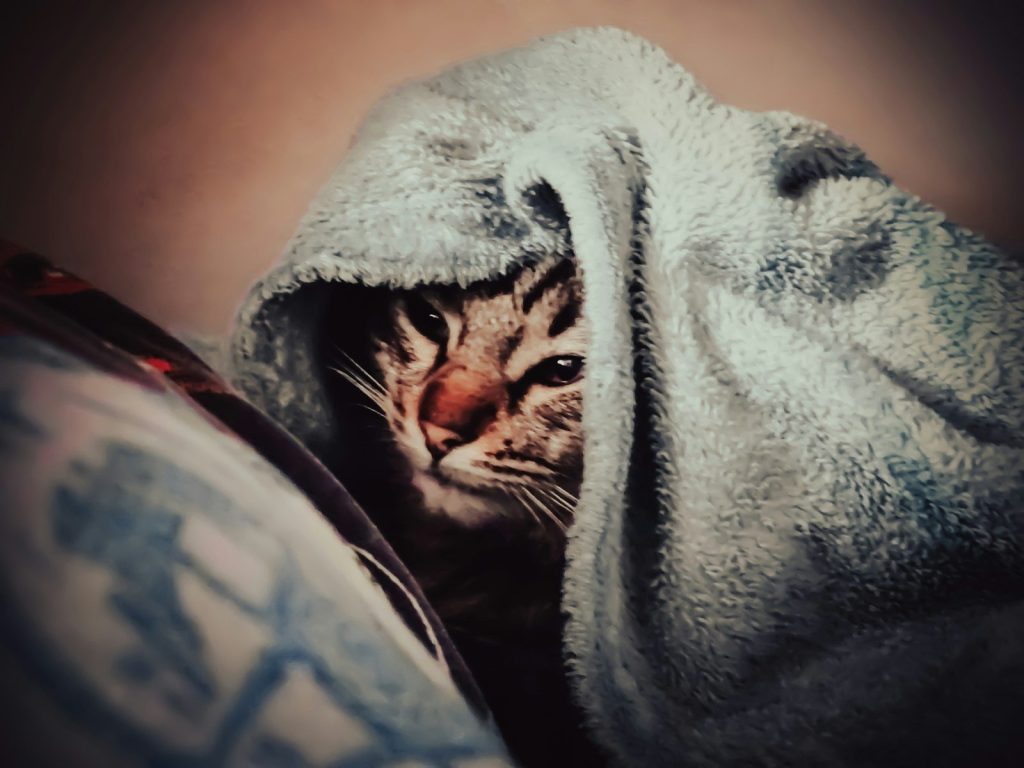
A wet, scared cat sees the world through a lens of pure survival. They might scratch or bite their favorite human without meaning to cause harm. Feline behaviorist Dr. Pam Johnson-Bennett recommends using a thick towel instead of bare hands. Wrapping them safely calms their nervous system. Still, some breeds actually look forward to bath time.
The rare swimming cats of the world
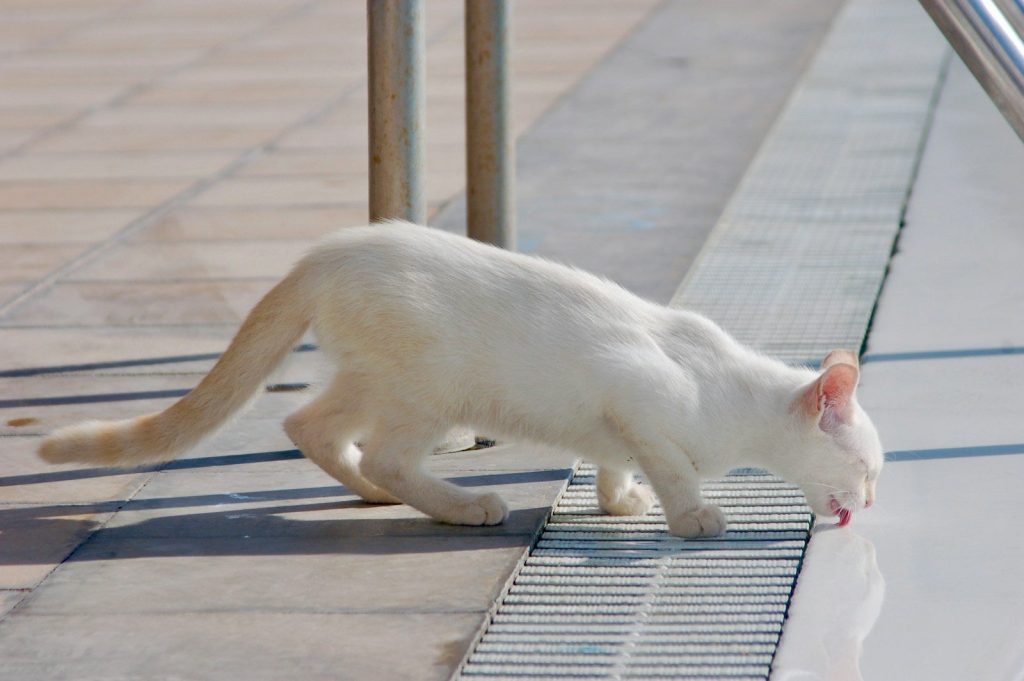
Breeds like the Turkish Van possess water-resistant coats that do not absorb moisture. These unique felines love playing in shallow pools and chasing running water. According to the Cat Fanciers Association, their texture feels more like cashmere than standard fur. This genetic twist keeps them warm even while fully submerged. But most household cats require a very different approach.
Safe alternatives to a soapy bath
Healthy felines spend up to half of their waking hours grooming themselves. Unless they get into sticky grease or toxic substances, they rarely need human baths. Using waterless feline foam or damp wipes keeps them clean without the emotional trauma. This protects their skin oils from drying out. But you must watch for hidden signs of skin distress.
Dry skin and chronic scratching issues
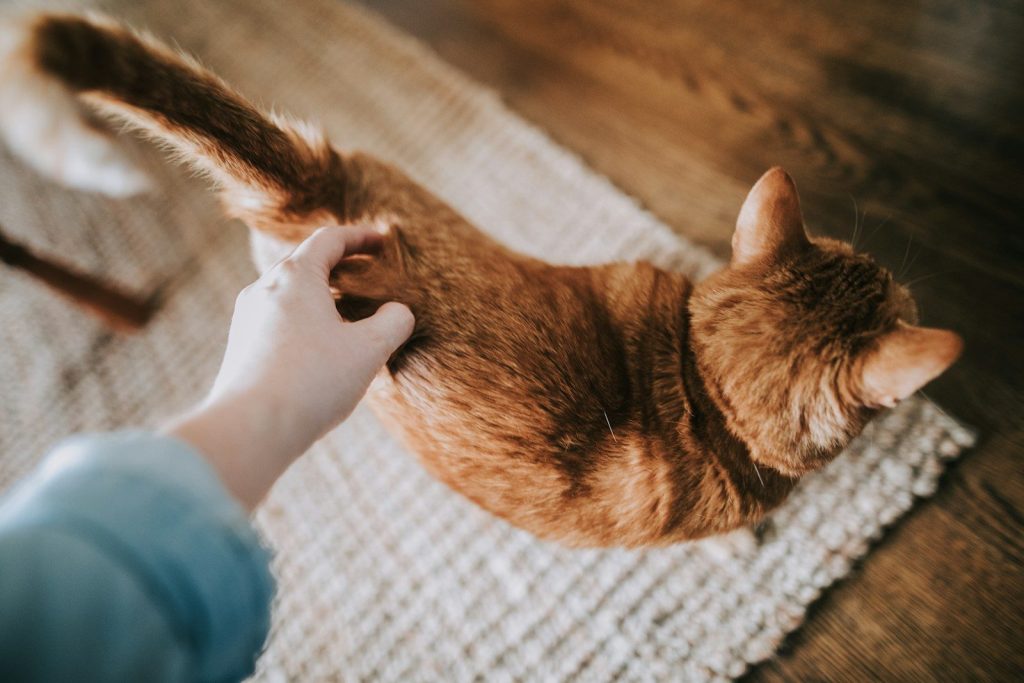
Excessive bathing strips the protective oils from a cat’s skin. This causes intense itching and can lead to open sores from constant scratching. According to the Cornell Feline Health Center, dry skin makes them vulnerable to secondary infections. Keeping baths to a minimum keeps their natural barriers strong and healthy. But what should you do if an accidental dip happens?
Rebuilding trust after a scary splash
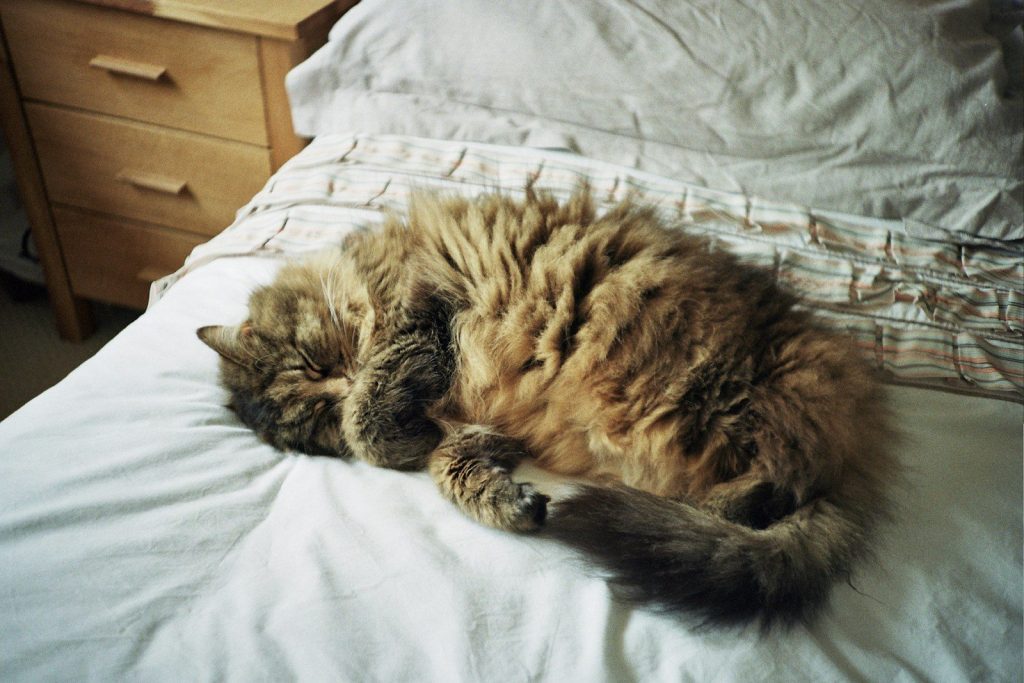
If your cat gets wet, offer a warm, dry space and high-value treats immediately. Letting them dry off peacefully in a quiet room helps them process the stress. This article is for informational purposes only and does not constitute veterinary advice. A little patience ensures your playful companion bounces back to their happy self.
Featured Image: Photo by Andréas BRUN on Unsplash