

Many owners believe that one cat year equals seven human years. This popular aging rule is completely incorrect and can lead to poor veterinary decisions.
Felines age at a highly unique, non-linear rate throughout their lives. Learning how cats actually age can help you provide targeted care for every life stage.
The rapid maturity of feline youth

Kittens grow and develop at an astonishing speed during their first year. By the time a kitten reaches six months, they are biologically comparable to a ten-year-old child. A one-year-old cat has already reached the developmental stage of a fifteen-year-old human. This rapid growth tapers off quickly, but the second year holds another major milestone.
The massive milestone of year two
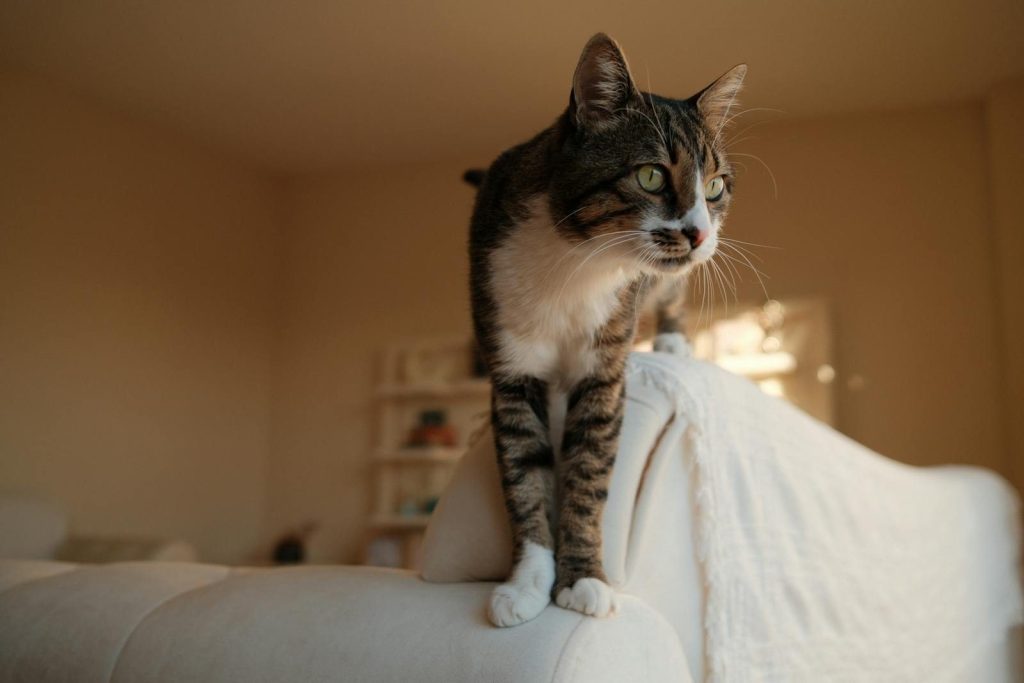
A cat’s second year of life marks their transition into full physical maturity. By their second birthday, a feline is approximately twenty-four human years old. They have completed their emotional and physical development, entering their prime adult years. After this milestone, the aging rate finally settles into a steady, predictable rhythm.
The steady pace of adult years

Once a cat turns two, each subsequent calendar year equals about four human years. A five-year-old feline is roughly thirty-six in human terms. This steady phase allows them to maintain high energy and sharp hunting skills. However, subtle internal changes begin as they approach their double-digit years.
Entering the golden senior years
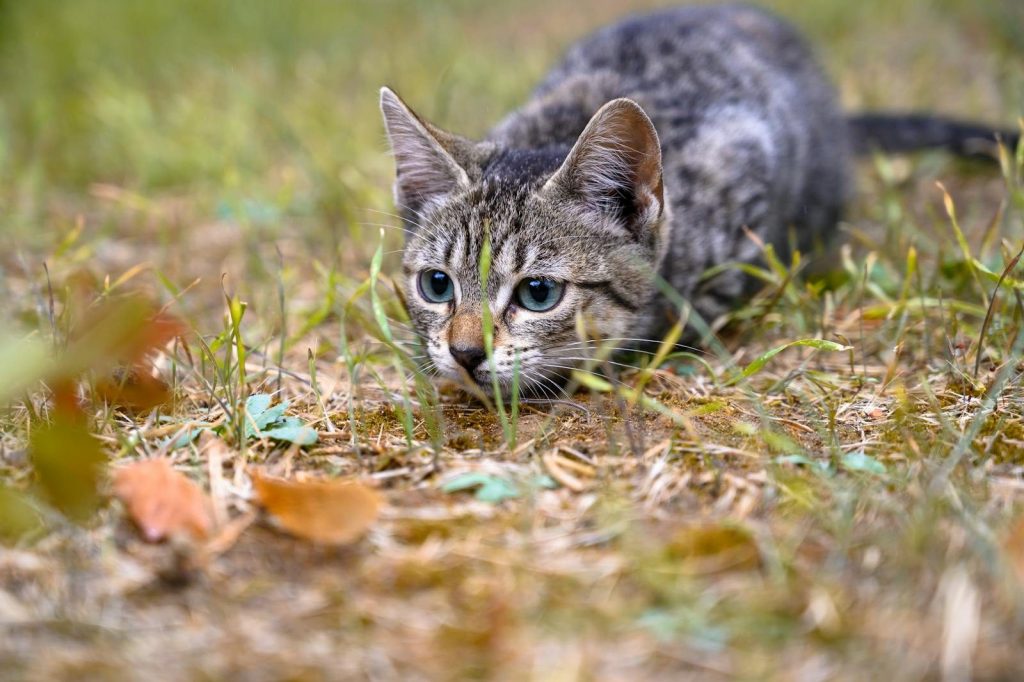
Cats enter the senior stage of life around their tenth birthday. At this point, they are equivalent to a fifty-six-year-old human. You might notice them sleeping longer or jumping with slightly more caution. This transition requires a shift in how you monitor their daily habits. But senior status doesn’t mean their active life is over.
The amazing longevity of indoor cats

With excellent nutrition and veterinary care, indoor cats routinely live to fifteen or twenty. A fifteen-year-old cat is roughly seventy-six in human years. Outstanding care can push felines past their twentieth birthday, which is comparable to a ninety-six-year-old human. This extended lifespan makes proactive senior veterinary care essential.
Customizing veterinary care for seniors
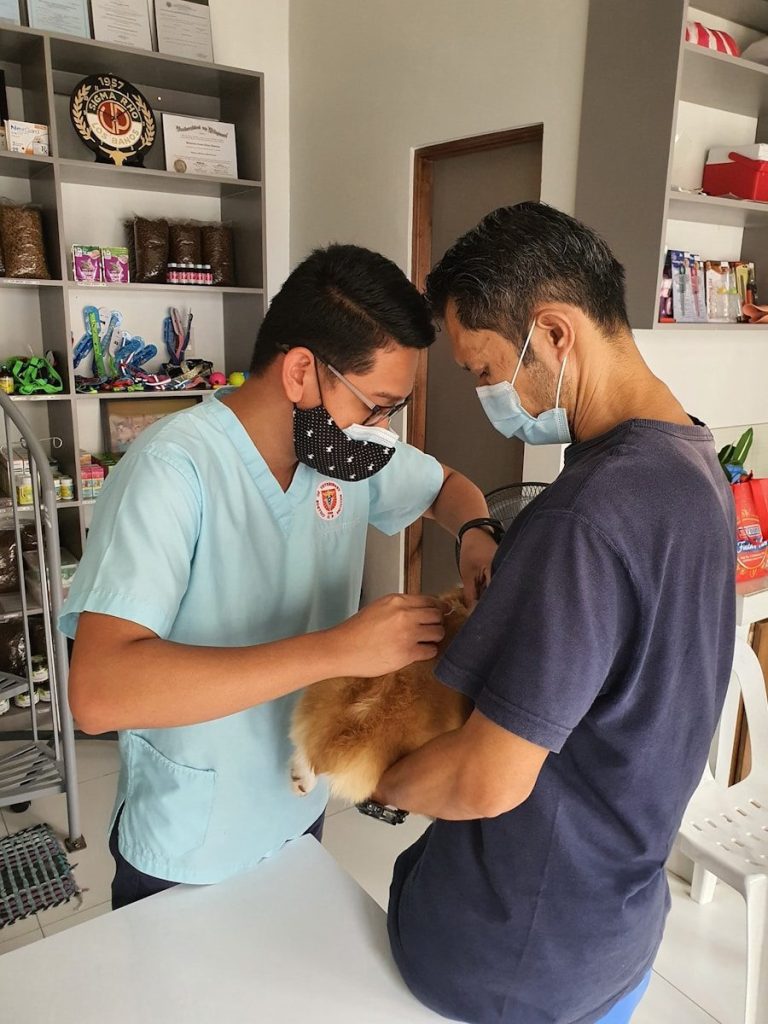
Senior cats benefit greatly from bi-annual veterinary checkups. The American Veterinary Medical Association recommends regular bloodwork to catch kidney or thyroid issues early. Spotting these chronic conditions before symptoms show can add years to your cat’s life. This article is for informational purposes only and does not constitute veterinary advice. Yet, physical health is only half of the senior puzzle.
Protecting aging minds from decline

Felines can suffer from cognitive dysfunction syndrome as they age. This feline version of dementia can cause night vocalizations or confusion in familiar rooms. Keep their environment consistent and engage them in gentle, daily play to support brain health. Knowing their real developmental age helps you recognize these subtle signs.
Supporting your companion through every age
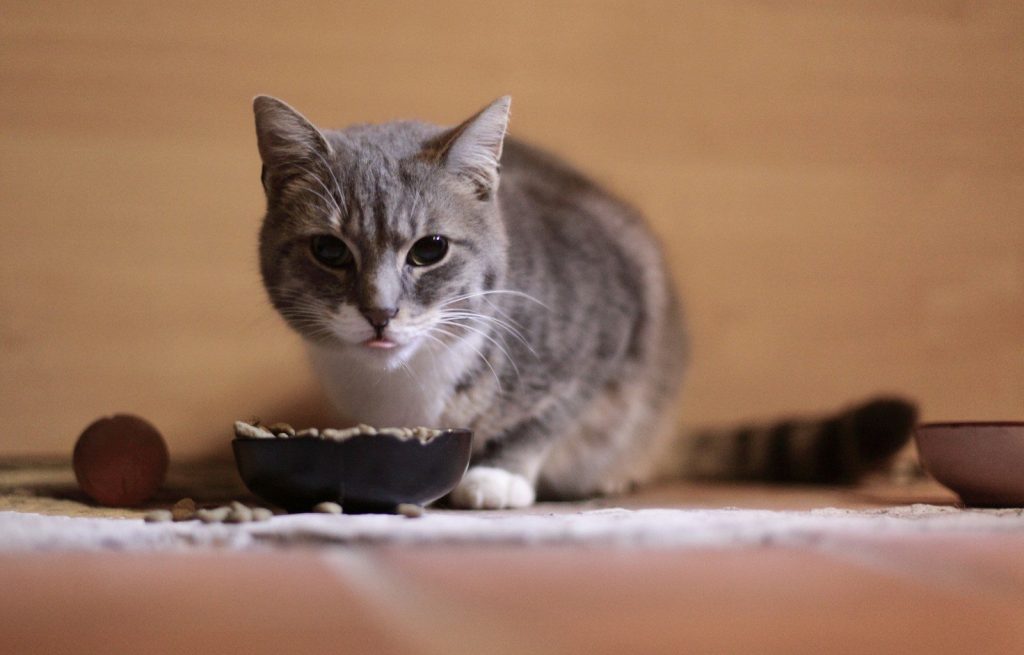
Ditching the old seven-year rule helps you understand your cat’s actual biological needs. Feed them age-appropriate food and adapt your home with ramps if they develop arthritis. Every stage of their life brings unique joys and challenges. By treating them for their real age, you can enjoy many more happy years together.
Featured Image: Photo by Paul Hanaoka on Unsplash