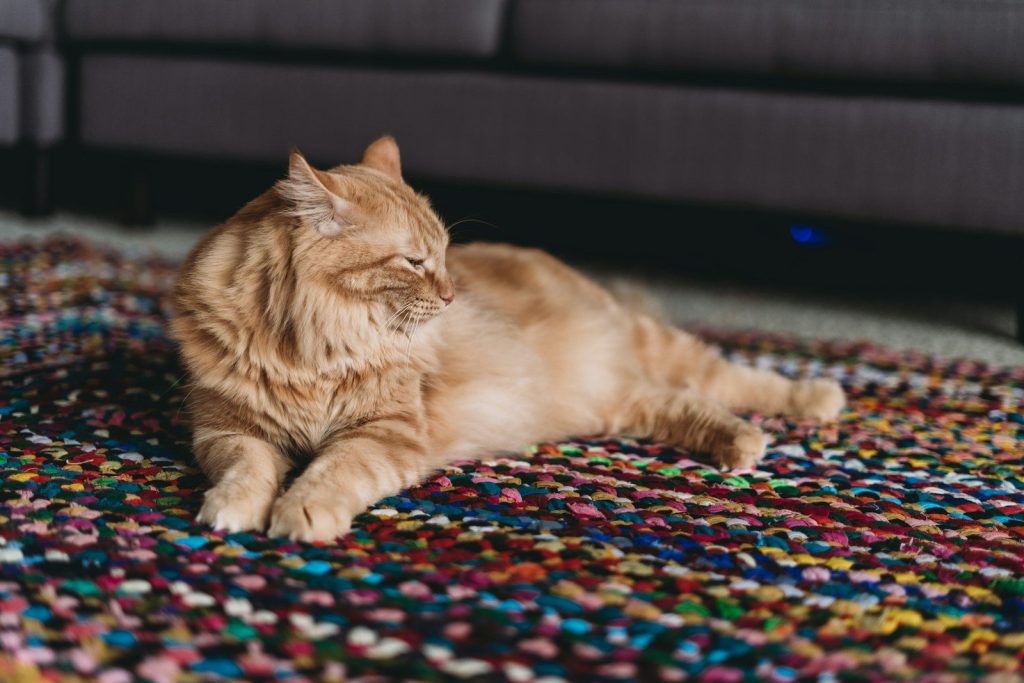

Felines are natural hunters with a strong drive to chase small creatures. Yet, we often see heartwarming videos of cats cuddling with pet rabbits.
This strange connection challenges everything we know about animal instincts. Feline behaviorists have uncovered the secret science behind these beautiful friendships.
Rewriting the natural rules of the wild
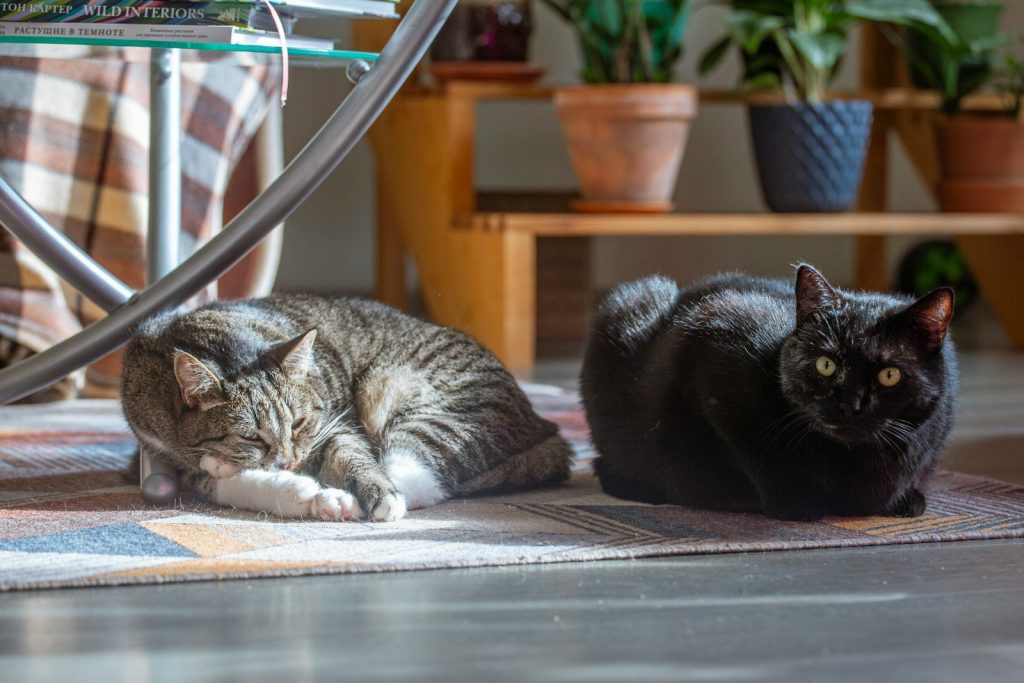
In nature, rabbits are prime targets for hungry felines. Their quick movements trigger a cat’s instinct to pounce. However, domestic environments can change how animals view each other. When raised together from a young age, felines can learn to see a prey animal as a sibling. This socialization overrides their hunting drive. But the introduction process requires extreme care.
The delicate science of scent sharing
Felines identify their friends through smell. When introducing a cat to a rabbit, owners must swap their bedding first. This allows both animals to get used to each other’s scent without any danger. According to the American Veterinary Medical Association, safe scent introductions reduce predatory stress. But scent is only the first signal they use to evaluate danger.
Reading the silent signals of trust
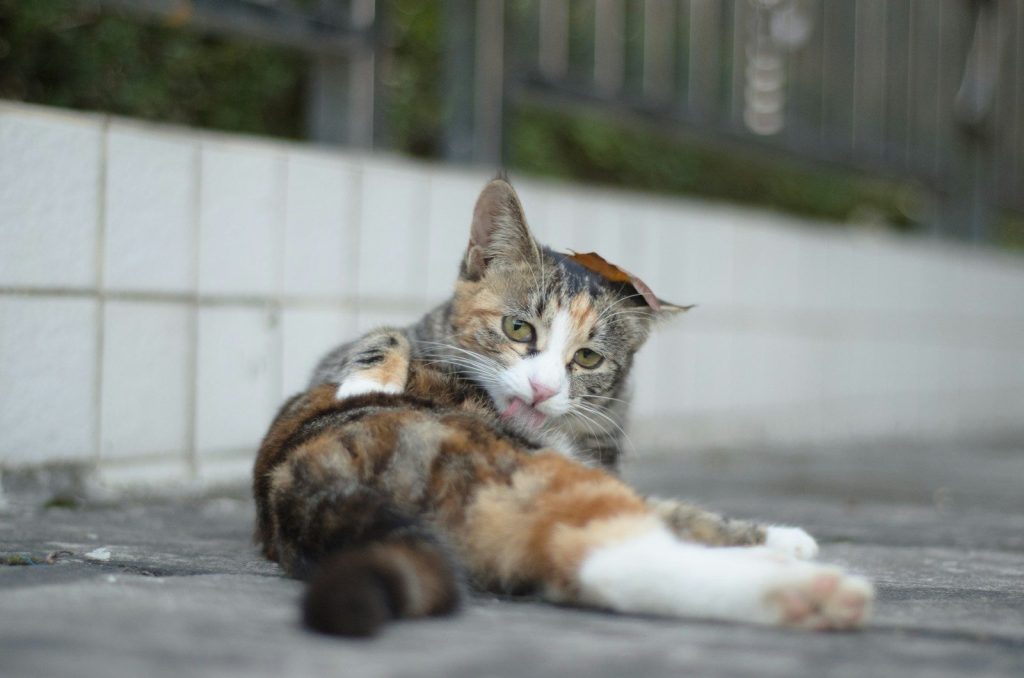
A relaxed cat will lie down near the rabbit with their paws tucked in. This loaf position shows they have no plans to attack. The rabbit will respond by grooming the cat’s ears. This mutual grooming is a sign of high social bonding. It shows they view each other as members of the same family. Yet, danger can still hide in play.
How can accidental injuries happen fast?
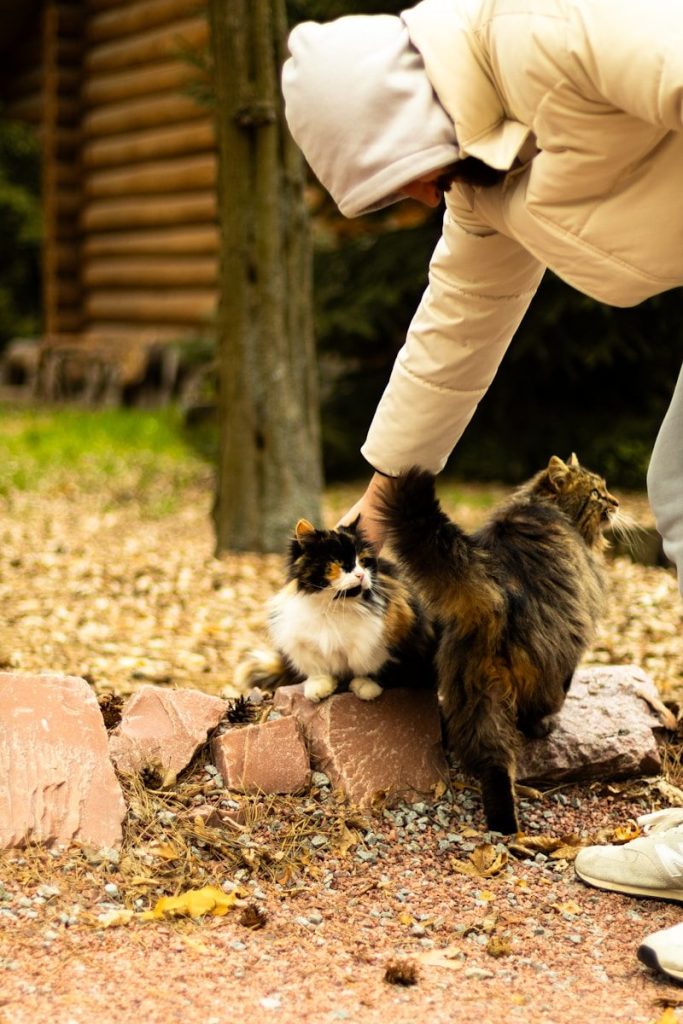
Even a friendly cat can cause harm by accident. Their sharp claws carry bacteria that can cause serious infections in rabbits. A playful swipe can quickly turn into a veterinary emergency. According to the ASPCA, owners must supervise all interspecies interactions to keep both pets safe. But they also share a silent vocabulary that most humans miss.
Communicating through a shared language
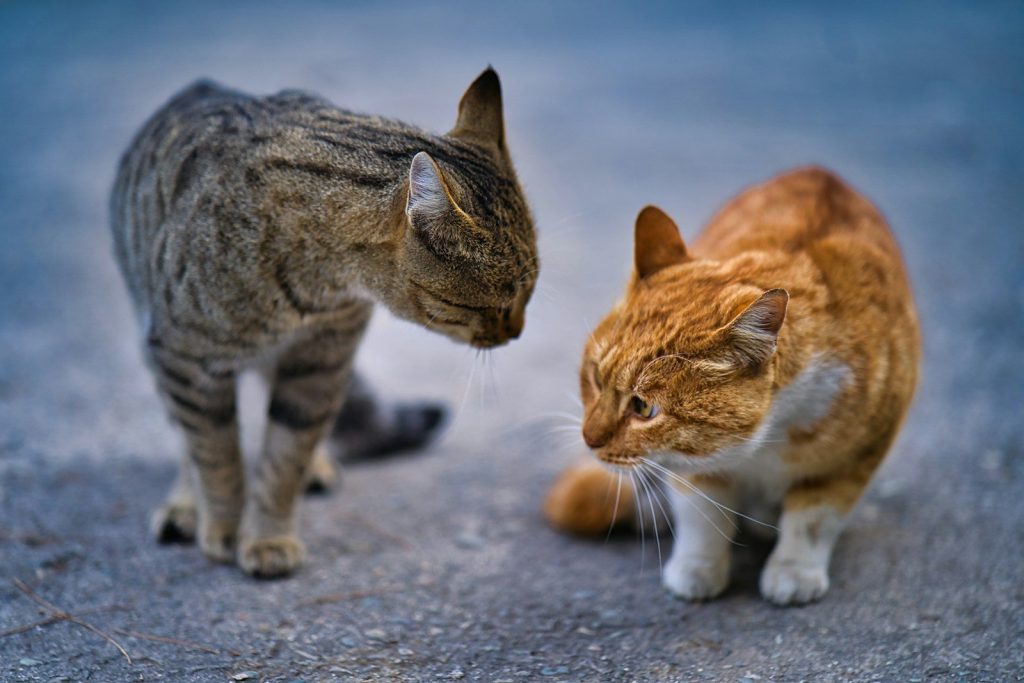
Rabbits and cats share several silent communication signals. Both animals use ear positions to show their mood. Flat ears mean fear, while forward ears show curiosity. They learn to read these subtle movements to avoid misunderstandings. This shared understanding allows them to co-exist peacefully in your living room. However, some feline breeds adapt better than others.
The best breeds for gentle bonding
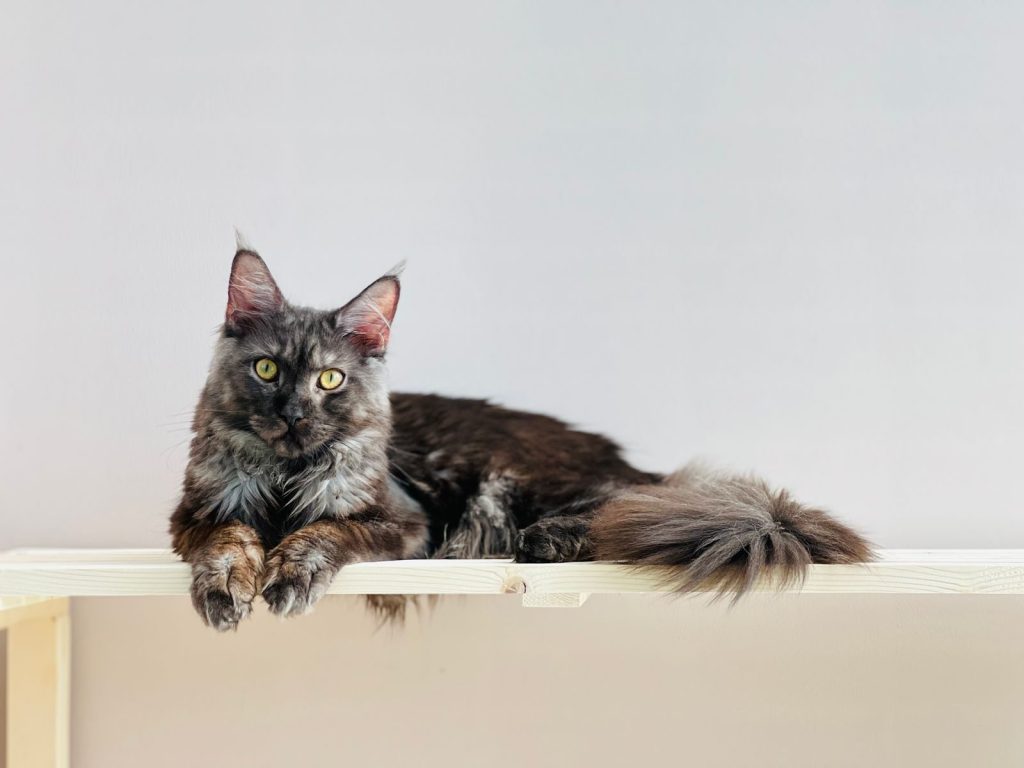
Calm, social cat breeds are more likely to accept a rabbit friend. Ragdolls and Maine Coons are famous for their gentle temperaments. Active hunting breeds like Bengals might find it much harder to resist the urge to chase. Understanding your pet’s personality is the first step toward a peaceful home. But even friendly interactions carry a hidden medical risk.
Protecting your rabbit from hidden bacteria
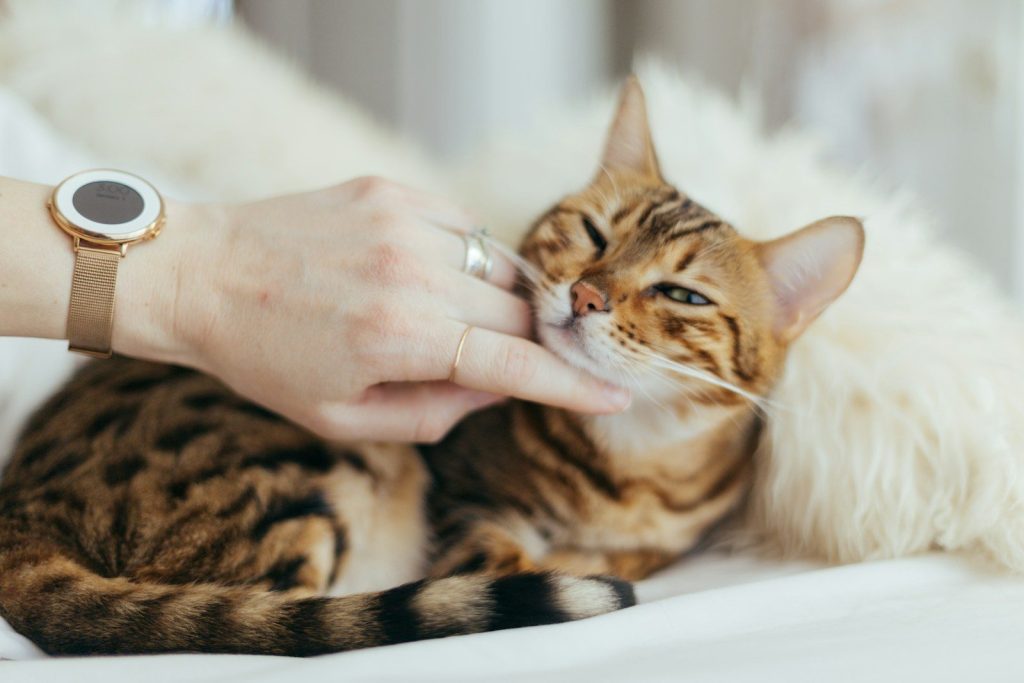
Cats carry Pasteurella bacteria in their saliva, which is highly toxic to rabbits. Even a gentle play bite can transmit this dangerous pathogen. Always consult a professional before letting your pets play together. This article is for informational purposes only and does not constitute veterinary advice. But taking simple safety steps can turn these natural rivals into loving partners.
A beautiful reminder of animal harmony
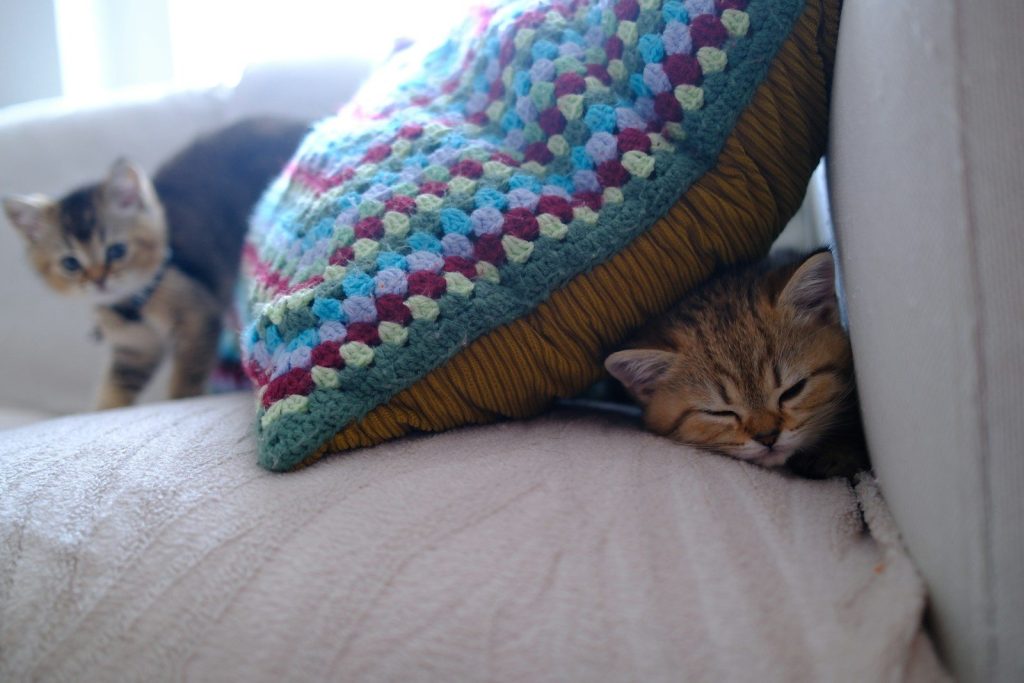
Watching a cat and a rabbit nap together is a peaceful sight. These unique friendships prove that love can overcome natural boundaries. With patience and care, you can create a happy home where different species thrive together.
Featured Image: Photo by Steven Van Elk on Unsplash