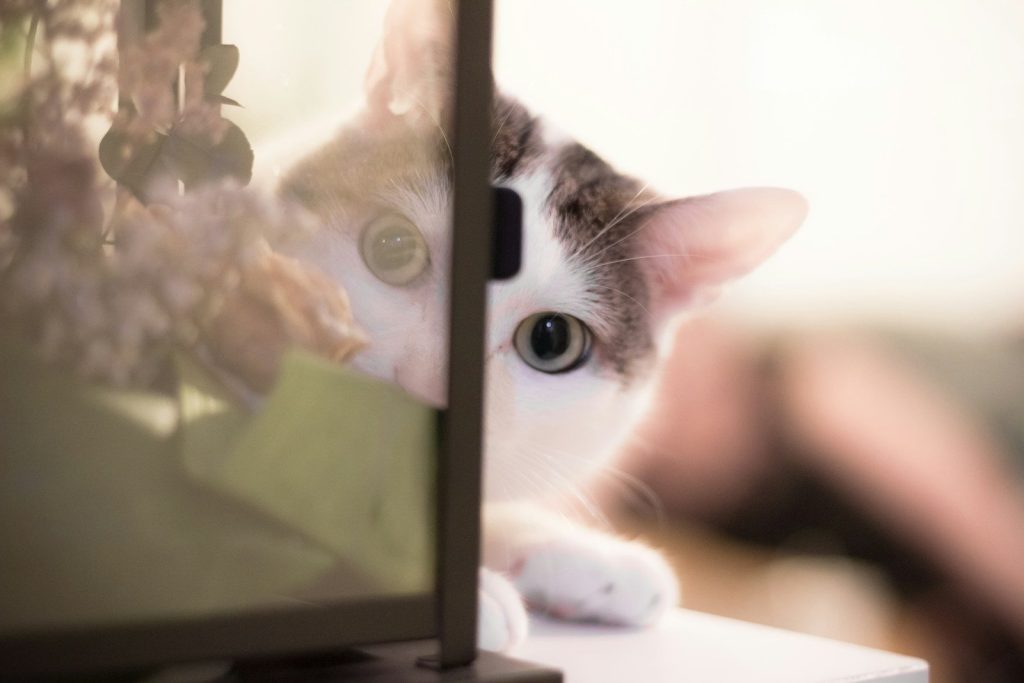

You turn on a video of birds chirping on your television screen. Within seconds, your cat is staring intensely at the glass, ready to pounce.
This modern phenomenon is known as cat television, and it has taken the internet by storm. But this cute screen time is doing something far deeper to your pet’s brain than you might think.
How feline eyes process rapid screen movements
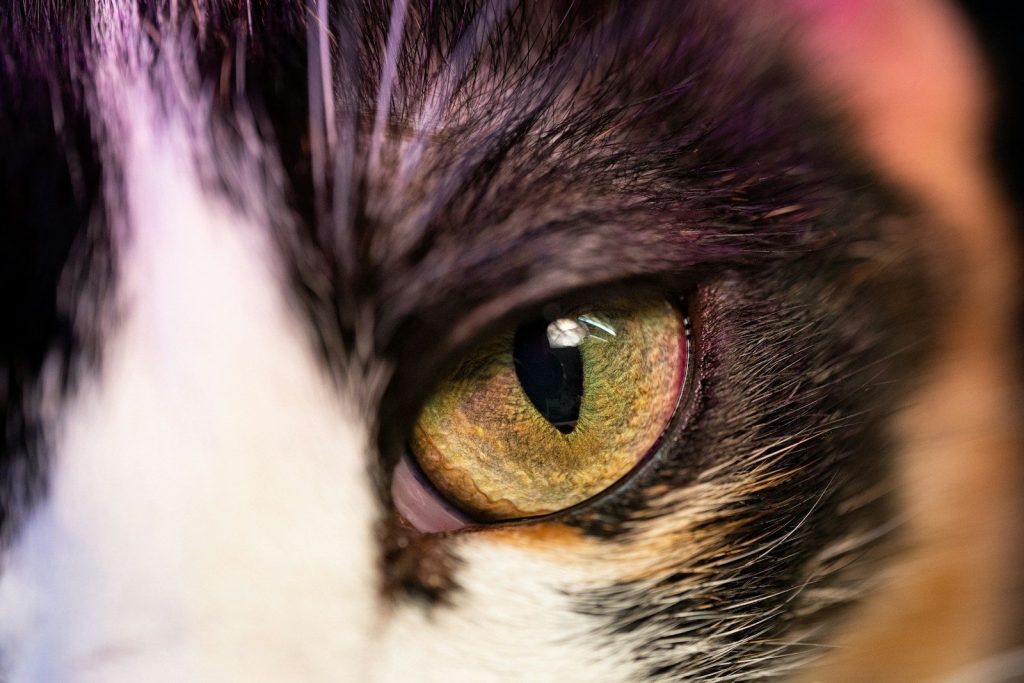
Felines see the world much faster than humans do. Older television screens used to look like a blinking strobe light to their sensitive eyes. Modern high-definition screens show smooth, realistic motion that cats can actually track. This visual clarity tricks their brains into believing real animals are inside the room. But their reaction is driven by a powerful ancient force.
Activating the deep wild hunting instinct
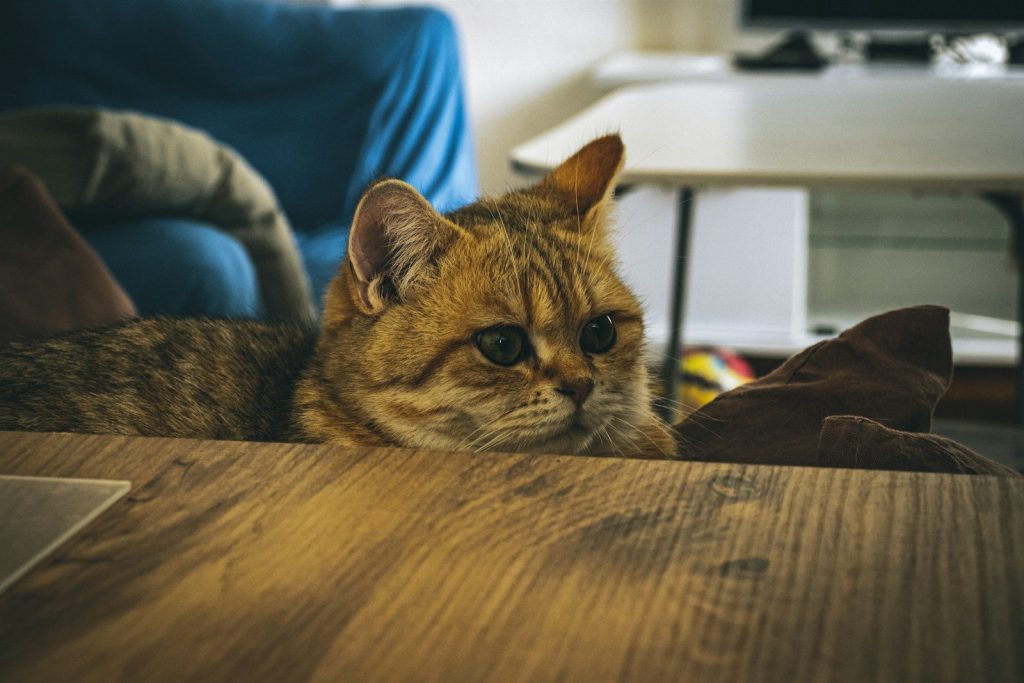
Even the most pampered house cat carries the genetics of a wild predator. Watching a tiny bird flutter across a screen triggers their predatory motor patterns. Their bodies tense, and their eyes lock onto the moving pixel target. This mental stimulation keeps indoor cats active and entertained. However, this virtual hunt can quickly take a frustrating turn.
The mental trap of the catch that never happens
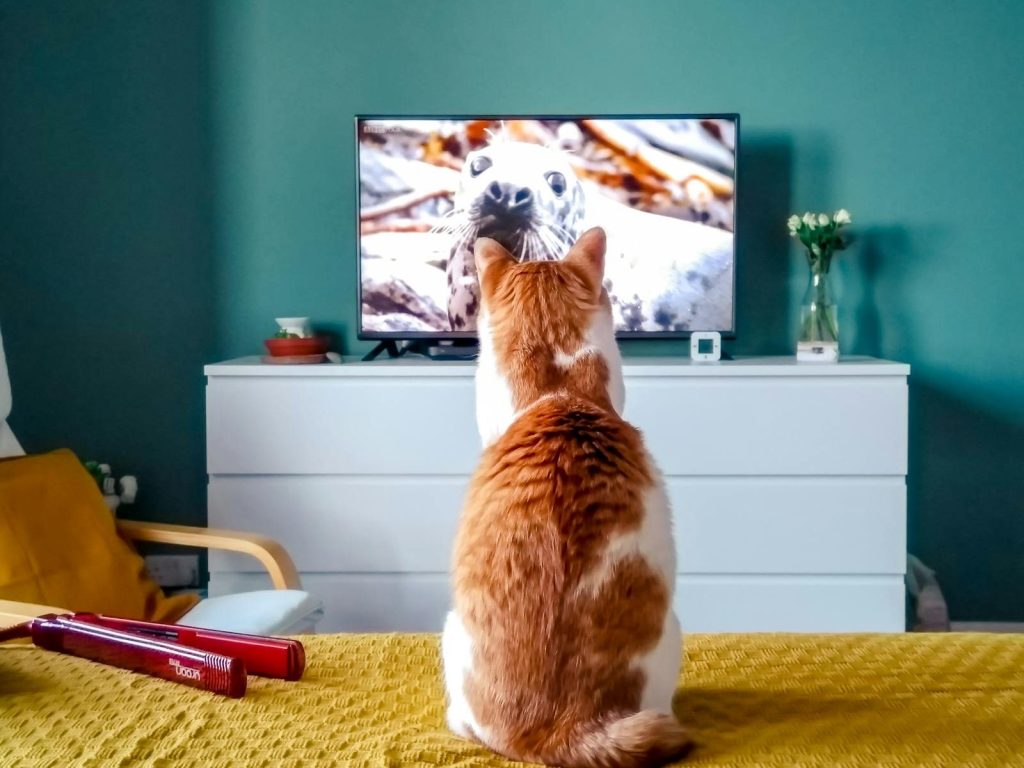
In the wild, a successful hunt ends with a physical catch. On a television screen, there is no physical body to grab. Feline behavior experts warn that this lack of closure can cause stress and anxiety. Your pet might search behind the television in a desperate attempt to locate the prey. But they have another physical reaction that sounds incredibly strange.
Decoding the weird chattering sound they make
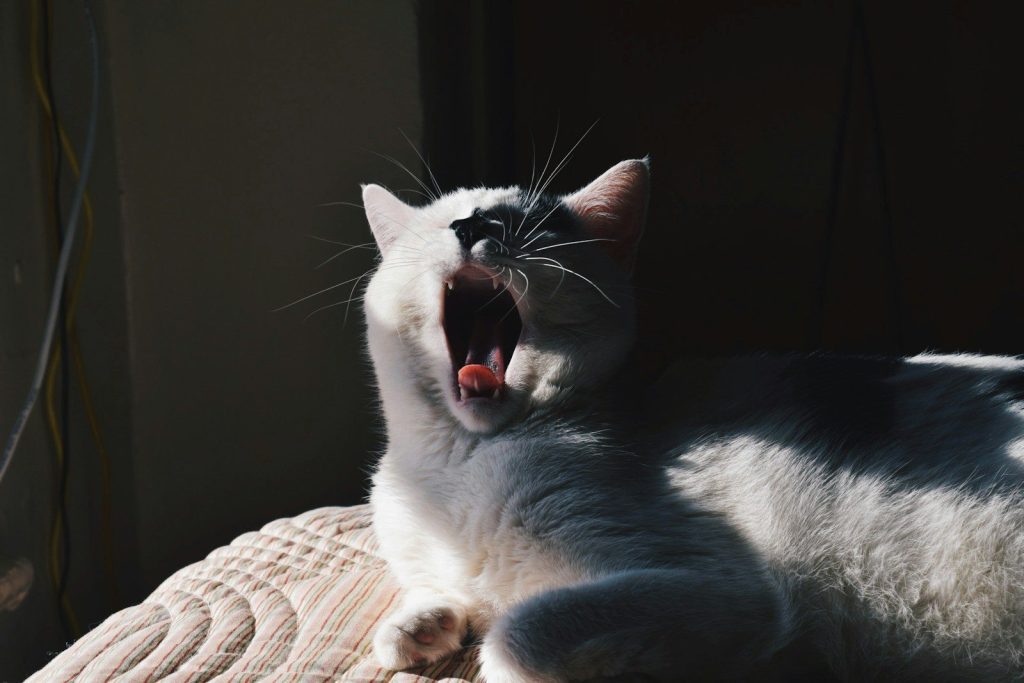
When watching virtual birds, cats often make a rapid clicking noise with their teeth. This behavior is called chattering or chirping. Feline behaviorists suggest it mimics the killing bite they use on prey. It shows a mix of extreme excitement and frustration at the glass barrier. Yet, this screen time is not entirely bad for their mental health.
A smart tool for indoor boredom relief
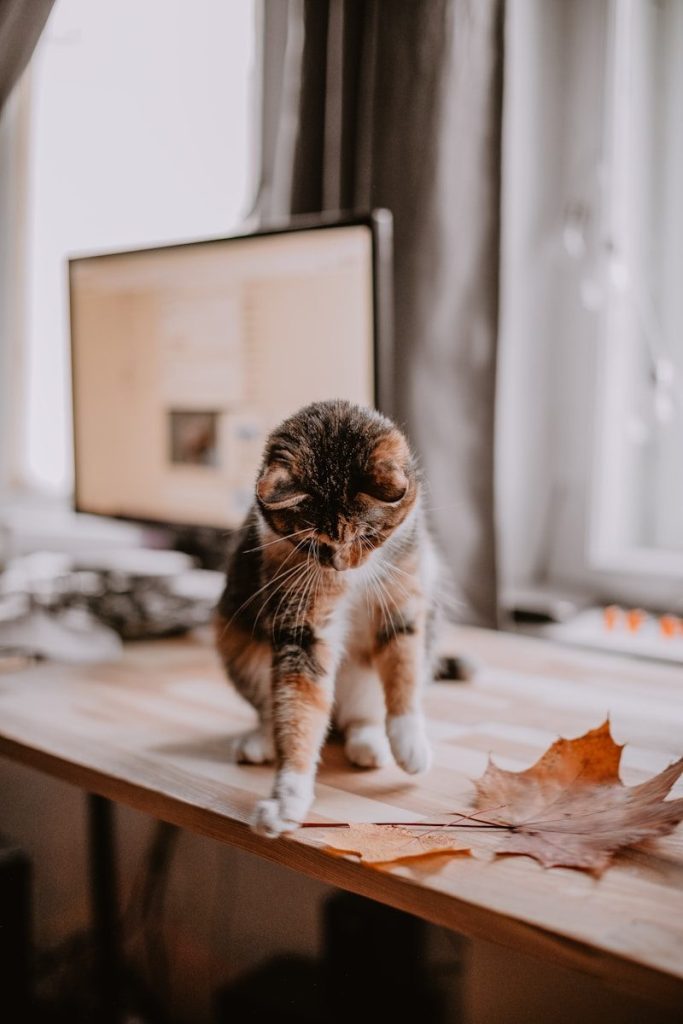
Indoor cats often suffer from a lack of daily mental exercise. This boredom can lead to destructive behaviors like scratching furniture or overeating. According to the ASPCA, controlled visual stimulation can keep an indoor pet happy and engaged. It acts as a safe outlet for their energy when you are busy. But how much screen time is actually safe?
Setting a healthy limit on digital hunting

Leaving the television on all day can overwhelm a sensitive cat. They need plenty of quiet time to sleep and relax without constant visual noise. Experts suggest limiting cat television sessions to twenty minutes at a time. This keeps the experience exciting rather than stressful. But there is one crucial step you must take when the screen turns off.
Ending the virtual game with a real toy
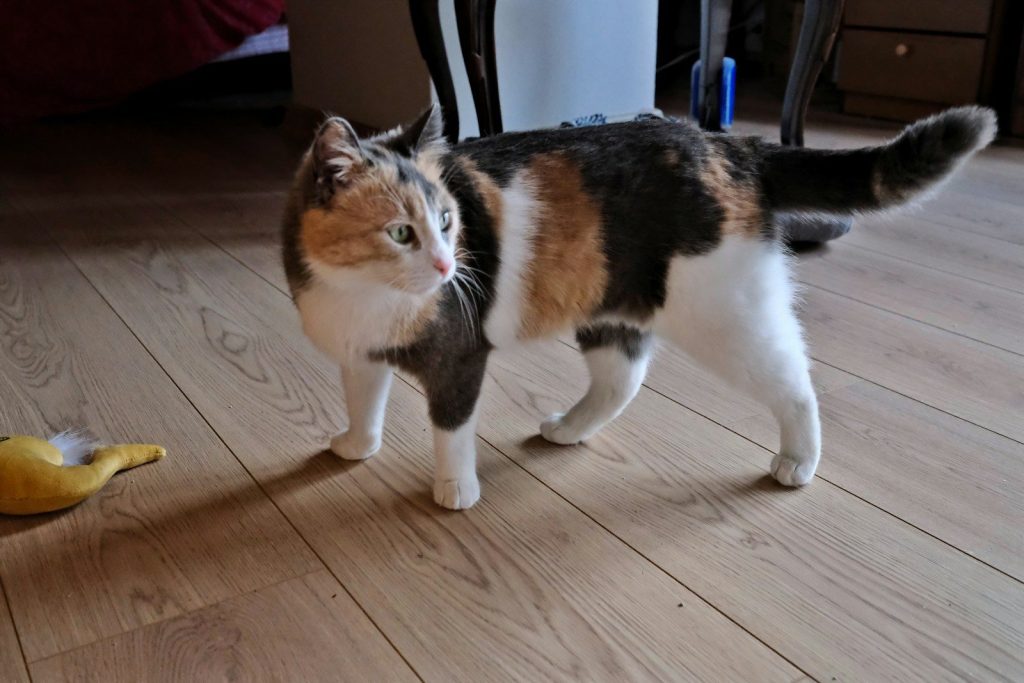
To prevent frustration, always offer a physical toy immediately after they watch the screen. Throw a feather wand or a catnip mouse for them to chase. This allows your pet to physically catch their prey and satisfy their natural hunting drive. Following this up with a small treat makes the game complete. But what is the ultimate benefit of this routine?
A happy hunter is a peaceful roommate
Satisfying your cat’s wild instincts makes them a much calmer household companion. They will spend their evenings cuddling with you rather than racing across the living room. Balancing modern technology with natural play keeps your pet healthy and happy. It is the perfect compromise for a modern indoor hunter.
Featured Image: Photo by Christopher Machicoane-Hurtaud on Unsplash