

You sit down to practice the piano or play an acoustic guitar. Within minutes, your cat wanders into the room and curls up directly next to the instrument. This sweet behavior is a common experience for many musical pet owners.
Felines are highly sensitive to sound, so their reaction to music is deeply rooted in their biology. Certain instruments and frequencies act as natural sedatives, melting away their stress instantly. Understanding this connection can help you create a peaceful sanctuary for your pet.
How feline ears process rapid sound vibrations

Cats possess an incredibly advanced sense of hearing that easily detects ultra-high frequencies. According to the American Veterinary Medical Association, their ears can register sounds up to sixty-four thousand hertz. This complex auditory system allows them to hear tiny rodent rustles in the grass. However, this extreme sensitivity also means loud, chaotic noises can cause physical distress. But gentle acoustic vibrations have a completely different effect.
The soothing resonance of acoustic piano keys

When a piano key is struck, it creates a rich physical vibration that travels through the wood. A cat lying on top of the instrument can feel these gentle waves directly against their body. This tactile sensation acts like a soothing massage, slowing their heart rate and relaxing tense muscles. They are physically feeling the harmony of the music. But how does this relate to their kittenhood?
How music mimics the comforting purr of a mother

Feline behaviorists have discovered that certain instruments produce frequencies that mimic a mother cat’s purr. This low, steady vibration is the very first sound a newborn kitten experiences. It is deeply associated with safety, warmth, and nourishment. Hearing similar rhythmic sounds in music triggers these primal feelings of peace and security in adult cats. But not all musical genres are created equal.
Why classical compositions are perfect for felines
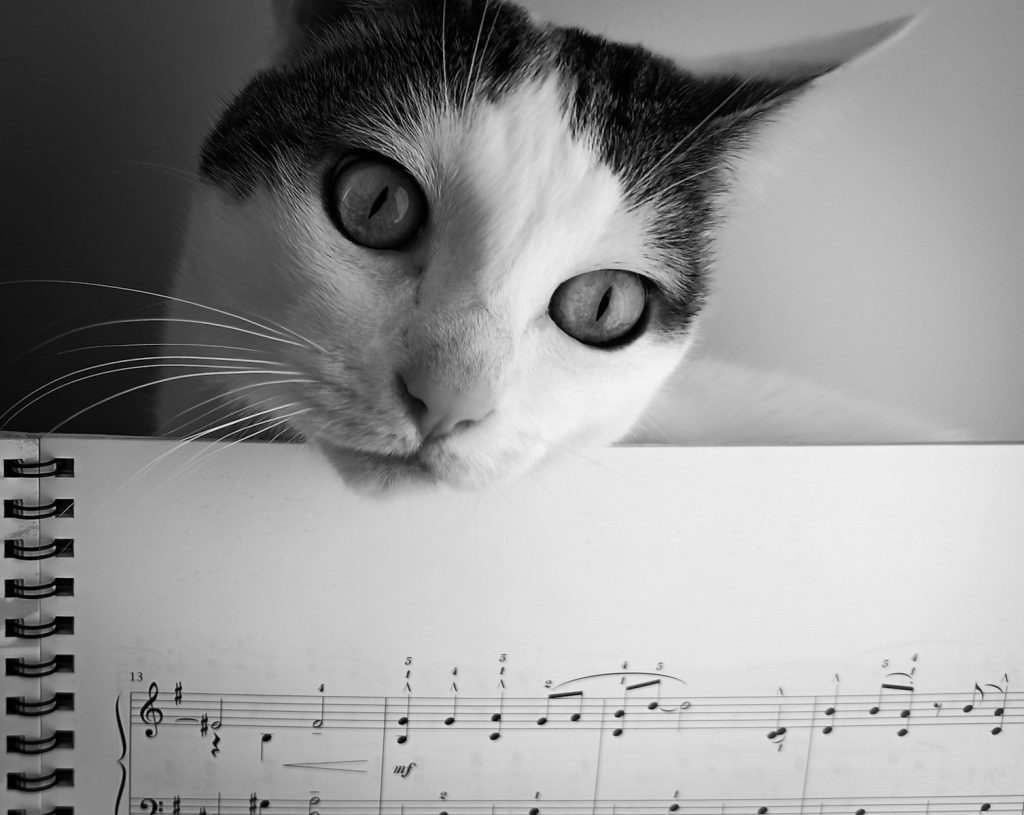
Studies show that classical music has a highly positive impact on animal behavior. Slow, melodic tracks with a steady tempo can significantly reduce stress levels in shelter environments. Instruments like the harp, cello, and flute are particularly effective at calming anxious felines. This soothing music helps lower blood pressure and encourages healthy sleep patterns. But what about modern digital music?
The scientific creation of species-specific music

Researchers have started composing music designed specifically for feline ears. This unique music uses pitches and tempos that match natural cat communication, including purring and suckling sounds. According to a study published in Applied Animal Behavior Science, cats showed a significant preference for this custom music over human classical songs. It is a breakthrough in environmental enrichment. But can this music help with behavioral issues?
Using soft music to ease separation anxiety

Leaving your pet home alone can trigger stress and destructive behaviors. This article is for informational purposes only and does not constitute veterinary advice. Playing soft acoustic tracks or species-specific music can mask frightening outdoor noises like traffic or storms. It creates a comforting blanket of sound that helps your feline feel secure while you are away. But how should you set up this musical space?
To safely play music for your cat, keep the volume low.
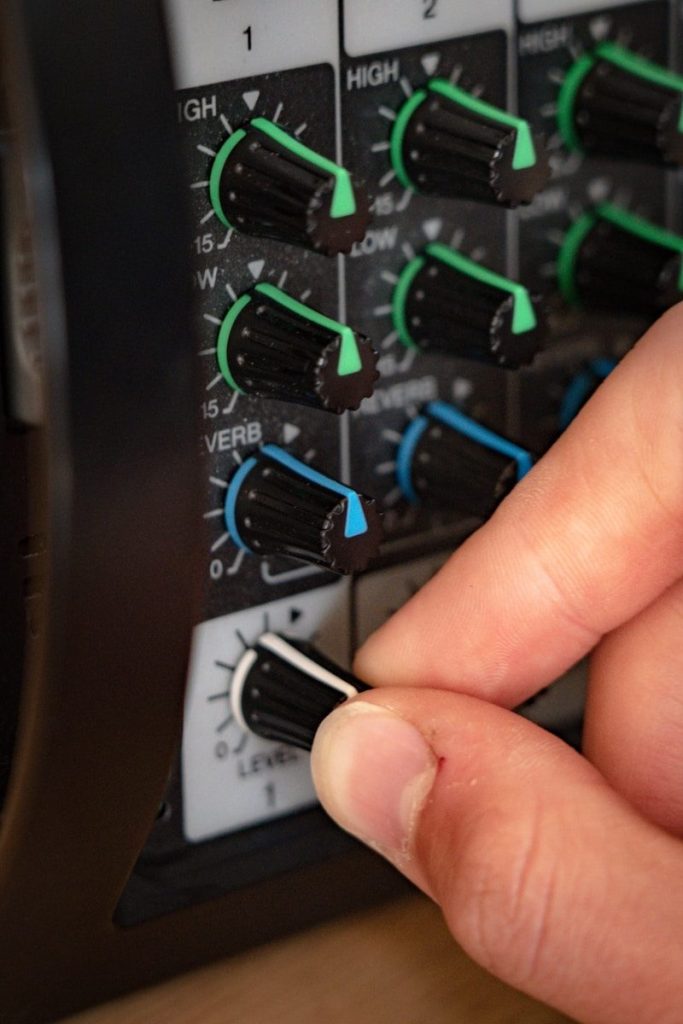
To safely play music for your cat, keep the volume low and the speakers away from their bed. Always allow them to leave the room if they feel overwhelmed by the sound. Observe their body language closely for signs of relaxation, like slow breathing and closed eyes. Creating a calm environment takes patience and a gentle touch. But what is the ultimate goal of this musical bonding?
A beautiful harmony shared between the owner and the cat

Sharing a musical space with your cat builds a deep, quiet bond of mutual trust. Whether you are practicing an instrument or simply playing a relaxing playlist, these shared acoustic moments bring immense peace to your home. It is a beautiful way to communicate love without saying a single word, proving that music is a truly universal language for all species.
Featured Image: Photo by Tolga deniz Aran on Unsplash