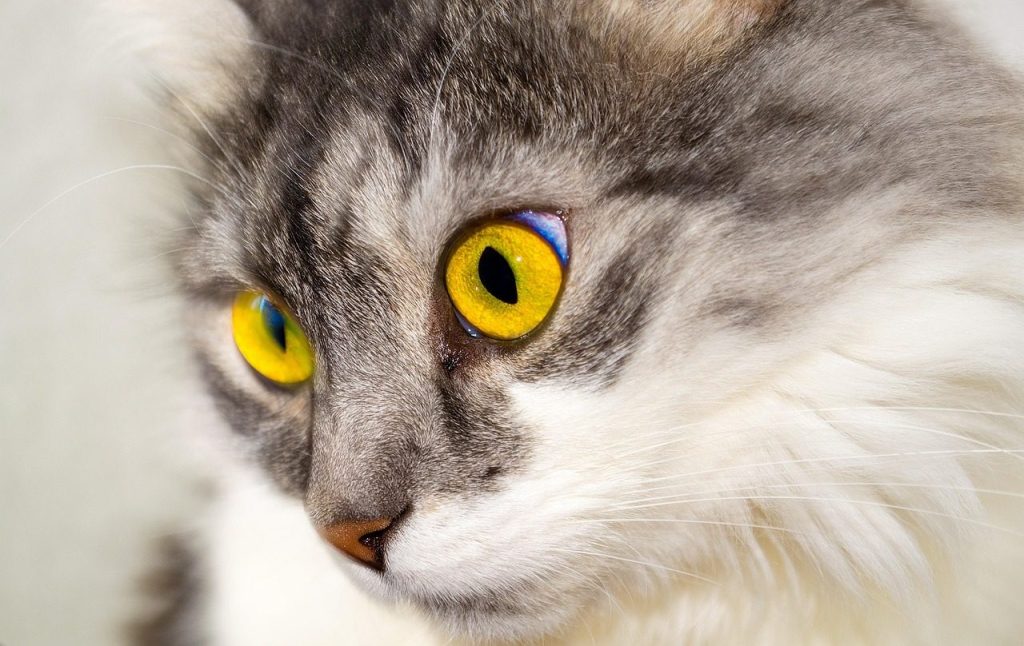

Imagine walking down a supermarket aisle and seeing a fluffy tabby napping on a box of cereal. This bizarre sight is actually becoming a viral trend worldwide. Employees often try to remove them, but these stubborn felines keep coming back.
Store managers find themselves in a constant battle against these fluffy intruders. However, these clever animals are not just wandering in by accident. Feline behavior experts have discovered a fascinating reason behind this sudden real-estate choice.
A world of endless warmth and comfort
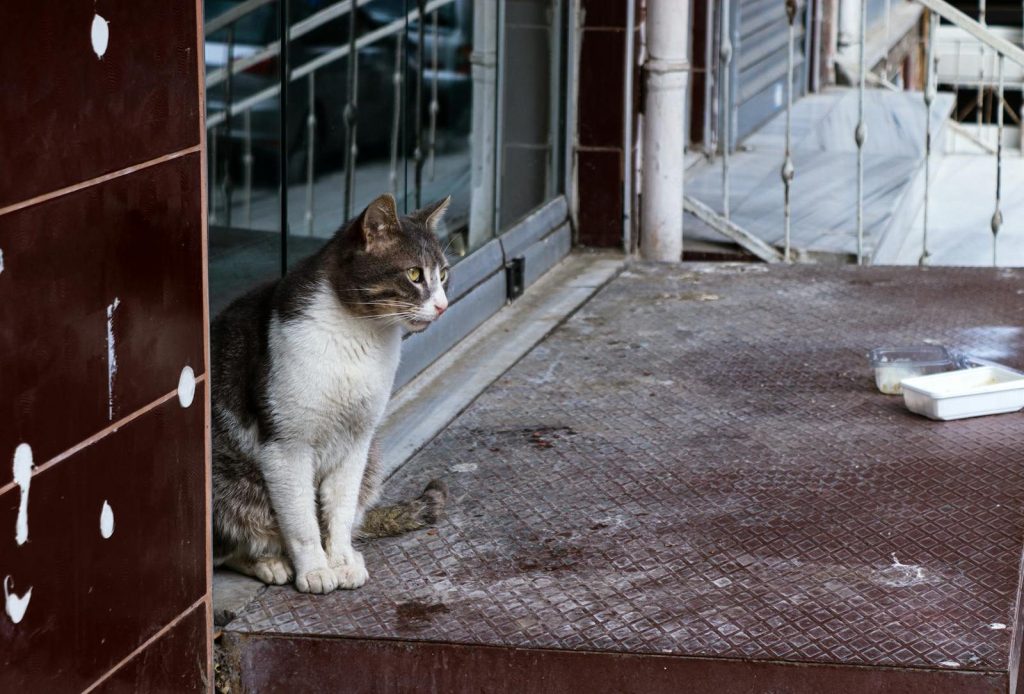
Grocery stores offer a perfect environment for a cold kitty. Automatic sliding doors stay open, and massive heating systems blow warm air directly onto the entrance rugs. Stray cats quickly learn that crossing this threshold means instant relief from freezing wind. According to the ASPCA, stray animals prioritize stable heat sources above almost everything else. But warmth is only the first major attraction.
The irresistible scent of a massive pantry
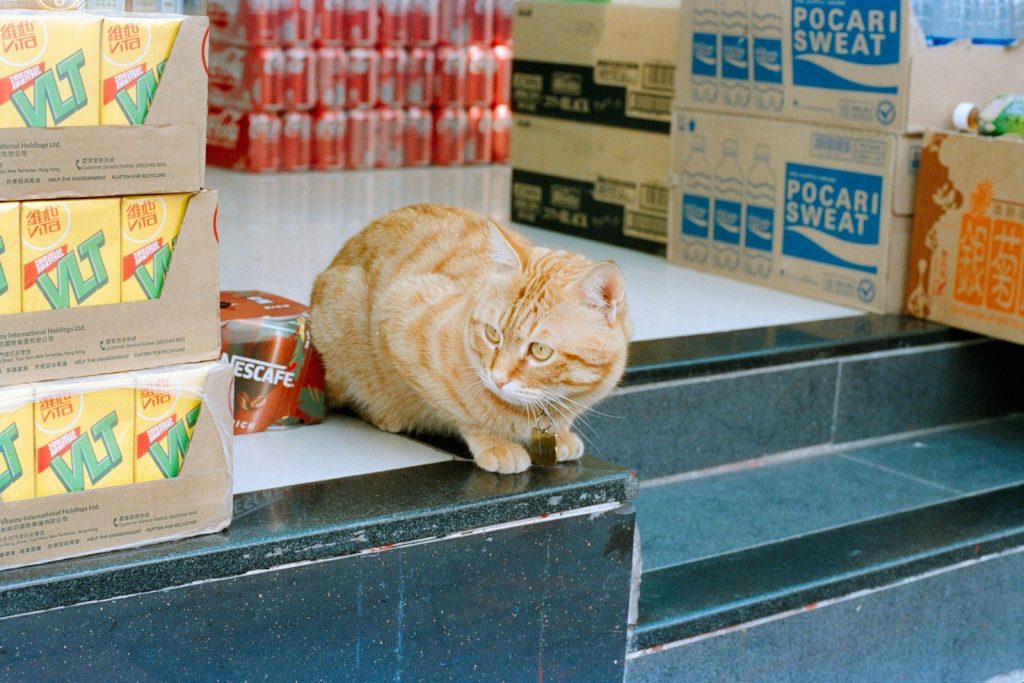
Cats have a sense of smell that is fourteen times stronger than ours. When a bakery or deli counter starts cooking, the aroma drifts far out into the parking lot. A hungry stray can detect these rich food scents from blocks away. It is an open invitation that no hungry animal can easily resist. However, finding food is only half the fun for these clever hunters.
Free pest control duties on the night shift
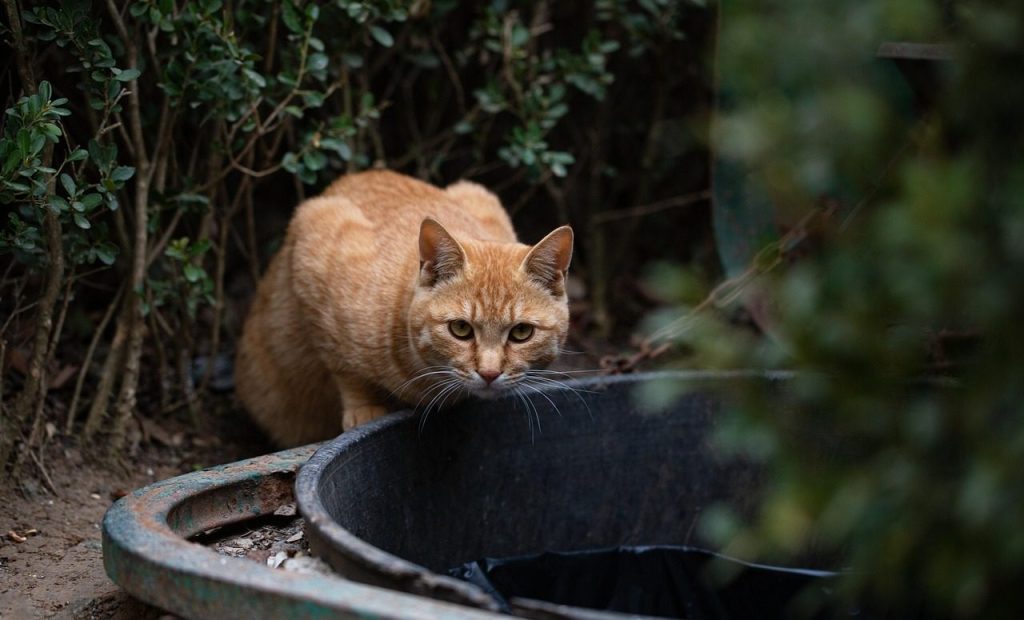
Large warehouses and supermarkets naturally attract tiny pests like mice. For a cat, this turns a quiet grocery store into a massive private hunting ground. Felines are natural nocturnal predators, so they feel incredibly driven to patrol these wide, empty spaces at night. They solve the store pest problem completely free of charge. But how do the daytime human visitors fit into their plans?
Receiving endless affection from passing shoppers
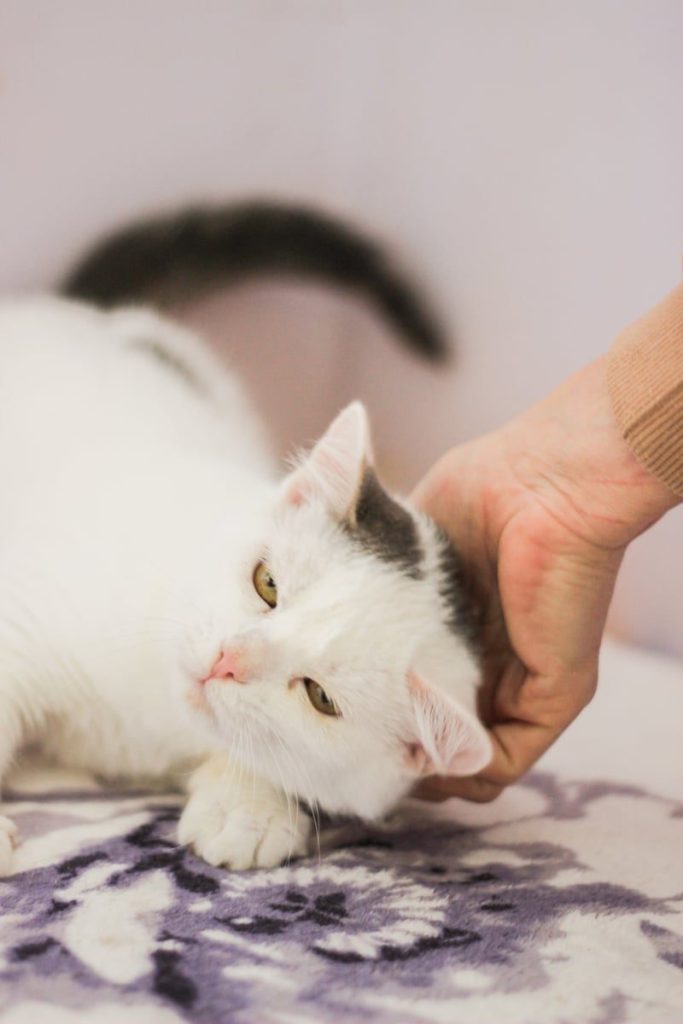
Most shoppers cannot resist petting a cute animal lounging on a shelf. This constant stream of positive human interaction acts as a powerful reward for social felines. They receive a lifetime supply of ear scratches and gentle praise without ever leaving their favorite aisle. Many cats actually begin to view these friendly strangers as their own personal servants. Yet, this behavior reveals something deeper about feline biology.
How cats establish their massive retail kingdoms
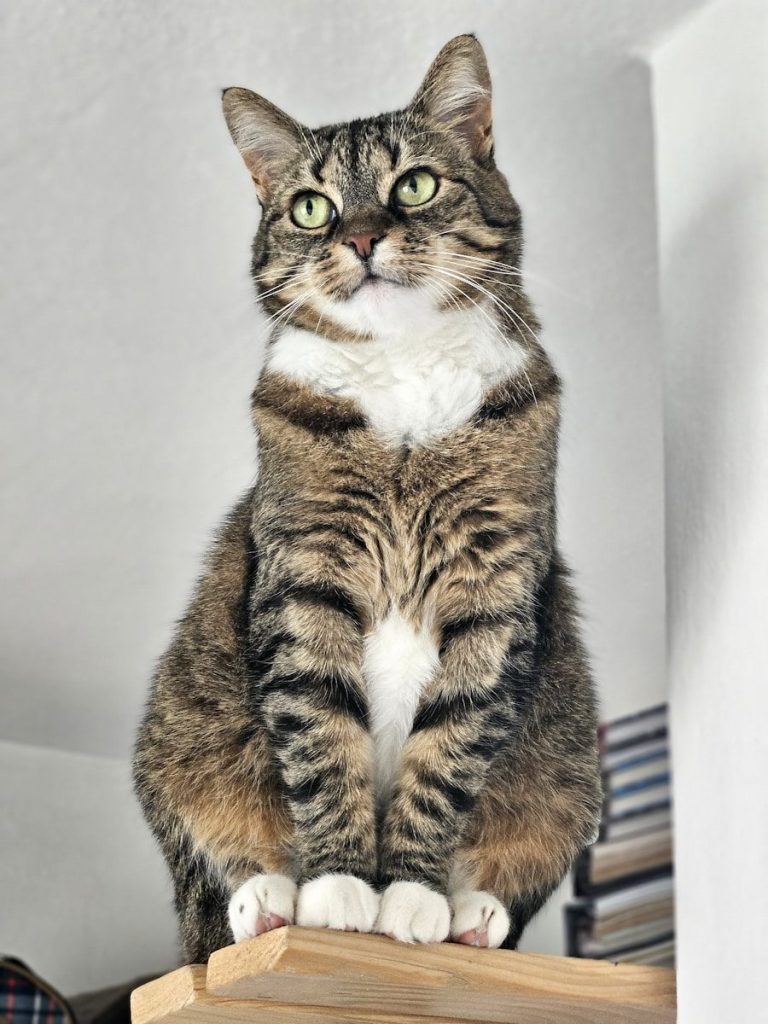
According to the Cornell Feline Health Center, cats are highly territorial creatures. Once a feline associates a space with safety, food, and warmth, they claim it as their home territory. They will defend this boundary and return to it repeatedly. This explains why simply carrying a cat outside never works. But what happens when the local health department gets involved in the situation?
The complex battle with local health codes

Having felines around fresh food presents major challenges for business owners. Health regulations generally prohibit free-roaming pets inside retail food spaces. This article is for informational purposes only and does not constitute official legal or safety advice. Store managers face heavy fines if they allow their furry guests to stay permanently. This conflict forces staff to seek creative solutions for their stubborn visitor.
Finding a safe compromise for the store’s pet
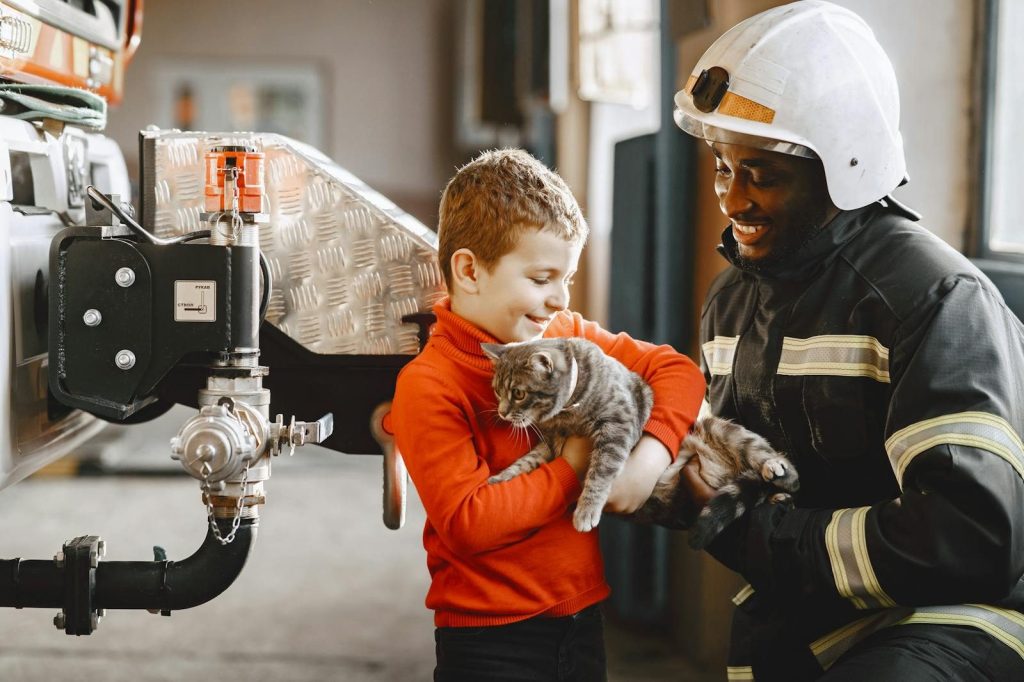
Many communities refuse to let police or animal control remove a beloved neighborhood mascot. Instead, smart store owners work with local rescue groups to find safe alternatives. Sometimes, a cat is officially adopted by an employee who lives nearby. This allows the animal to visit under supervision while sleeping safely in a real home at night. But is there an even better ending for these supermarket rulers?
A permanent home with plenty of shelves
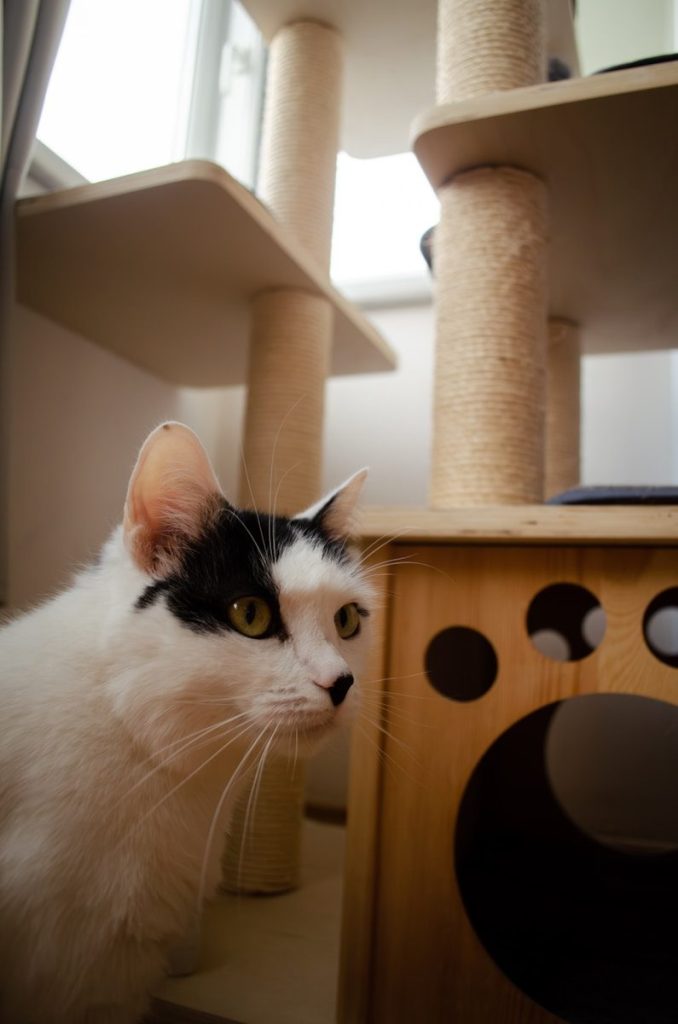
The ultimate goal is always to transition these public felines into happy indoor companions. When a cat finally gets adopted, they swap the busy store aisles for a cozy living room. They still get to climb tall shelves and watch humans walk by, but they do it in complete safety. It is a beautiful conclusion that keeps both local health inspectors and kitty lovers incredibly happy.
Featured Image: Photo by Lichtmagnet on Pixabay