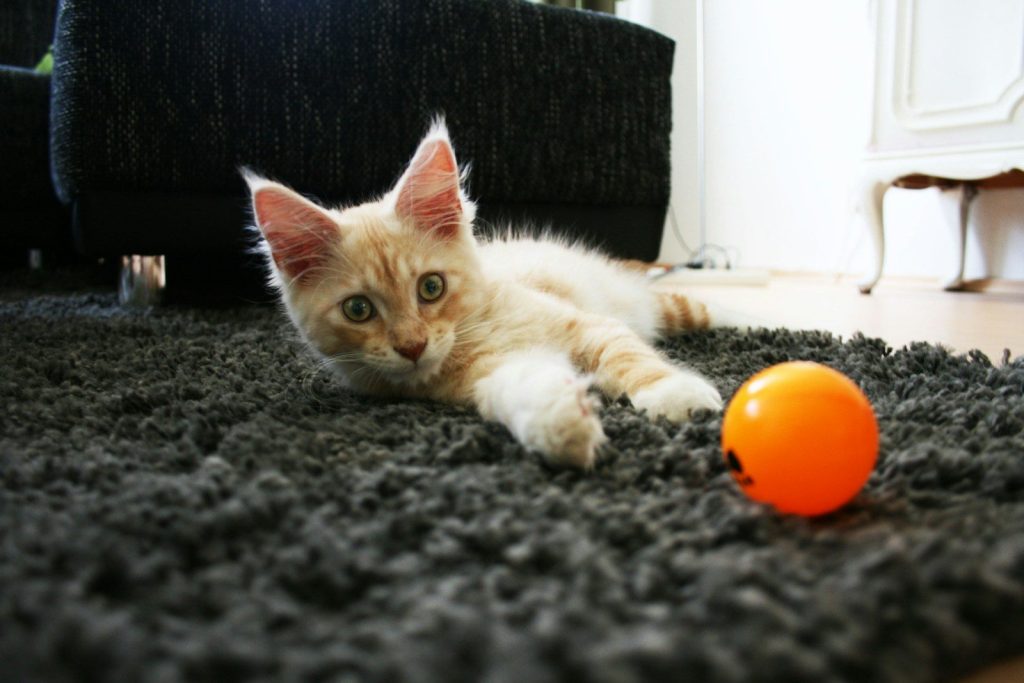

You might find your pet dragging a massive plush toy across the living room rug. They waddle slowly, growling softly while gripping the toy tightly in their jaws.
This funny behavior looks like a silly game of make-believe. However, this habit is actually driven by deep, wild instincts that survive in modern house pets.
The ancient urge to capture large prey
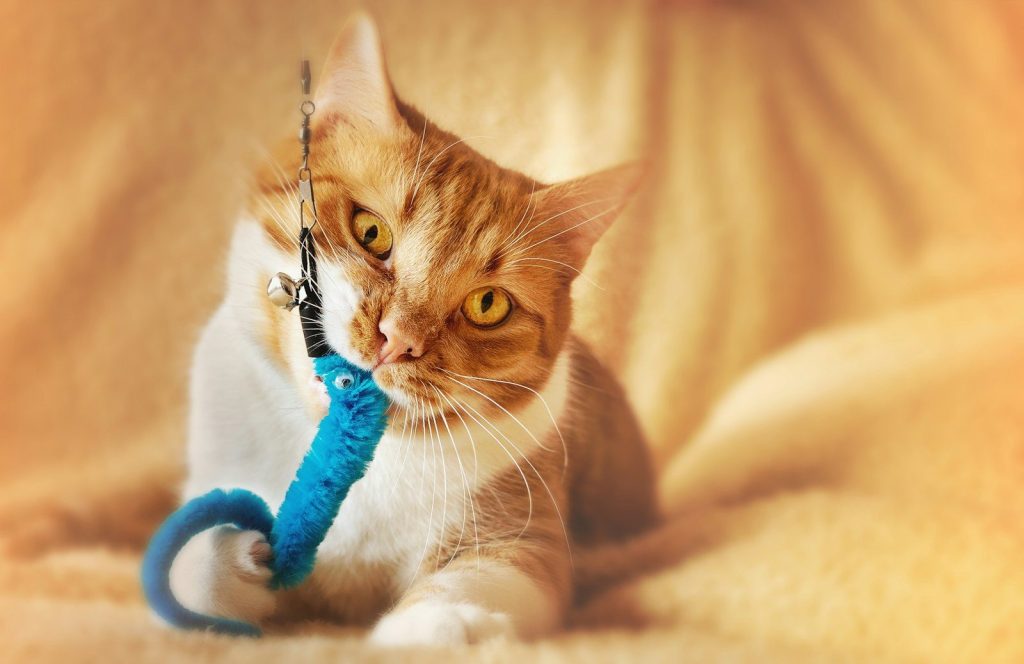
Even well-fed house cats retain their natural hunting drive. In the wild, felines must carry their catch back to a safe spot away from competing predators. Dragging a giant stuffed animal mimics the physical effort of moving a substantial meal. According to animal behavior experts, this action satisfies their desire to celebrate a successful hunt. But why do they vocalize during the carry?
The strange victory song of a hunting feline
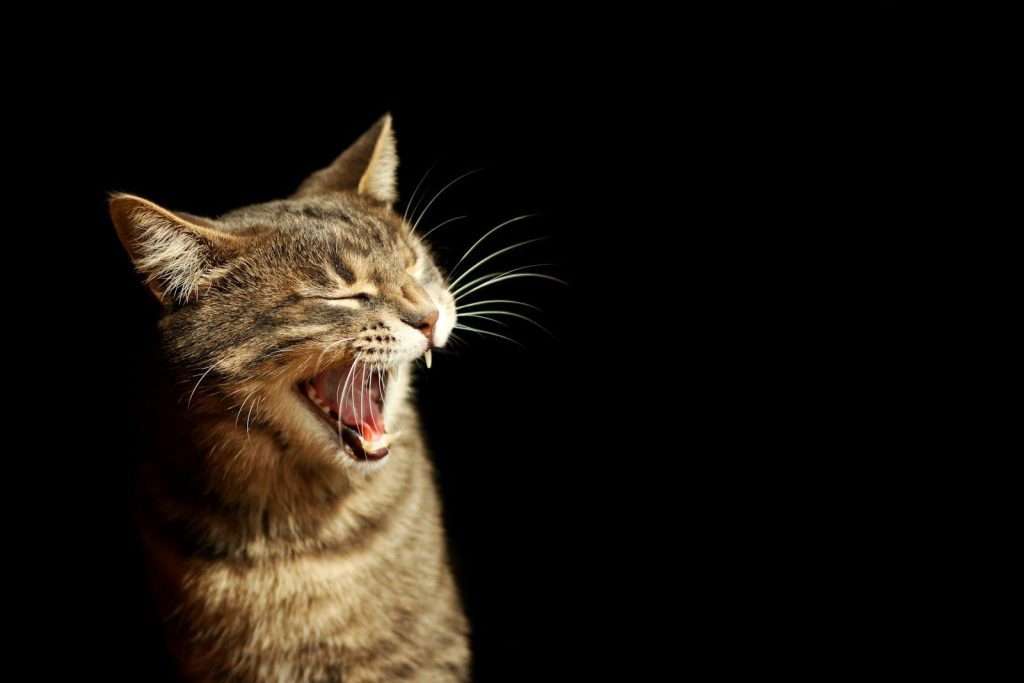
Many owners notice their pet lets out a muffled, low meow while holding the toy. This unique sound is often called the prey cry. Felines use this specific call to announce their hunting triumph to the rest of the family. They are essentially presenting their prize to you as a sign of affection. But is there a different maternal reason behind this carry?
Caring for a surrogate stuffed baby
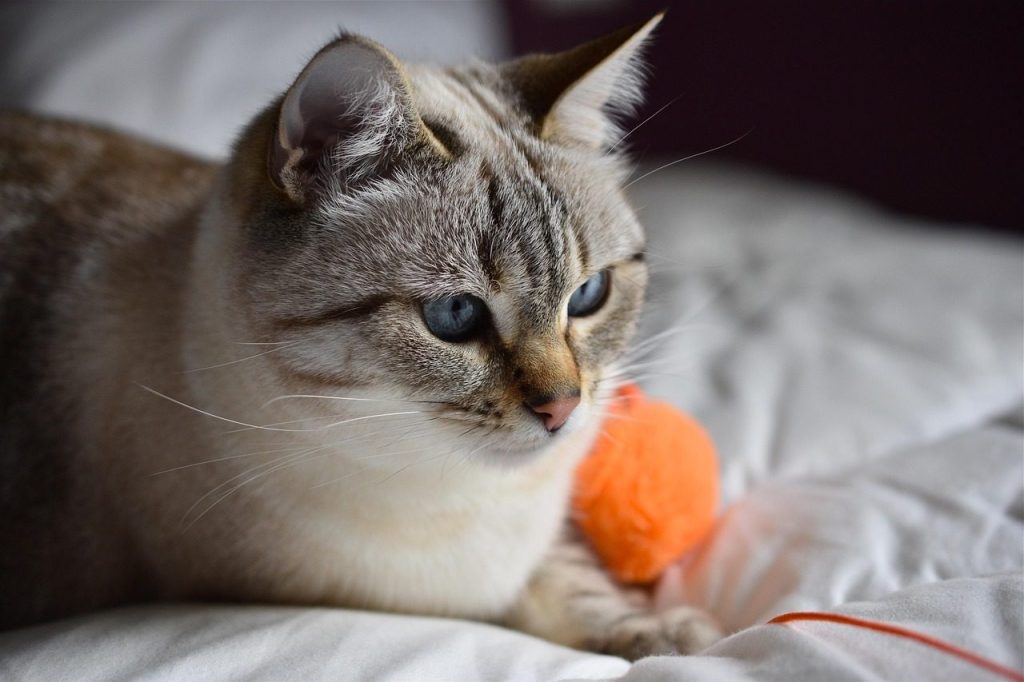
Sometimes, a giant plush toy acts as a substitute kitten. Female cats, especially those spayed later in life, may display strong maternal instincts toward soft objects. They will carry the plushie to a quiet nest, groom its synthetic fur, and protect it from human interference. This behavior shows how deeply hardwired maternal care is in their brains. But does stress trigger this hoarding habit?
Using plush companions to ease anxiety
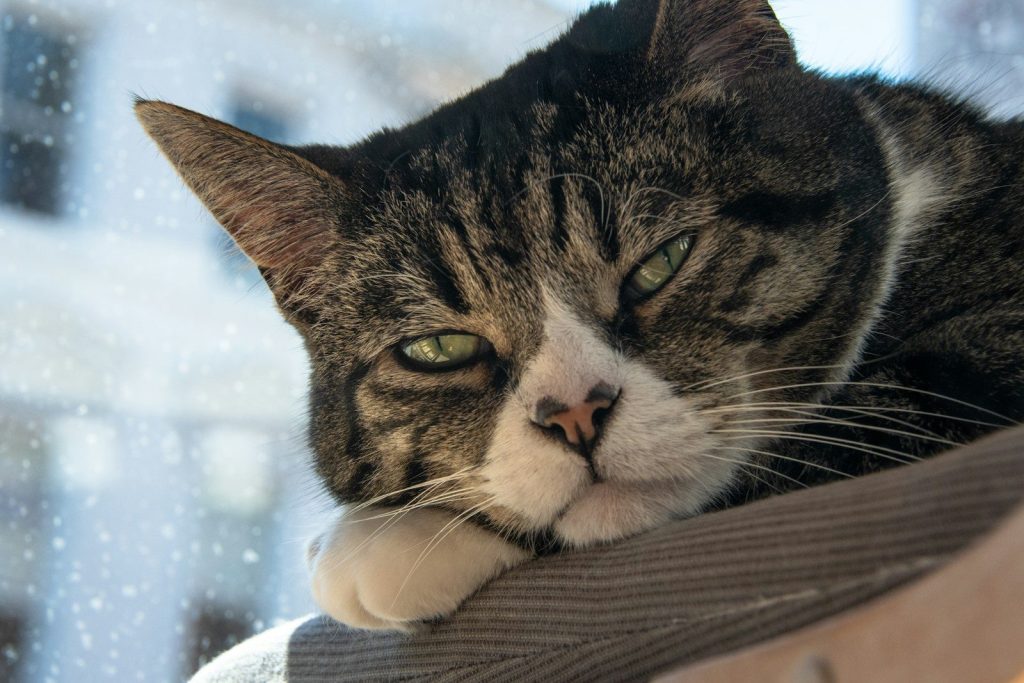
Anxious pets often cling to specific toys for comfort. Holding a large, soft object in their mouth can stimulate the release of calming endorphins in their brain. According to the ASPCA, felines use these comforting items to soothe themselves during loud storms or sudden household changes. This article is for informational purposes only and does not constitute veterinary advice. But does this play behavior keep them healthy?
Crucial mental exercise for indoor hunters
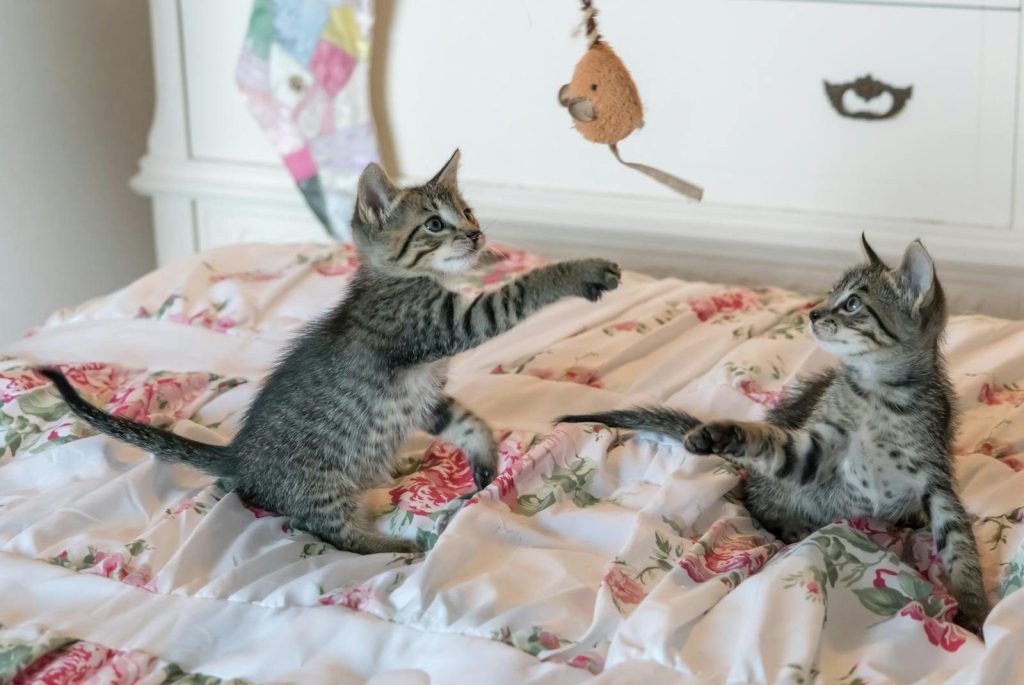
Pouncing on a big toy provides an excellent physical outlet for indoor felines. It helps them burn off pent-up energy that might otherwise turn into destructive scratching on your furniture. According to the American Association of Feline Practitioners, active play prevents depression and obesity in domestic pets. It challenges their muscles and keeps their minds sharp. But how should you react to their big catches?
Responding to their proud hunting deliveries
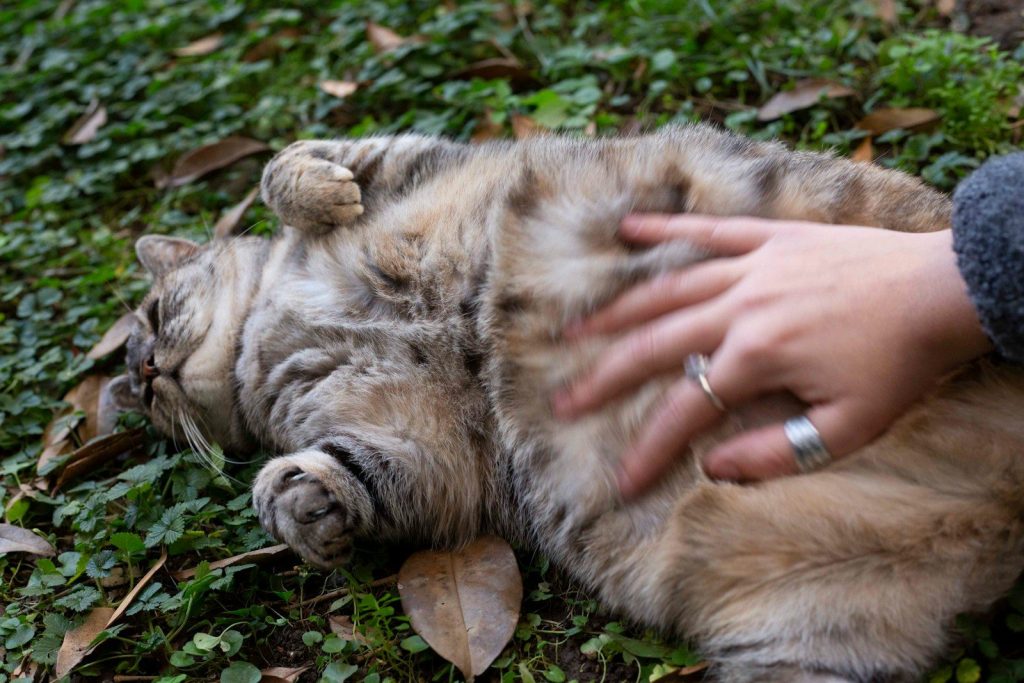
When your pet drops a giant stuffed tiger at your feet, acknowledge their hard work. Offer gentle praise or a healthy treat to show you appreciate their gift. Avoid snatching the toy away immediately, as this can confuse and frustrate your little hunter. Let them enjoy their moment of triumph before returning the plushie to its spot. But how can you make this game even better?
Creating a stimulating play environment together
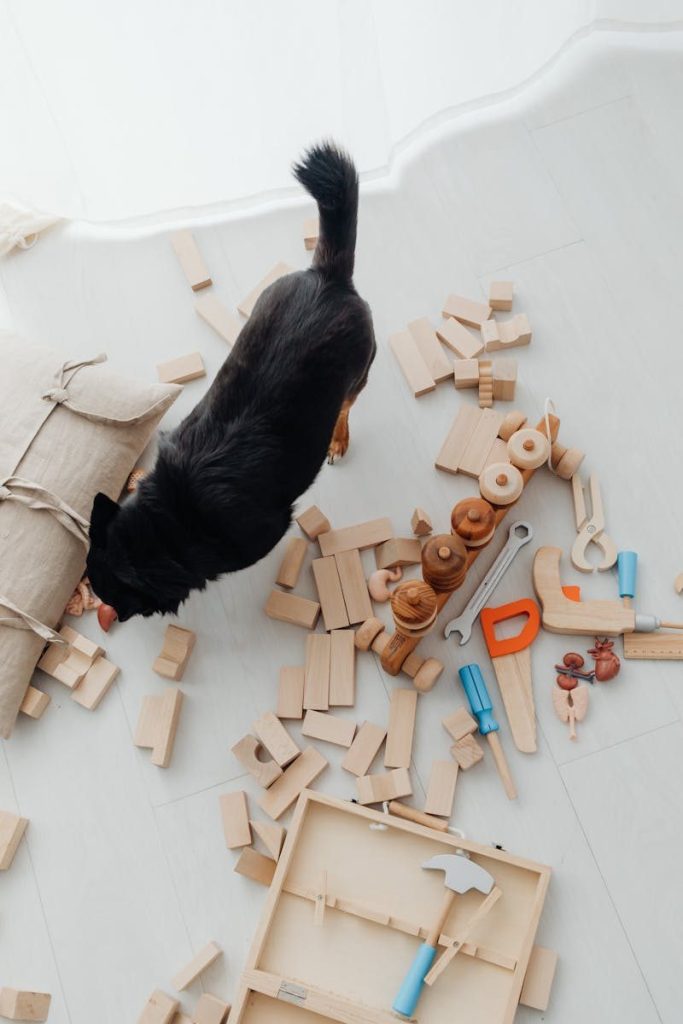
Rotating their toys keeps the hunting game exciting and fresh. Hide different stuffed animals around the house to encourage their natural tracking skills. This interactive environment keeps your furry companion happy, healthy, and highly entertained. Embracing their wild instincts strengthens your bond and fills your home with endless joy.
Featured Image: Photo by Salah Ait Mokhtar on Unsplash