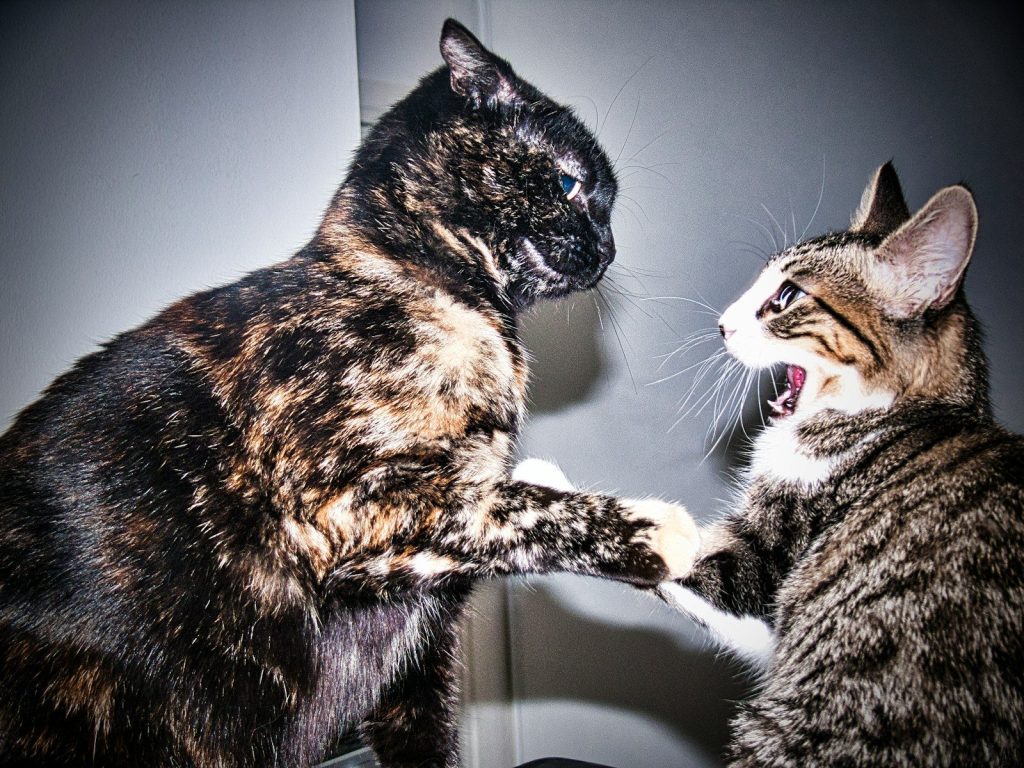

You bring your freshly groomed cat home expecting a happy reunion. Instead, your other feline companion hisses and attacks them like a complete stranger.
This sudden hostility can shatter a peaceful multi-cat household in seconds. The reason behind this reaction has nothing to do with how the haircut looks.
Scent is the secret language of felines
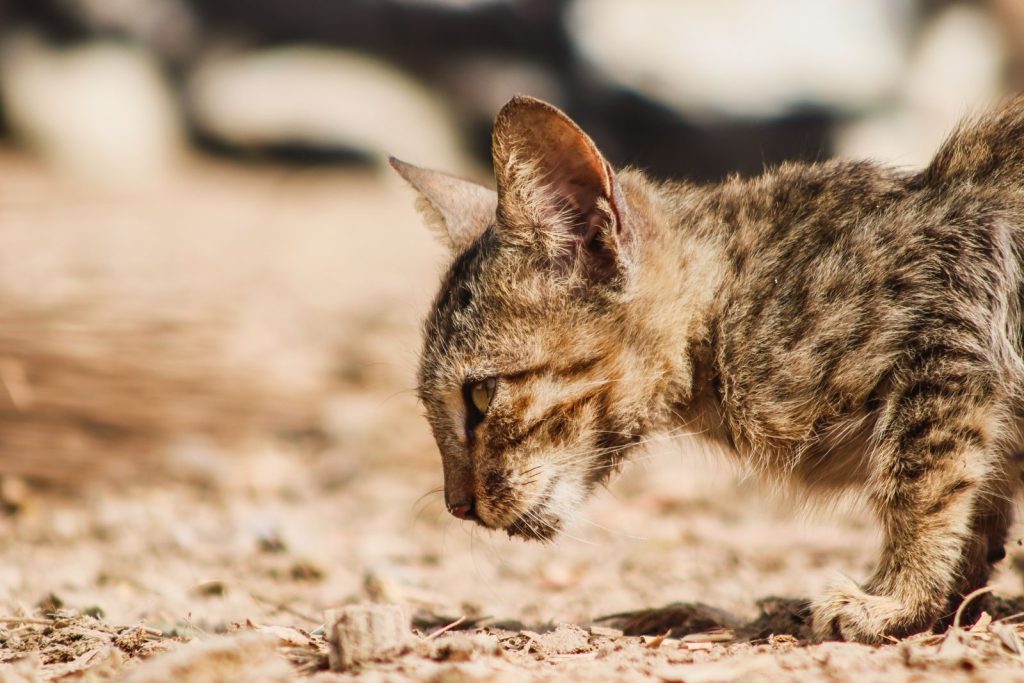
Cats recognize their family members primarily through a shared group scent. When a pet goes to the groomer, they lose their familiar home smell and absorb strange clinic odors. According to the American Veterinary Medical Association, a changed smell can trick your other cat into seeing an intruder. But how does this sudden sensory confusion trigger survival instincts?
The panic of nonrecognition aggression in cats
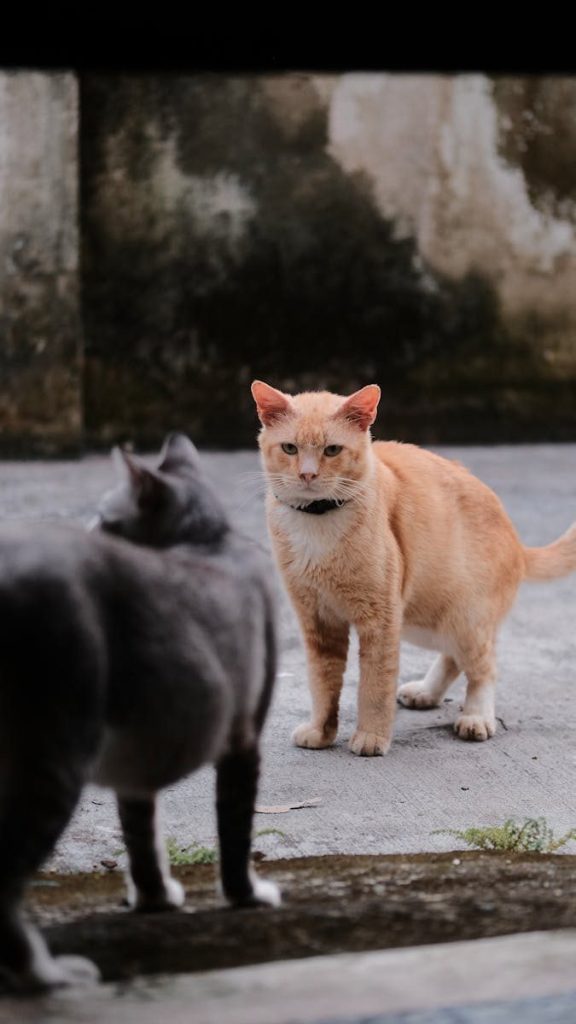
This dramatic behavioral shift is known as nonrecognition aggression. Your cat relies heavily on their sense of smell to identify safe territory mates. When they sniff a freshly groomed friend, their brain registers a foreign threat instead of a beloved sibling. This biological mix-up can lead to a dangerous standoff. But what physical signs of stress should you watch for?
Spotting the early warning signs of trouble
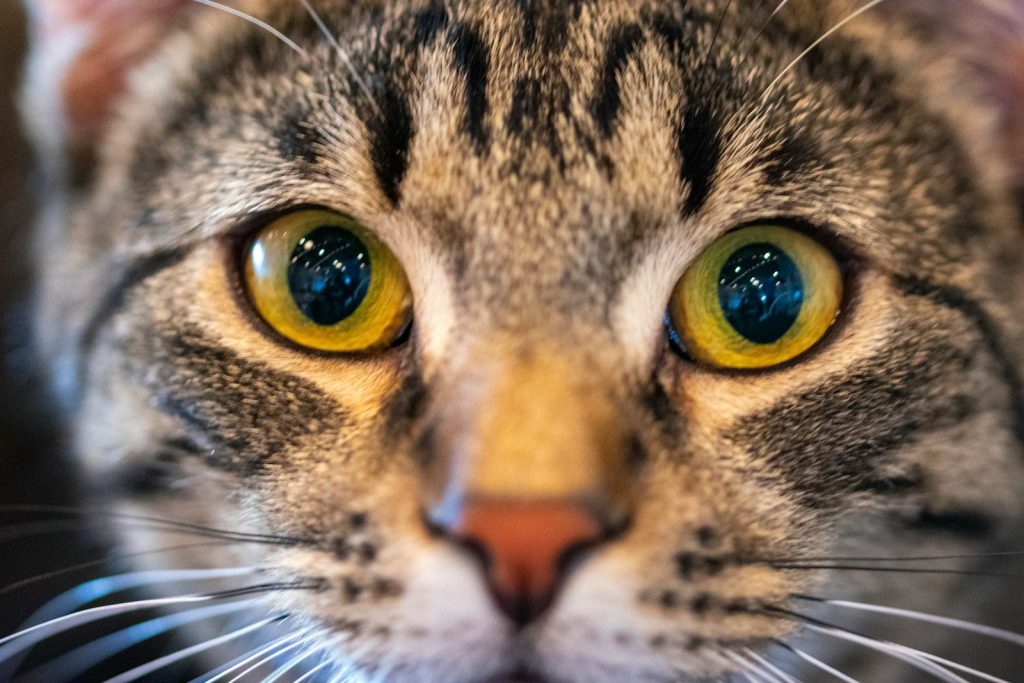
A threatened feline will show clear body language before they strike. Look for flat ears, a twitching tail, and dilated pupils as they stare at the returned pet. Low growls or sharp hisses mean the visual puzzle is causing major internal panic. This article is for informational purposes only and does not constitute veterinary advice. But does a shaved coat cause other physical issues?
How losing fur alters their body temperature
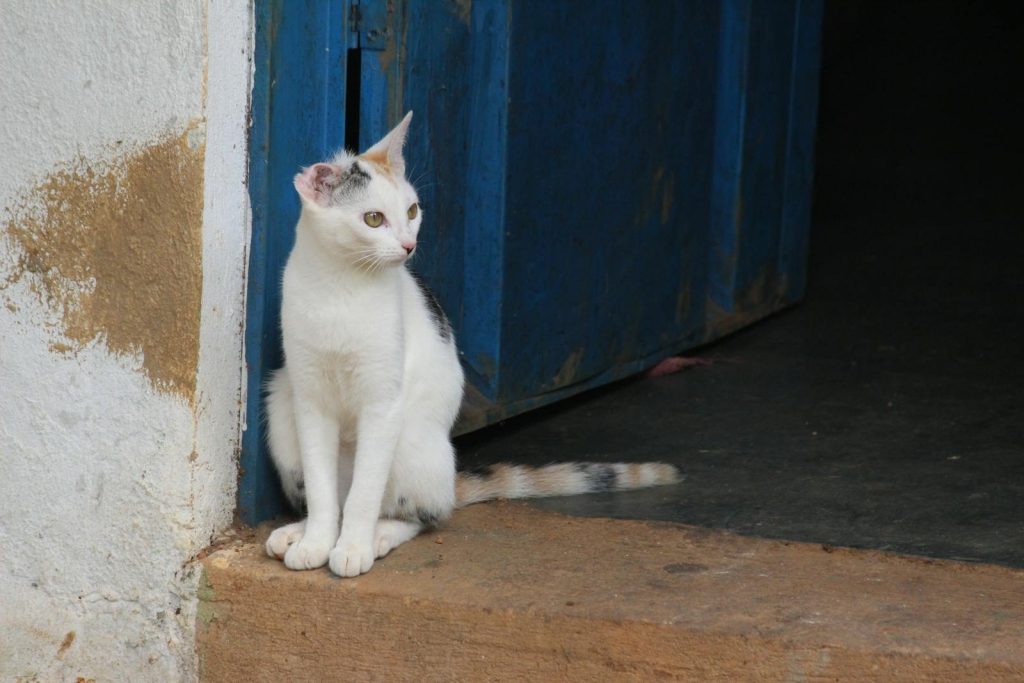
Losing fur does more than just scramble their unique scent. Fur helps domestic felines regulate their internal temperature during hot and cold seasons. Shaving a cat can leave their sensitive skin vulnerable to sunburn and cold drafts. According to the Cornell Feline Health Center, this physical discomfort can make a pet highly irritable. But how can you prevent the initial homecoming shock?
Creating a safe buffer zone at home
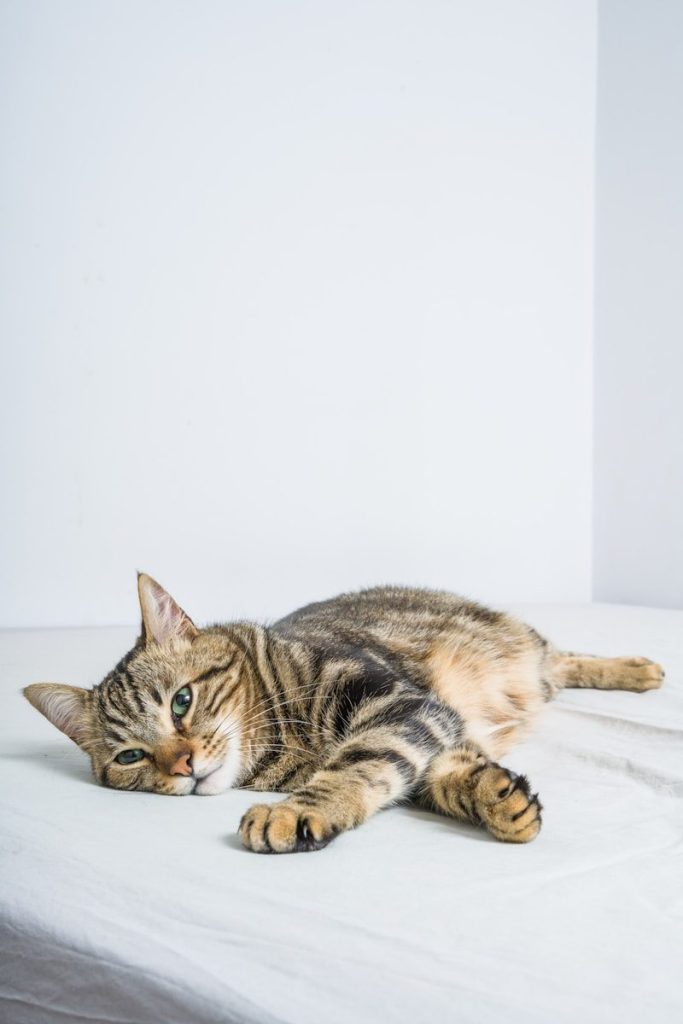
Never rush a freshly groomed pet directly into the living room. Instead, keep them in a separate room with their own food and litter box for a few hours. This separation gives the returned cat time to groom themselves and regain their natural signature smell. It also keeps your other pet from launching an immediate defensive attack. But how can you speed up this scent recovery?
Simple scent swapping tricks that work wonders
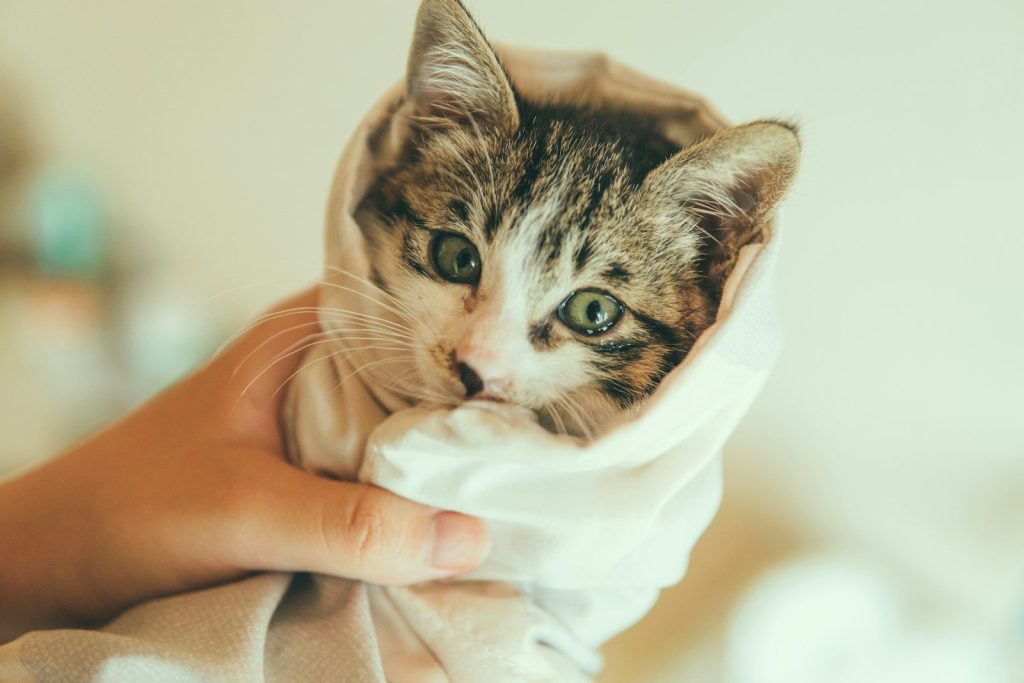
You can actively help rebuild the shared household scent. Rub a clean towel over your undisturbed cat, then gently brush it onto the groomed pet. This transfers the familiar family oils back onto the shaved body. It tricks the nervous cat into realizing their old friend is finally back. But is there a way to make the reunion pleasant?
Rewarding calm behavior with positive associations
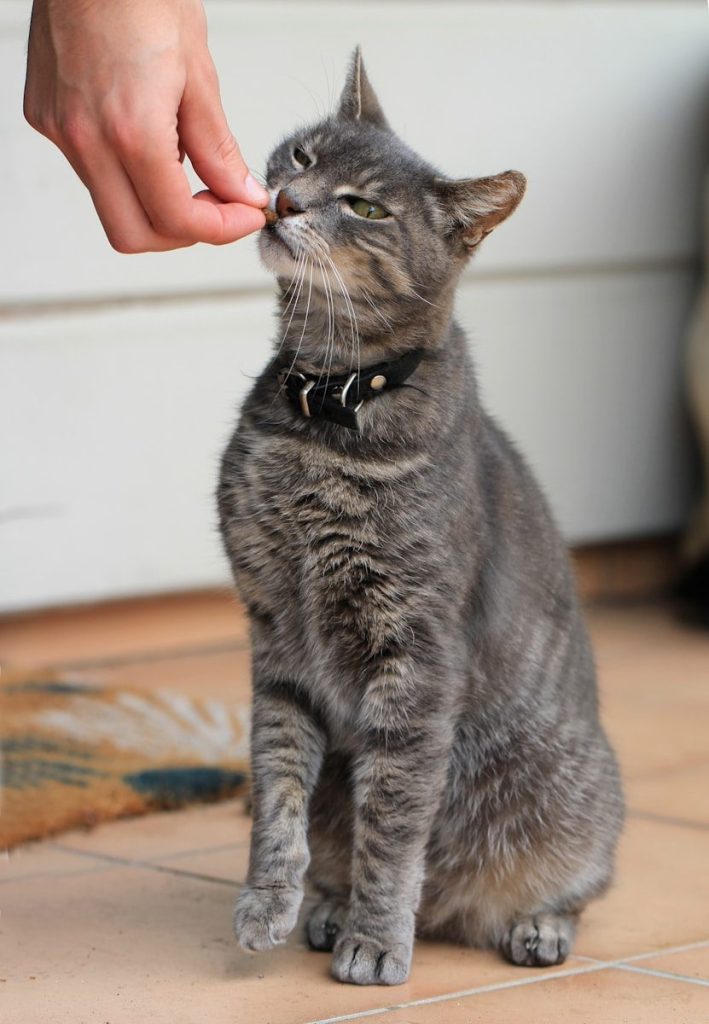
Use high-value treats to build a positive connection between both animals. Feed them on opposite sides of a closed door so they associate the scent of each other with delicious food. Once the growling stops, you can open the door just a crack to let them look. This gradual process prevents long-term trauma and rebuilds their social bond. But how do you know when they are safe?
Restoring peace to your multi-cat home
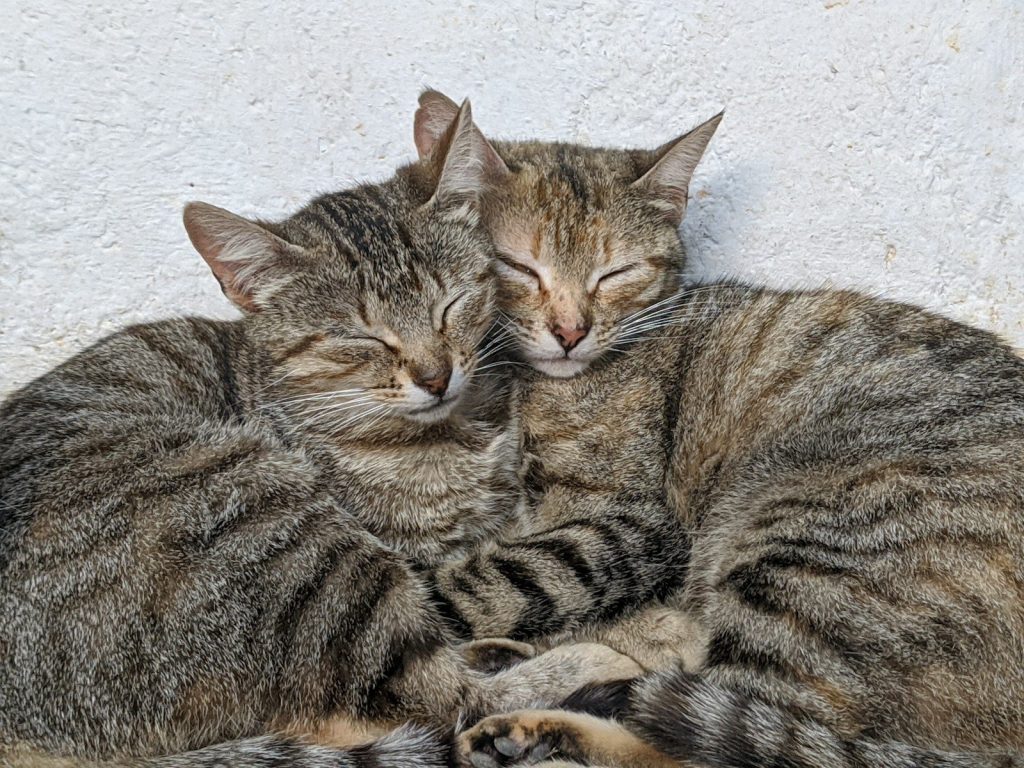
Your patience will pay off when the cats finally sniff each other without hissing. Once they begin grooming one another again, the crisis is officially over. Keeping their scent profiles stable ensures your home remains a tranquil sanctuary. By managing grooming visits carefully, you protect the delicate social balance of your furry family.
Featured Image: Photo by Pierre Bernard on Unsplash