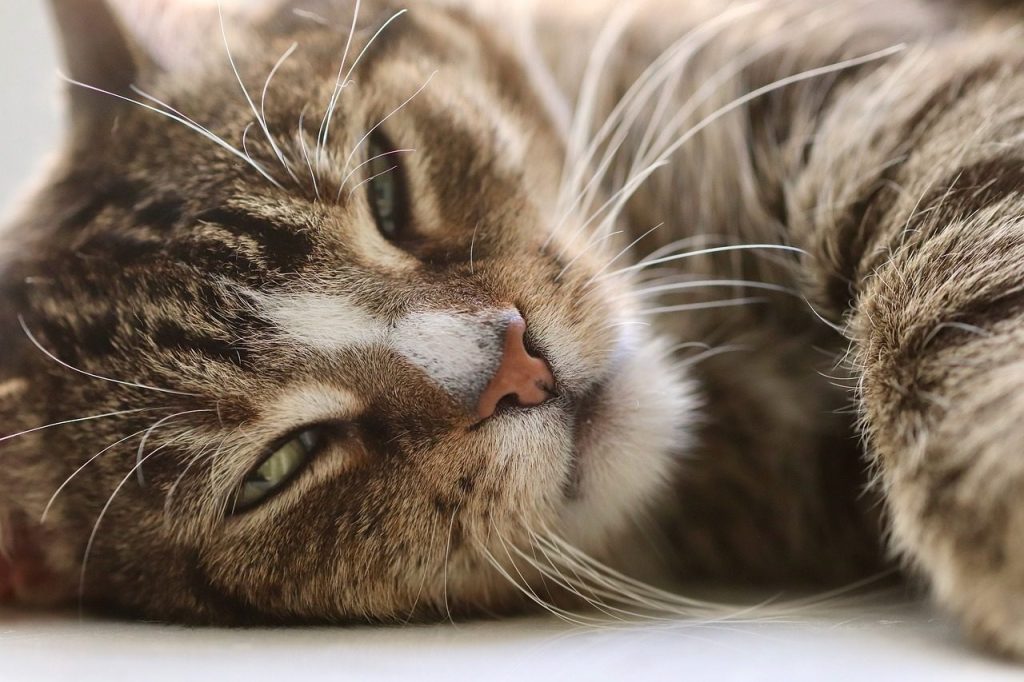

Giant feline breeds can grow to be absolutely massive. Yet, these large pets often insist on squeezing into tiny boxes or sleeping right on your face.
It looks hilarious, but there is a scientific reason for this lack of scale. Understanding how big cats view themselves is crucial for their health.
The feline brain lacks self-size awareness
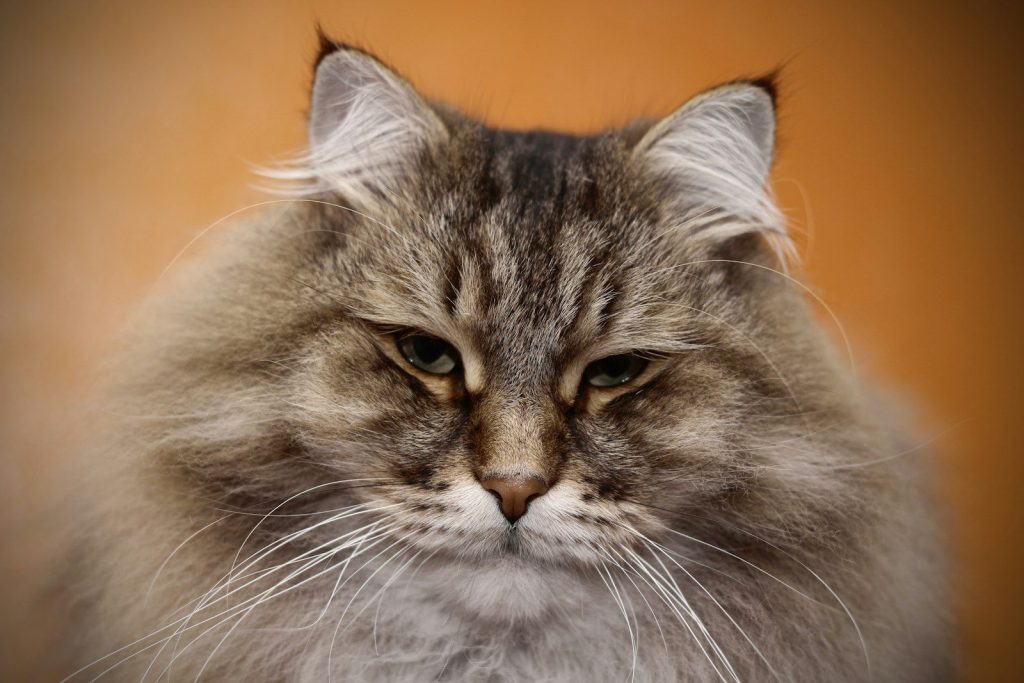
Cats do not look in the mirror to check their weight or height. Because of this, their brains maintain the same self-image they had as young kittens. According to animal behavioral studies, felines map their bodies based on early developmental experiences. If they felt safe in a small space as a baby, they will try to fit there as an adult. But can this cause physical problems?
Hidden dangers for large cats in small spaces
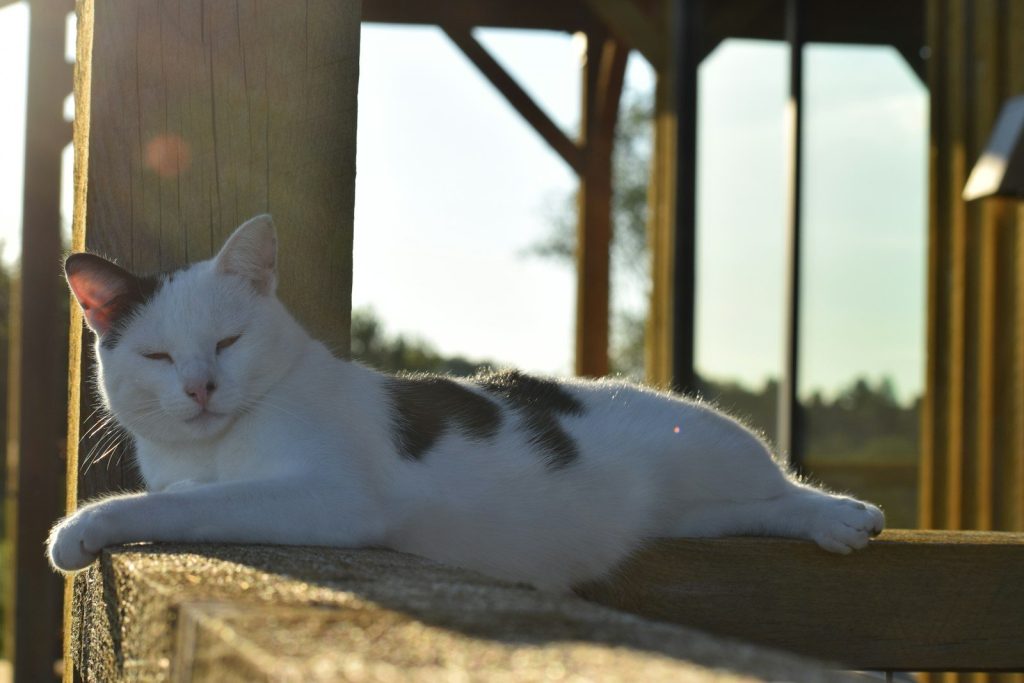
Squeezing into tight spots can put dangerous pressure on a large cat’s joints. This article is for informational purposes only and does not constitute veterinary advice. If your heavy pet tries to curl up in a flimsy hammock, they risk falling and injuring themselves. According to the American Veterinary Medical Association, joint strain is a major issue for heavy breeds. But what are the main breeds affected?
The gentle giants of the domestic pet world
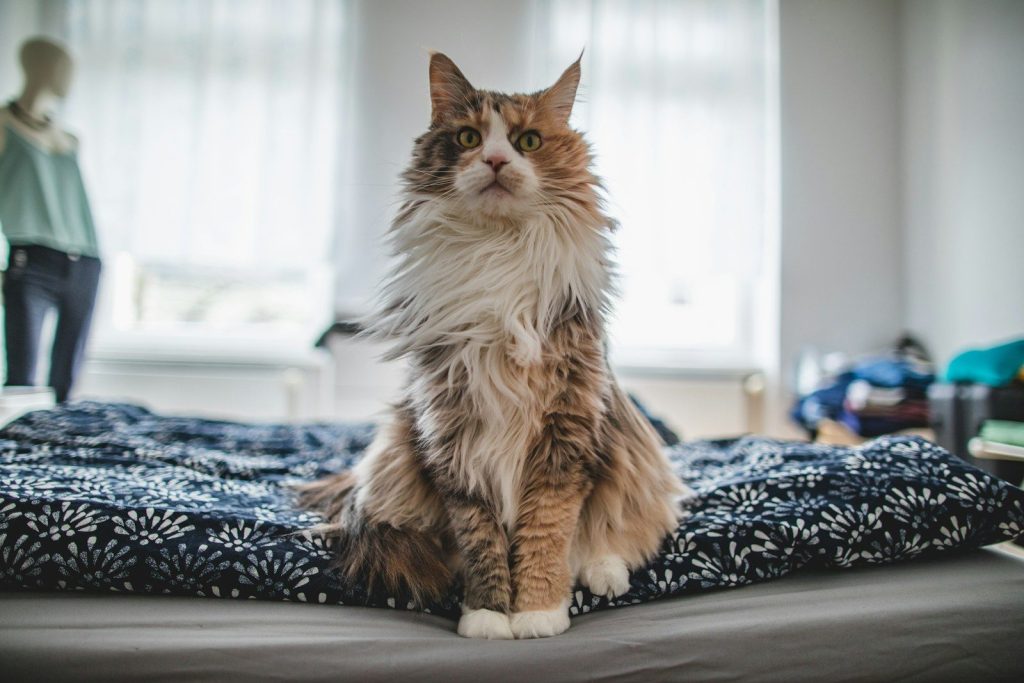
Breeds like Maine Coons and Savannah cats can weigh over twenty pounds. Despite their impressive length, they remain incredibly gentle and clingy. They love to act like lap dogs, draping their heavy bodies across your lap while you work. This sweet behavior is endearing but requires sturdy household support. But how do you design a home for a giant pet?
Building a sturdy environment for heavy felines
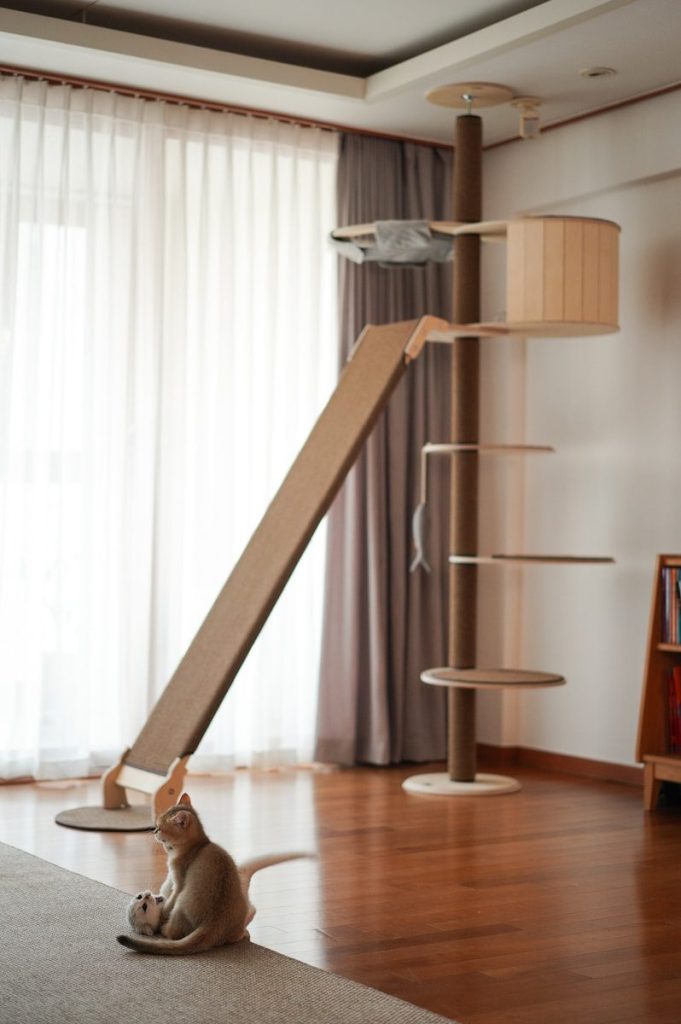
Standard cat trees are simply not built for heavy animals. You must invest in solid wood furniture with wide bases to prevent dangerous tipping accidents. Ensure their scratching posts are tall enough so they can stretch their entire spine. Providing the right gear keeps your gentle giant safe from painful accidents. But how does their size affect their daily diet?
Managing nutrition to protect their heavy bones
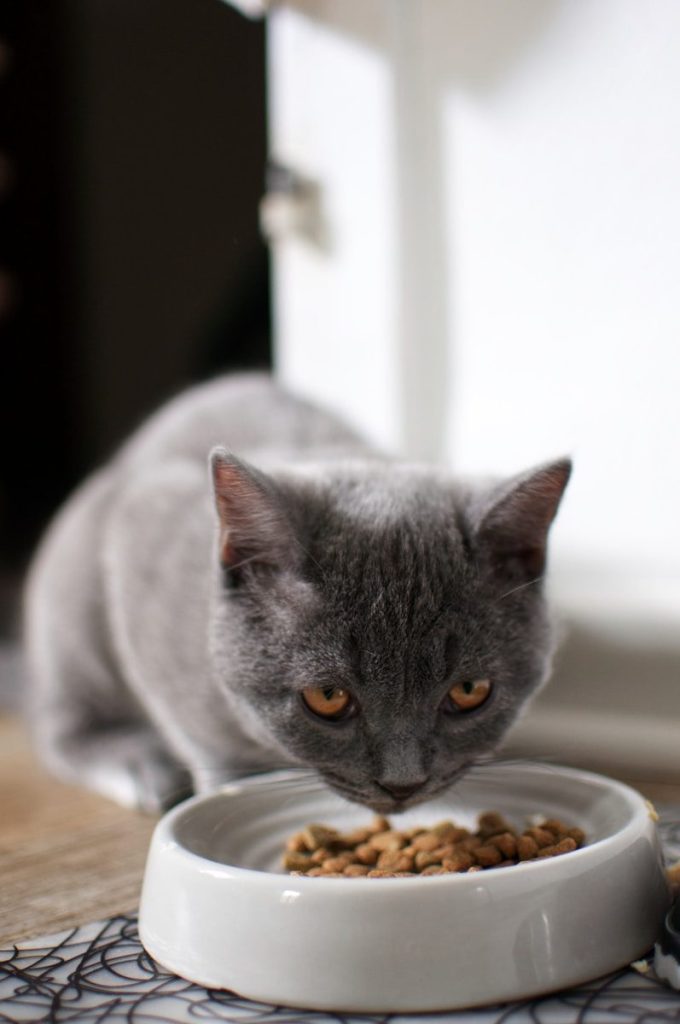
Carrying extra weight puts massive stress on a large cat’s skeletal structure. It is vital to feed them high-quality protein to support their muscle mass without adding body fat. Consult your veterinarian to establish a precise feeding schedule based on their specific breed needs. Keeping them lean is the best way to prevent early arthritis. But how else can you support their physical health?
Safe exercise routines for heavy domestic pets
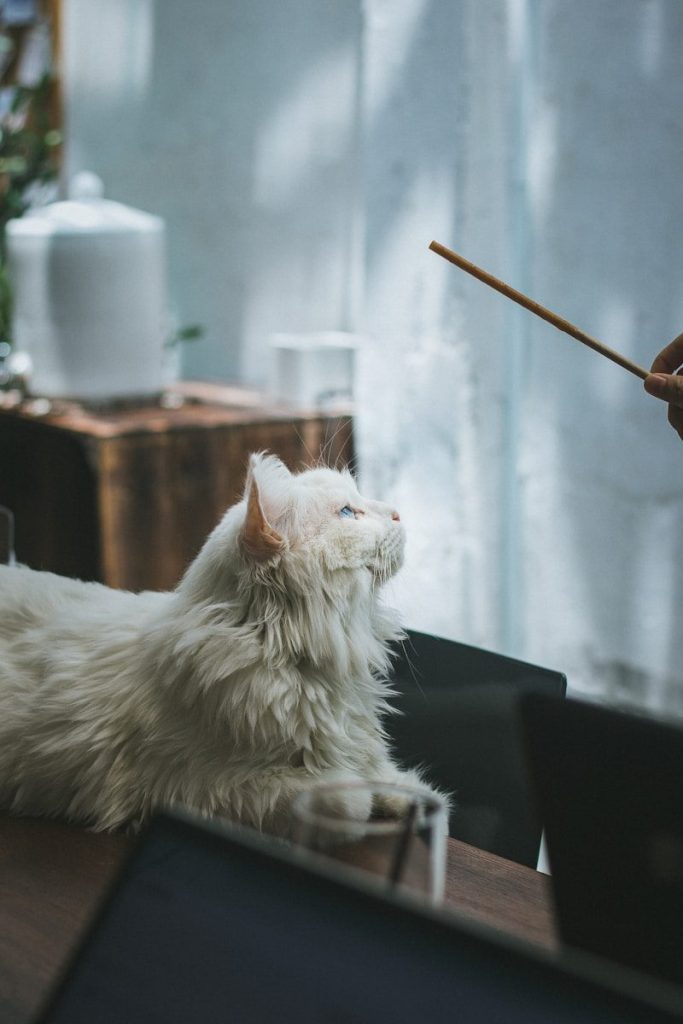
Heavy cats need regular movement to keep their hearts and joints strong. Use interactive toys that encourage horizontal chasing rather than high vertical jumping to prevent joint damage. Short, frequent play sessions are much safer than long, exhausting ones. This active lifestyle keeps their minds sharp and their bodies limber. But what is the ultimate reward of owning a giant?
Loving your big pet with a tiny heart
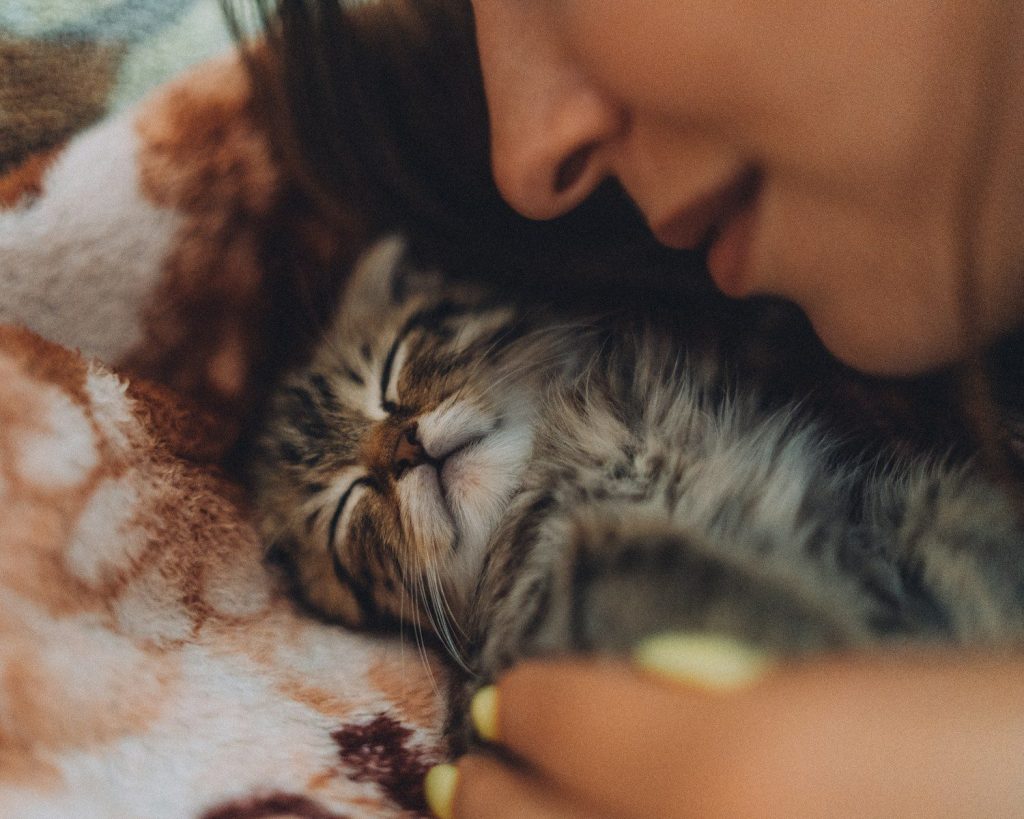
Sharing your home with a giant companion is a truly unique joy. Their massive size only means there are more of them to love. By protecting their physical safety and embracing their silly kitten personalities, you ensure they live a long, pain-free life. Your giant friend will reward you with massive purrs and endless loyalty.
Featured Image: Photo by Nennieinszweidrei on Pixabay