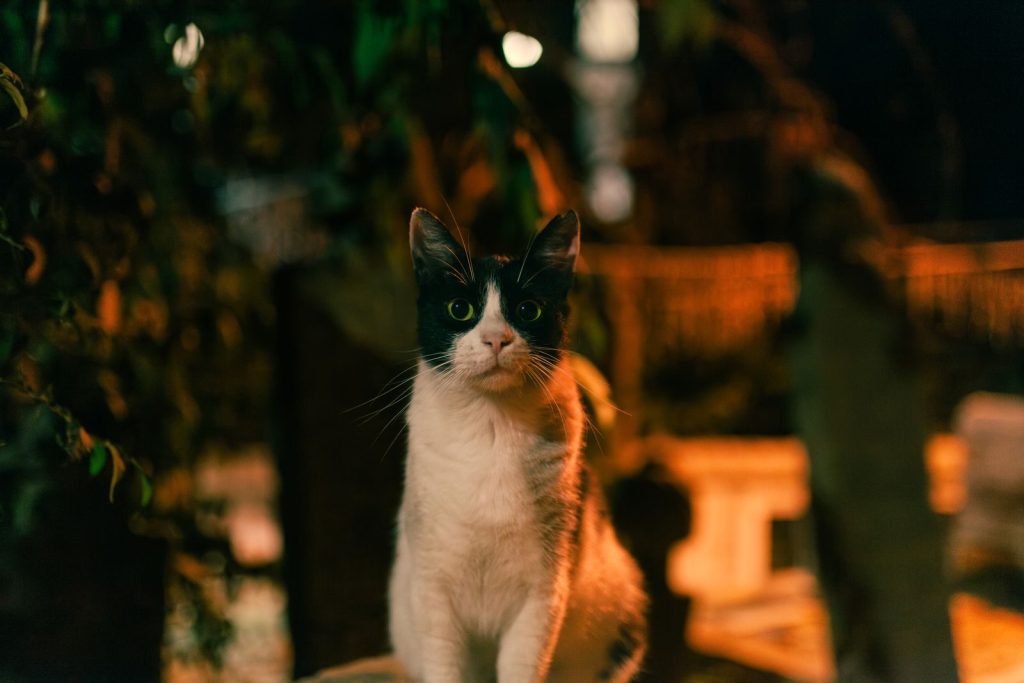

Anyone awakened by racing paws at 3 a.m. might assume cats spend the entire night running through the house. Research paints a more complicated picture. Domestic cats can be active at night, but their daily rhythms vary with lifestyle, access to outdoors, feeding schedules, human routines, age, and individual differences. Studies of free-ranging cats have found activity peaks around twilight, while indoor cats can adapt much of their movement and feeding behavior to household conditions.
That means there is no single secret nighttime schedule shared by every cat. Some sleep beside their owners for hours, wake for short periods, eat, groom, investigate noises, play, or move between favorite resting spots. Free-roaming cats may travel farther and interact with a much less controlled environment. Instead of describing cats as strictly nocturnal, researchers increasingly emphasize flexible activity patterns that can shift depending on both the animal and the conditions in which it lives.
Much of the Night Can Be Rest
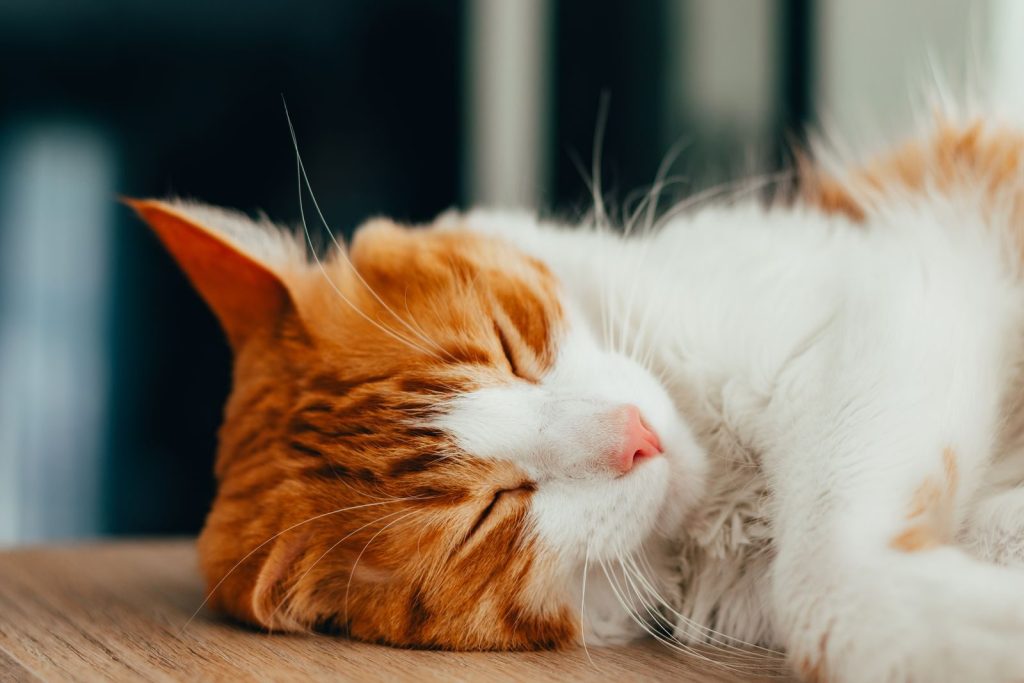
Cats are famous for sleeping for substantial portions of the day, and nighttime does not automatically switch them into continuous activity. Sensor-based research on pet cats has found large amounts of inactive or low-activity time within a 24-hour period. Individual cats may sleep, wake briefly, change location, groom, and settle again while their owners remain unaware. A burst of running can therefore create a misleading impression because it is memorable and noisy. The quieter hours spent resting rarely wake anyone, even though they may occupy far more of the night.
Activity Often Comes in Bursts

Feline activity is commonly broken into shorter episodes rather than one long period of continuous exercise. A cat may suddenly chase a toy, sprint down a hallway, climb furniture, investigate a sound, and then return to rest. Studies measuring locomotor rhythms show that activity patterns are shaped by environmental and lifestyle differences rather than a simple night-versus-day rule. Those brief energetic episodes are especially noticeable in quiet homes because every footstep is easier to hear. What feels like hours of nighttime chaos may actually be several short bouts separated by long periods of inactivity.
Twilight Can Be Especially Active

Research on free-ranging cats has found stronger activity around twilight than during some daytime periods. This helps explain the familiar description of cats as crepuscular, meaning they may show increased activity near dawn and dusk. However, that label should not be treated as an inflexible biological schedule. Domestic cats live closely with people and can adjust to feeding times, indoor lighting, access to outdoors, and household routines. One cat may become active before sunrise, while another learns that evening play or breakfast happens at a particular human-controlled time.
Indoor and Outdoor Cats Differ

A cat with outdoor access encounters a very different nighttime environment from an indoor cat. Research comparing locomotor patterns has found lifestyle-related differences, including greater evening or nighttime activity among cats with outdoor exposure in some settings. Free-ranging studies also show cats moving through home ranges rather than remaining around one sleeping location. Indoor cats, by contrast, are constrained by household space and human schedules. These differences are important because observations of outdoor cats should not automatically be applied to a companion cat that spends every night inside an apartment.
Play Can Resemble Hunting Sequences
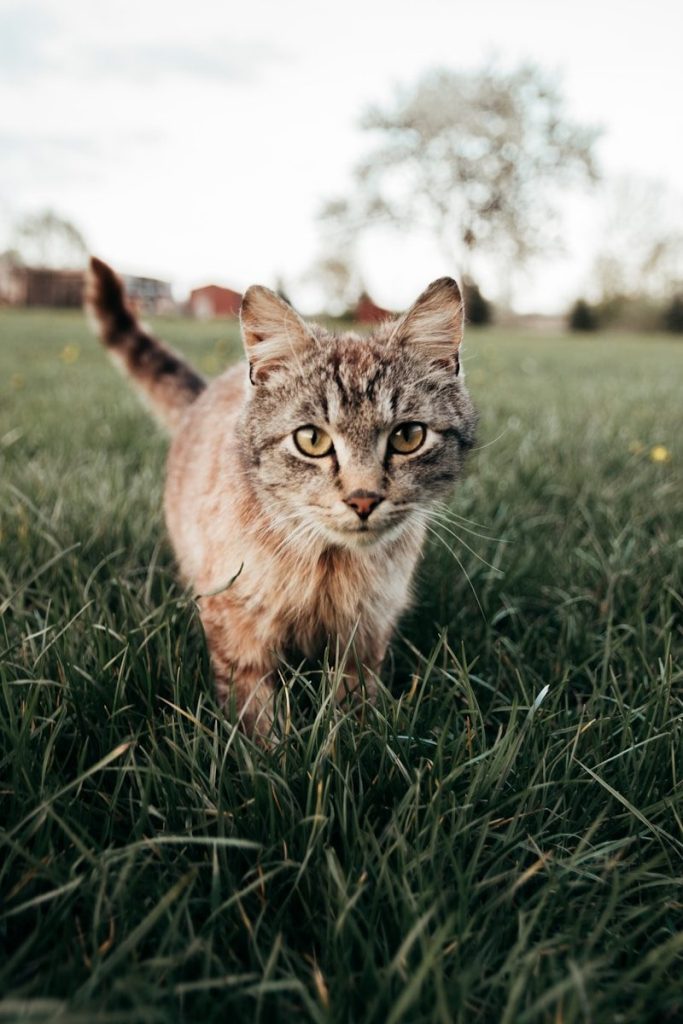
Indoor nighttime activity often includes behaviors that resemble pieces of hunting: stalking, chasing, pouncing, grabbing, and rapid pursuit of moving objects. A toy mouse, dangling object, insect, or another cat can trigger an energetic session even when no actual prey is involved. Providing interactive play during waking hours gives cats appropriate opportunities to perform these movements. It will not guarantee uninterrupted human sleep, but predictable play can help build a household routine. Owners should use toys rather than hands and finish games in a way that allows the cat to catch the target.
Feeding Patterns Shape the Night

Cats naturally tend to eat multiple smaller meals, and research on healthy cats living in homes has examined feeding across the full 24-hour cycle. Meal timing can therefore influence when a cat becomes active or begins seeking attention. A cat that regularly receives breakfast immediately after waking its owner may learn that vocalizing or pawing at dawn is effective. Timed feeders can sometimes separate food delivery from human wake-up behavior. Any feeding schedule should still provide the correct daily amount, because changing meal timing should not accidentally increase total calorie intake.
Outdoor Night Roaming Adds Risk
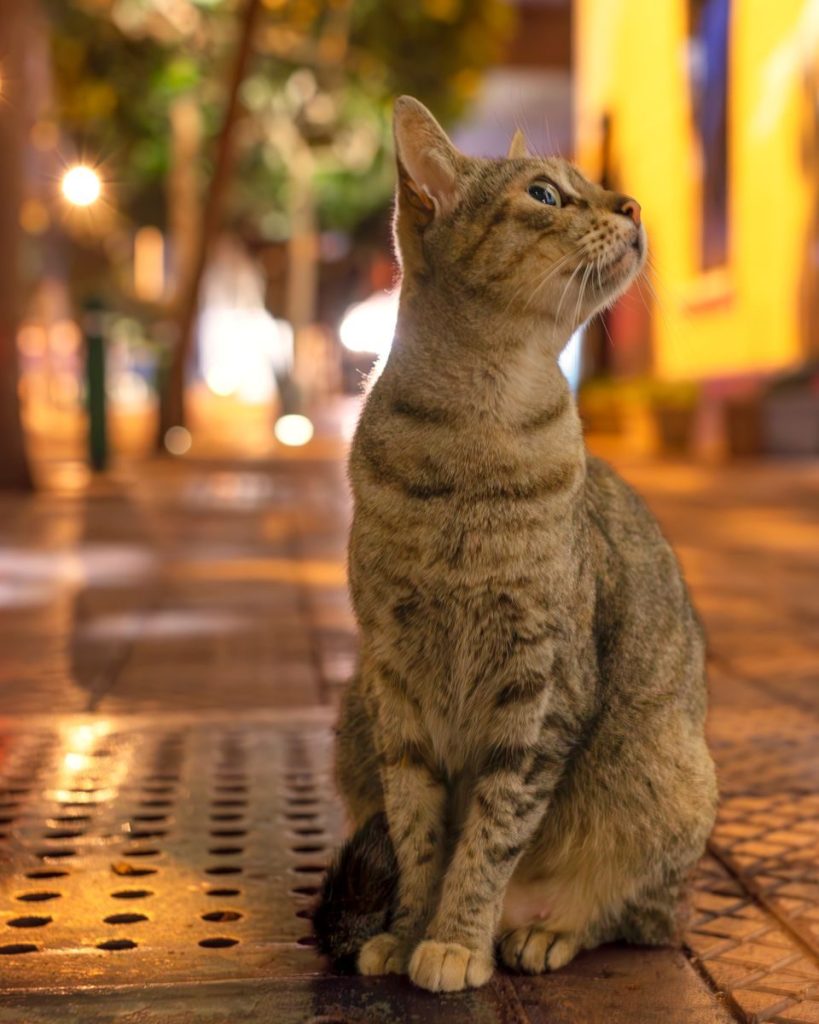
Nighttime outdoor activity exposes cats to traffic, fights, predators, infectious disease, toxins, getting lost, and interactions with wildlife. Research on free-roaming cats also documents overlap between feline activity and native animals, creating conservation concerns in some places. Keeping cats indoors, using secure outdoor enclosures, or providing supervised access can reduce those risks while still allowing stimulation. Local circumstances differ, but a cat’s ability to roam at night should not be treated as necessary for normal welfare. Indoor environments can provide climbing, searching, play, resting, and observation opportunities safely.
New Nighttime Restlessness Can Matter
A cat that has always raced around at night may simply have an established routine, but a sudden change deserves closer attention. New nighttime crying, pacing, confusion, repeated waking, appetite changes, or altered litter habits can sometimes accompany pain, stress, medical illness, or age-related changes. The behavior should be considered alongside the cat’s overall pattern rather than dismissed as normal “night zoomies.” If a noticeable change persists or comes with other concerning signs, veterinary assessment is appropriate. Knowing what is normal for the individual cat makes changes easier to recognize