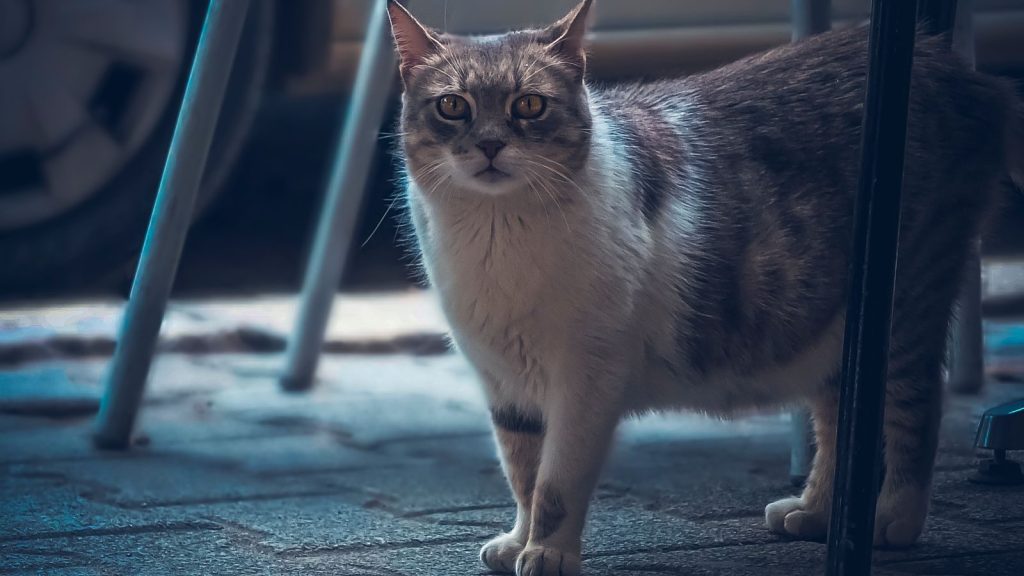

Photographer Niki Colemont turned everyday encounters in his neighborhood into a collection of 40 street-cat portraits. Published by Bored Panda at the end of 2024, the project grew after Colemont moved to a new city and began noticing the many cats living around his new surroundings. Rather than staging studio portraits, he photographed them where he encountered them, allowing streets, walls, gardens, and other neighborhood details to become part of each image.
Colemont described the cats as quirky and endearing, but the photographs are strongest when viewers treat those labels as artistic impressions rather than scientific personality assessments. A single photograph can capture posture, expression, movement, or an interaction without revealing an animal’s entire temperament or history. What the series clearly provides is variety. Across 40 frames, different cats create different visual moments, turning an ordinary neighborhood into a collection of small feline scenes worth stopping to notice.
The Project Began After a Move
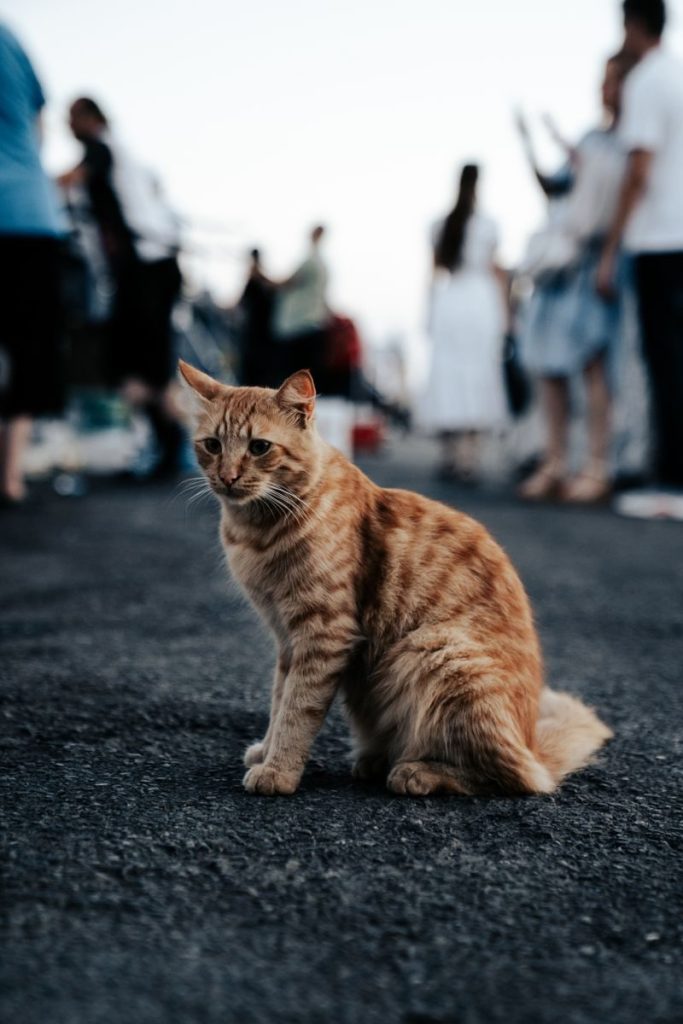
Colemont said the project took shape after he moved to a new city in 2022. He had already spent years photographing red squirrels, but his new neighborhood offered a completely different set of subjects. Street cats appeared throughout the area, creating opportunities for spontaneous portraits close to home. That local setting became important to the project because the photographs were not collected through a planned tour of famous cat destinations. Instead, they grew from repeatedly observing animals within the community where the photographer himself was now living.
One Cat Started the Series
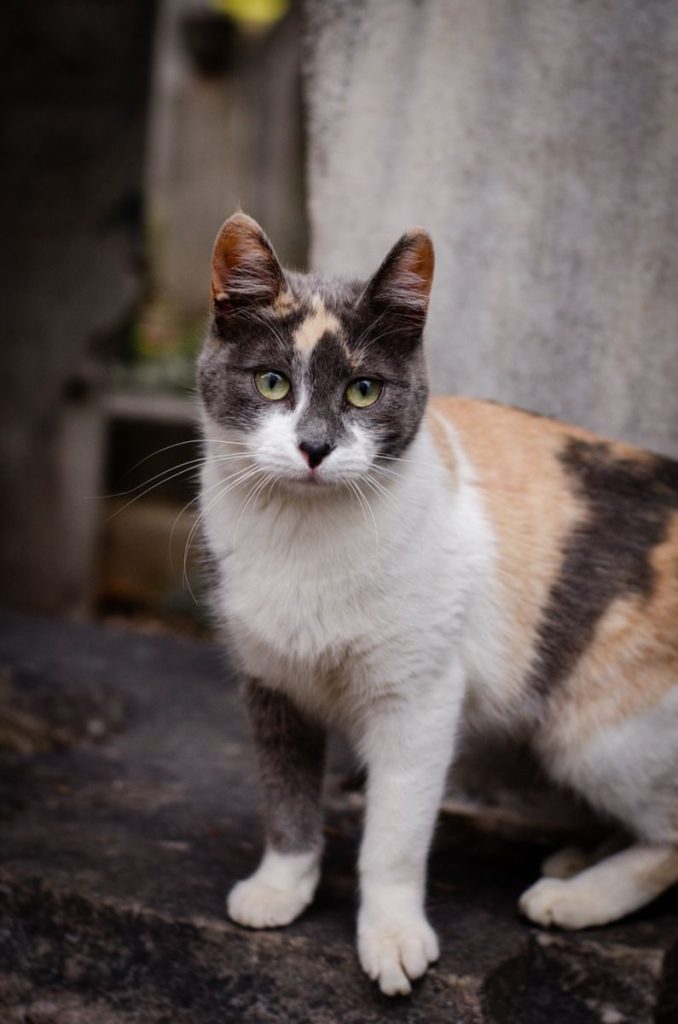
According to Colemont’s account, one particular encounter helped begin the photography project. While he was spending time improving the neighborhood and picking up trash, a street cat watched him rather than immediately disappearing. The cat eventually approached, prompting Colemont to go home, collect his camera, and return. That first portrait changed the direction of his local photography. The moment is notable because nothing elaborate was arranged. An ordinary encounter during a community cleanup became the starting point for a much larger collection of feline images.
The Streets Remain Part of Every Portrait
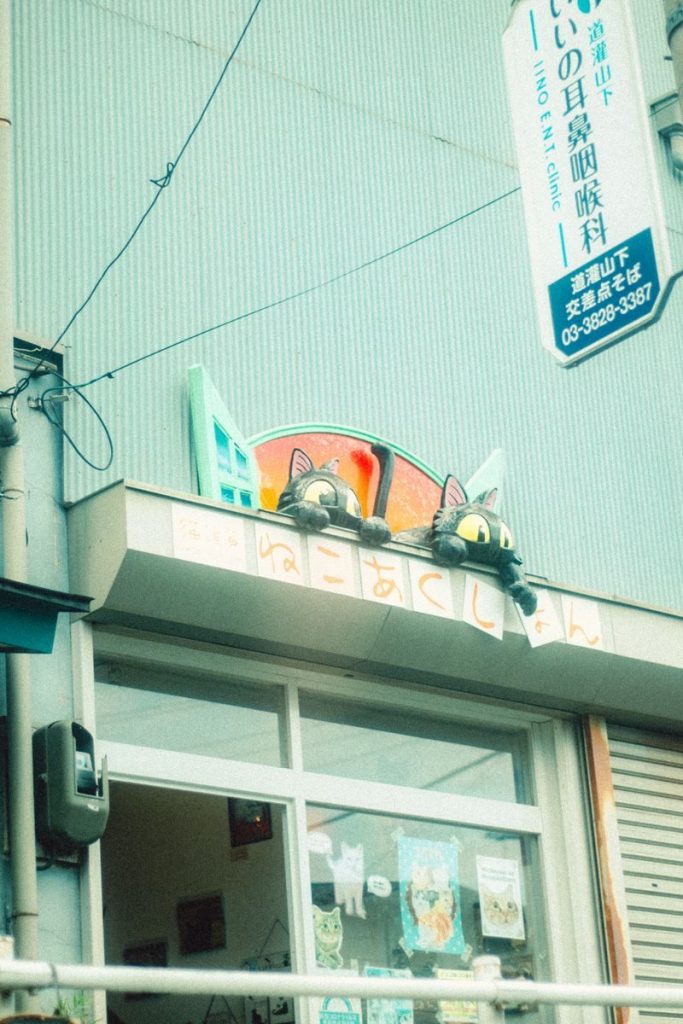
Street photography differs from studio animal photography because the surroundings are allowed to remain visible and meaningful. A wall, path, parked object, doorway, patch of greenery, or piece of street furniture can help explain where an animal was encountered. In Colemont’s project, that environmental context connects the cats to the neighborhood rather than presenting them against identical backgrounds. The setting also makes each photograph less predictable because the photographer has to work with available light, movement, distance, and whatever the cat chooses to do at that particular moment.
Expressions Create the Humor
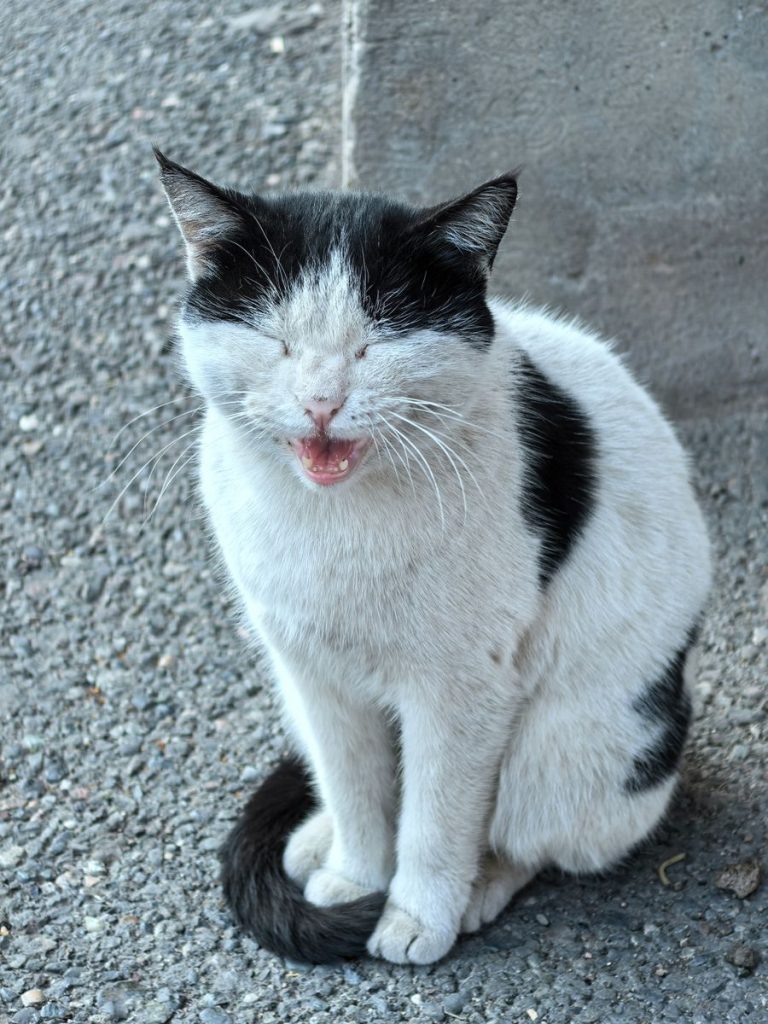
A still photograph can freeze a fraction of a second that looks unexpectedly dramatic. A cat may be caught mid-yawn, staring directly at the lens, stretching, turning its ears, grooming, or interacting with another animal. Humans naturally interpret these frozen expressions as grumpy, curious, suspicious, relaxed, or amused, which adds humor to the series. Those descriptions are useful as playful visual language, but they do not prove what a cat was thinking. Colemont’s photographs remain entertaining without requiring invented internal monologues or emotional backstories.
Each Cat Looks Distinct
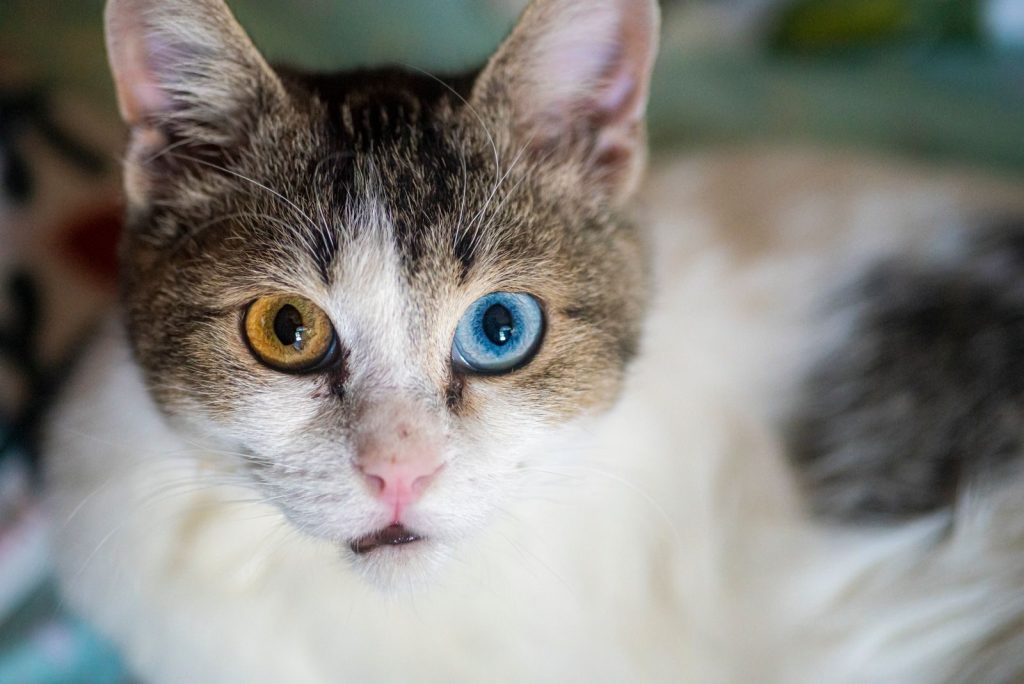
The collection works because the cats do not blend into one anonymous group. Different coat patterns, body shapes, postures, ages, and surroundings make individual frames immediately recognizable. That visual diversity is what supports Colemont’s idea of celebrating the animals’ distinctive character. Still, appearance should not be confused with a full behavioral profile. A cautious expression in one frame does not prove a cat is permanently shy, and a relaxed pose does not establish friendliness toward strangers. Photography captures a moment, while personality requires observation across many situations.
Colemont Kept the Project Local
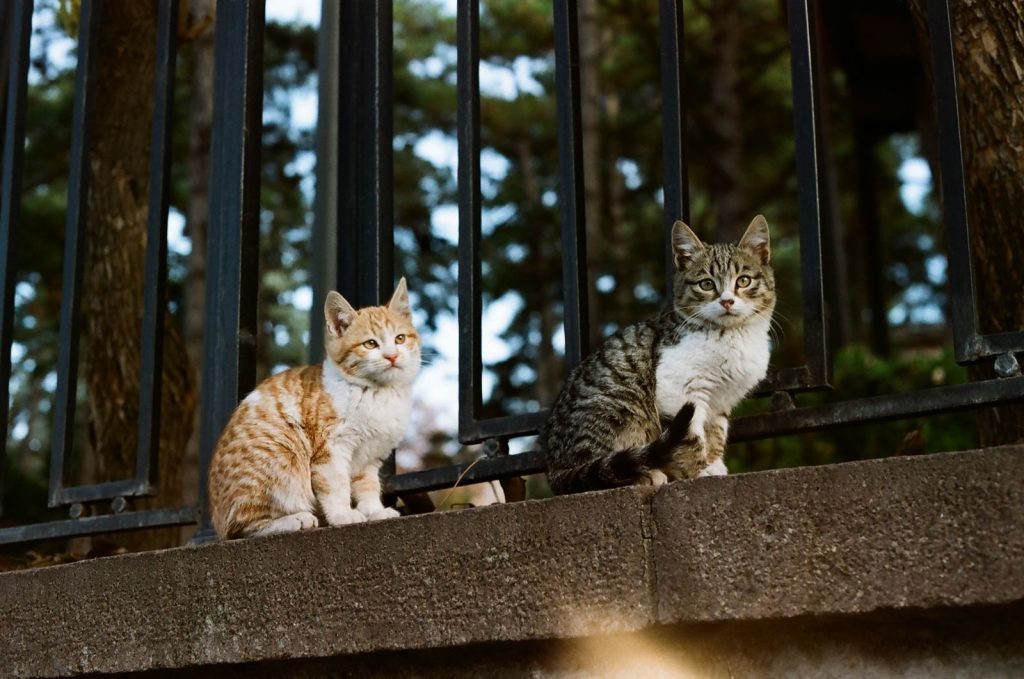
Colemont explained that he was not immediately interested in turning the series into a project spanning many cities. The local connection was part of its appeal. By repeatedly photographing cats in his own neighborhood, he could connect the pictures with a sense of community rather than simply collecting images of unfamiliar animals elsewhere. This gives the project a more personal scale. The 40 photographs are not presented as a census of street cats everywhere, but as one photographer’s visual record of feline encounters in the place he had come to know.
A Photo Cannot Reveal a Cat’s History
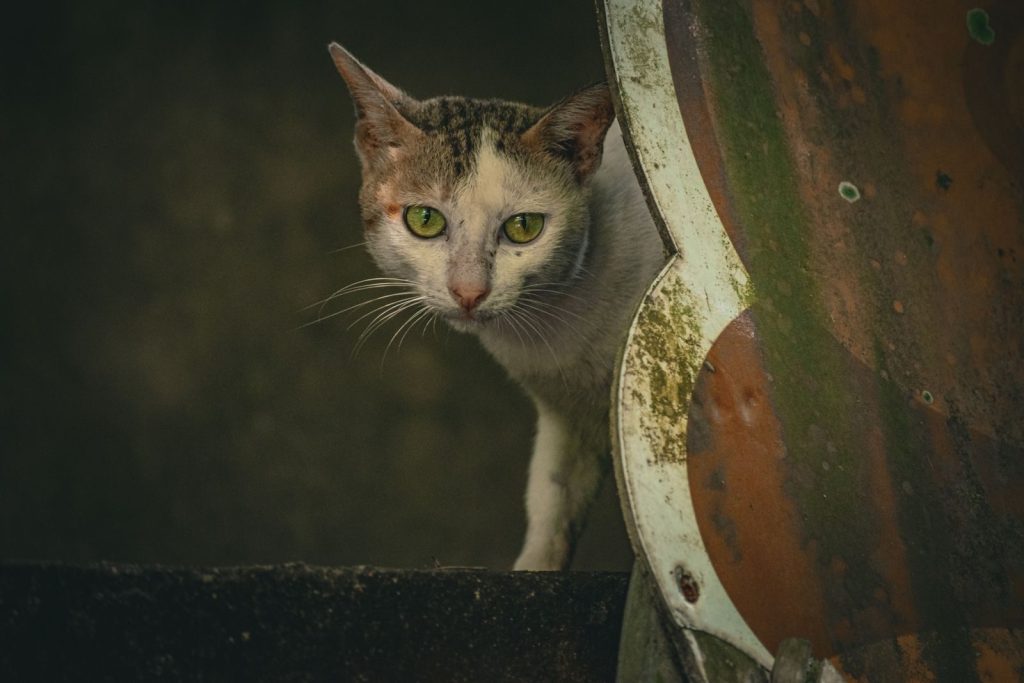
An outdoor photograph does not automatically tell viewers whether a cat is feral, stray, owned, lost, or regularly cared for by people nearby. Those categories depend on history and socialization, not simply on where an animal happens to be standing when a camera appears. Colemont’s images are therefore best appreciated without inventing rescue stories for individual subjects. Some cats may have complicated backgrounds, while others may be familiar neighborhood animals. The photographs document their presence and appearance, not every detail of their relationship with humans.
Forty Photos Create One Neighborhood Story
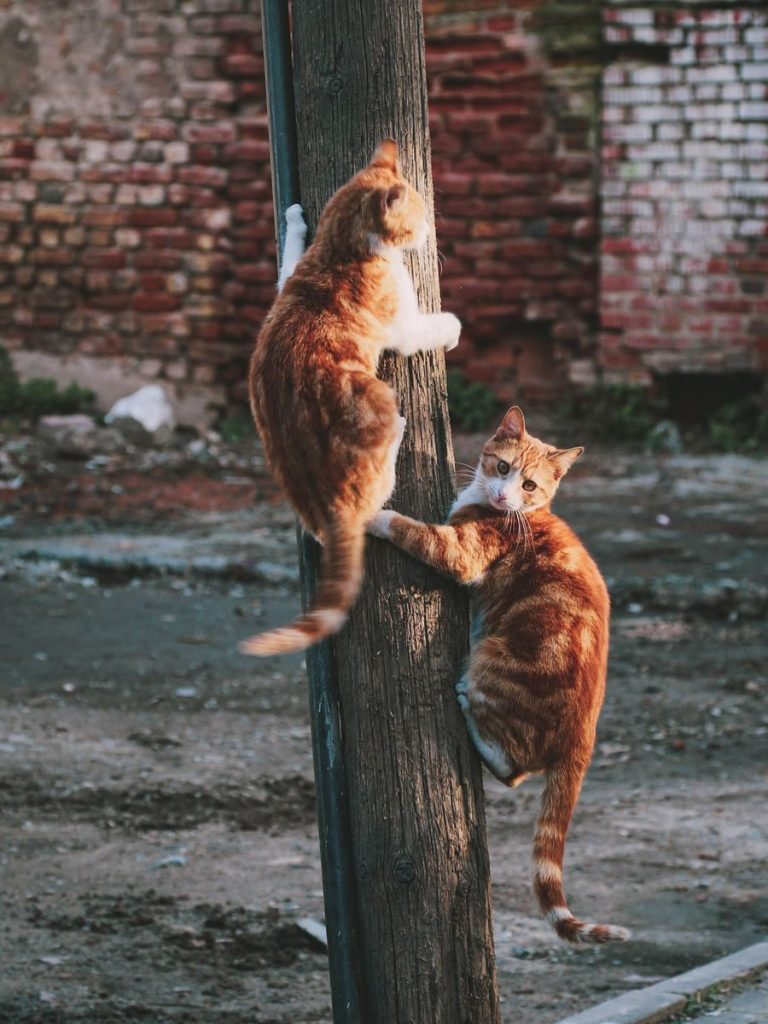
Seen individually, each picture is a small feline portrait. Seen together, the 40 photographs create something broader: a record of how many different cat encounters can occur within one community. Colemont’s project celebrates that variety without needing a single dramatic storyline. The cats sleep, watch, move, pose, and occupy familiar urban spaces in their own ways. That simplicity explains much of the appeal. The series asks viewers to pay closer attention to ordinary animals and ordinary streets, where expressive photographic moments may already be waiting.
Featured Image: Photo by MaLeK DriDi on Pexels