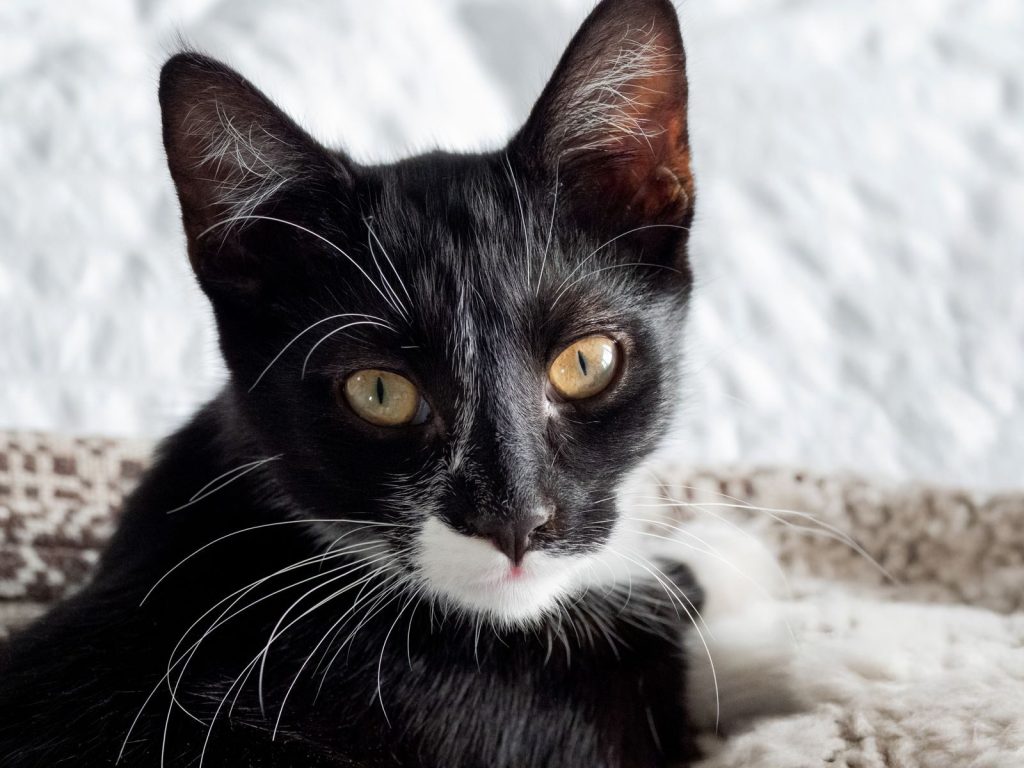

A rescue call about a stray cat and kittens in an attic turned into a larger operation when Compassionate Animal Rescue Effort arrived and found the family had moved outside. According to the rescue’s published video description, the cats were between a fence and a porch by the time help reached them. The team ultimately captured six kittens along with their mother. That detail matters because very young kittens usually benefit from staying with their mother whenever it is safe and possible, rather than being separated during rescue.
The rescue said the mother and six kittens would remain in its care for the next few weeks until the youngsters were ready for more independence. Beyond the dramatic location, the story reflects a common challenge during kitten season: mother cats choose sheltered, hidden places to give birth, and those places can include attics, crawl spaces, sheds, and other areas around homes. When kittens are discovered, the safest response depends on their age, condition, immediate danger, and whether their mother is still caring for them.
The Call Mentioned an Attic
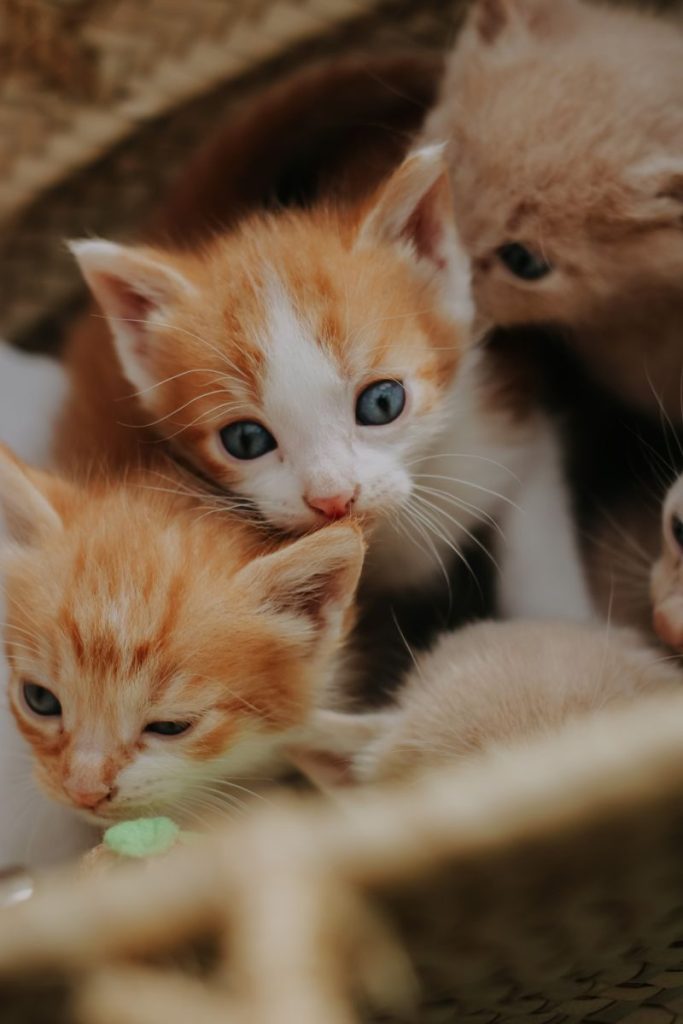
The call initially described a stray mother cat and kittens living in someone’s attic. Hidden spaces can appeal to a mother cat because they offer cover and relative quiet, but they can also create problems for homeowners and rescuers. By the time the rescue team arrived, the family was no longer in the attic. The video description says they were outside between a fence and a porch. That change meant the rescuers had to respond to the situation they actually found rather than assuming the cats were still where the original caller had seen them.
There Were Six Kittens

The litter was larger than a quick glance might suggest. Compassionate Animal Rescue Effort reported capturing six kittens, not just one or two, along with the mother cat. Catching an entire feline family can require patience because frightened kittens may squeeze into small gaps and a wary mother may avoid people. Rescue groups often use humane traps and careful positioning rather than chasing cats, which can scatter them or increase stress. In this case, the important verified outcome is that all six kittens and their mother were brought into care together.
Keeping Mom Was Important
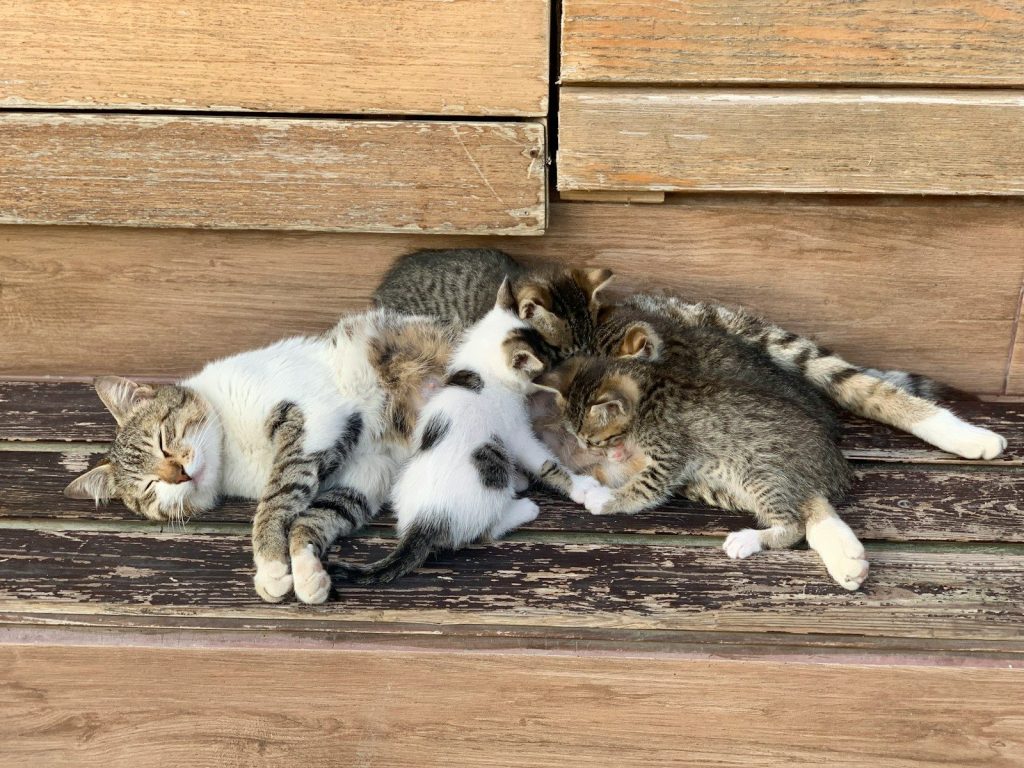
Keeping the mother with her young can make a major difference when kittens are still dependent on nursing. Best Friends Animal Society advises that a mother cat generally handles feeding, grooming, warmth, and early care more effectively than people can. A foster setup should give her food, water, a litter box, a quiet nesting area, and privacy from other pets. Rescuing kittens without the mother may create a need for intensive bottle-feeding and round-the-clock care, so preserving the family unit is usually preferable when the mother is healthy and safely accessible.
Kittens May Not Be Abandoned
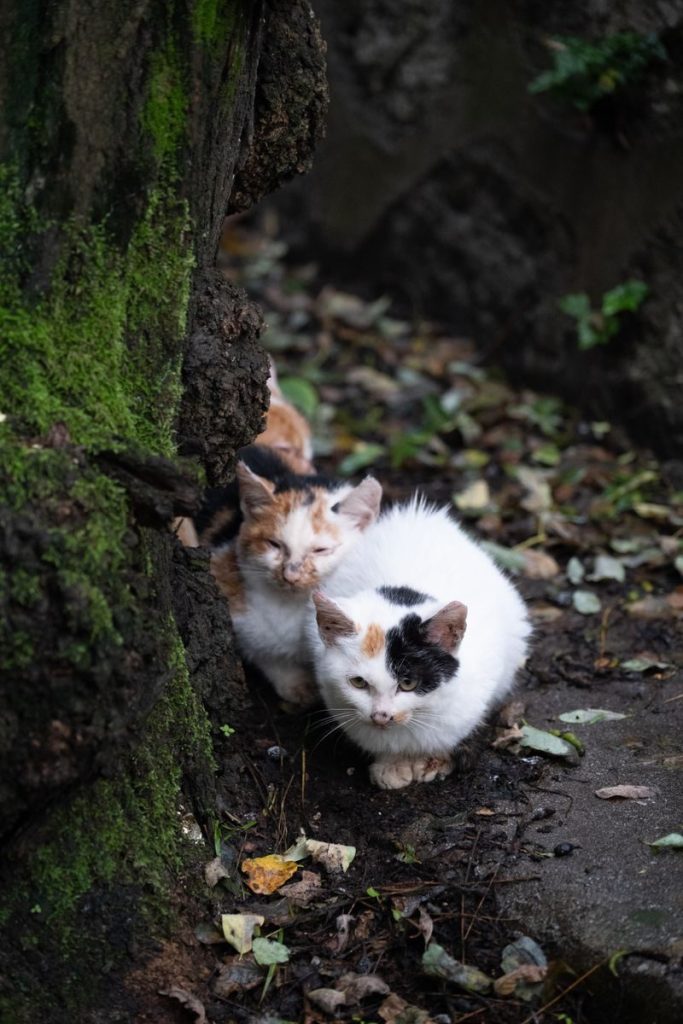
Finding kittens does not automatically mean they have been abandoned. The ASPCA notes that mother cats may leave temporarily to find food or may wait for people to move away before returning. If kittens look healthy and are not in immediate danger, monitoring from a distance can help determine whether their mother is still caring for them. An attic or another hazardous location can change the decision, especially if there is a risk of injury, entrapment, extreme heat, or forced removal. In uncertain cases, a local rescue can advise on the safest next step.
Foster Care Gives Them Space

Once a mother and kittens enter foster care, the goal is stability rather than constant handling. Best Friends recommends a separate, quiet room with safe nesting options and essential resources placed thoughtfully. The mother should be allowed to settle and care for the litter without unnecessary disturbance. Her behavior may be more defensive while the kittens are young, especially around unfamiliar animals. Caregivers can monitor nursing, growth, cleanliness, and health while giving the family enough privacy. If the mother stops caring for the kittens or appears ill, veterinary guidance is needed.
The Kittens Needed Time
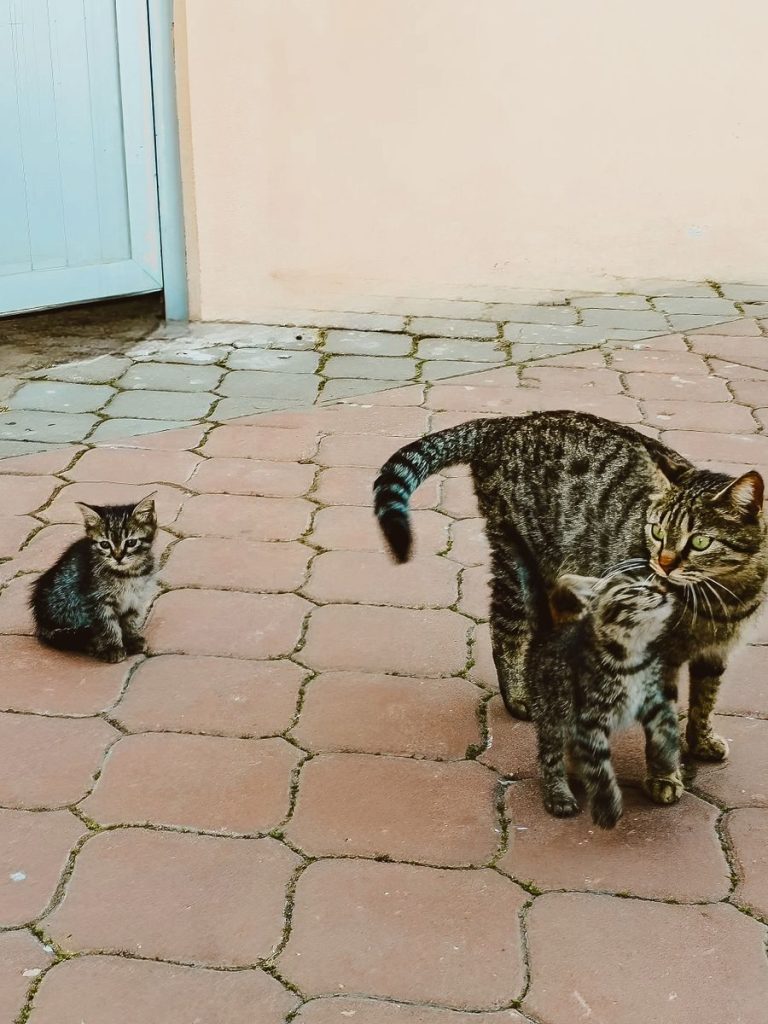
The rescue said the family would stay for several weeks while the kittens grew. That waiting period is important because kittens develop quickly but are not ready for independence immediately. Weaning usually happens gradually, with the mother helping move them from milk toward solid food. Socialization and veterinary care also become increasingly important as they grow. Rehoming should not be rushed simply because kittens look active. A reputable rescue can determine when each kitten is healthy, developmentally ready, and appropriately prepared for adoption based on its individual circumstances.
Mom Needs a Long-Term Plan
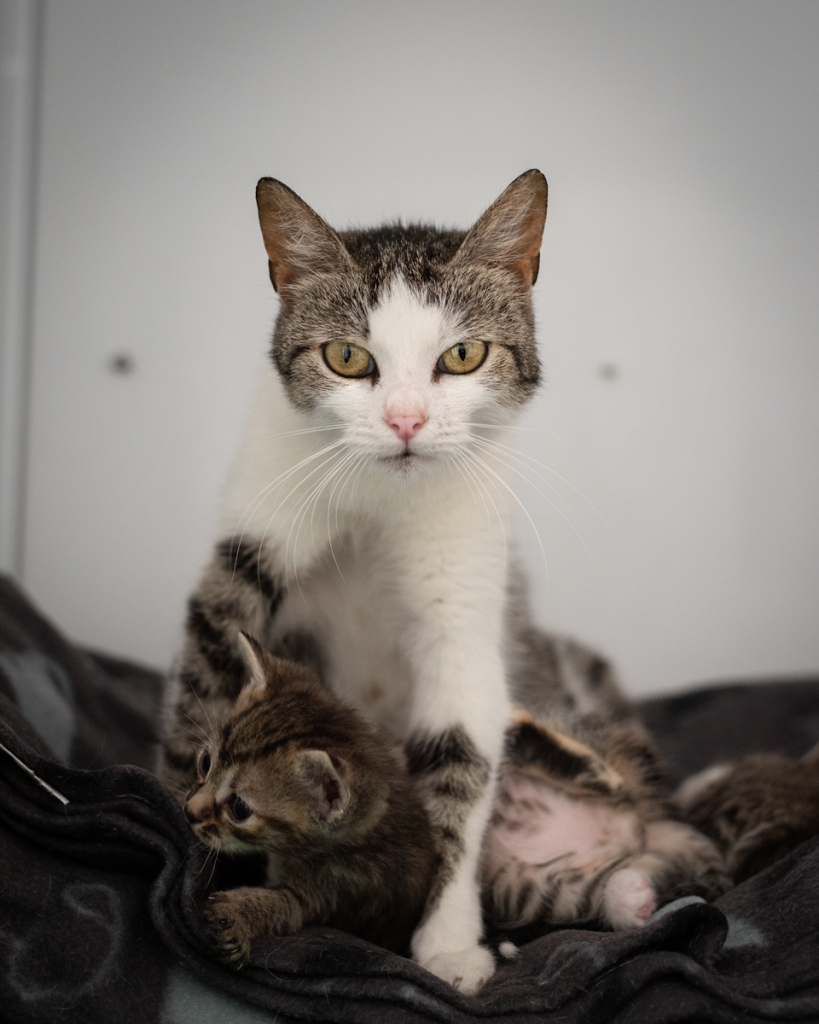
The mother cat’s future matters as much as the kittens’ future. Community-cat programs commonly include spaying the mother after the kittens are weaned and old enough for the family’s next steps. Trap-neuter-return programs aim to stop repeated breeding among unsocialized outdoor cats, while friendly cats may be evaluated for adoption. The kittens should also be spayed or neutered at an appropriate age under veterinary guidance. Addressing reproduction is what prevents one successful rescue from being followed by another litter in the same location a few months later.
Rescue Starts With Observation
This attic call ended with a complete feline family in rescue care, but the broader lesson is to avoid acting on assumptions. Healthy kittens with an attentive mother may need monitoring more than immediate removal, while kittens in danger, injured animals, or inaccessible families may require experienced help. The ASPCA and Best Friends both advise contacting local animal-welfare professionals when the situation is unclear. In this case, the rescuers captured six kittens and their mother and planned to support them for several weeks, giving the youngsters time to grow before their next stage.
Featured Image: Photo by Brett Jordan on Pexels