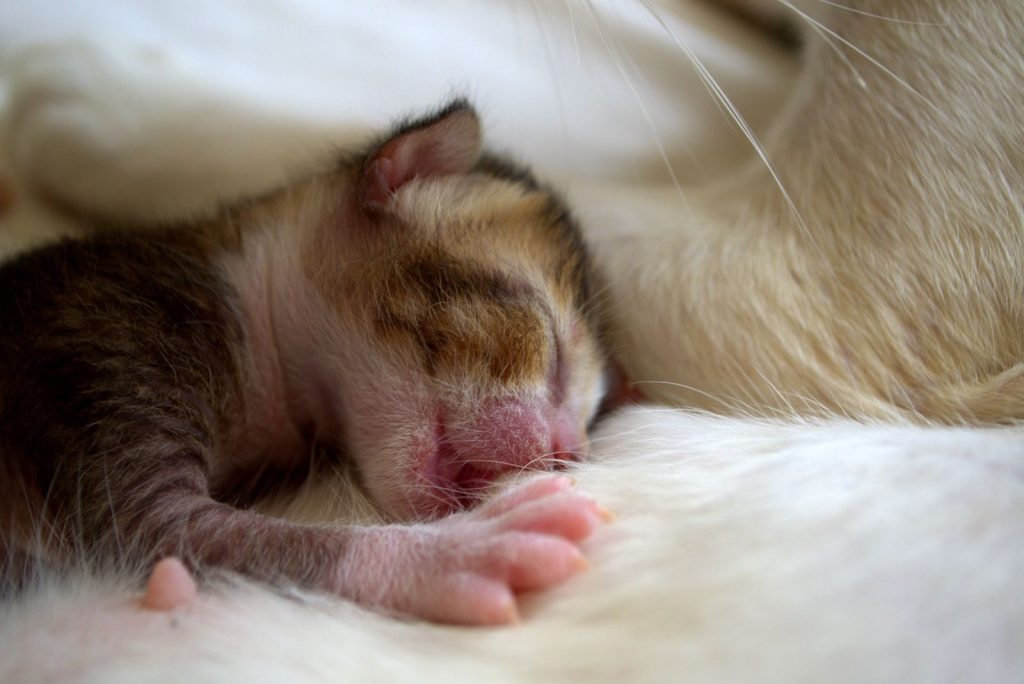

A kitten named Sixten became inseparable from baby Ronja in a family video story published by The Dodo. The two were close in age, with Sixten only about a month older, and the kitten repeatedly climbed into the baby’s crib to cuddle beside her. The scenes are undeniably sweet, but they also need a little safety context. A cat choosing to lie near a baby can look gentle and affectionate, yet babies cannot reliably move away, protect their faces, or manage an animal’s sudden movements without adult help.
That makes supervision the important part of any cat-and-baby friendship. Safe-sleep guidance recommends that an infant sleep alone on a firm, flat surface in a clear cot or crib, without pets sharing the sleep space. Families do not need to keep a friendly cat permanently separated from a baby, but cuddling should happen while an adult is awake and watching. Sixten and Ronja’s bond can still be appreciated for what it is: a young cat repeatedly seeking closeness, with responsible boundaries helping protect both members of the household.
Sixten Is Only a Month Older
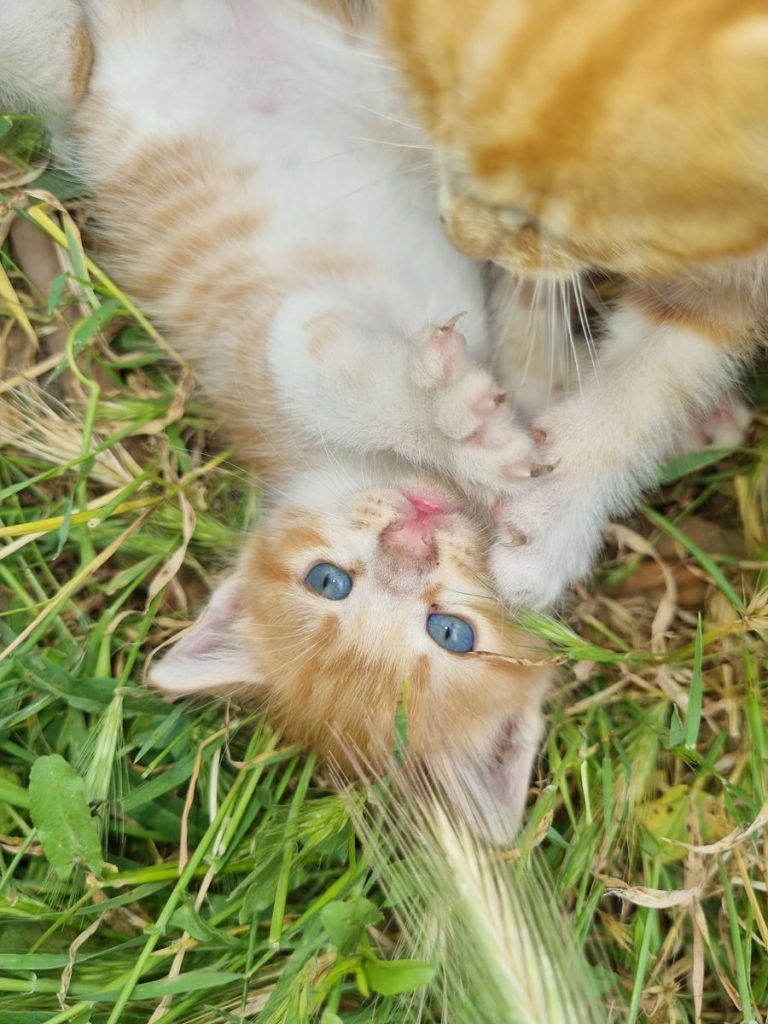
According to The Dodo, Sixten was only about a month older than Ronja, so kittenhood and infancy overlapped in the same household. That timing created plenty of opportunities for the two to notice each other as they grew. Sixten reportedly took a strong interest in staying near the baby and repeatedly returned to her crib. A close age gap can make the images feel as though two youngsters are growing up together, but their needs remain very different. A kitten is mobile and unpredictable, while a baby depends on adults to manage every interaction safely.
He Keeps Returning for Cuddles
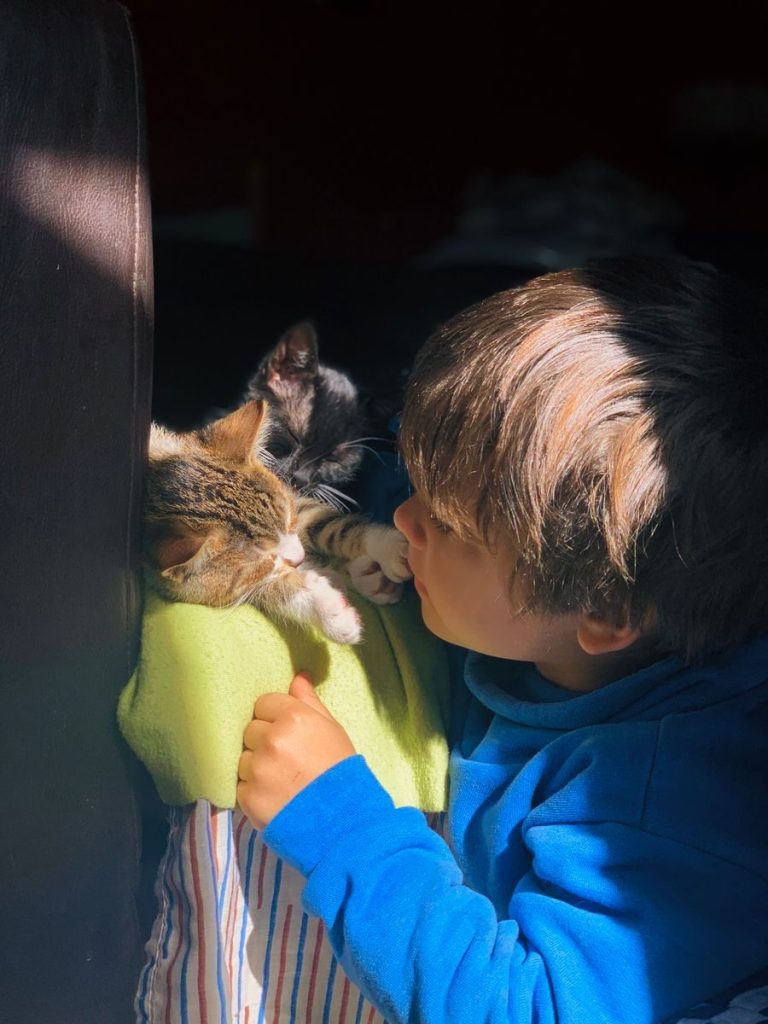
The detail that made the story go viral was Sixten’s habit of climbing into Ronja’s crib whenever he had the chance. The Dodo described him cuddling beside her and seeking physical closeness. It is reasonable to describe the visible behavior, but not to claim the kitten understood Ronja as a human sibling in the same way people understand family relationships. Cats can form social attachments and seek warm, familiar resting companions, yet a short video cannot prove a specific motive. The safest interpretation stays with what viewers can actually see: repeated proximity and contact.
Supervision Matters Around Babies

Even a calm cat can move suddenly, startle, knead with claws, or reposition its body without understanding how vulnerable an infant is. Babies also make unpredictable sounds and movements that may surprise a pet. For that reason, direct contact should always happen with an attentive adult present. Supervision means more than being somewhere in the same house; the adult should be close enough to intervene immediately if either baby or cat becomes uncomfortable. Friendly history does not remove the need for that boundary, because accidents can happen without aggression from either side.
Cribs Should Stay Pet-Free

A baby’s cot or crib should remain a pet-free sleep space. NHS safe-sleep guidance recommends placing babies on their backs in a clear cot and keeping the sleeping area free from pillows, soft toys, bumpers, and other items that could interfere with safe sleep. A cat adds another uncontrolled element, even when it appears peaceful. If Sixten-style cuddles happen in a family home, they are better reserved for supervised awake time elsewhere. Once the baby is sleeping, the cat should have a separate comfortable place outside the cot.
Give the Cat Another Cozy Spot
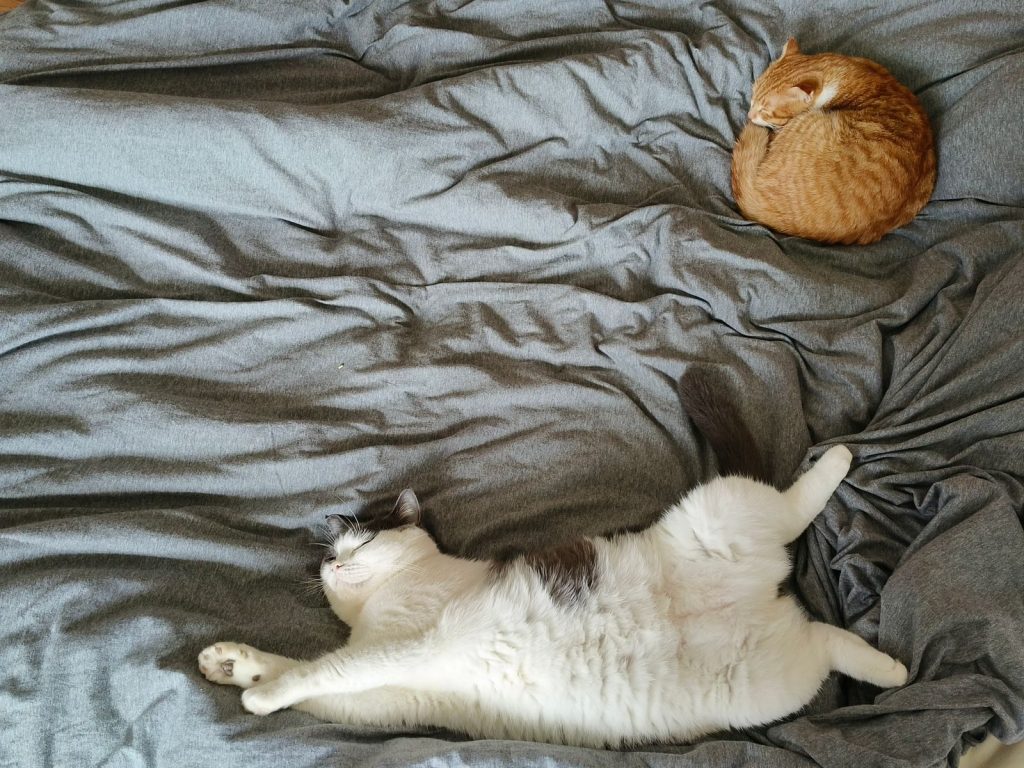
Giving the cat an appealing alternative can make boundaries easier to maintain. A warm cat bed, covered hide, window perch, or soft blanket placed away from the crib gives the animal somewhere comfortable to settle without sharing the baby’s sleep space. The goal is not to punish the cat for seeking closeness. Instead, families can consistently redirect it to an appropriate resting place and reward calm behavior there. Keeping the nursery door closed when the baby is asleep may also be necessary if the cat repeatedly jumps into the cot when adults are not watching.
Protect the Cat as Baby Grows

Parents should also protect the cat from interactions that become too rough as the baby grows. Infants eventually reach, grab, crawl, and pull without understanding an animal’s warning signals. A cat should always have an escape route and access to high or quiet areas the child cannot reach. Adults can begin modeling gentle touch long before a toddler can follow every instruction consistently. This protects the cat from being cornered and reduces the chance of a defensive scratch or bite. Safe relationships work in both directions: the animal’s comfort matters too.
Let the Cat Choose Interaction

Routine can help a resident cat adjust when a baby changes the household. Feeding, play, litter-box access, and quiet resting time should remain as predictable as reasonably possible. The cat also needs places where baby equipment, visitors, and new sounds do not follow it. If the animal chooses to approach during supervised time, calm interaction can be allowed rather than forced. A cat that walks away should be permitted to leave. Giving pets choice and space is more useful than arranging close contact for photographs, especially when the baby is too young to understand boundaries.
Affection Still Needs Boundaries

Sixten and Ronja’s story is appealing because the kitten repeatedly chose to stay close to the baby, producing a series of tender family moments. The responsible takeaway, however, is not that every cat should be allowed into a crib. Babies need a clear, separate sleep space, and all pet contact should be supervised. With those limits in place, a family can enjoy gentle interactions without turning a cute relationship into an avoidable safety risk. The best cat-and-baby bond is one that leaves room for affection, separation, rest, and adult oversight when needed.
Featured Image: Photo by Irma Sjachlan on Pexels