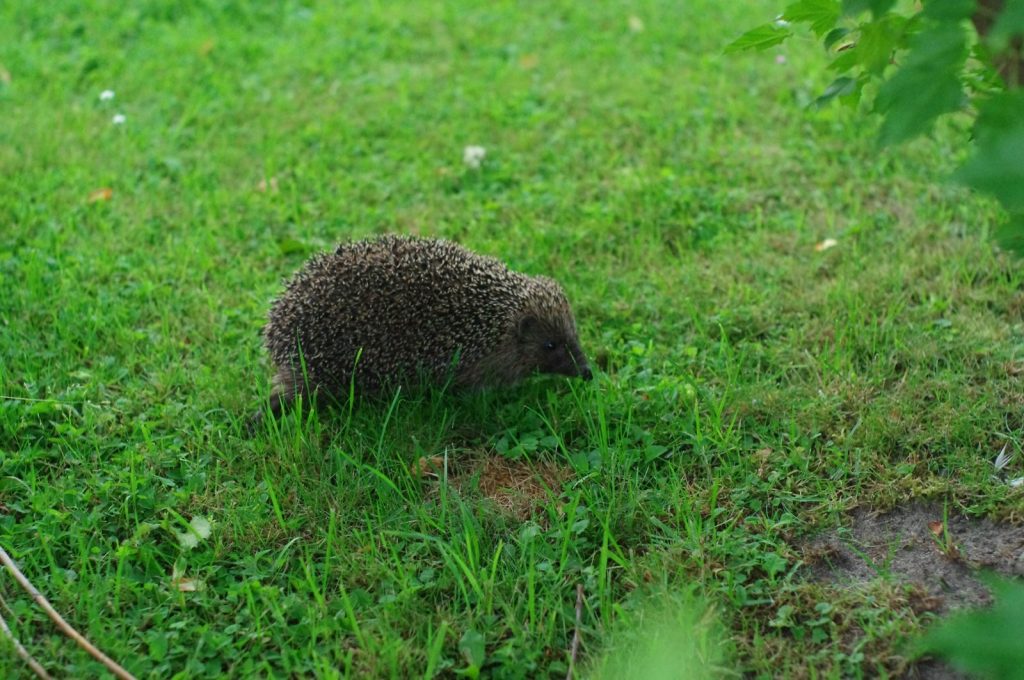

The exact “spiky cactus animal” clip in the supplied title could not be independently verified, so it would be misleading to invent the cat, location, or outcome. The description most closely suggests a curious cat encountering a hedgehog, an animal whose coat of stiff spines can make an exploratory paw tap a poor idea. Hedgehogs do not need dramatic behavior to defend themselves. When threatened, they can raise their spines and curl into a tight ball, protecting the softer parts of the body while presenting a prickly surface to whatever is investigating them.
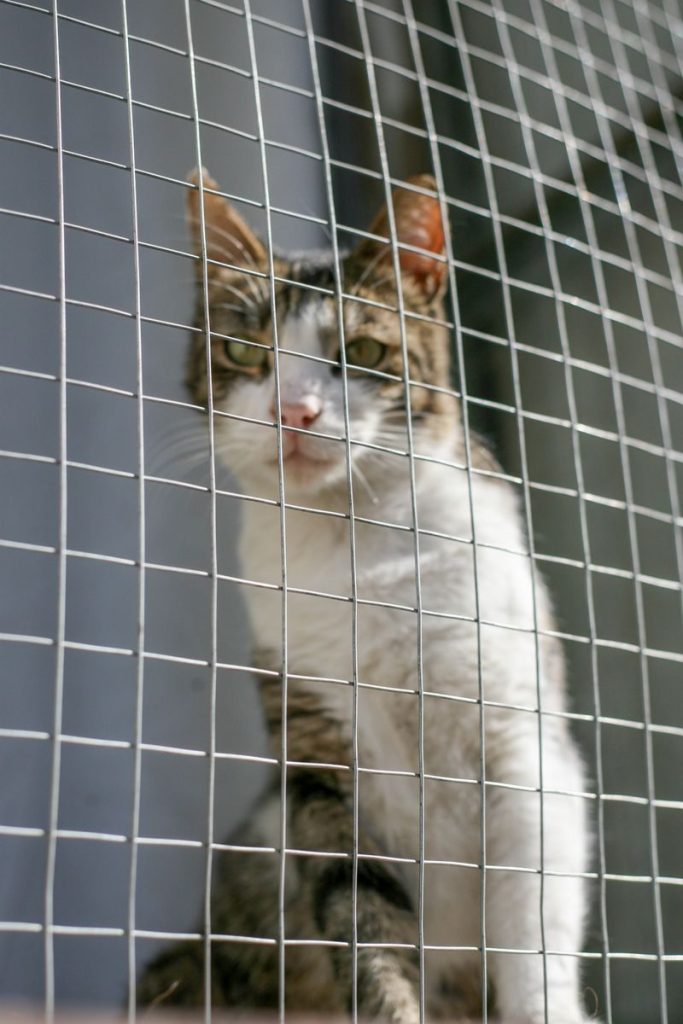
Cats and hedgehogs may cross paths in gardens, especially after dark, but that does not automatically make them enemies. The RSPCA notes that cats are not typically a major threat to hedgehogs and may simply watch them with curiosity. Even so, wildlife should be given space rather than encouraged into close contact for a funny reaction. Understanding how hedgehog defenses work helps explain why a cautious cat may approach, pause, or retreat without assigning human thoughts such as “regret” to a moment that is better described as normal investigation and self-protection.
Hedgehogs Use Spines for Defense

A hedgehog’s most obvious defense is its covering of stiff spines. These modified hairs form a protective layer across much of the animal’s back and sides. When a hedgehog senses danger, muscles can raise the spines so they point outward, making the animal difficult and uncomfortable for many predators to grab. Unlike a cartoon cactus, the hedgehog is not trying to attack anything that comes close. The spines mainly provide passive protection. A curious cat that reaches toward one is therefore meeting a defense designed to make close physical contact less appealing.
Hedgehogs Can Curl Into a Ball
Hedgehogs can strengthen that defense by curling their bodies into a ball. Animal Diversity Web explains that this posture hides the face, limbs, and softer underside while leaving the spines facing outward. Specialized muscles help pull the skin around the body, creating a compact defensive shape. This response is useful when escape is difficult or the animal feels threatened. If a cat approaches and the hedgehog curls up, the best human response is not to encourage another investigation. Giving the hedgehog distance allows it to relax and move away when it feels safe.
Hedgehog Spines Stay Attached
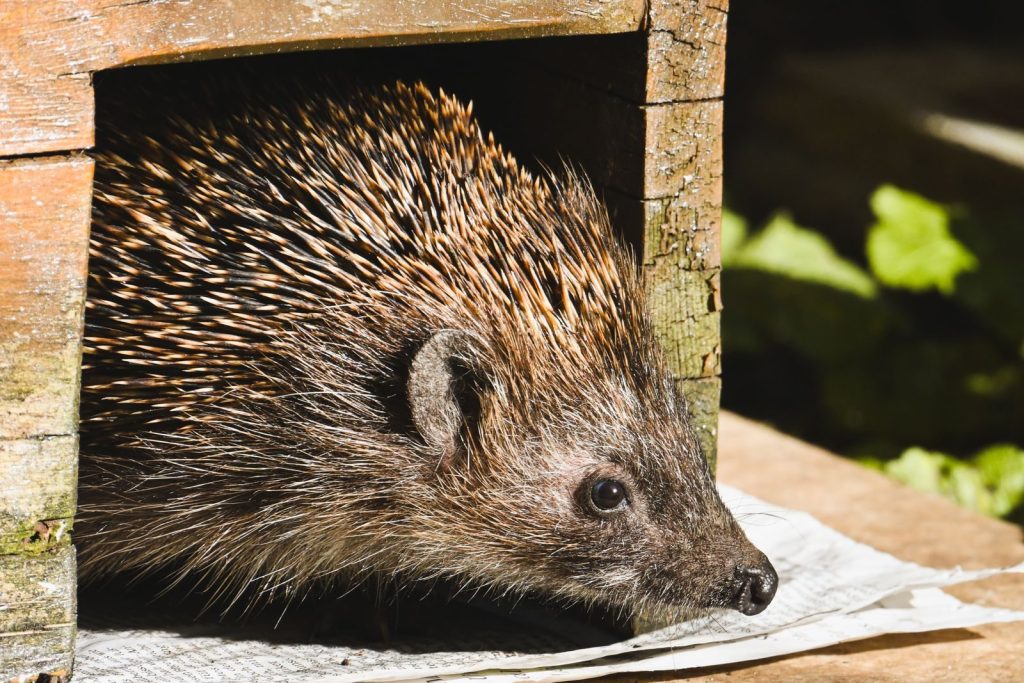
Hedgehog spines are different from the quills of a porcupine, an important distinction when people casually describe any prickly animal the same way. Hedgehog spines are unbarbed and do not normally detach when touched. Porcupine quills, by contrast, can lodge in another animal and may require veterinary removal. That means a brief encounter with a hedgehog should not automatically be described as a porcupine-style quill injury. Accurate identification matters, especially if a pet has been hurt. If the species is uncertain, keeping the pet away and seeking expert advice is safer than guessing.
Cats Often Watch From a Distance
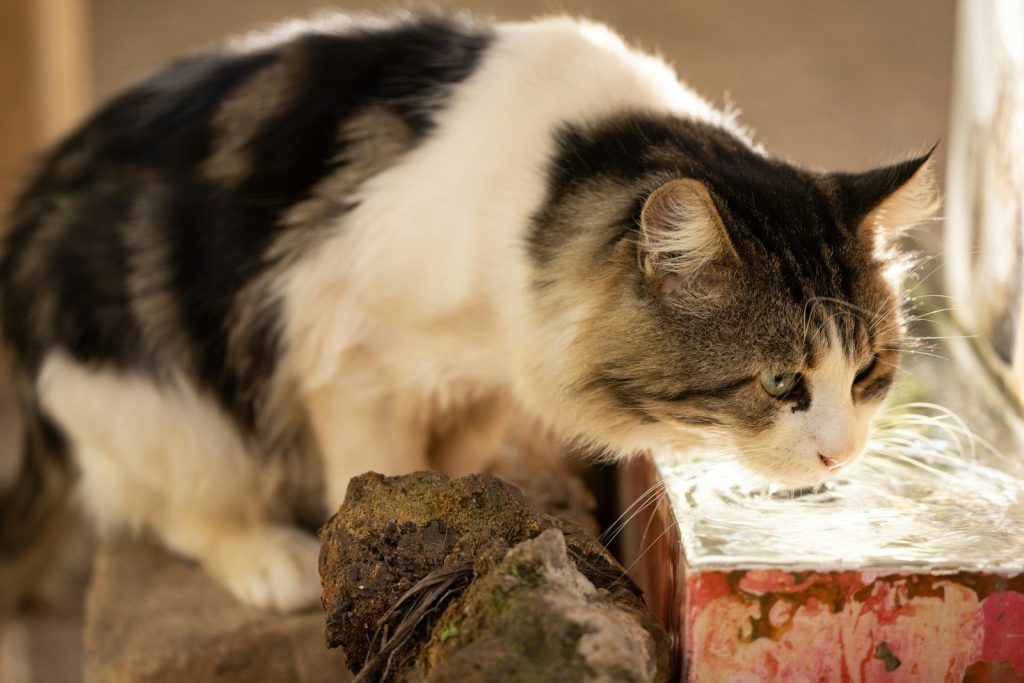
Domestic cats may notice hedgehogs because both can be active outside during the evening or night. The RSPCA says cats are not generally considered a major danger to hedgehogs; many will keep their distance or simply observe. Individual animals can behave differently, however, so a calm encounter should not be treated as permission to stage repeated meetings. A cat may paw, sniff, stalk, or retreat depending on the situation. Owners can reduce unnecessary conflict by supervising pets where possible and allowing wild animals to move through the garden without being cornered or handled.
Curiosity Can Still Cause Stress
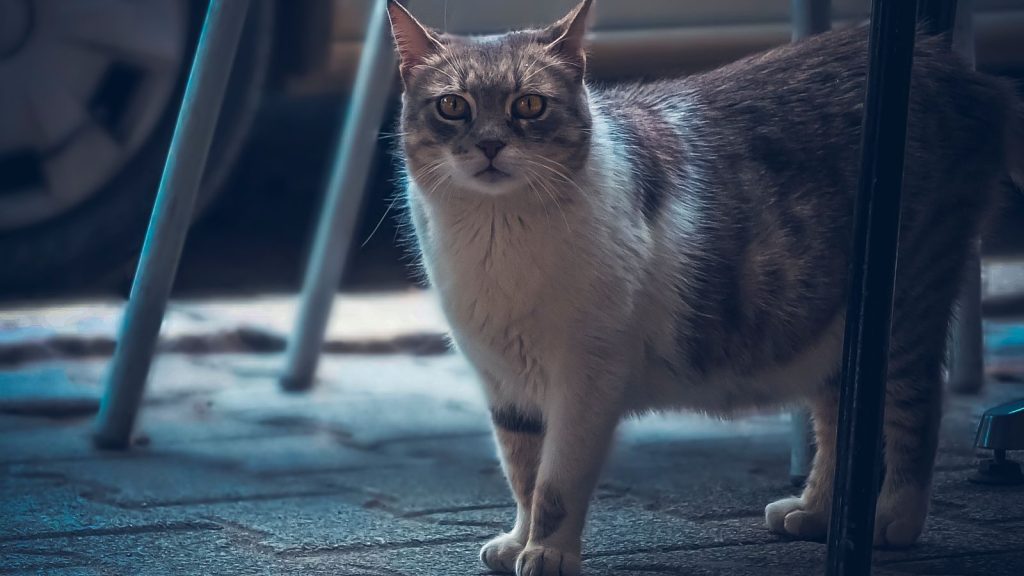
Curiosity is normal feline behavior, but curiosity does not make every object or animal safe to touch. A hedgehog may remain still, raise its spines, or curl up when disturbed, all of which are signs that close contact should stop. People sometimes find these encounters funny because a cat appears surprised by the texture, yet the wildlife perspective matters too. Repeated prodding can stress the hedgehog even when no visible injury occurs. The responsible approach is simple: do not position pets beside wildlife for entertainment, and let both animals create distance on their own.
Gardens Can Be Safer for Hedgehogs

Gardens can be made safer for hedgehogs without encouraging direct interaction with pets. The RSPCA recommends checking long grass, leaf piles, and similar hiding places before using strimmers or garden machinery. Bonfires should also be checked before lighting because hedgehogs may shelter inside stacked material. Ponds need an easy escape route, and loose netting can become a trap. These precautions address much larger risks than a curious cat’s brief inspection. A wildlife-friendly garden works best when hedgehogs can feed, shelter, and travel without being handled or deliberately drawn into pet encounters.
Cats May Steal Hedgehog Food
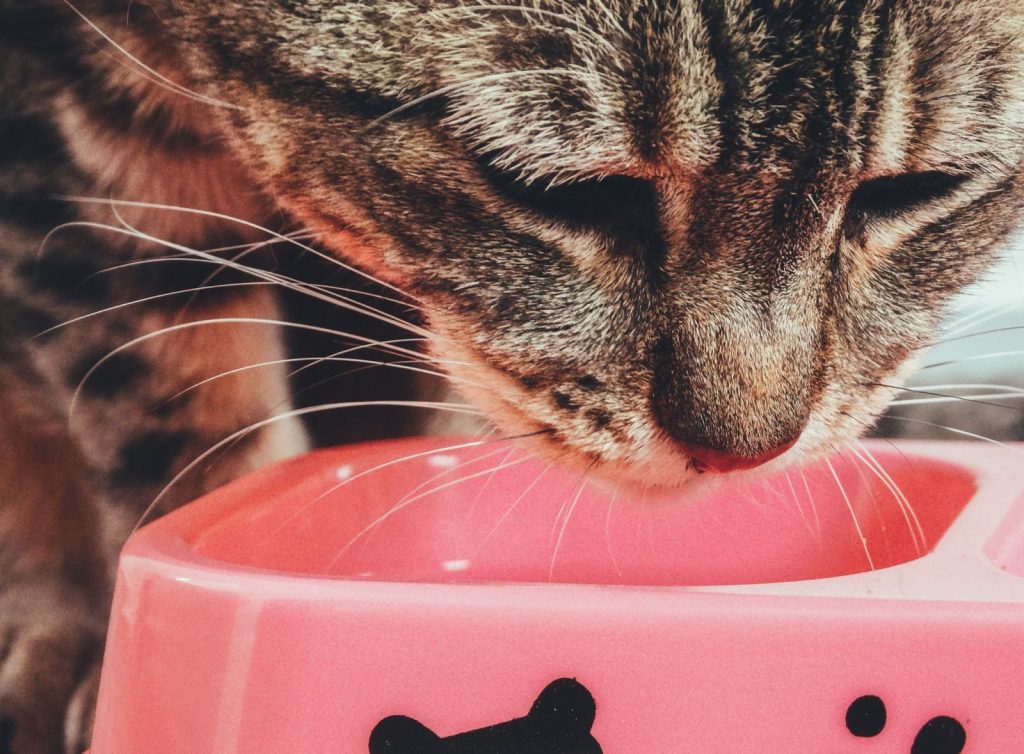
Food can create another point of contact between cats and hedgehogs. The RSPCA notes that cats may steal food left out for hedgehogs, so feeding stations should be arranged with that possibility in mind. Fresh water can be helpful, while unsuitable foods should be avoided. Leaving food does not mean people should try to tame or touch visiting hedgehogs. They remain wild animals. If a household cat becomes fixated on the feeding area, moving the dish, using a more protected station, or keeping the cat indoors during peak activity can reduce repeated disturbances.
Injured Wildlife Needs Expert Help

A single funny-looking encounter should not become a reason to test how many times a cat will touch a hedgehog. The more useful takeaway is that both animals communicate through behavior: the cat may investigate, while the hedgehog may rely on its spines and defensive curl. Neither response needs a human-style story attached to it. If a hedgehog appears injured, trapped, unusually exposed in dangerous conditions, or unable to move normally, contact a wildlife rescue or veterinarian for advice. Otherwise, healthy wildlife is generally best observed from a respectful distance.
Featured Image: Photo by Daniel Brzeziński on Pexels


