A person returning home after a lengthy hospital stay or major physical change may wonder whether their cat will still recognize them. Cats do not rely on one visual snapshot of a person. Familiar sounds, smells, routines, movements, and previous interactions can all contribute to recognition. Cats Protection notes that cats can recognize familiar people through cues such as smell and sound, while research has also shown that domestic cats distinguish their owner’s voice from unfamiliar voices. That makes recognition more complex than simply noticing whether somebody’s body looks different.
At the same time, a cat may react cautiously when something about a familiar person suddenly changes. Different clothing, hospital odors, mobility aids, altered walking patterns, medication scents, or a disrupted household routine may all provide unfamiliar sensory information. None of that proves the cat understands cancer, surgery, or amputation in human terms. A cat that stares, sniffs, approaches slowly, hides, or becomes unusually attentive should be described through observable behavior rather than given a precise emotional story the evidence cannot establish.
Familiar Smell Is Important
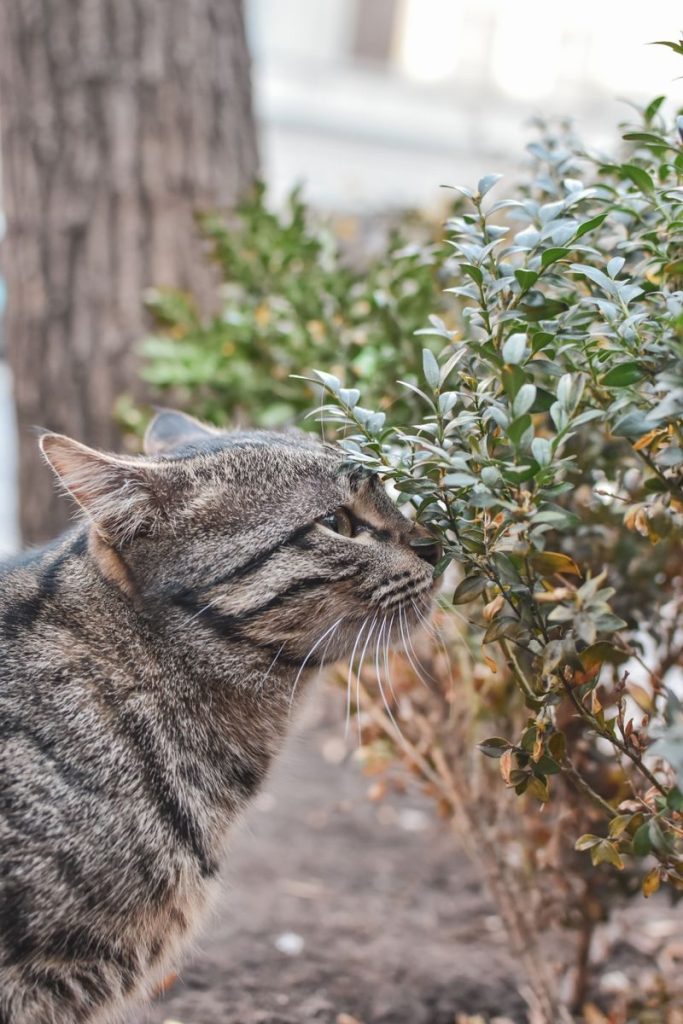
Smell is an important part of how cats gather information about people and their environment. Cats Protection notes that familiar scent can help a cat recognize someone after time apart, while recent research indicates cats can distinguish familiar human odor from unfamiliar human odor.
A person returning from hospital may carry unfamiliar smells from medical environments, cleaning products, medications, or new clothing. It is reasonable to infer that those changes could attract additional sniffing or caution, but they do not mean the cat has forgotten its person. Recognition uses more than one cue.
A Familiar Voice Still Matters
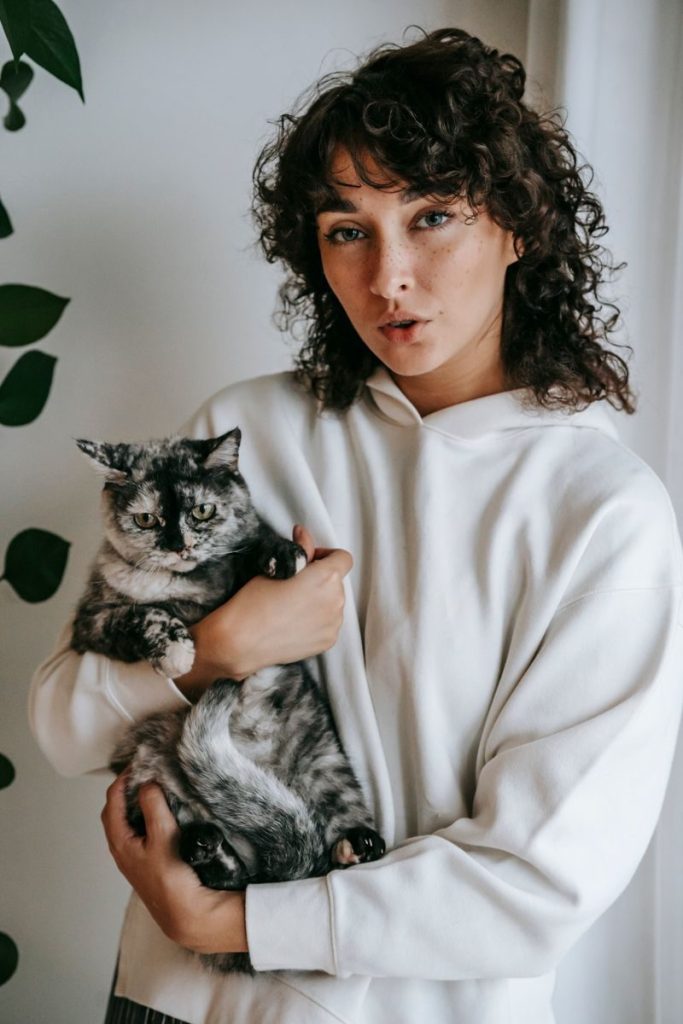
Domestic cats have demonstrated the ability to distinguish their owner’s voice from unfamiliar human voices. That means a person who looks or moves differently can still provide an auditory cue the cat has encountered many times before.
A cat may turn its ears, head, or body toward a familiar voice without rushing over for affection. Recognition and visible excitement are not the same thing. Some cats respond subtly, while others approach immediately. Owners should avoid using one dramatic reaction as a test of the relationship. Quiet speech and normal interaction can provide familiar information without pressuring the animal.
Walking Differently Is Noticeable
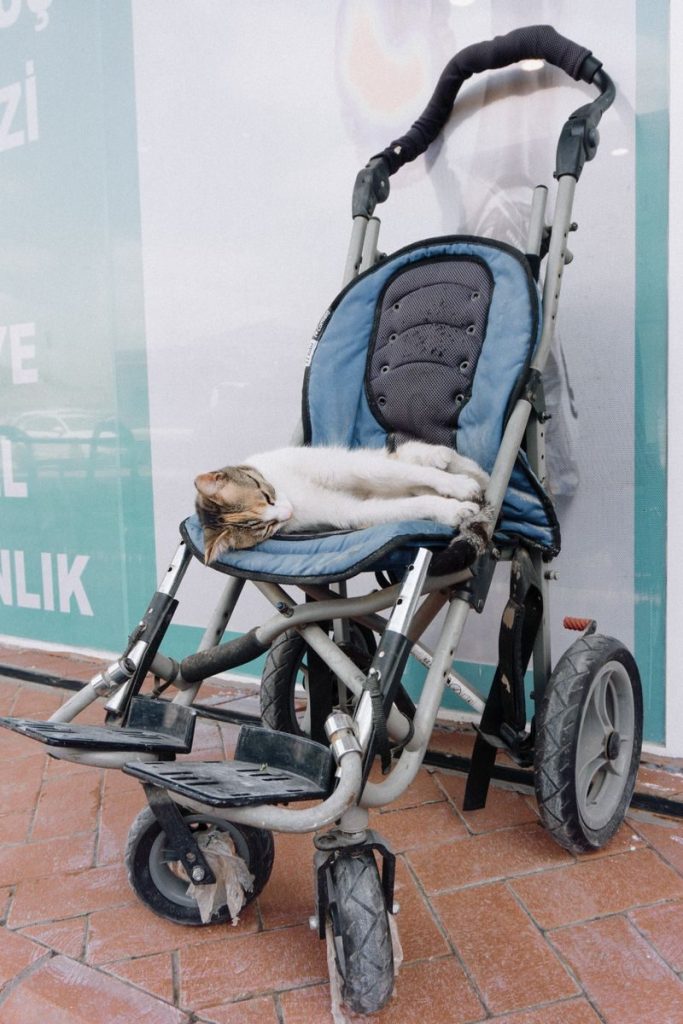
Cats observe movement closely, so a major change in somebody’s gait or the addition of crutches, a prosthesis, walker, or wheelchair can alter the familiar visual and sound pattern associated with that person.
There is no evidence that a cat automatically understands why the change happened. The animal may simply encounter a combination of new movement, noises, shapes, and routines. Giving the cat space to investigate voluntarily is usually more appropriate than placing it directly beside unfamiliar mobility equipment. Calm repetition allows previously novel sights and sounds to become part of the household environment.
Hospital Scents Can Be Unfamiliar
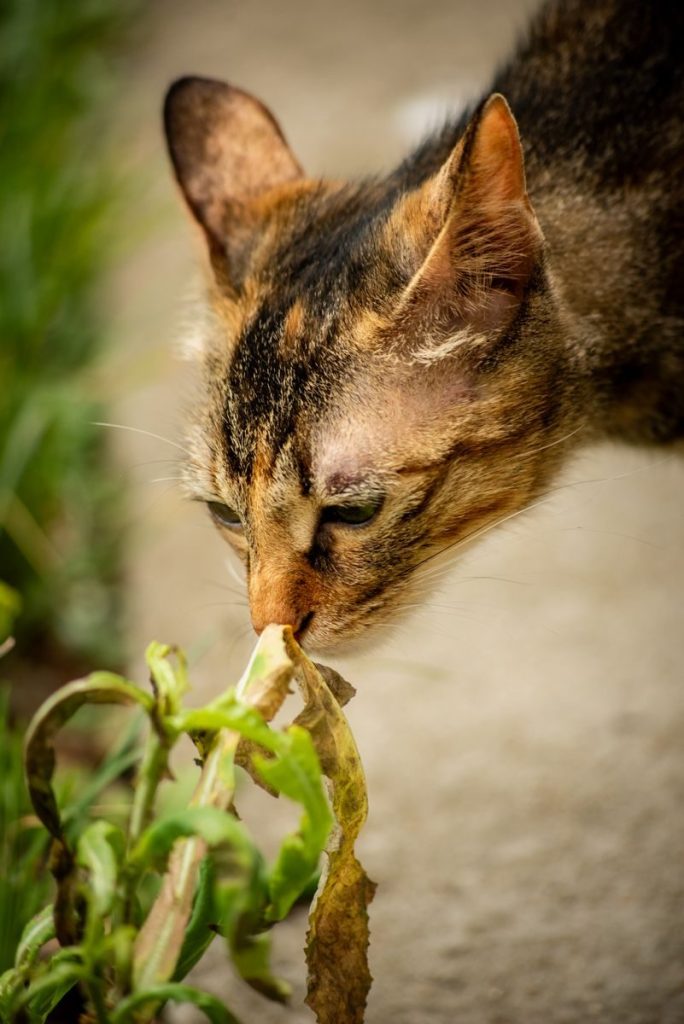
Cats possess a strong chemical-sensing system and respond to odors that people may barely notice. VCA notes that cats also use a vomeronasal organ to detect chemical signals, emphasizing how important scent information can be in feline life.
Someone returning from medical care may smell different because of disinfectants, dressings, medications, or products used away from home. different because of disinfectants, dressings, medications, or products used That does not necessarily create rejection. A cat may simply need time to sniff and process the changed scent profile alocation, and established routines. citeturn602930search11turn602930search5
Household Routines May Have Changed
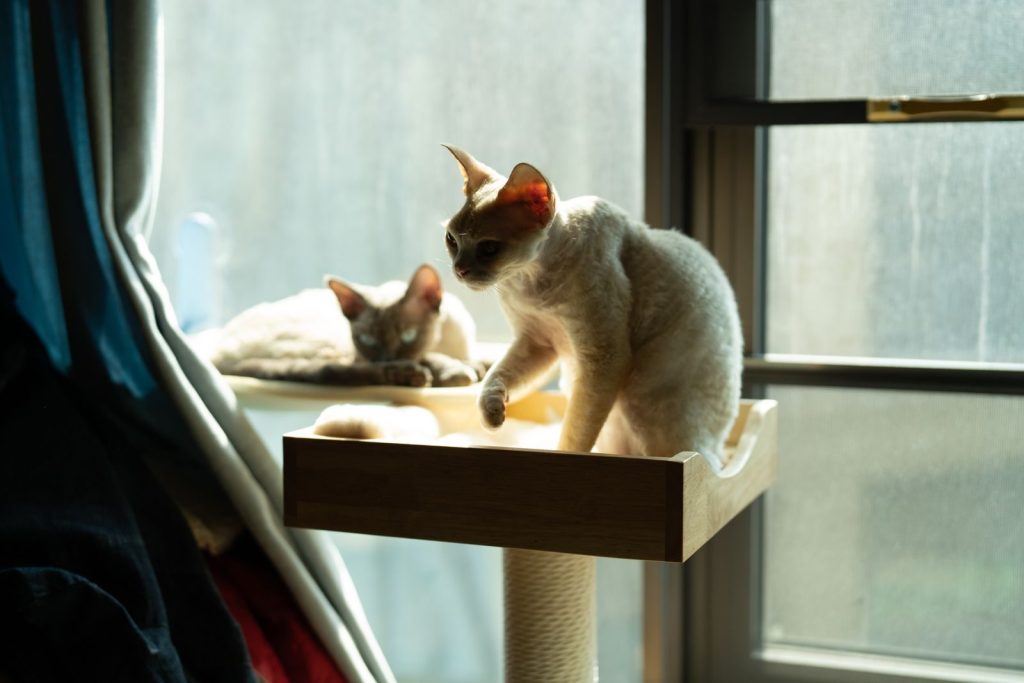
A long absence can alter feeding times, sleeping arrangements, play schedules, household traffic, and who provides daily care. Cats often respond strongly to environmental and routine changes, so the returning person may be only one part of a larger adjustment.
Restoring predictable routines where possible can make the household easier for the cat to interpret. Food, litter-box maintenance, play, resting areas, and quiet periods can provide continuity. If the person recovering from surgery cannot immediately resume old activities, another caregiverdually adjusts to the new normal. citeturn602930search7turn602930search15
Let the Cat Approach First

A cat that seems uncertain should be allowed to investigate at its own pace. Sitting quietly, speaking normally, and allowing the cat to approach provides more control than immediately reaching, lifting, or pulling the animal close.
Cats Protection commonly recommends giving cats time and space when they are adapting to unfamiliar circumstances. That principle also makes sense when a familiar person suddenly presents new sensory information. A cautious sniff followed by retreat is not proof of rejection. The cat maformation before choosing whether to approach again. citeturn602930search2
Avoid Giving the Reaction a Script

People naturally interpret cat behavior through human emotions, especially during emotionally intense events such as illness or recovery. A cat sitting beside someone may feel deeply meaningful, but the behavior alone cannot prove the animal understands cancer, amputation, grief, bravery, or recovery.
Accurate storytelling separates observation from interpretation. It is fair to say a cat approached, sniffed, vocalized, stayed close, hid, or climbed onto a lap. It is much harder to prove exactly why. That distinction less meaningful; it simply keeps the story credible. citeturn602930news38
Persistent Stress Deserves Attention

Most temporary curiosity or caution around a household change may settle as the new situation becomes familiar. Concern is more appropriate when a cat shows prolonged hiding, appetite changes, inappropriate toileting, persistent aggression, marked withdrawal, or other significant changes from its usual behavior.
Cats Protection advises veterinary assessment when owners are worried about stress or meaningful behavioral changes because physical illness can sometimes appear as altered behavior. The cause should not automatically be blamed on the returning person or new mobility aid. Persistent phan social-media interpretation.
Featured Image: Photo by Helena Lopes on Pexels