
A stray cat became stranded on the roof of a six-story building in Kars, Türkiye, on July 31, 2026. Three women inside the building spotted the animal but faced a difficult problem: reaching the rooftop directly could put them in serious danger.
Instead of climbing after the cat, Ayse Gurbuz, Tugce Duman, and Meryem Yilmaz created an unusual route from a nearby window. They carefully extended an ironing board toward the roof, turning an ordinary household item into a temporary bridge the cat could use to reach safety.
The Cat Was on the Roof
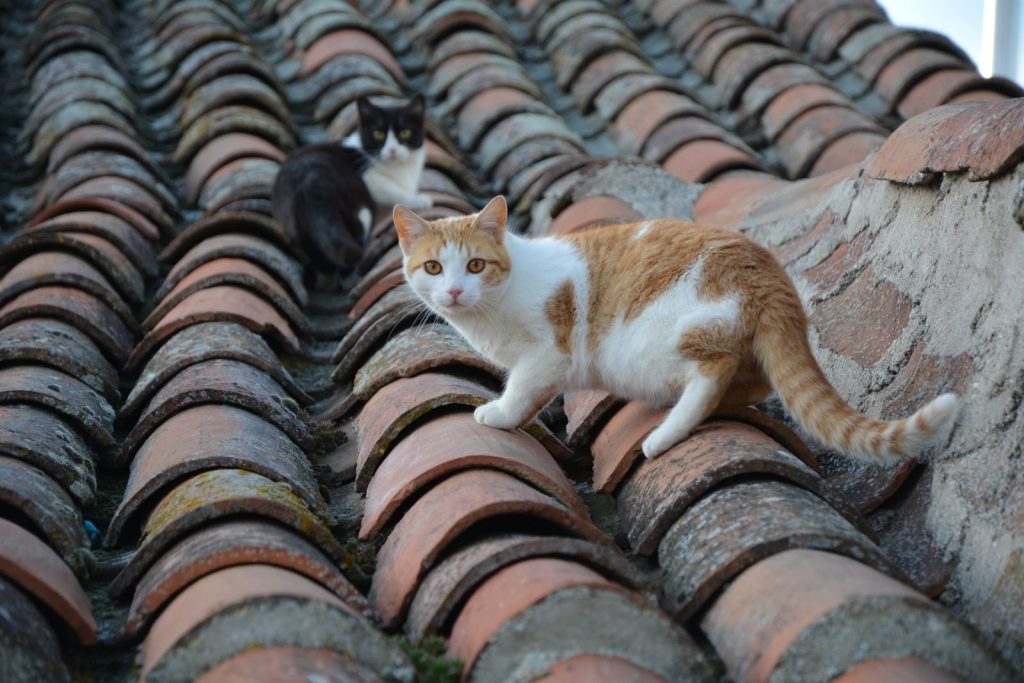
The cat was stranded on the roof of a six-story residential building in Kars, a province in northeastern Türkiye. At that height, attempting to climb outside without proper equipment could have placed rescuers in serious danger. The animal also had limited options for getting from the roof to the nearby window safely. The challenge was therefore not simply reaching the cat. The women needed to create a route the animal could use voluntarily while they remained inside the building, where they could assist without stepping onto the exposed rooftop themselves.
Three Women Spotted the Cat
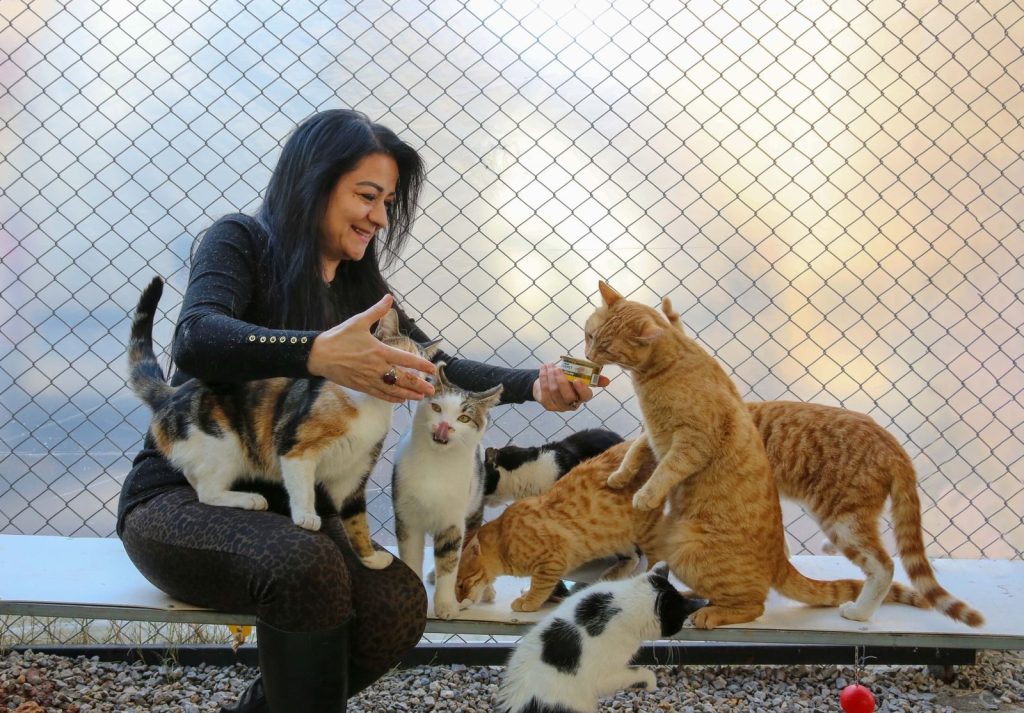
Ayse Gurbuz, Tugce Duman, and Meryem Yilmaz were identified by Anadolu Agency as the three friends involved in the rescue. After spotting the stranded cat, they decided to help rather than leave the animal on the rooftop. Their approach focused on creating access from inside the building instead of pursuing the cat across the roof. That choice mattered because frightened animals can move unpredictably when people close in on them. Keeping the rescuers in a more secure position also reduced the chance that a compassionate rescue attempt would result in a dangerous human fall.
An Ironing Board Became a Bridge

The women used an ironing board as a temporary bridge between their window and the rooftop. The idea was simple: instead of trying to lift the cat across the gap, they created a surface the animal could walk over by itself. The board was not ordinary rescue equipment, and its success depended on the specific distance and layout of this building. The story should therefore be viewed as one careful improvisation, not a general instruction for high-rise animal rescues. Any improvised route must be stable enough to avoid creating a new danger.
The Window Offered Access
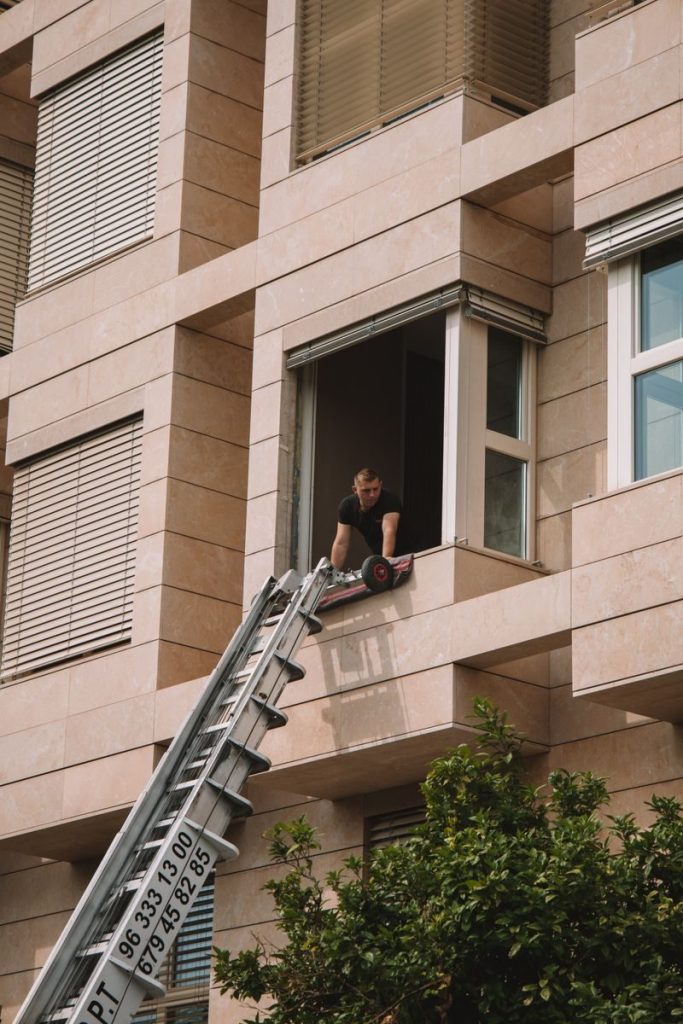
The nearby window gave the women a position from which they could extend the board without climbing onto the roof. That made the geometry of this particular rescue unusually favorable. A different building might have a wider gap, an unstable roof edge, electrical hazards, or no secure place from which to work. Those differences matter because a method that succeeds once is not automatically safe elsewhere. The useful principle is broader than the ironing board itself: whenever possible, create a secure route for the animal while keeping people away from unnecessary fall risks.
The Cat Crossed Carefully
Once the board was in place, the cat still had to choose whether to use it. A frightened animal cannot be expected to understand immediately that an unfamiliar object has been placed there as a rescue route. Giving the cat time to inspect the board and move voluntarily reduced the need for direct handling near the roof edge. Forcing, chasing, or grabbing an anxious cat at height could make it jump or retreat into a harder-to-reach position. The success depended on the cat accepting the improvised path and crossing toward the window.
They Tried Not to Scare It
Anadolu Agency reported that the three women carried out the rescue carefully so they would not frighten or harm the cat. That detail is important because a stranded animal may already be stressed, and sudden movements or loud attempts to capture it can make the situation less predictable. Remaining calm and allowing an animal to use a safe route can sometimes be more effective than physically grabbing it. If a cat at height appears injured, trapped by equipment, or unable to move, however, professional rescuers may be needed rather than waiting for it to climb down alone.
Human Safety Comes First

The happy ending does not make high-roof rescues safe for untrained people. Falling from an upper story can cause catastrophic injury, and no animal rescue should require someone to lean dangerously from a window, walk on an unstable roof, or trust equipment that cannot support the intended load. If a stranded cat cannot be reached from a secure position, building management, animal rescue services, firefighters, or other appropriate local professionals may be safer options. The ironing-board rescue worked under one specific set of circumstances; human safety still has to come first in another situation.
The Cat Reached Safety

The improvised bridge successfully gave the stranded cat a way off the roof. Video from the incident shows why the rescue attracted attention: an everyday ironing board became the unexpected object that connected the animal with safety. The confirmed account does not need extra drama about how long the cat had been trapped or why it climbed onto the roof, because those details were not established. What is known is enough: three women saw a stranded stray cat, created a careful route from their window, and completed the rescue without harming the animal.
A Simple Idea Solved It
The most memorable part of the rescue is not that an ironing board is somehow ideal animal-rescue equipment. It is that the women recognized the real problem—a gap between the cat and a safe indoor space—and found a simple way to bridge it. Their solution matched the specific building and was used cautiously. That combination of creativity and restraint is the useful lesson. Animal rescues can require improvisation, but good improvisation means reducing risk rather than adding it. When the danger is greater than ordinary household measures can safely handle, professionals remain the better choice.
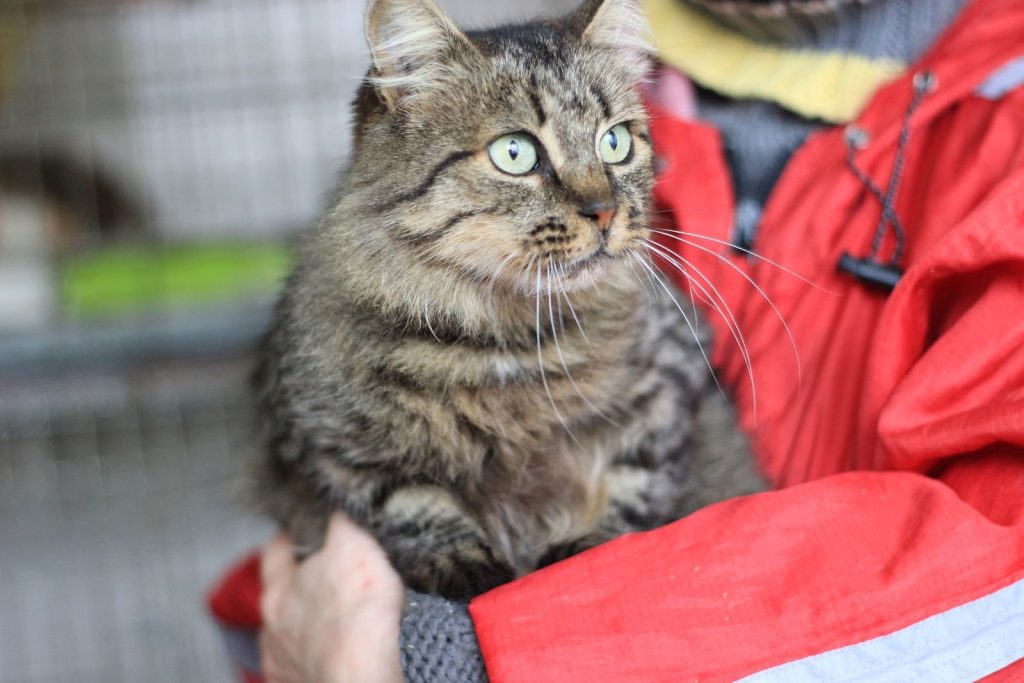
Featured Image: Photo by Hakan Kayahan on Pexels