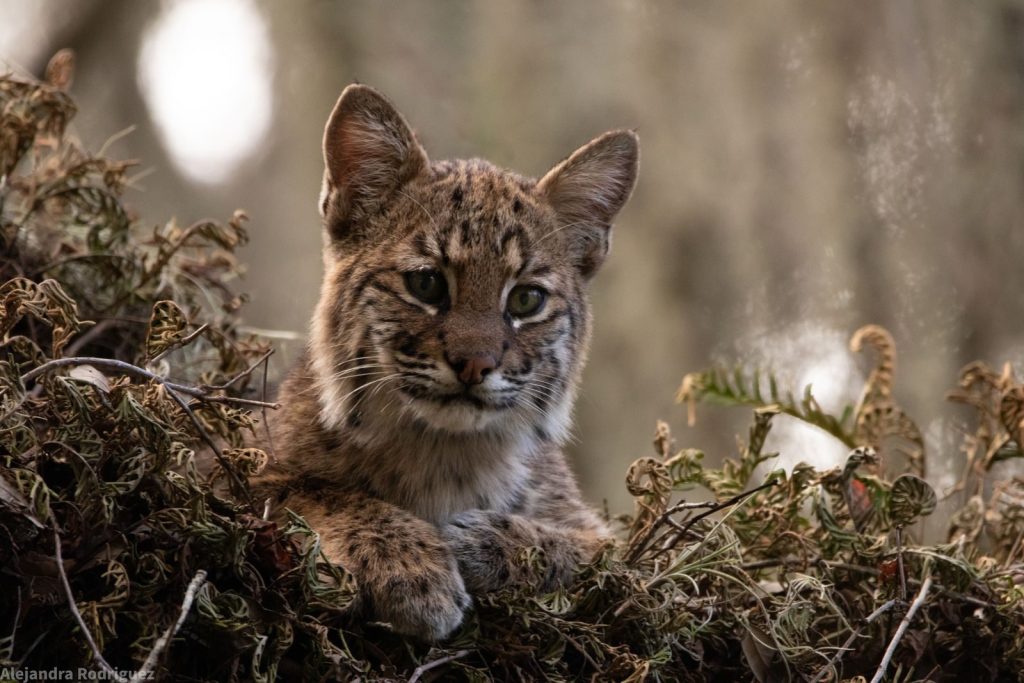

Erika Mendina thought she had spotted the kind of tiny stray cat many animal lovers would instinctively want to help. According to a Parade Pets report published in August 2026, she was preparing to pick up the youngster and put it in her car when a closer look changed everything. The animal was not a domestic kitten at all. It was a young bobcat, a wild North American cat that can resemble a house kitten at first glance when it is still small.
Mendina chose not to take the young bobcat with her, which avoided turning a well-intentioned rescue into unnecessary wildlife handling. The report does not establish whether the youngster was orphaned, injured, or simply separated briefly from its mother, so those details should not be invented. Bobcat kittens can remain dependent on their mothers for many months. Wildlife agencies also advise people not to touch or feed wild animals unnecessarily. The safest lesson from the encounter is simple: identify first, then decide whether professional help is actually needed.
It Looked Like a Kitten
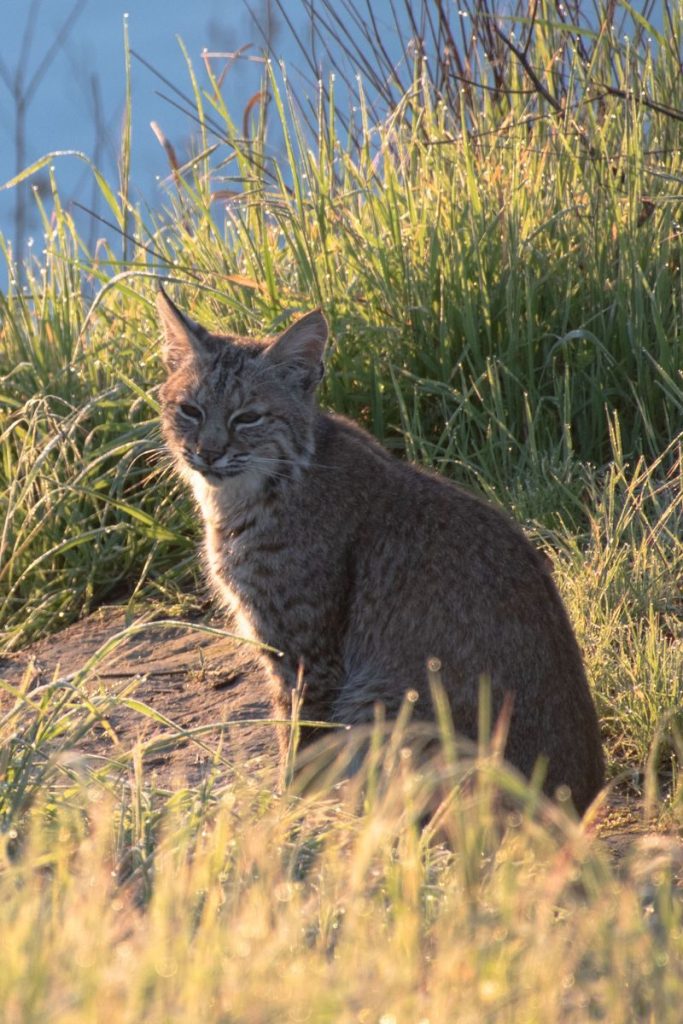
The encounter became memorable because the young bobcat initially looked enough like a domestic kitten to trigger Mendina’s rescue instinct. Small wild cats share many familiar feline features, including rounded faces, soft coats, upright ears, and kitten-like movements. That similarity can make identification difficult when the animal is young and seen only briefly. Instead of assuming that every small cat outdoors is a lost pet, it is safer to pause and look for several identifying features. A photograph taken from a respectful distance can also help wildlife professionals confirm what you found.
The Short Tail Stood Out
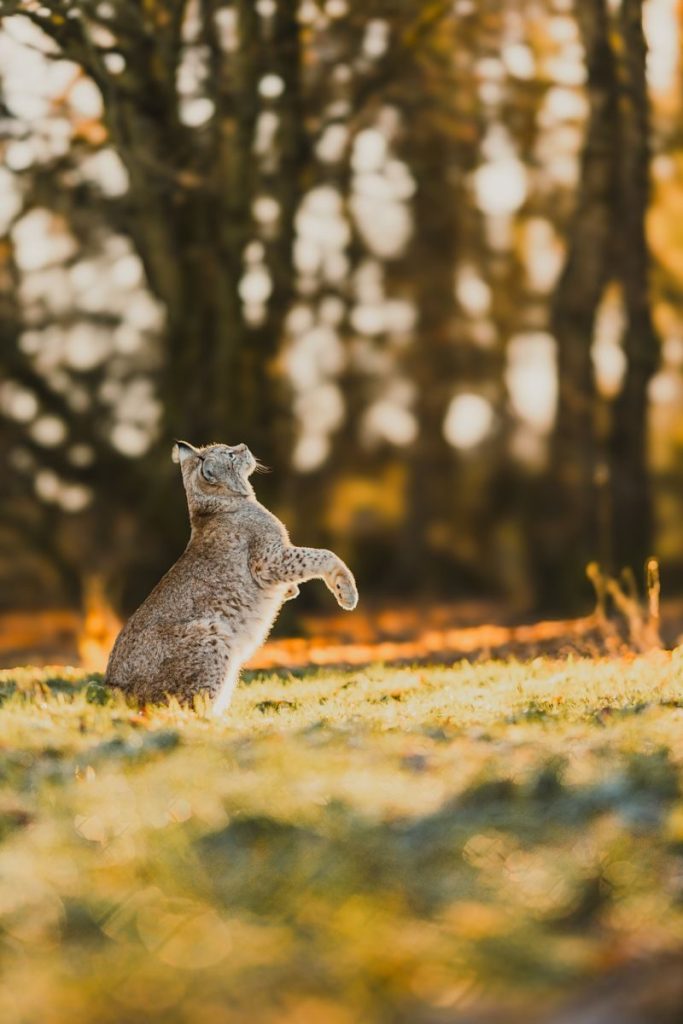
One of the strongest bobcat clues is the short, stubby tail that gives the species its name. The National Park Service describes the tail as a major identifying feature, often reaching only about nine inches in adults. A short tail alone does not prove an animal is a bobcat because some domestic cats are naturally bobtailed. It becomes more useful when seen with other features such as spotted fur, facial ruffs, and ear tufts. Looking at several traits together is much safer than relying on one dramatic detail.
Spots Add Another Clue
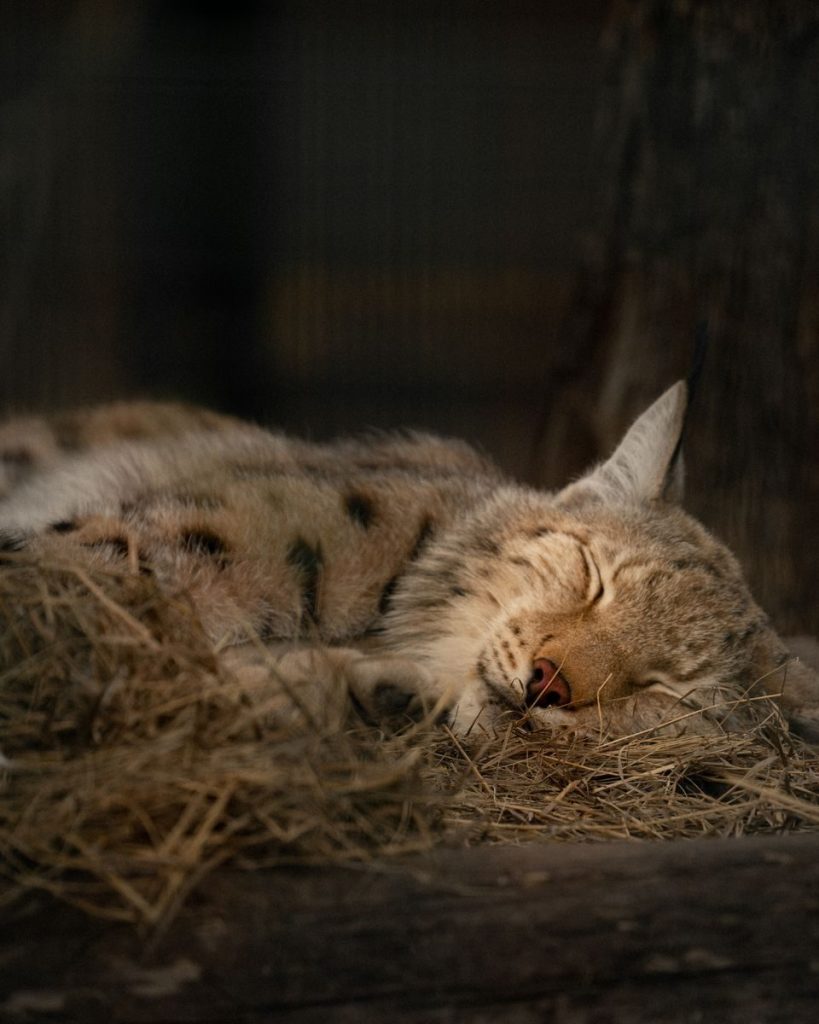
Bobcats commonly have reddish-brown or tan upper coats marked with black spots or streaks, along with lighter fur underneath. Young bobcats can show these markings clearly, which may help separate them from many ordinary domestic kittens. Coat pattern still cannot be used by itself because house cats come in an enormous range of colors and markings. The useful approach is to combine the pattern with the short tail, ear shape, facial features, body proportions, and location. When identification remains uncertain, wildlife professionals can make the call without the animal being handled first.
Ear Tufts Can Help
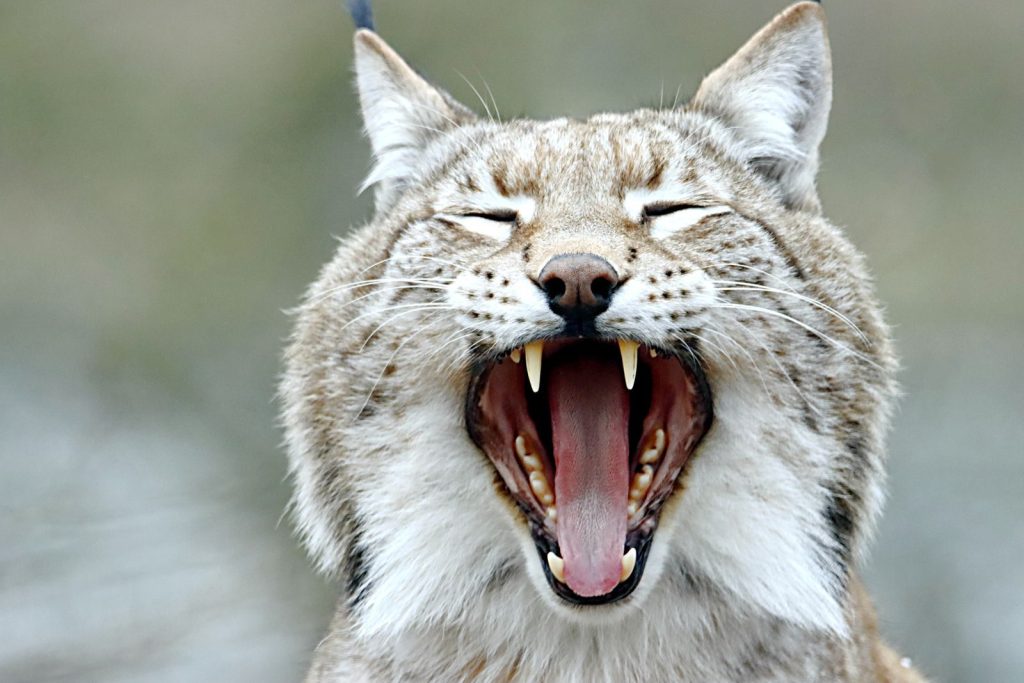
Tufts of hair at the tips of the ears are another feature associated with bobcats, although the size and visibility can vary. The National Park Service also notes the species’ facial ruff, which creates a fuller appearance around the cheeks. Domestic cats can have ear furnishings and fluffy cheeks too, so neither feature is a perfect test. Together with a short tail and spotted coat, however, they strengthen the identification. The safest goal is not to become an instant wildlife expert, but to recognize when an unusual “kitten” deserves more careful observation before anyone picks it up.
Mom May Be Nearby
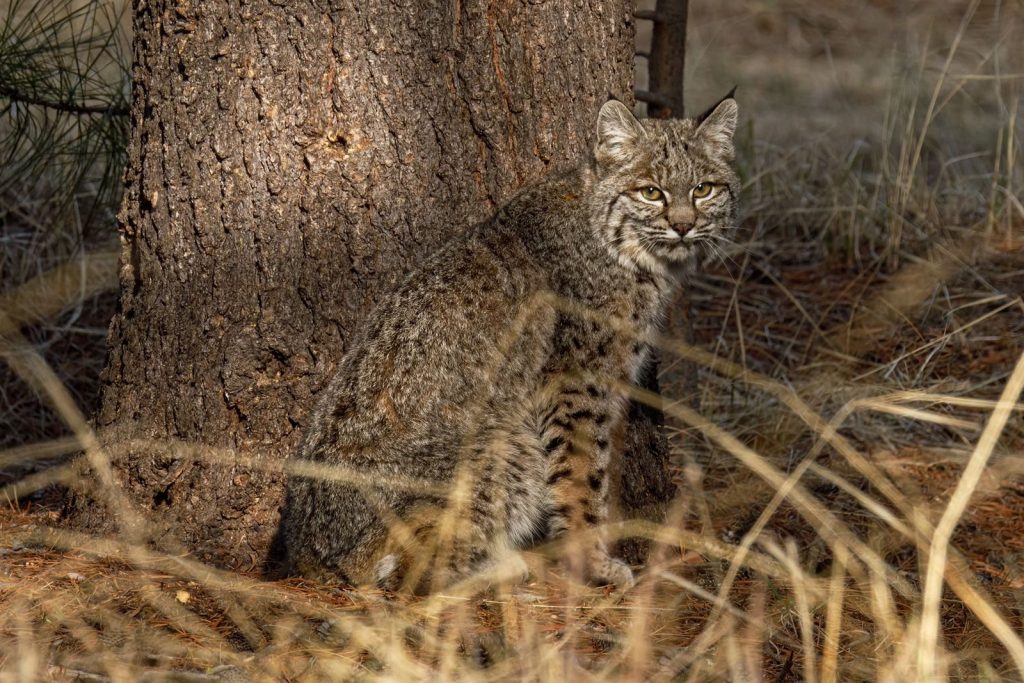
Seeing a young bobcat alone does not prove that its mother has abandoned it. National Park Service information says bobcat kittens stay with their mother for months while they learn to hunt and become independent. Mothers may leave young temporarily while moving or hunting, and human presence can make a cautious adult stay out of sight. In Mendina’s case, the available report does not confirm where the mother was. That uncertainty is exactly why a healthy-looking wild youngster should not automatically be removed simply because no adult is visible at that moment.
Do Not Pick It Up
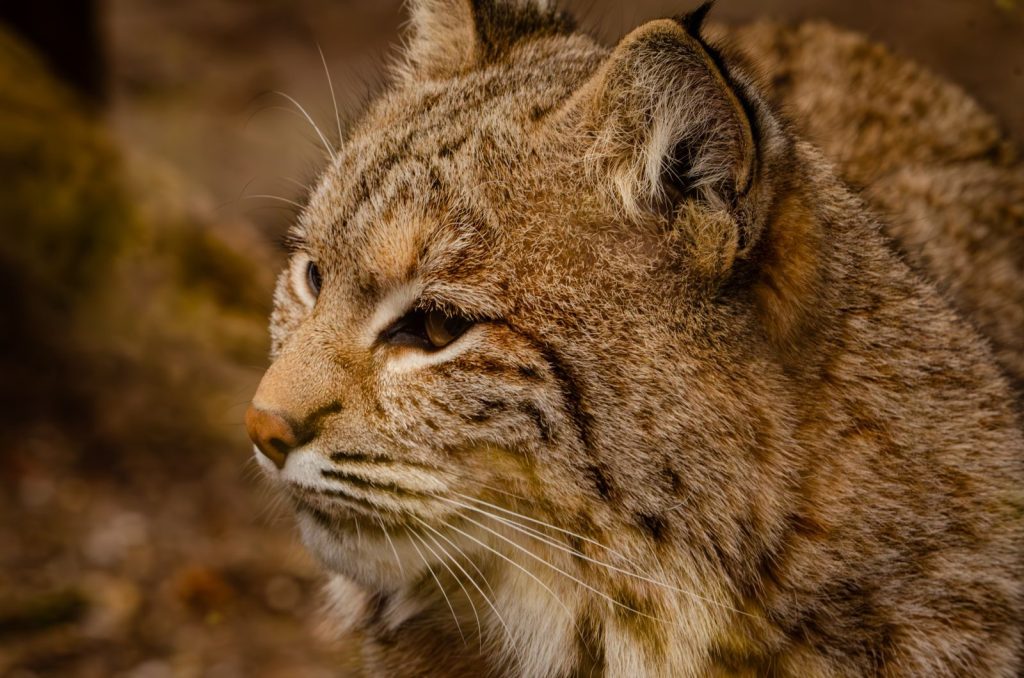
Wildlife guidance consistently recommends keeping distance rather than touching, feeding, or carrying healthy wild animals. A bobcat kitten may look small and harmless, but it still has sharp teeth and claws and can become defensive when restrained. Handling can also create unnecessary stress or separate the youngster from its mother. If the animal is in a safe place and appears alert and uninjured, observation from a distance is usually the better first step. Dogs, children, and crowds should also be kept away so the situation does not become more dangerous.
Get Help if Injured
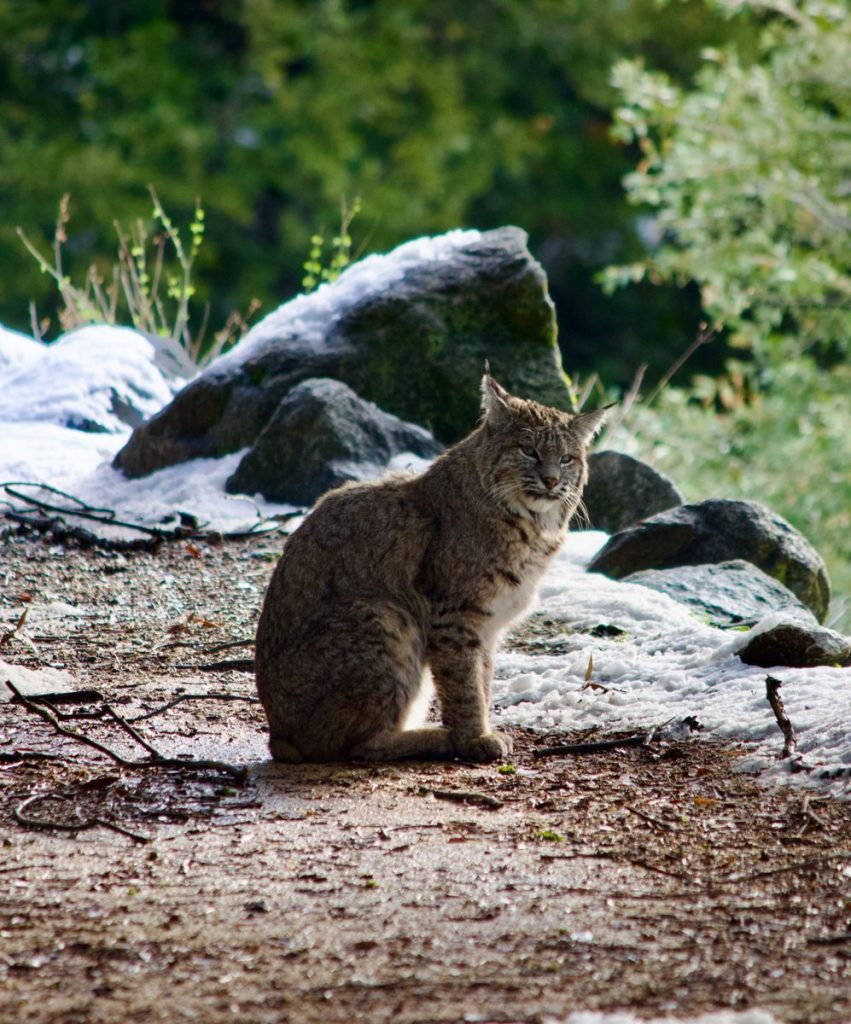
A different response is appropriate when a wild kitten is visibly injured, trapped, unable to move normally, or beside a confirmed dead mother. In those situations, contact a licensed wildlife rehabilitator or the relevant wildlife agency rather than trying to provide home care. Professionals can determine whether rescue is necessary and how the animal should be handled safely. Wildlife rehabilitation is specialized because the goal is usually to return the animal to the wild without encouraging dependence on people. Good intentions matter, but expert assessment protects both the bobcat and the person trying to help.
Leaving Was the Right Choice
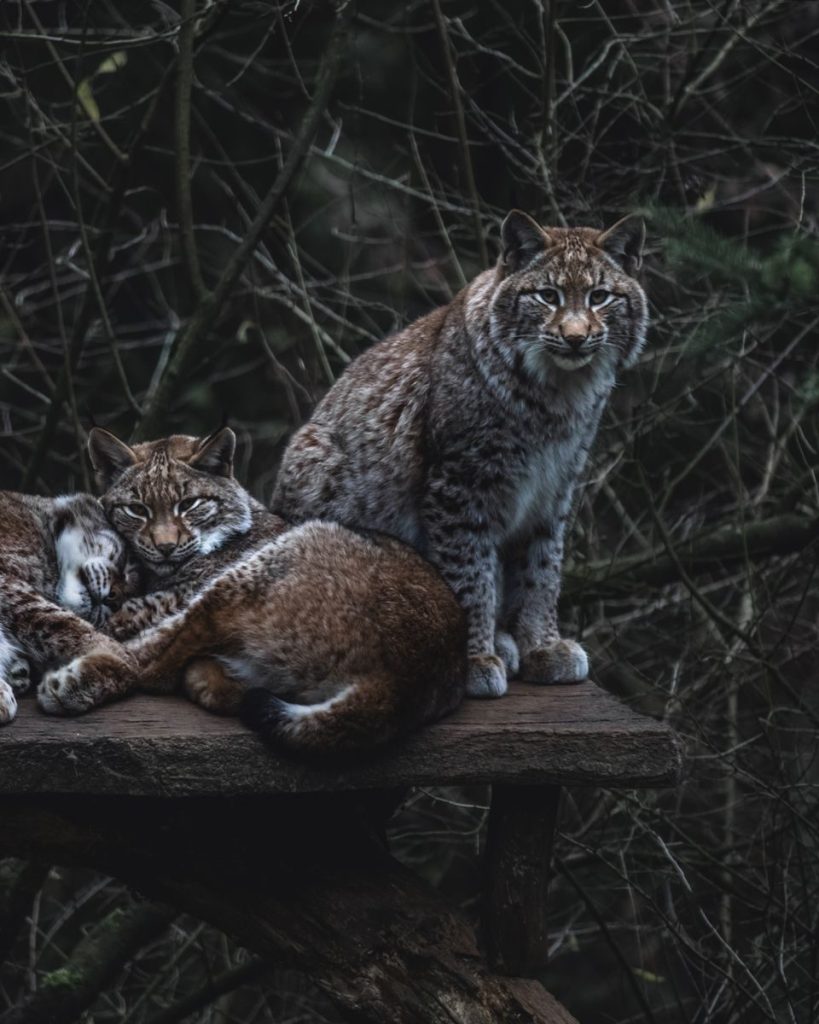
Once Mendina realized the animal was a bobcat, she decided not to put it in her car. Based on the information available, that was the responsible choice because there was no verified evidence that immediate removal was necessary. The encounter is a useful reminder that rescue sometimes means choosing not to interfere. A closer look changed the situation from “stray kitten” to “wild animal,” and the appropriate response changed with it. Helping wildlife begins with accurate identification, safe distance, and professional advice when there are genuine signs that intervention is needed.
Featured Image: Photo by Alejandra Rodriguez on Pexels