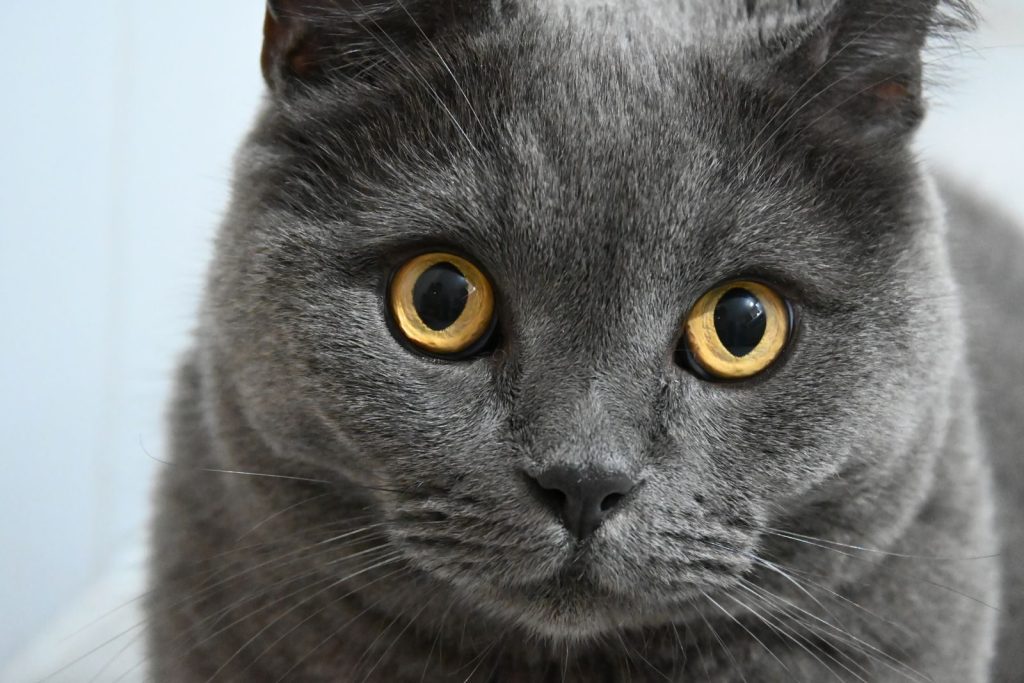

Many people assume domestic cats keep blank, unemotional faces throughout their daily routines. We often think felines show very little expression compared to domestic dogs.
But wide-eyed staring and tilted heads reveal surprising emotional depth in indoor cats. Subtle facial movements communicate clear thoughts to attentive pet owners.
Staring Into Empty Space
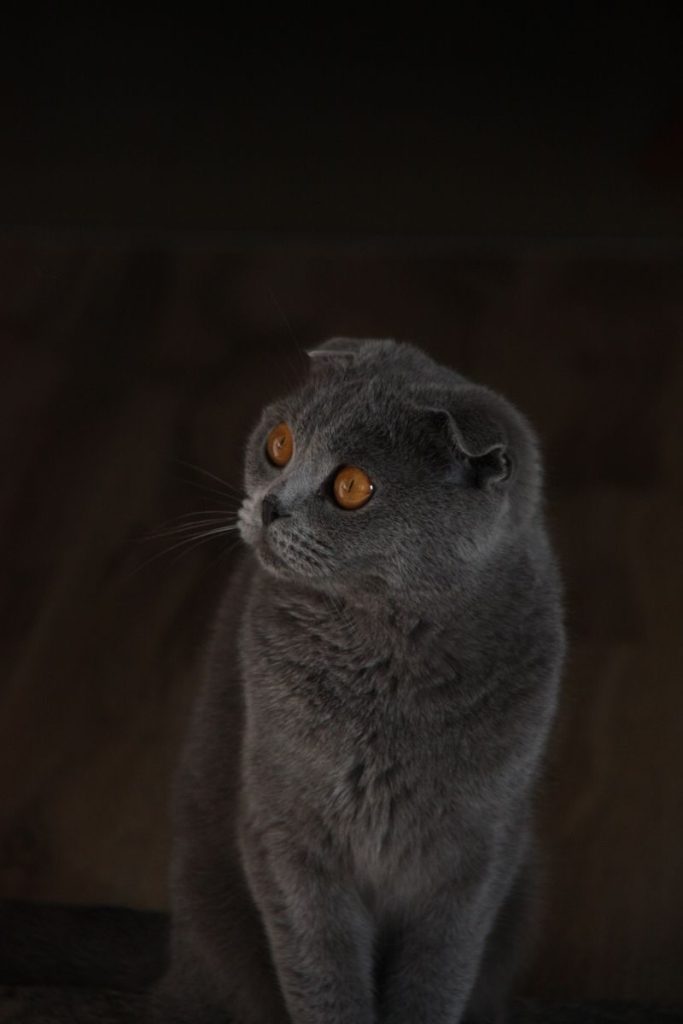
A tabby cat sits motionless on a rug, staring intently at a blank wall corner. Focus remains total. Owners often joke that cats see invisible mysteries in quiet indoor spaces. According to feline sensory research from Ohio State University, cats detect high-frequency sounds and subtle light reflections invisible to human eyes. That intense gaze is actually active sensory processing.
Tilting Heads In Confusion
When hearing a strange squeaky noise, a house cat tilts its head sideways. Curiosity rises fast. This movement shifts ear angles to pinpoint sound locations with absolute scientific precision. According to veterinary auditory studies from the American Veterinary Medical Association, head tilting helps felines calculate sound distance accurately. The funny expression reflects intense auditory focus.
Widening Eyes In Surprise

Dilated pupils and unblinking eyes create a comical look of total astonishment on a cat face. Emotion shows clearly. Sudden environmental changes or unexpected movements trigger immediate pupil expansion in indoor felines. According to feline behavior specialists from Tufts University, pupil dilation allows maximum light to enter the eye during heightened alertness. Their gaze holds deeper meaning.
Squinting With Deep Affection
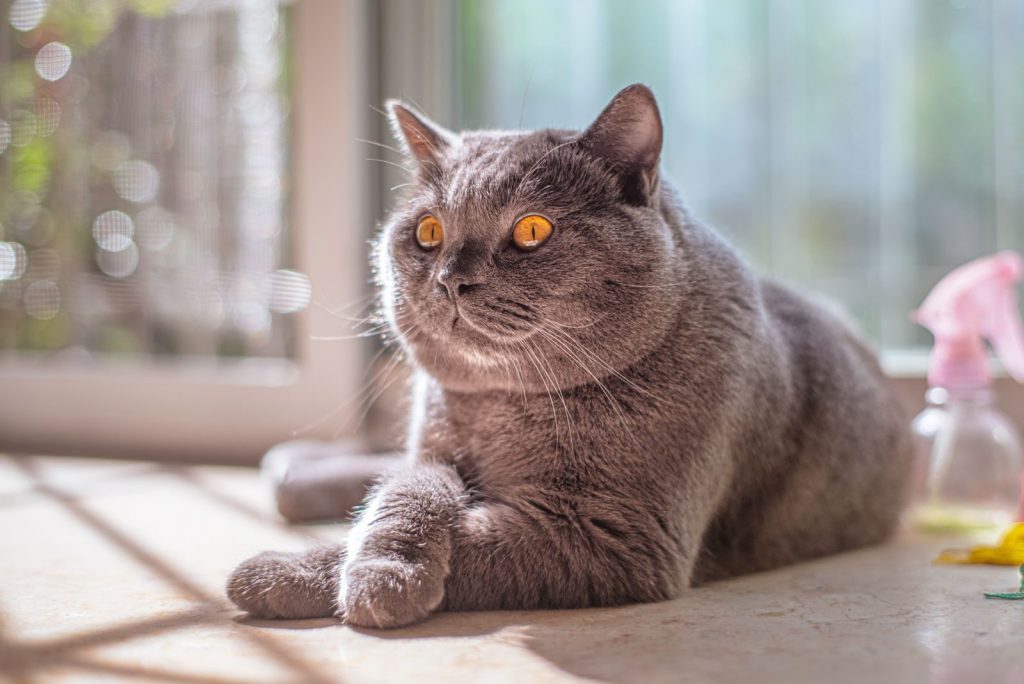
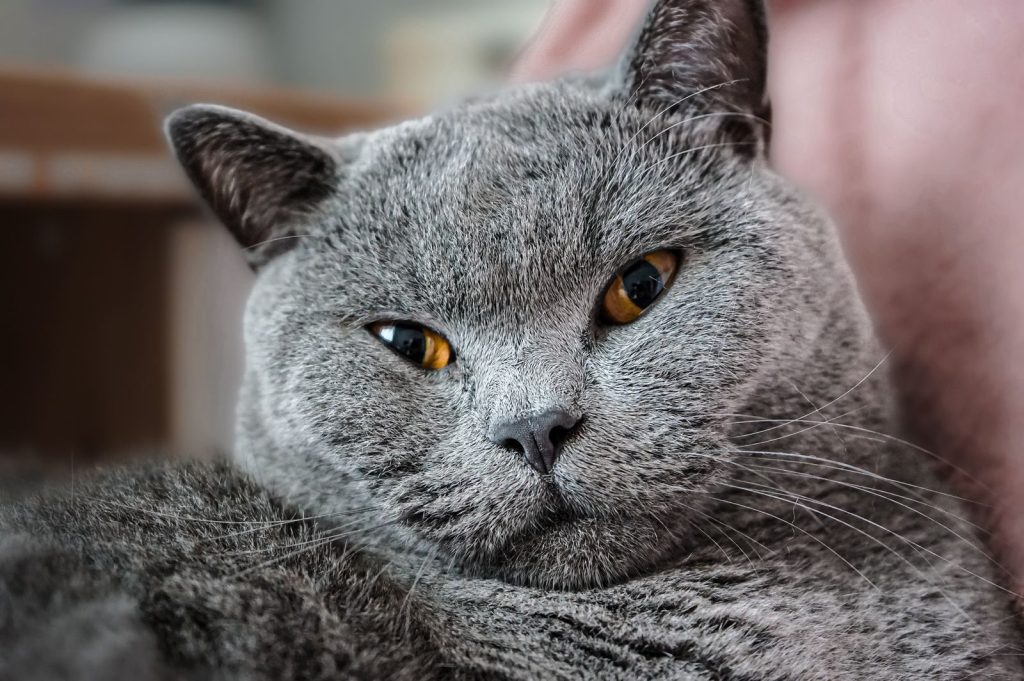
A resting cat slowly narrows its eyes while looking directly at its human owner. Trust shines bright. Animal behaviorists refer to this gentle, slow blink gesture as a feline smile. According to psychological research published by the University of Sussex, slow blinking signals relaxation and emotional safety in domestic cats. Returning the slow blink builds mutual affection.
Twitching Whisker Positions
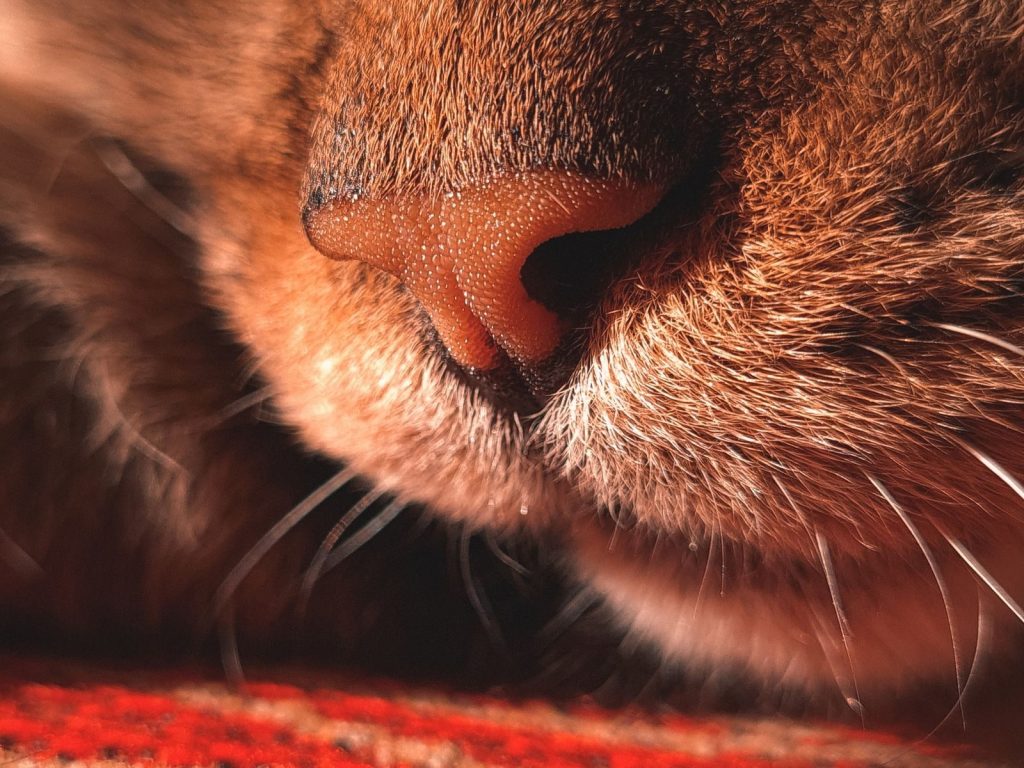
Whiskers pulled forward indicate intense interest, while relaxed whiskers rest flat against cheeks. Communication stays active. These sensitive facial hair follicles detect tiny air currents and nearby obstacles. According to feline anatomy reports from the Cat Fanciers Association, whisker alignment provides instant clues regarding a cat’s immediate emotional state. Facial cues tell a complete story.
Decoding Subtle Ear Movements
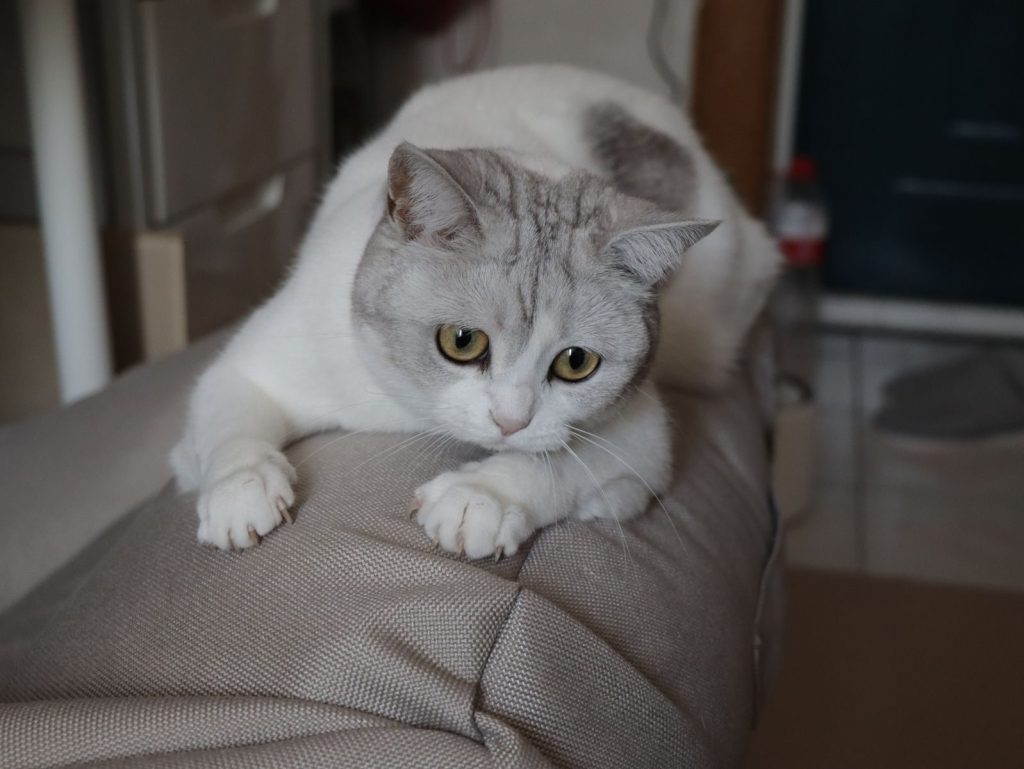
Ears turned backward signal slight annoyance, while forward ears show eager interest during interactions. Position matters greatly. Over thirty individual muscles control each feline ear to monitor environmental activity. According to animal behaviorists, observing ear angles alongside eye expressions reveals precise feline mood changes. Owners can learn to read these signs easily.
Strengthening Human Feline Bonds

Paying close attention to subtle facial cues helps pet owners respond effectively to cat needs. Understanding brings joy. Recognizing feline body language deepens trust and enriches daily companionship in every home. According to veterinary health experts, strong emotional connections improve overall well-being for indoor house cats. This article is for informational purposes only.
Featured Image: Photo by Serdar Tas on Pexels