Most people assume that all domestic cats remain perfectly independent when left home alone. We expect felines to enjoy solitary hours without feeling anxious or lonely.
But certain highly social cat breeds thrive on constant human interaction and dislike long absences. Knowing these breed traits helps owners prevent separation anxiety in pets.
Vocal Siamese Needs
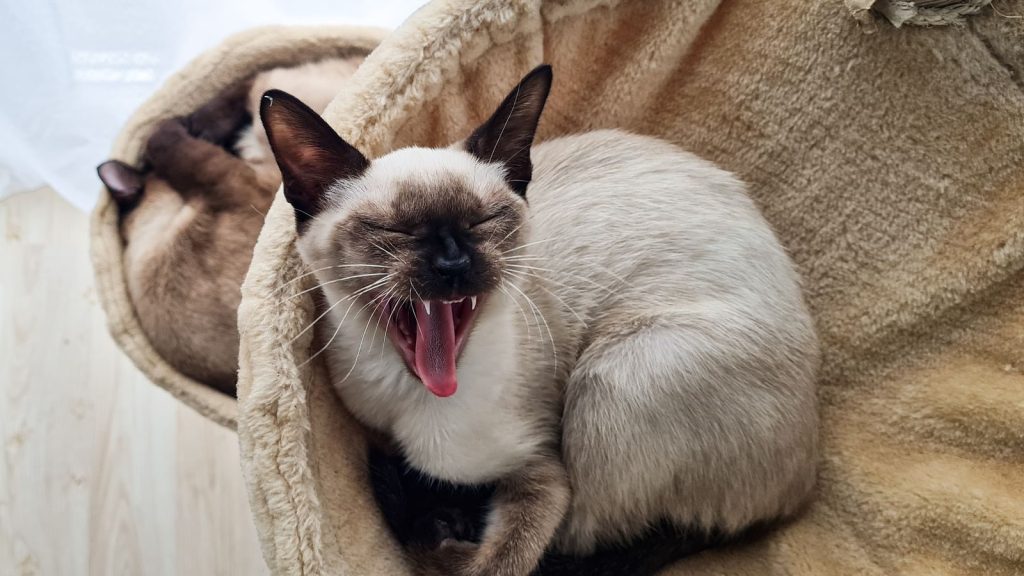
Siamese cats form intense bonds with owners and demand regular daily interaction. Communication runs high. According to the Cat Fanciers Association, Siamese cats become vocal and distressed when left isolated for long periods. That social nature requires active household involvement. But other oriental breeds share similar traits.
Affectionate Burmese Temperament
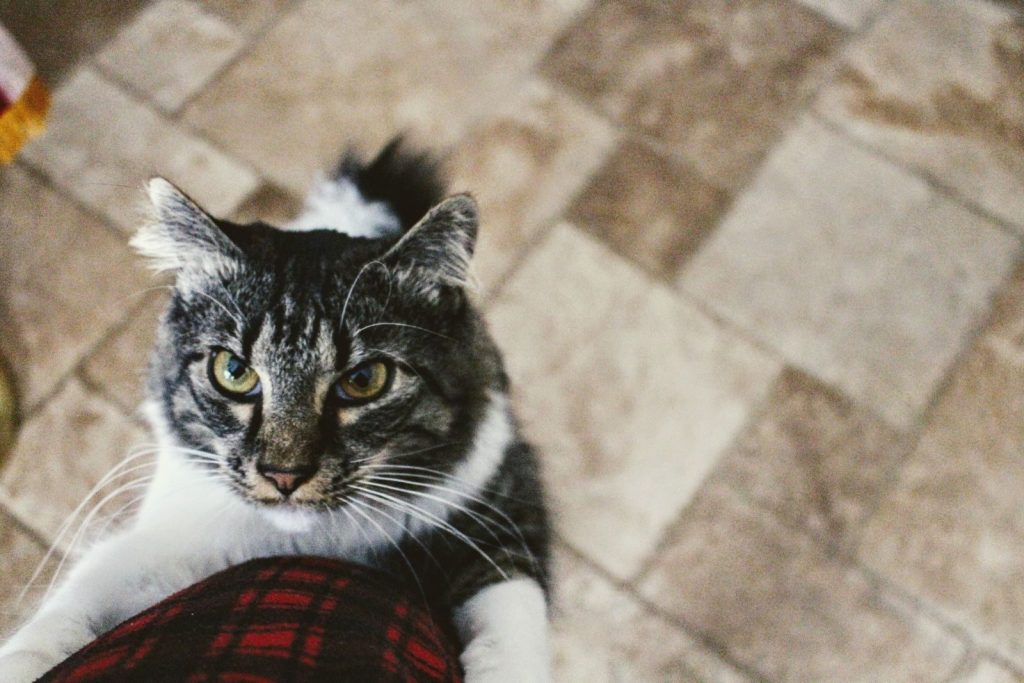
Burmese cats prefer constant companionship and follow owners everywhere around the house. Loyalty defines them. According to veterinary behaviorists, Burmese cats display dog-like attachment and dislike empty homes. That deep devotion makes solo living difficult for them. Yet longhaired breeds can also feel lonely.
Gentle Ragdoll Dependencies

Ragdolls are famous for seeking human lap time and thriving on gentle touch. Cuddles bring peace. According to feline care experts, Ragdolls rely heavily on human presence for emotional comfort. That gentle disposition leaves them vulnerable to solitude. But playful, active breeds also need stimulation.
Energetic Abyssinian Drives

Highly intelligent Abyssinians require continuous mental stimulation to avoid destructive boredom. Curiosity drives action. According to animal welfare researchers, smart cats get frustrated when left without interactive outlets. That high energy demands regular play time. Yet companion breeds face similar challenges.
Social Sphynx Bonds

Hairless Sphynx cats seek physical warmth and close emotional contact with family members. Heat-seeking builds bonds. According to veterinary specialists, Sphynx cats crave human contact to stay emotionally and physically comfortable. That physical need makes solitude tough. But owners can help these sensitive pets.
Reducing Solitary Stress
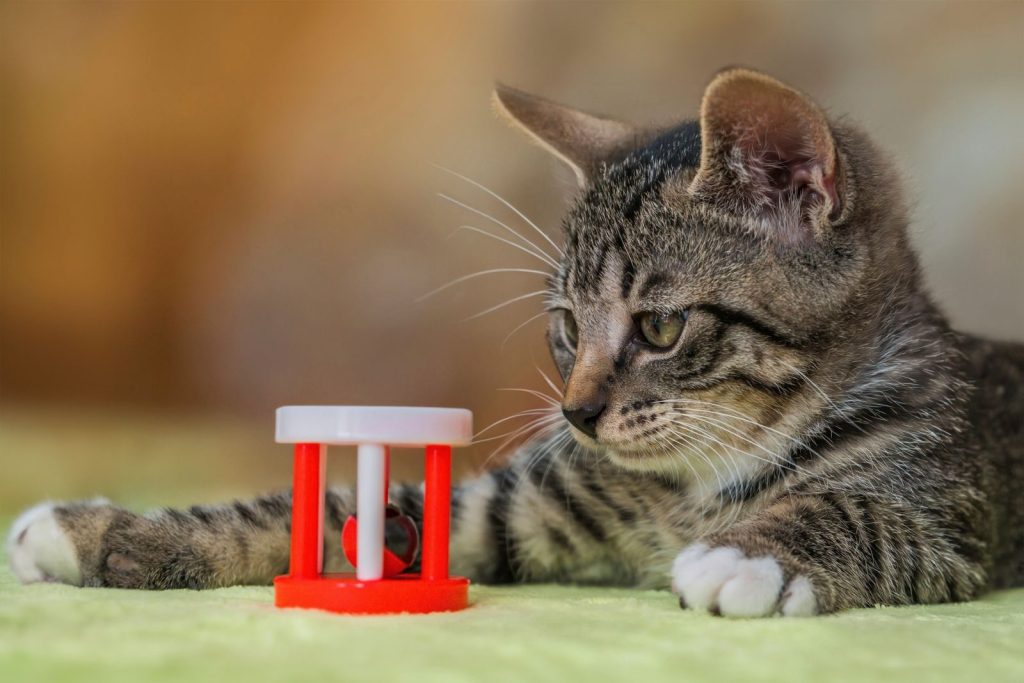
Interactive puzzle feeders and companion pets ease isolation anxiety during work hours. Enrichment helps greatly. According to veterinary health guidelines, providing engaging indoor activities prevents separation distress in sensitive breeds. That thoughtful planning protects pet wellness. That leads to crucial advice for buyers.
Choosing Right Breeds

Matching a cat breed to your daily work schedule ensures a happy environment for everyone. Understanding emotional needs prevents behavioral problems in house pets. According to feline behavior experts, responsible selection builds lifelong pet happiness. This article is for informational purposes only.