

Popular culture often portrays cats and dogs as natural enemies that cannot peacefully coexist under one roof. Most people assume bringing both animals into a home leads to constant rivalry.
But millions of multi-pet households witness extraordinary bonds between their felines and canines every day. Understanding how these distinct species communicate helps owners foster lifelong companion harmony.
Understanding Interspecies Body Language

Cats and dogs express emotion through very different physical signals, which can cause initial misunderstandings. Communication takes time. According to the Journal of Veterinary Behavior, a wagging dog tail usually signals excitement, whereas a twitching cat tail indicates annoyance or tension. When owners manage early meetings, both animals learn to interpret one another’s cues correctly. Over time, a dog learns when to respect a cat’s personal space, and the cat recognizes the dog’s friendly intent. Recognizing these subtle differences prevents unnecessary conflict during household introductions.
Creating Controlled First Encounters
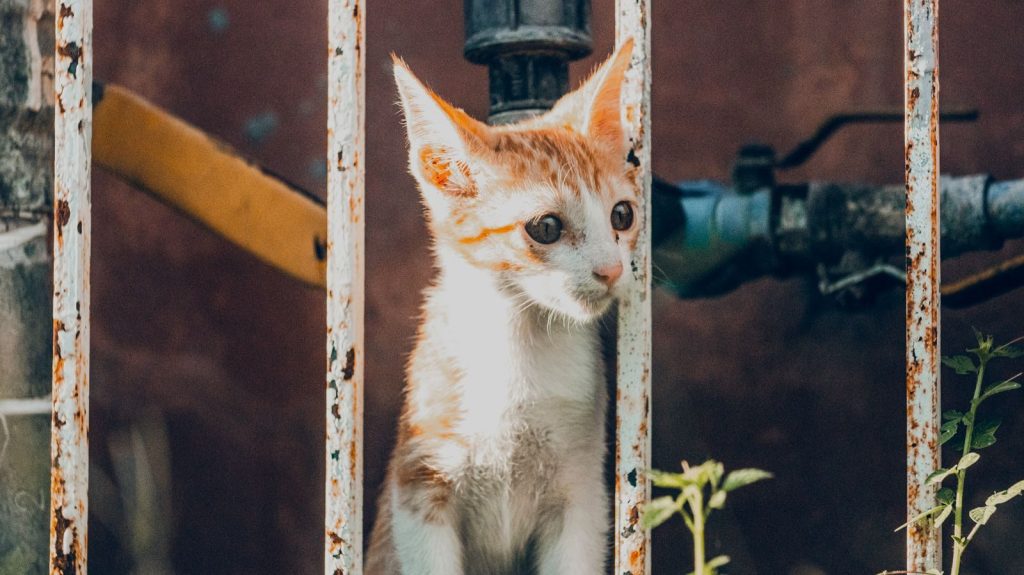
Successful relationships between cats and dogs begin with gradual, controlled introduction methods inside the home. Preparation is vital. According to the Humane Society of the United States, keeping pets in separate rooms while swapping scent bedding helps establish familiarity before visual contact. Utilizing sturdy baby gates or leashes during initial face-to-face meetings allows both pets to observe each other safely without feeling threatened. Rewarding calm behavior with tasty treats builds positive associations with one another’s presence. Gradual steps lead directly toward natural comfort and mutual acceptance.
Shared Napping And Rest
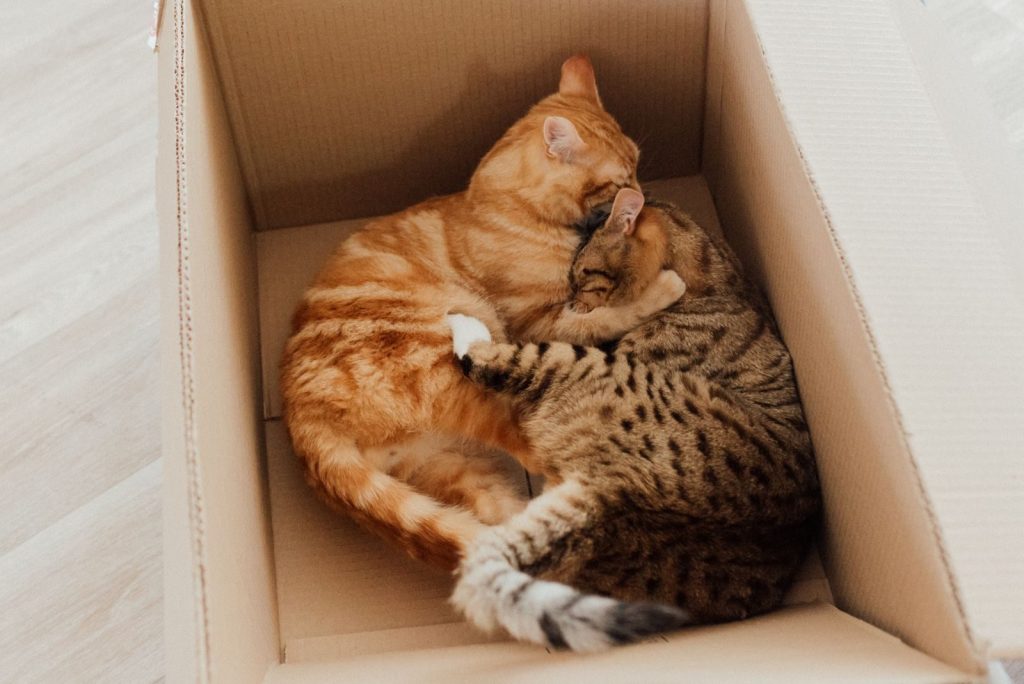
One of the clearest indicators of a solid cat and dog friendship is their willingness to sleep near each other. Trust is established. According to feline and canine behavior researchers, co-sleeping indicates high social comfort and shared territory acceptance between different species. Cats often cuddle against a dog’s warm fur for comfort, while dogs willingly share their favorite dog beds. This peaceful resting behavior demonstrates that both animals feel entirely secure in each other’s presence. Beyond resting together, their daily play styles also adapt in fascinating ways.
Developing Mutual Play Routines
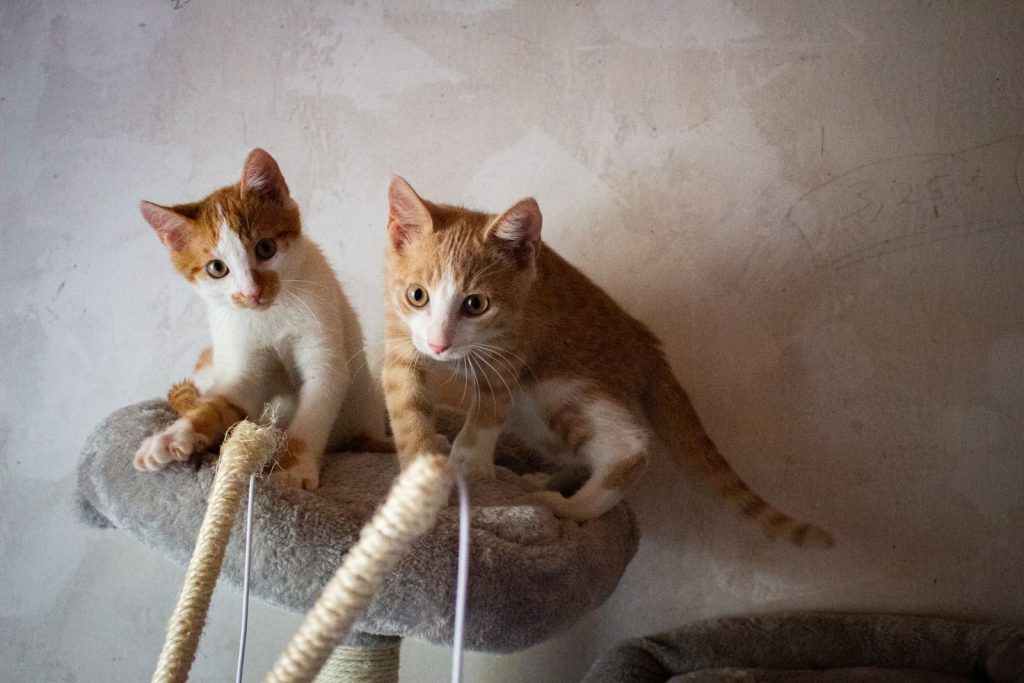
As trust deepens, cats and dogs frequently invent custom play games tailored to their physical capabilities. Adaptation happens naturally. According to Applied Animal Behavior Science, dogs often soften their movements when playing with smaller feline friends, using gentle pawing and bowing postures. Cats reciprocate by playfully swatting from elevated perches or initiating games of chase through hallways. These controlled play sessions provide essential mental enrichment and physical exercise for both animals. Owners enjoy watching these unique games unfold during quiet evenings at home.
Grooming As A Bond
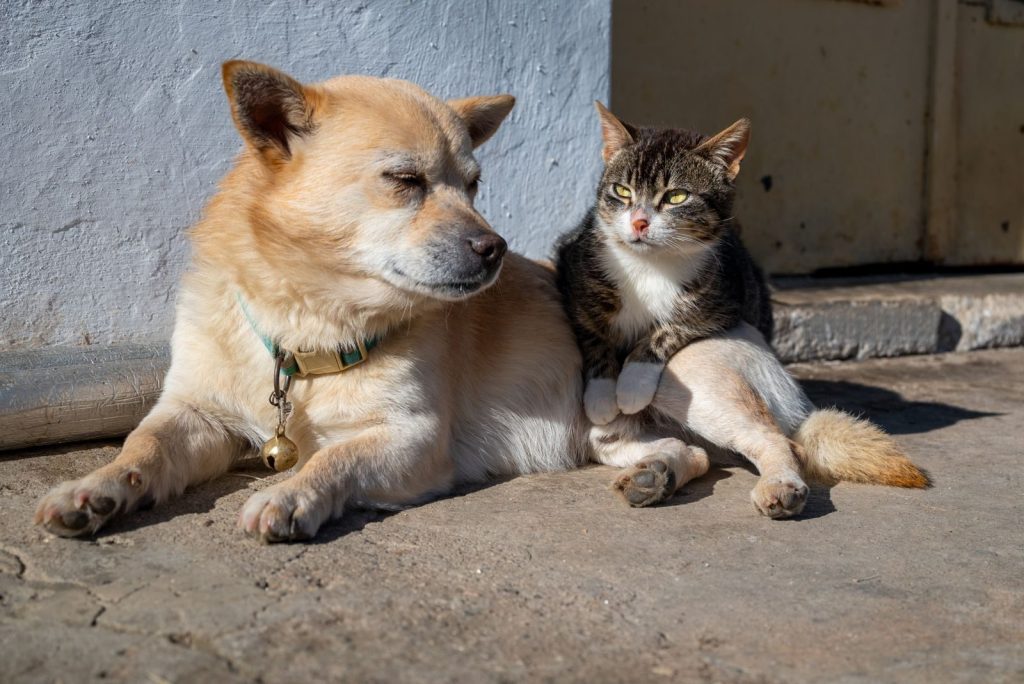
Mutual grooming, known as allogrooming, represents the ultimate sign of affection and social acceptance between pets. Acceptance runs deep. According to veterinary behaviorists, cats lick dogs’ ears and heads to mark them with familiar facial pheromones, incorporating them into their family group. Dogs often respond by gently licking the cat’s fur in return. This gentle grooming routine reinforces household harmony and reduces daily stress levels for both animals. Seeing a cat groom a dog reveals how deeply their bond has formed over time.
Maintaining Safe Private Spaces

Even the best of animal friends require dedicated personal spaces where they can retreat for quiet time. Safety remains paramount. According to ASPCA pet care guidelines, providing elevated cat trees, dog-proof feeding stations, and private litter box areas prevents resource competition and stress. Ensuring that the cat can always escape to high ground maintains their confidence around a larger dog. When both pets feel secure about their resources, their friendship continues to flourish without unnecessary tension. Pet parents play a central role in guiding this balance.
Building Lifelong Interspecies Companionship
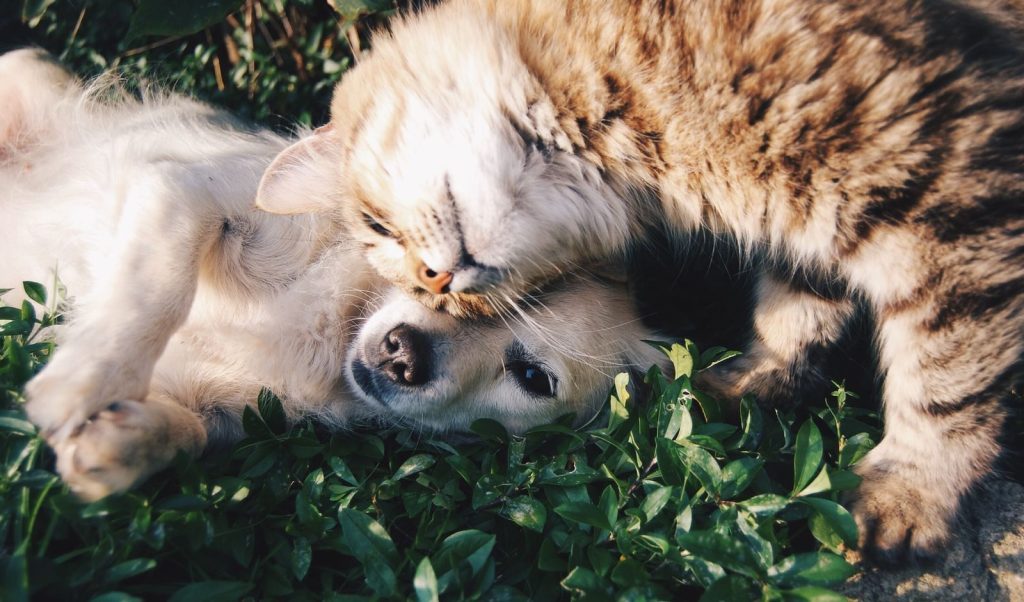
With patience, positive reinforcement, and proper management, cats and dogs can form deeply rewarding friendships that enrich the entire household. Observing their unique bond brings daily joy and warmth to pet owners everywhere. Creating a peaceful environment allows both species to thrive together side by side. This article is for informational purposes only.
Featured Image: Photo by Nilantha Lokunarangodage on Pexels