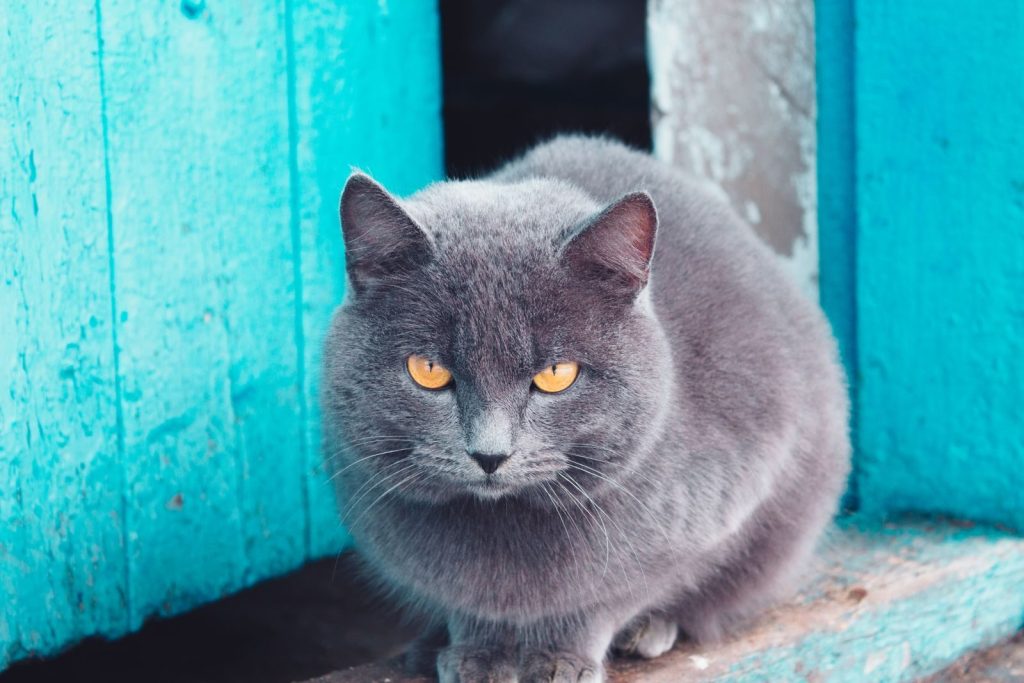

Many pet owners assume that cats are completely independent creatures. We believe they do not care when we leave the house.
But a closer look at their secret behavior reveals a very different story. Felines struggle with our absence in subtle ways that might surprise you.
The Myth Of Aloofness
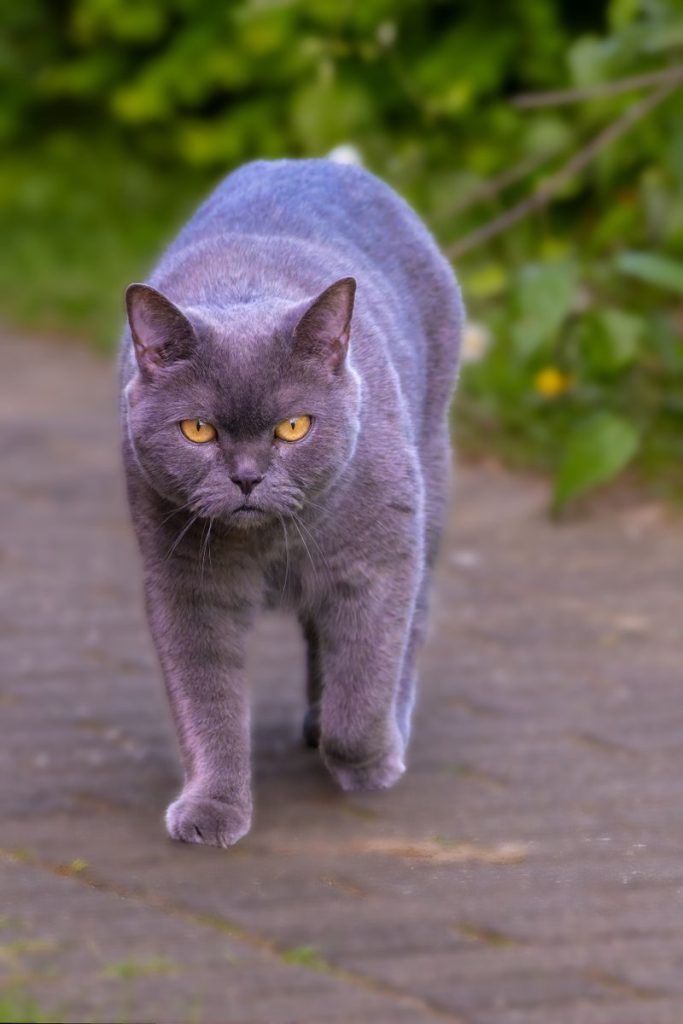
Cats often pretend to ignore their owners when they walk through the front door. They are actors. According to the American Society for the Prevention of Cruelty to Animals, this aloof display is actually a coping mechanism. Felines need time to process the sudden change in their quiet environment. However, their true emotions eventually slip out in the quietest rooms.
Watching From The Windows
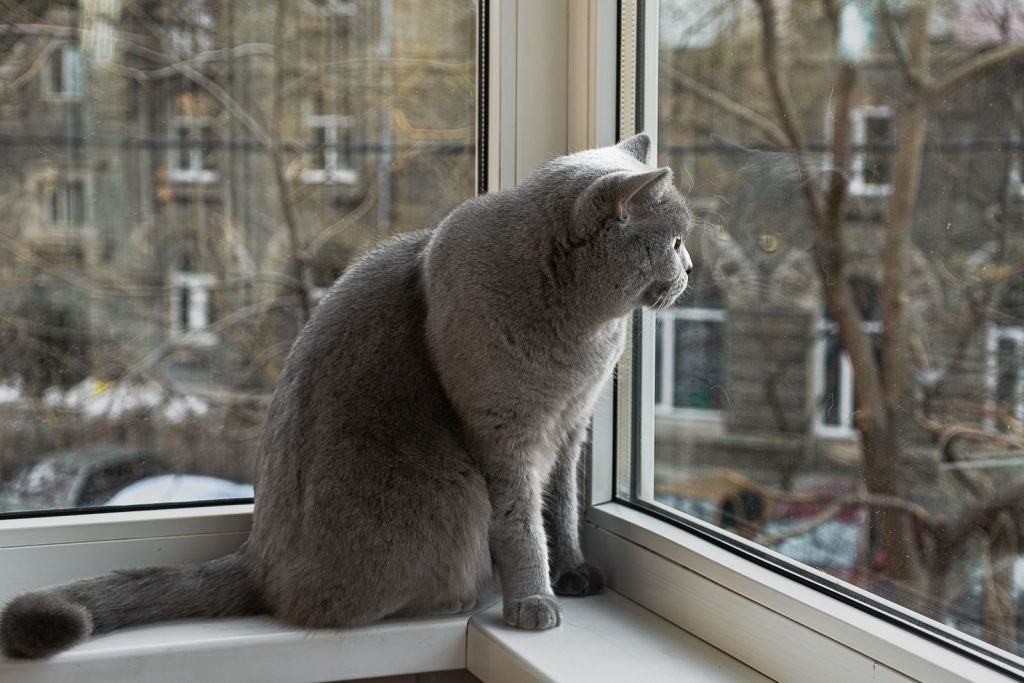
Felines spend hours sitting near glass panes while their owners are away. They wait patiently. According to feline behavior studies at Oregon State University, cats keep a close eye on outdoor pathways to watch for familiar figures. This passive waiting behavior is a major sign of attachment. But their subtle longing extends far beyond just visual monitoring.
Seeking Out Scented Laundry
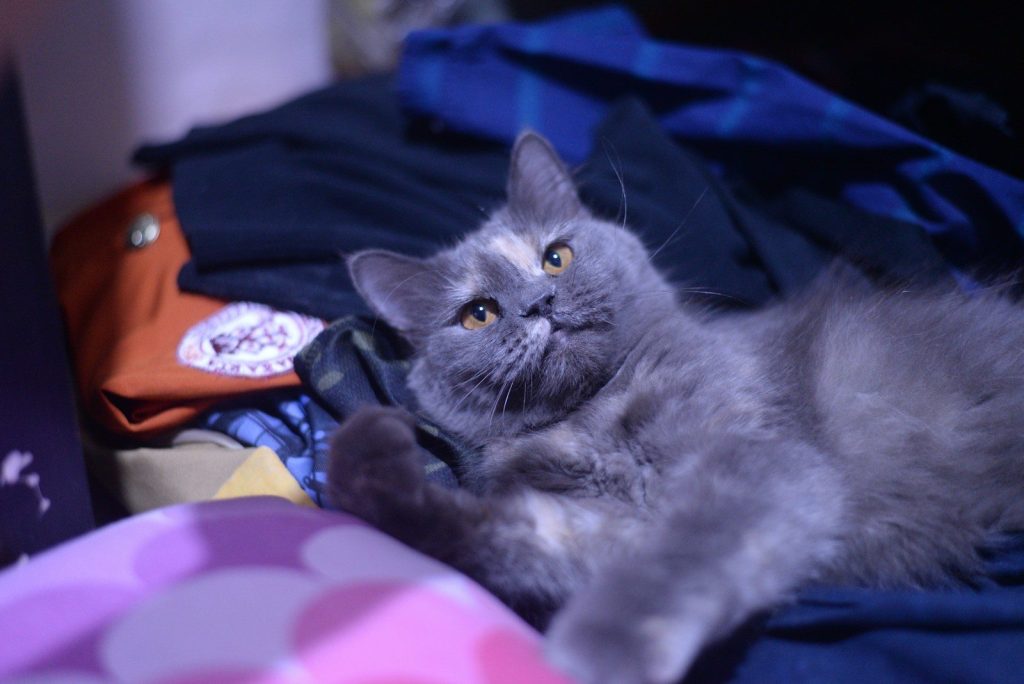
An anxious cat will often sleep directly on a pile of dirty clothes. Scent brings comfort. According to veterinary research from the University of Lincoln, familiar human smells help lower feline stress levels when owners are away. Your worn shirt acts as an emotional security blanket for them. Yet this behavior can sometimes escalate into loud vocal signs.
Crying In Empty Rooms
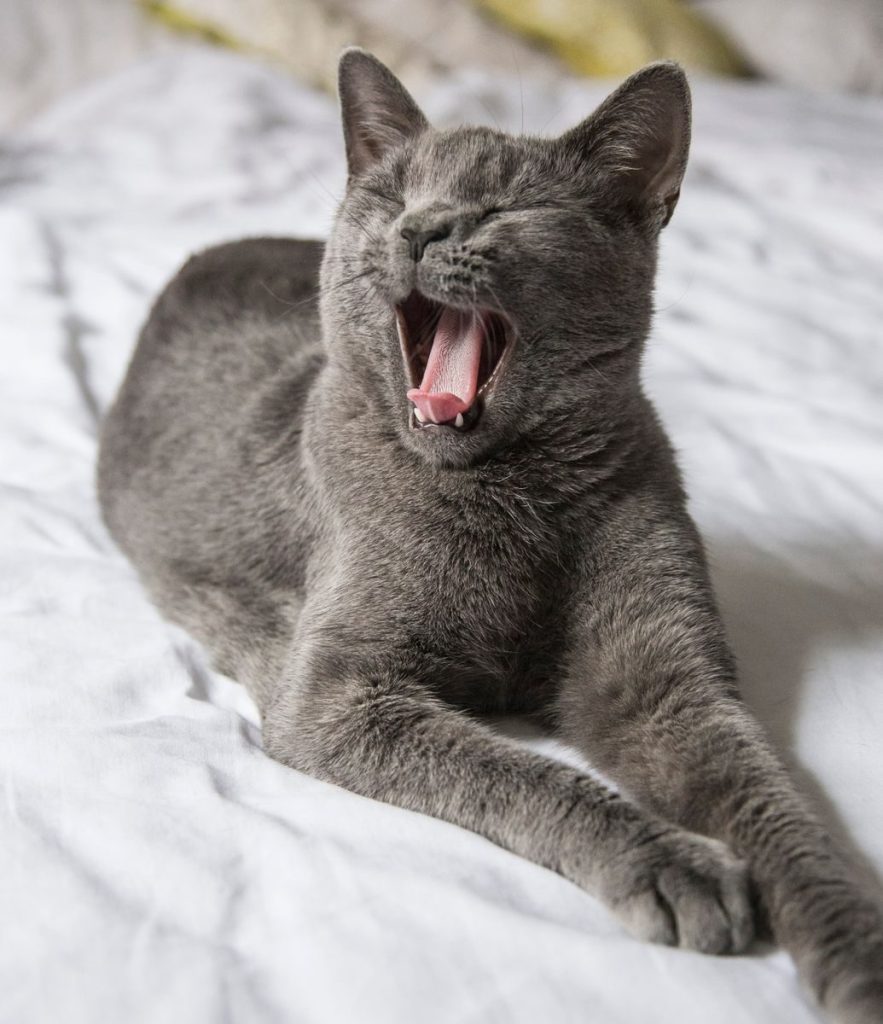
Many owners discover through home cameras that their pets vocalize during the day. They feel lonely. According to reports from the Cornell Feline Health Center, unusual daytime meowing can indicate mild separation distress. Felines use these loud calls to locate missing family members. But their reaction when you finally return is the most telling sign.
Following Your Every Step
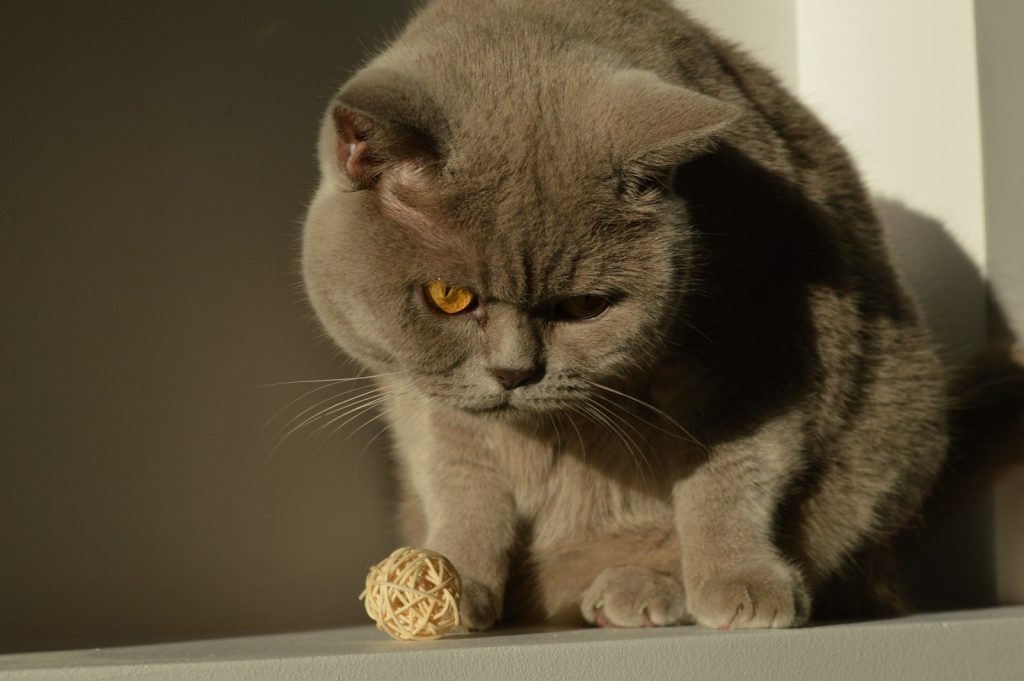
Shadowing you around the house after work is a clear sign of relief. They shadow you. According to the American Association of Feline Practitioners, this sudden clinginess is how cats seek reassurance after hours of solitude. They want to make sure you do not slip away again immediately. But this behavior can easily be mistaken for simple hunger.
The Grooming Routine Reset
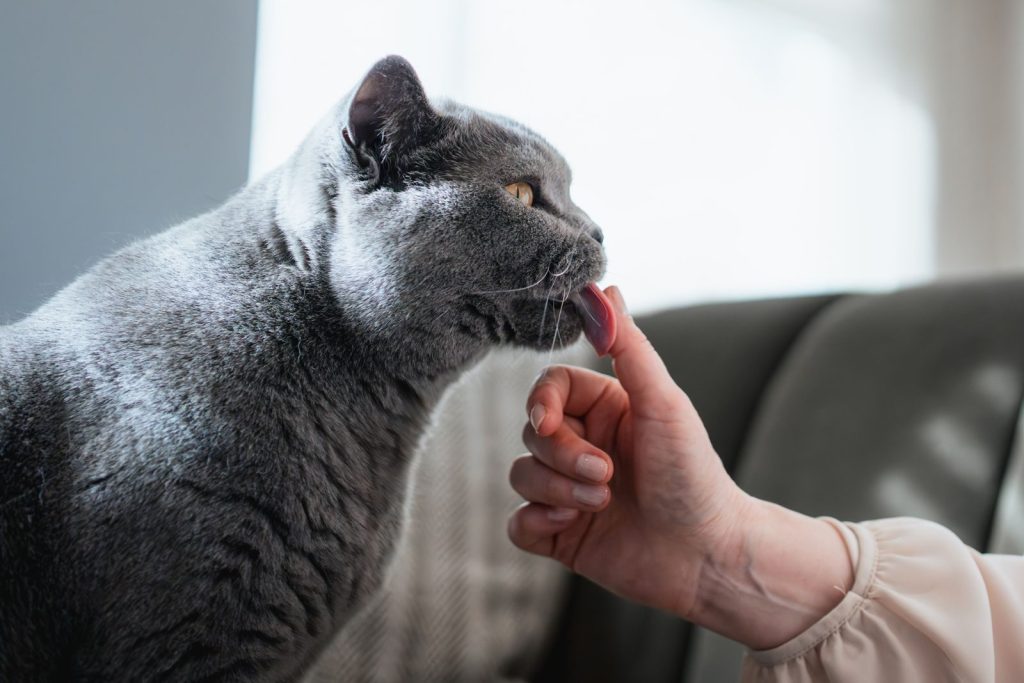
Stressed felines often start grooming themselves intensely right after their owners leave. This self-soothing habit lowers tension. According to the Mayo Clinic, repetitive behaviors help animals manage sudden environment transitions and emotional spikes. They use grooming to calm their nerves. Yet understanding these signs is only the first step toward helping your pet feel secure.
Building Feline Confidence
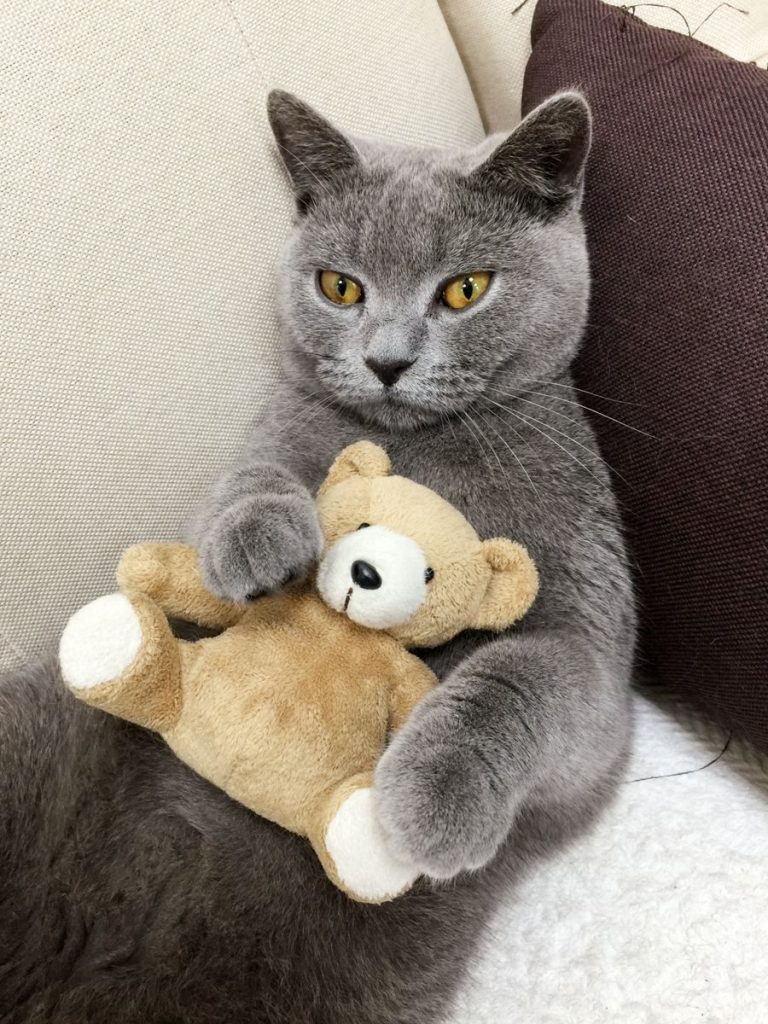
Providing interactive puzzle toys can keep your cat happy while you work. They need distraction. According to the American Veterinary Medical Association, active mental stimulation prevents separation anxiety and builds independent confidence. Loving owners can easily make departures stress-free with a little preparation. This article is for informational purposes only and does not constitute veterinary advice.
Featured Image: Photo by Sergey Okhrymenko on Pexels