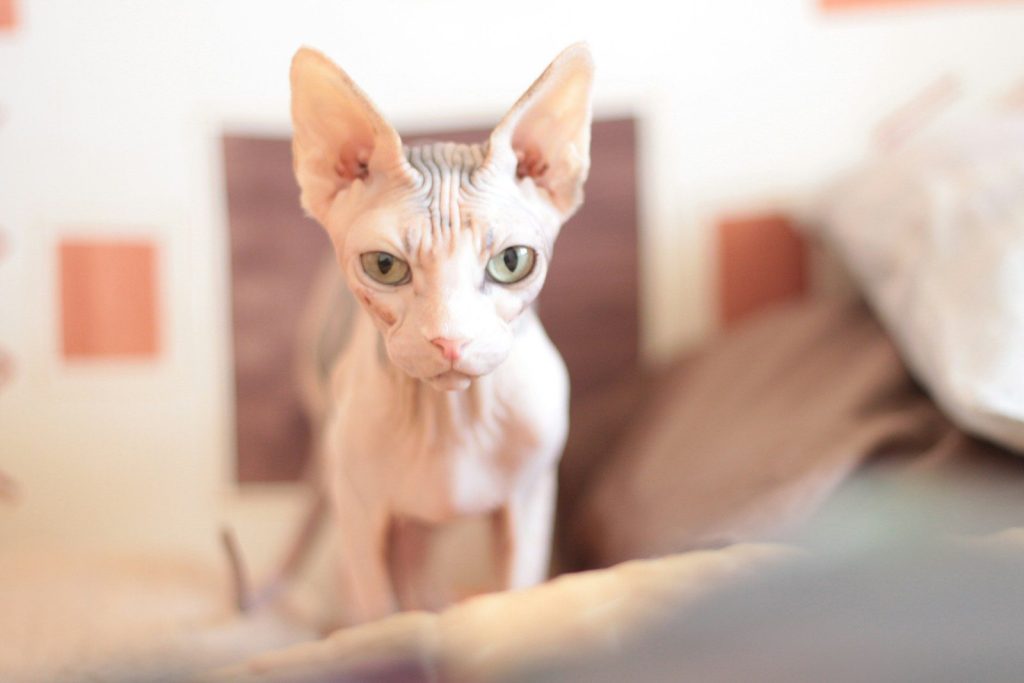

Adopting a new pet is always an exciting milestone for any family. We usually visit local shelters to find our perfect companion.
But some highly rare, exotic feline breeds carry price tags that match luxury cars. What makes these exclusive cats so incredibly expensive to bring home?
The Exotic Beauty of Bengals
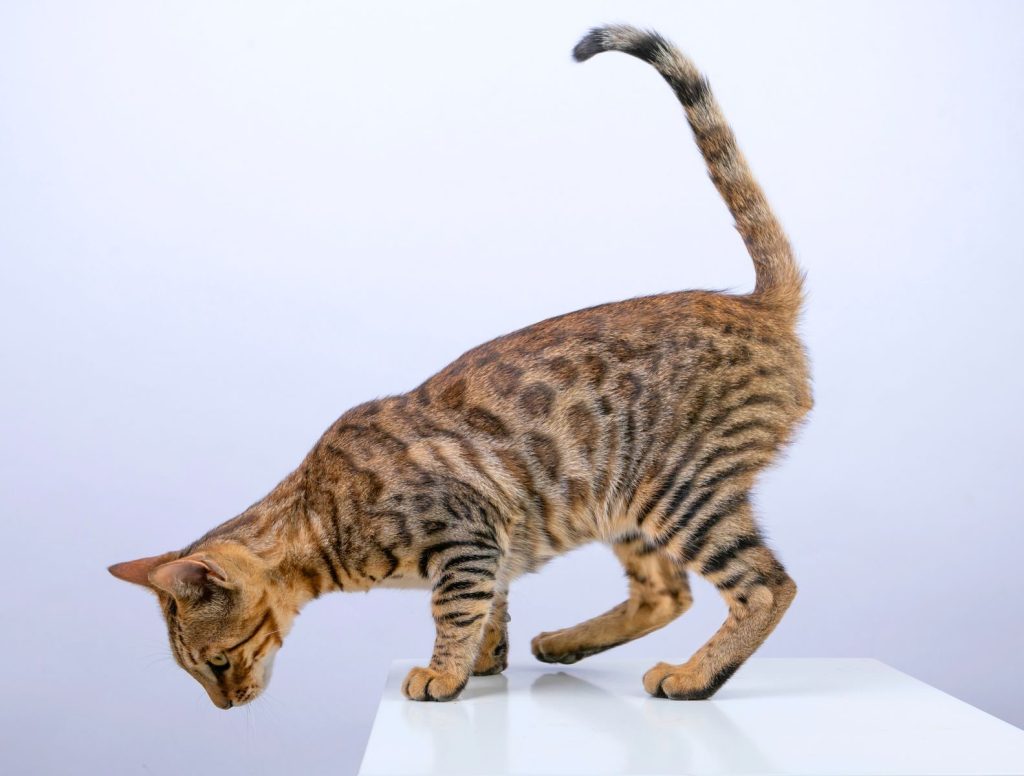
Bengals look like wild leopards with their beautiful spotted coats and athletic bodies. They are striking. Because of their complex breeding history, buying a high-quality kitten requires a significant investment. According to the Cat Fanciers Association, their unique genetics make them highly sought after by collectors. But there is another hairless breed that costs even more.
The Unique Appeal of Sphynx
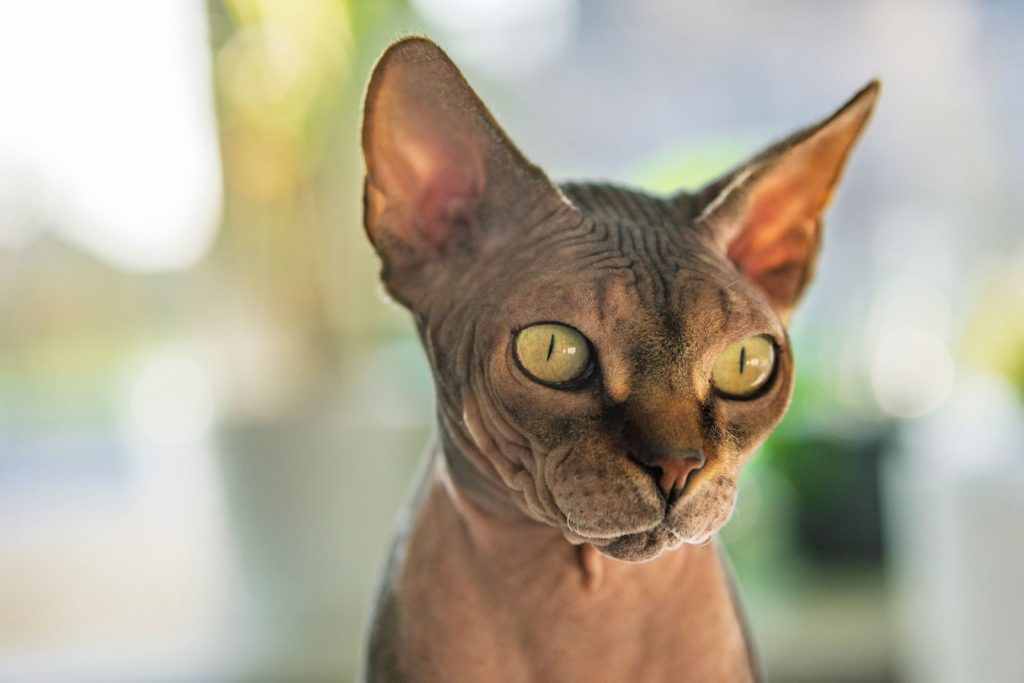
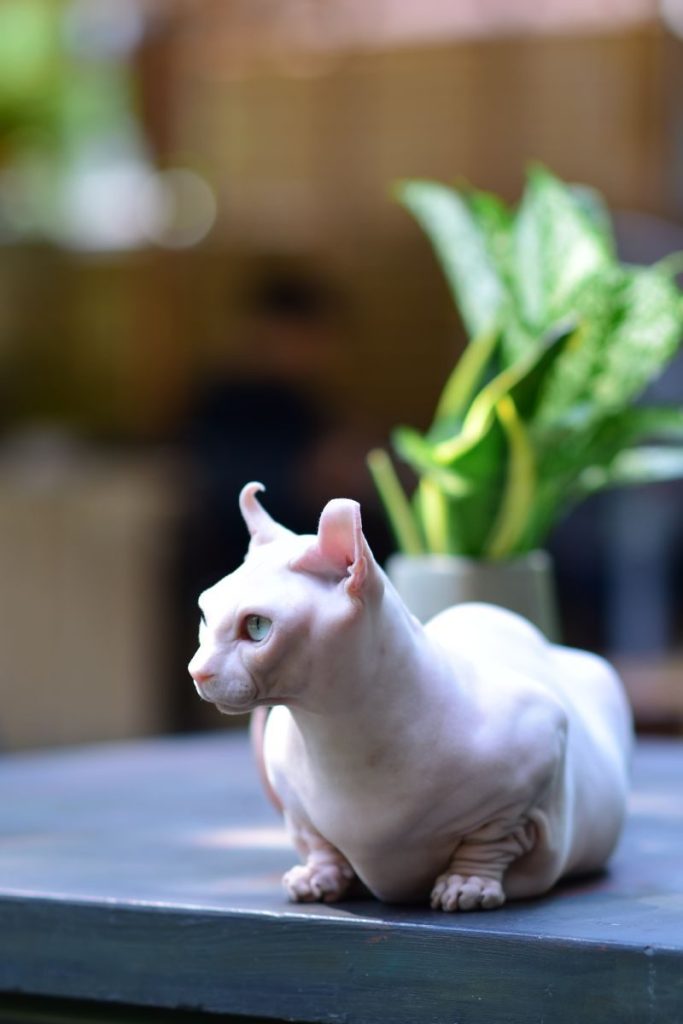
Sphynx cats are famous for their hairless skin, large ears, and highly social personalities. They crave warmth. Breeding these felines requires specialized veterinary care and genetic testing to prevent serious heart conditions. This intensive process raises their market value significantly. However, another giant breed is celebrated for its incredible size and high cost.
The Majestic Giant Maine Coon
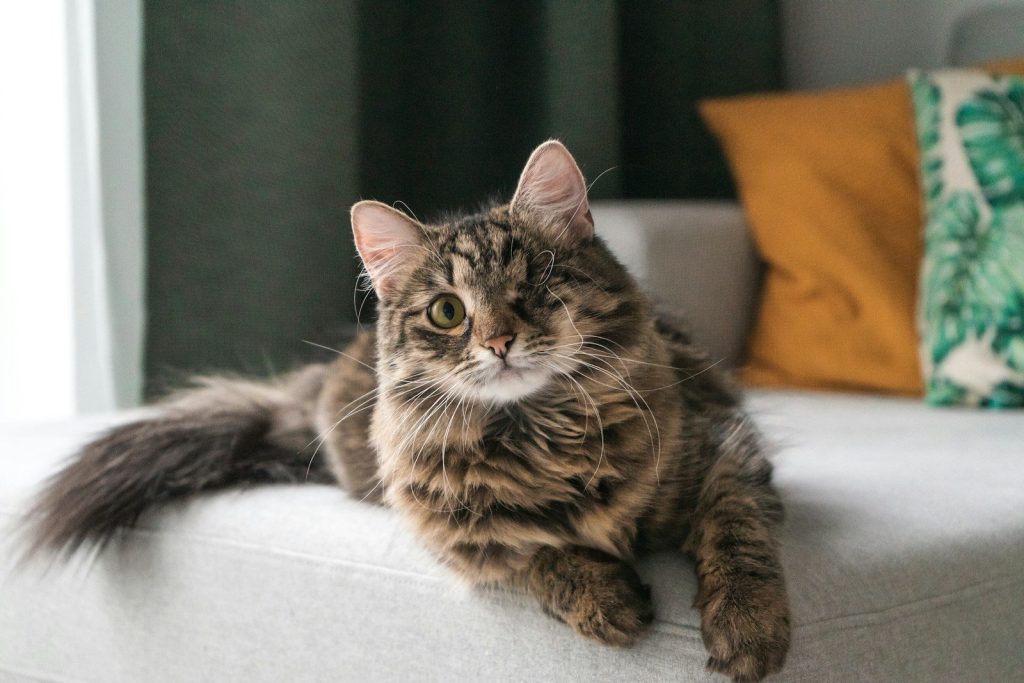
Maine Coons are one of the largest domestic breeds on earth, taking years to reach full size. They are massive. High demand for their dog-like personalities has driven breeder prices to historic highs. According to reports from veterinary organizations, healthy bloodlines require extensive screening for hip issues. This careful selection ensures you get a healthy giant, but some rare hybrids cost even more.
The Wild Savannah Cat Hybrid
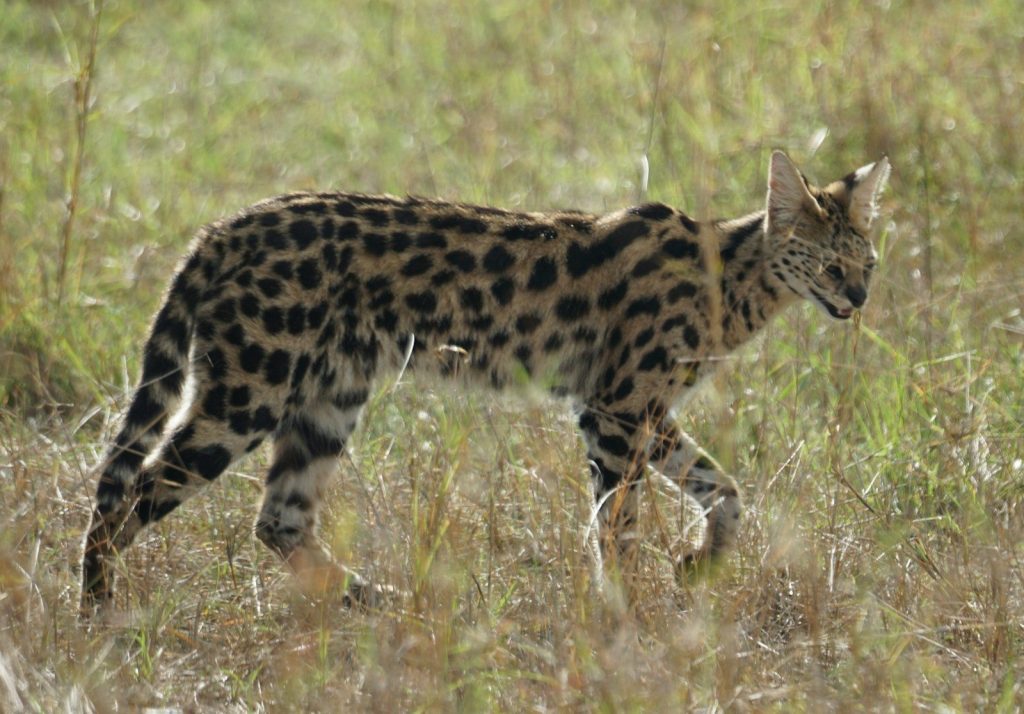
Savannah cats are a cross between a domestic feline and a wild African serval. They are tall. Early generation hybrids are extremely rare and can cost tens of thousands of dollars. According to the American Veterinary Medical Association, their unique diet and behavioral needs require experienced owners. But before spending a fortune, you must evaluate your budget.
Calculating The True Long-Term Costs
The initial price of a rare kitten is only the beginning of your financial responsibility. Pedigree cats often require specialized diets and regular veterinary screenings for breed-specific illnesses. These recurring costs can quickly add up over their fifteen-year lifespan. Fortunately, there is a much cheaper way to find a highly unique and loving companion.
The Joy of Shelter Rescues
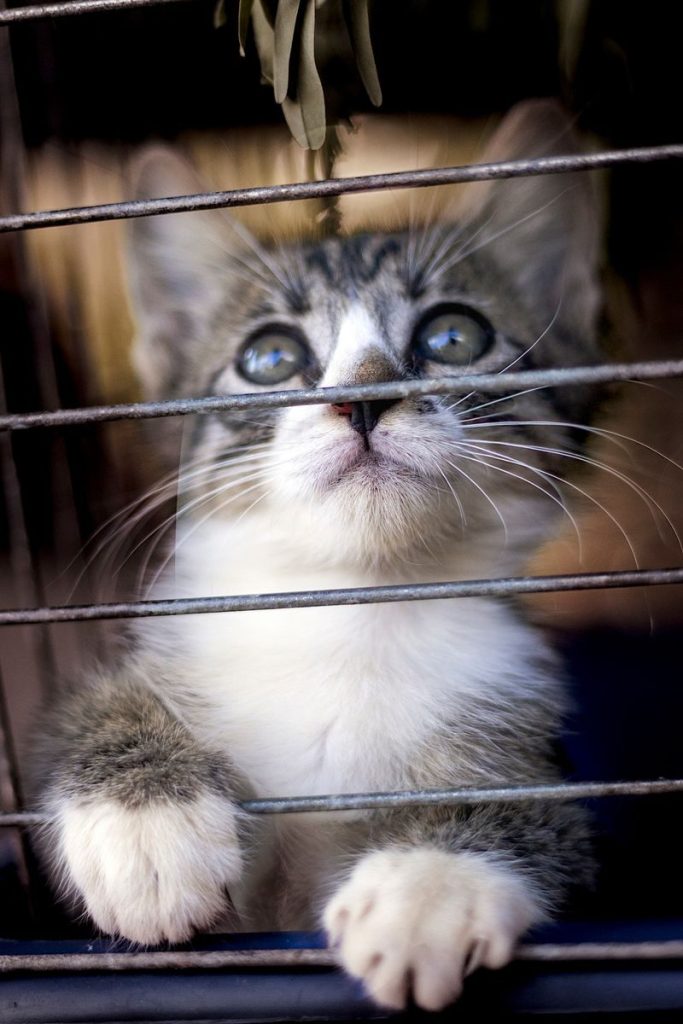
Local animal shelters are full of healthy, beautiful cats waiting for a second chance at life. They need homes. Adopting a rescue pet is incredibly affordable and directly saves a life from euthanasia. According to reports from the Humane Society, mixed-breed cats often possess fewer genetic health issues than pedigree animals. There is one final detail to consider.
Choose With Your Heart First
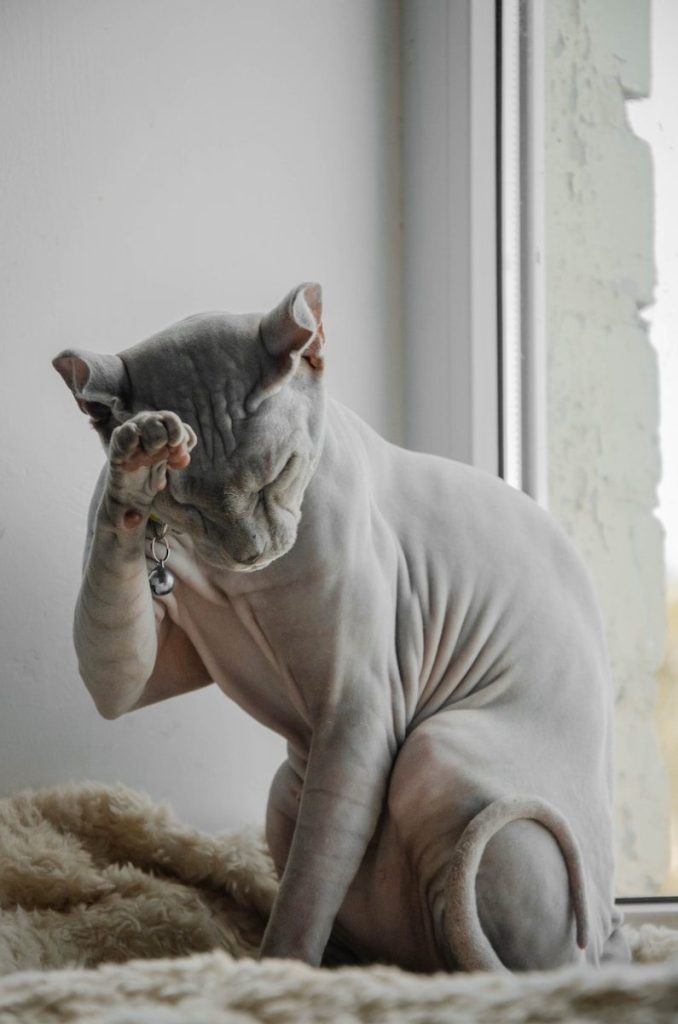
Whether you choose a rare pedigree or a shelter rescue, love is what truly matters. Your pet will reward your care with a lifetime of sweet purrs and happy memories. This article is for informational purposes only.
Featured Image: Photo by Simona Melegová on Unsplash