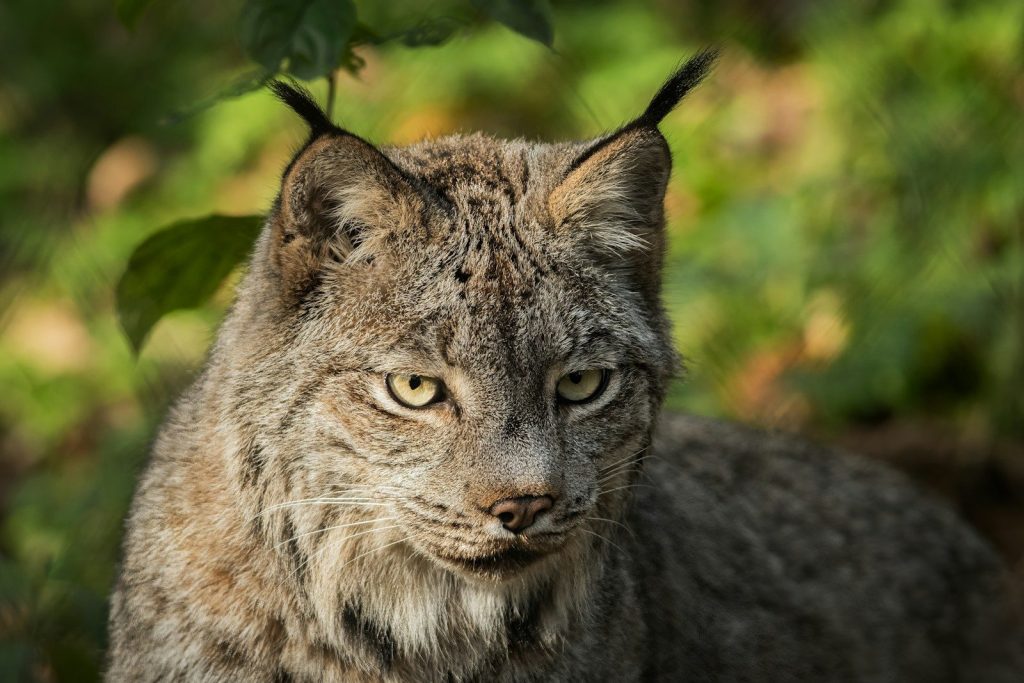

North America is home to some of the most elusive predators on earth. They move silently through forests, deserts, and suburban neighborhoods.
While you may never see them, these majestic wild cats might be closer than you think. Understanding their habits reveals the secret wild world right outside your door.
The silent ghost of the snowy woods
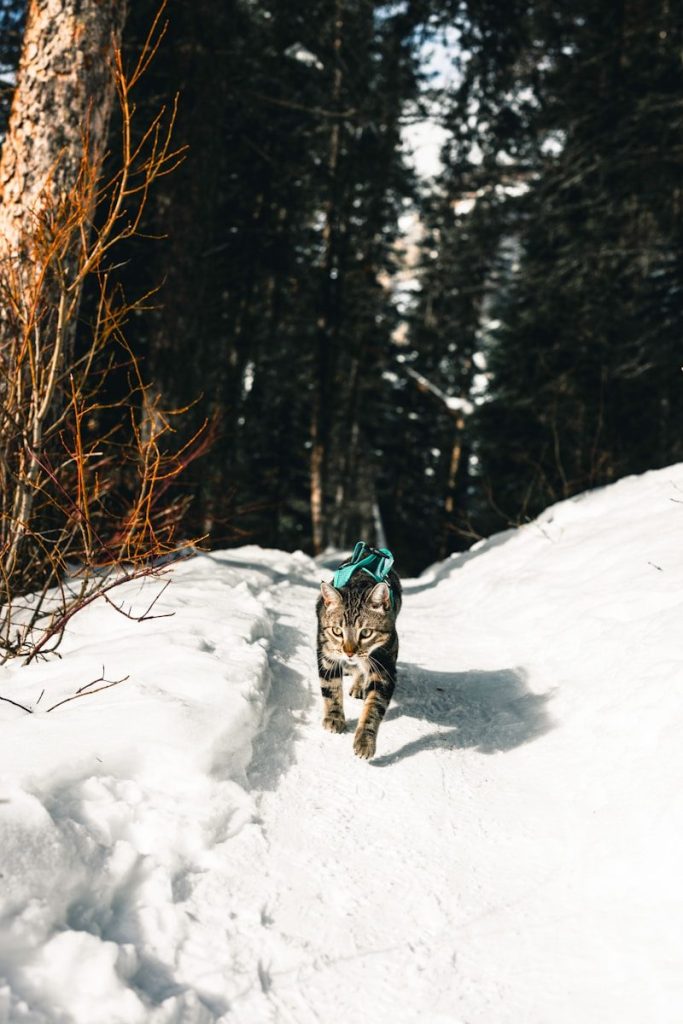
Canada lynx are famous for their massive, furry paws that act as natural snowshoes. They navigate deep snow drifts easily, hunting snowshoe hares with extreme precision. According to the United States Fish and Wildlife Service, these cats prefer dense, northern forests far away from humans. But another lookalike cousin is much more comfortable near suburban homes.
The adaptable hunter in your neighborhood
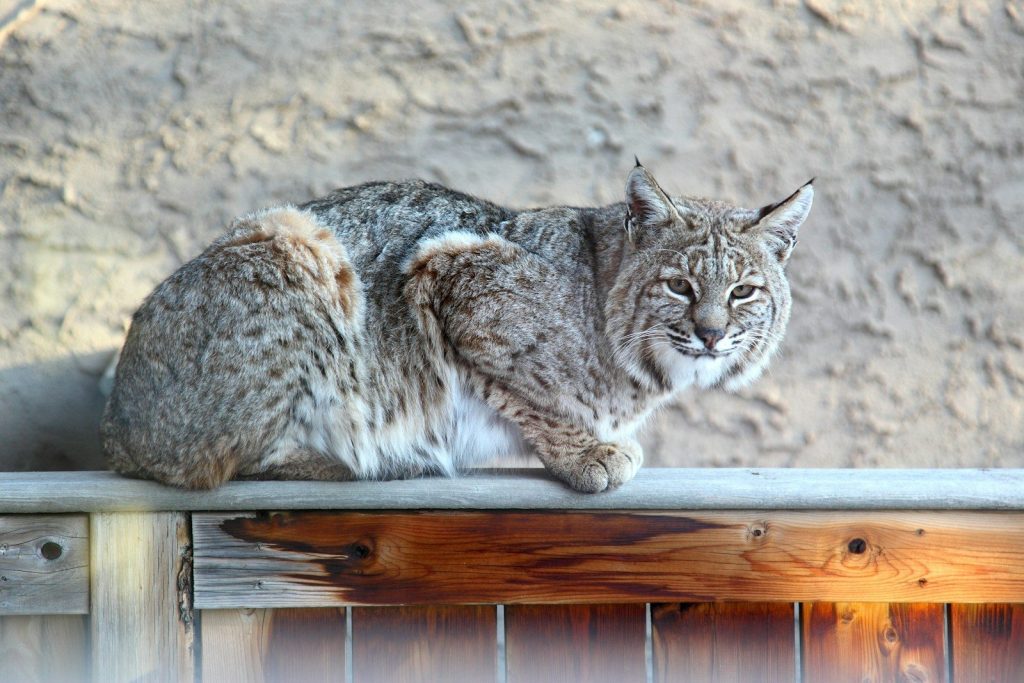
Bobcats are the most common wild felines in North America, thriving in deserts, forests, and even urban parks. They look similar to the lynx but have smaller paws and distinctive spotted coats. These clever hunters can easily leap over high fences to chase rodents or backyard pests. Yet, their presence is often completely missed by homeowners.
The majestic predator of the mountain peaks
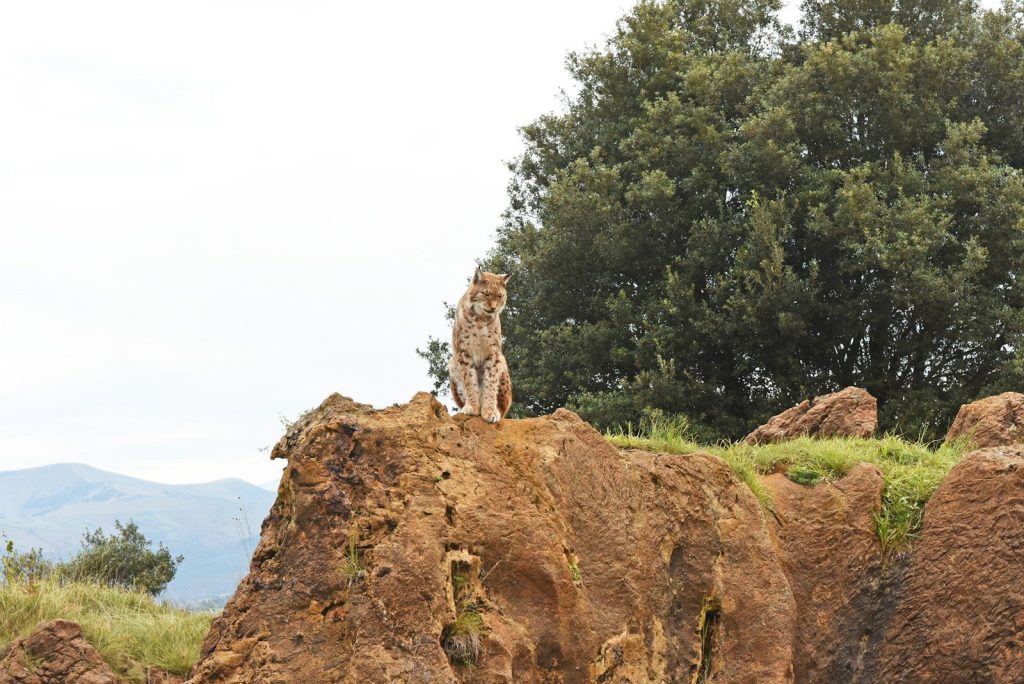
Cougars, also known as mountain lions, are the largest wild felines in North America. These powerful predators require vast territories and are highly skilled at climbing steep rocky terrain. The National Park Service notes that cougars are solitary animals that actively avoid human contact whenever possible. Still, their expanding territories sometimes bring them closer to modern communities.
The rare spotted beauty of the south
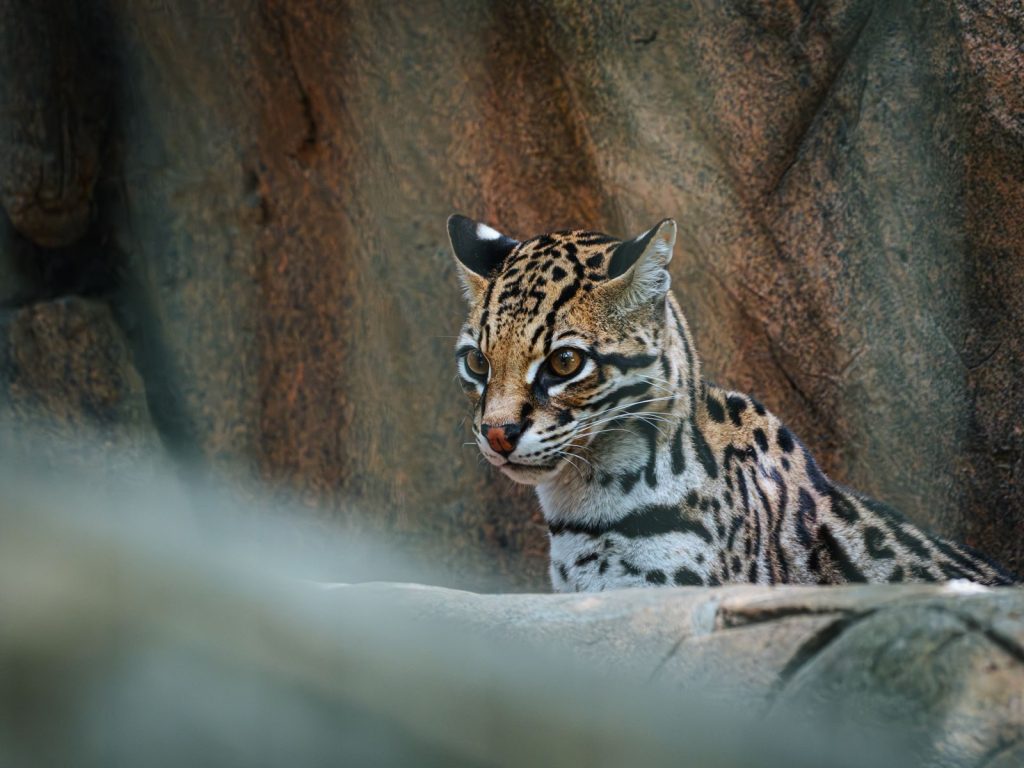
Ocelots are stunning, medium-sized cats with complex coat patterns that look like brush strokes. Today, only a tiny population survives in the deep brush of southern Texas. The Endangered Species Act protects these rare cats as biologists work to restore their fragile habitats. But they are not the only tropical wild felines with a historical footprint here.
The powerful swimmer of the wetlands
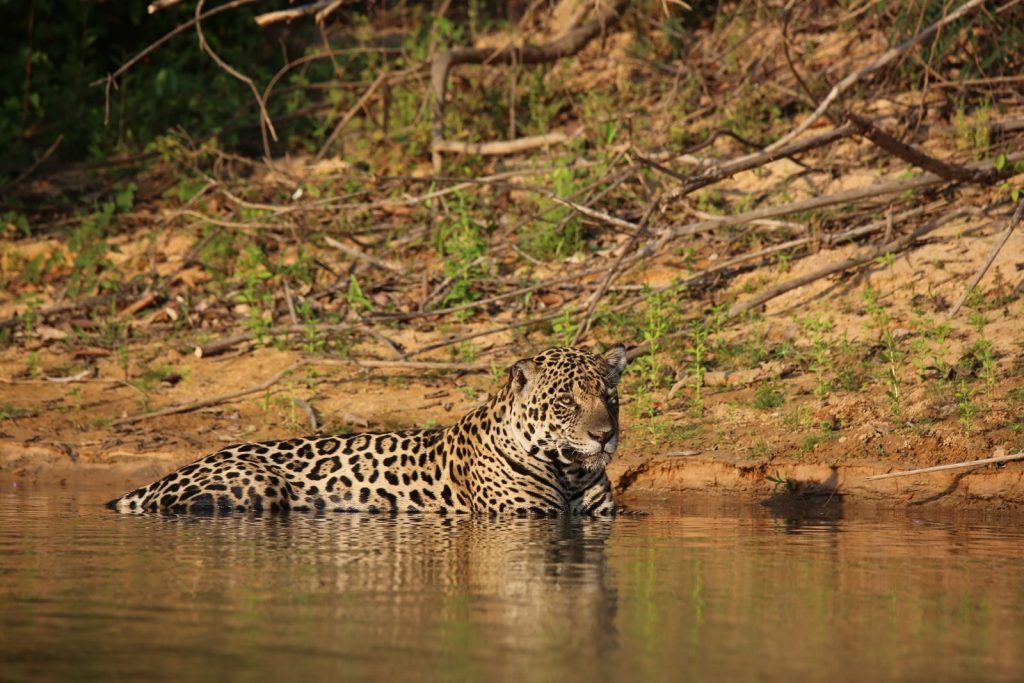
Jaguars once roamed across the southern United States, though sightings are incredibly rare today. These giant cats possess the strongest bite force relative to size of any feline, allowing them to crush heavy shells easily. Unlike most house cats, jaguars absolutely love swimming in deep rivers and lakes. This unique trait is shared by another rare southern cousin.
he slender acrobat of the brush
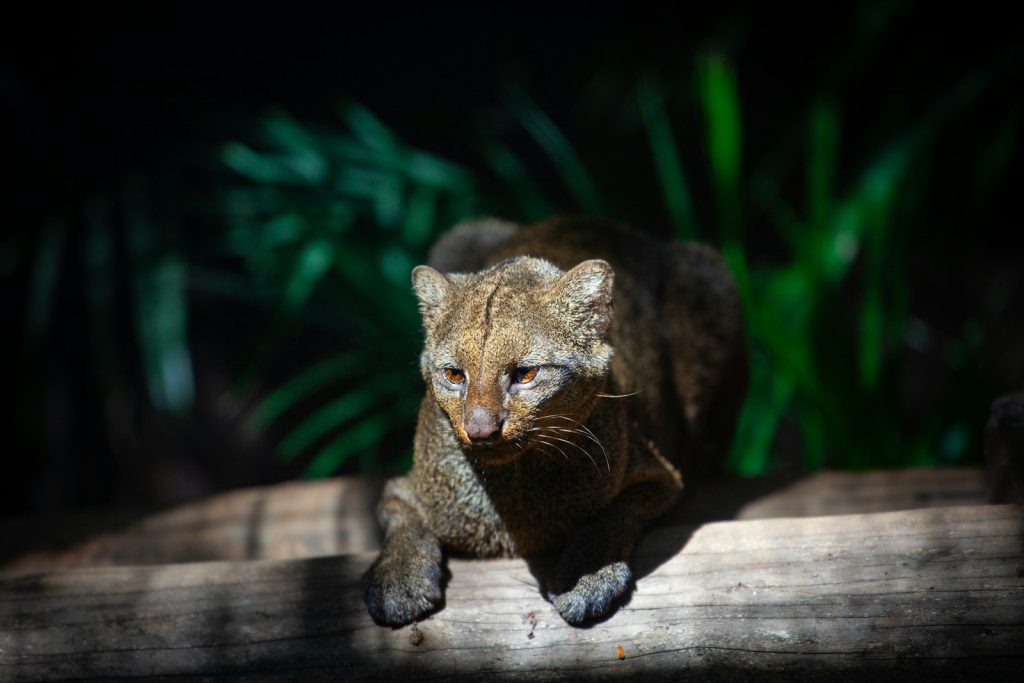
Jaguarundis are small, unusual wild cats with long bodies and flat heads that resemble weasels. They are highly active during the day, hunting birds and reptiles in thick thorny brush. Biologists are constantly monitoring southern border areas for signs of these elusive animals. Learning about these diverse species helps us protect the delicate ecosystems they call home.
Coexisting safely with our wild neighbors
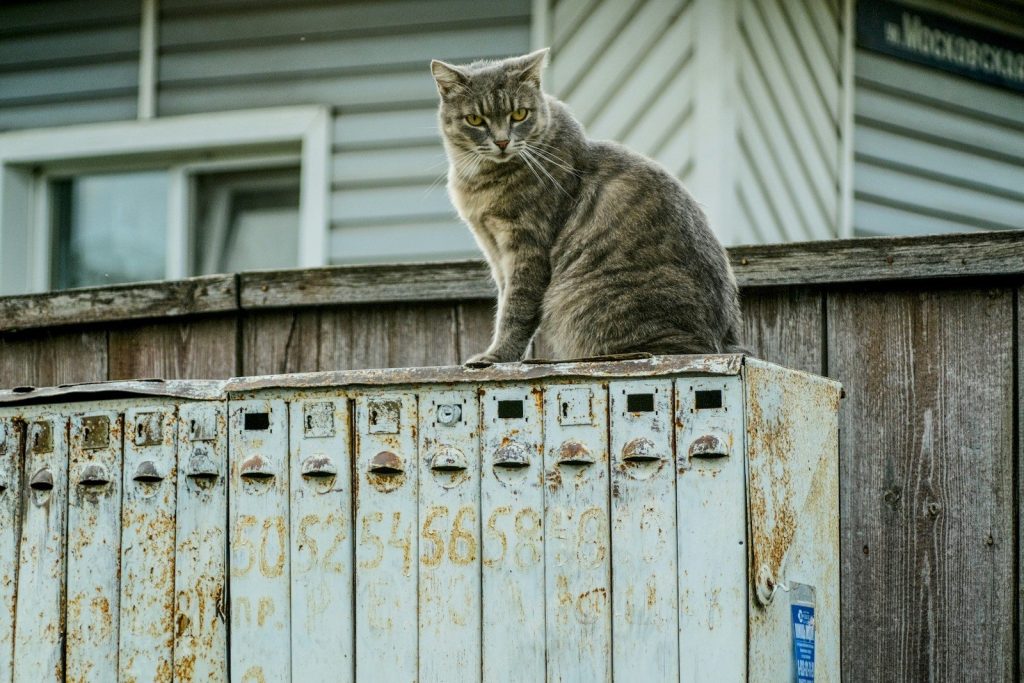
Protecting wild cats starts with keeping our own domestic pets safe and secure indoors. Securing outdoor trash cans and keeping pet food inside prevents attracting wild predators to your yard. By respecting their space, we can share the land harmoniously with these beautiful creatures. The wild spirit of North America lives on through these incredible felines.
Featured Image: Photo by Alexandre Daoust on Unsplash